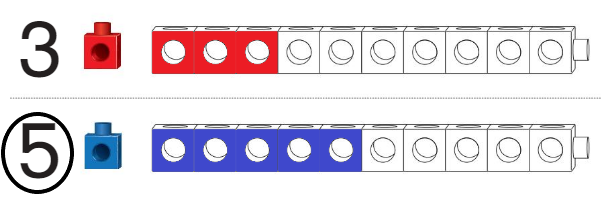
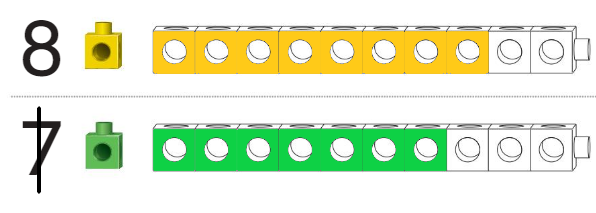
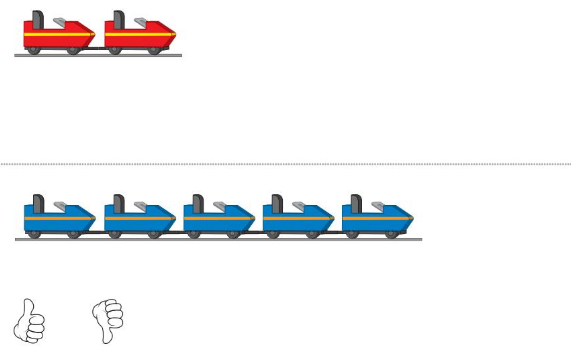
Big Ideas Math Answers Grade K Chapter 11 Identify Two-Dimensional Shapes

Hey guys! Are you looking for the Answer Key of Big Ideas Math Grade K Chapter 11 Identify Two-Dimensional Shapes? If our guess is correct, then you are on the right page. We provide a brief explanation with pictures for all the problems here. The solutions for the questions are prepared by the math professionals. Hence Download Big Ideas Math Answers Grade K Chapter 11 Identify Two-Dimensional Shapes pdf for free.

Big Ideas Math Book Grade K Answer Key Chapter 11 Identify Two-Dimensional Shapes

Start answering all the questions in Big Ideas Math Answers Grade K Chapter 11 Identify Two-Dimensional Shapes. You can make the most out of the Big Ideas Math Book Grade K Answer Key Chapter 11 Identify Two-Dimensional Shapes through the quick links available. Simply tap on the topic you want and learn various questions involved in it easily. We have listed all of them by considering enough examples and explained every problem step by step.

Vocabulary

Lesson: 1 Describe Two-Dimensional Shapes

Lesson: 2 Triangles

Lesson: 3 Rectangles

Lesson: 4 Squares

Lesson: 5 Hexagons and Circles

Lesson: 6 Join Two-Dimensional Shapes

Lesson: 7 Build Two-Dimensional Shapes

Chapter: 11 – Identify Two-Dimensional Shapes

Identify Two-Dimensional Shapes Vocabulary

Directions:
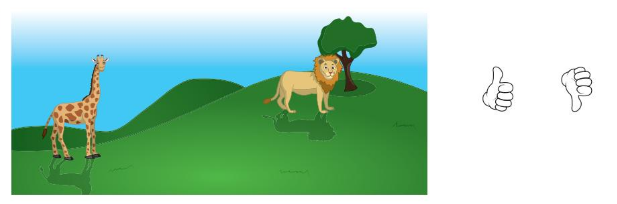
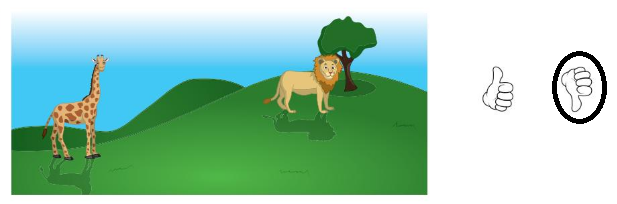
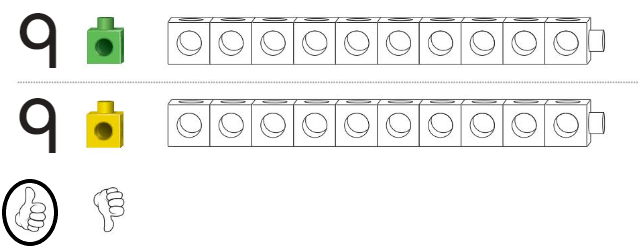
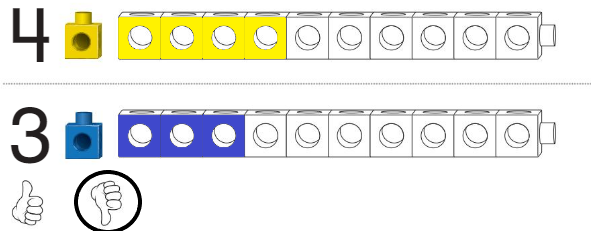
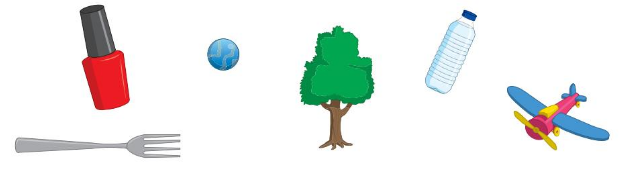
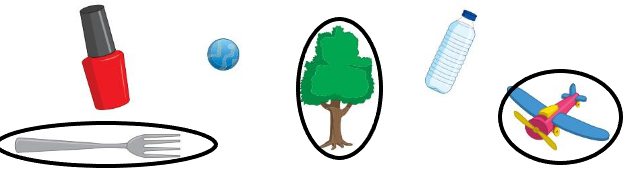
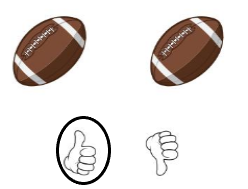
Classify the animals into the categories shown. Write the marks in the chart. Count the marks and write the numbers to tell how many animals are in each category. Draw a line through the number that is less than the other number.

Big Ideas Math Answer Key Grade K Chapter 11 Identify Two-Dimensional Shapes v 1

Answer:

Explanation:
In the above image their are 7 animals out of them 4 animals have spots and 3 animals do not have spots on their body.So, as 3 is lessthan 4 draw a line through 3.

Vocabulary Cards
Big Ideas Math Answer Key Grade K Chapter 11 Identify Two-Dimensional Shapes v 3

Vocabulary Cards
Big Ideas Math Answer Key Grade K Chapter 11 Identify Two-Dimensional Shapes v 4

Big Ideas Math Answer Key Grade K Chapter 11 Identify Two-Dimensional Shapes v 5

Lesson 11.1 Describe Two-Dimensional Shapes

Explore and Grow

Directions:
Cut out the Two-Dimensional Shape Cards. Sort the cards into the categories shown.

Big Ideas Math Answer Key Grade K Chapter 11 Identify Two-Dimensional Shapes 11.1 1

Answer:

Explanation:
In the above picture there is 1 shape that has curves and 4 shapes that have no curves.

Think and grow

Directions:

  • Color the shape that has a curve.
  • Color the shape that does not have any vertices.
  • Color the shape that has more than 4 vertices.
  • Color the shape that has only 3 sides.

Big Ideas Math Answer Key Grade K Chapter 11 Identify Two-Dimensional Shapes 11.1 2
Answer:

Explanation:
In the above shapes, the shape that has curves and a shape that do not have any vertices is a circle. So, color the circle.

Big Ideas Math Answer Key Grade K Chapter 11 Identify Two-Dimensional Shapes 11.1 3
Answer:

Explanation:
In the above shapes, the shape that has more than 4 vertices is a hexagon. So, color hexagon.

Big Ideas Math Answer Key Grade K Chapter 11 Identify Two-Dimensional Shapes 11.1 4
Answer:

Explanation:
In the above shapes, the shape that has only 3 sides is a triangle. So, color triangle.

Apply and Grow: Practice

Directions:
1 Color the shapes that have only 4 sides. 2 Color the shapes that have only 3 vertices. 3 Color the shapes that have 6 vertices. 4 Color the shapes that have curves.

Question 1.
Big Ideas Math Answer Key Grade K Chapter 11 Identify Two-Dimensional Shapes 11.1 5
Answer:

Explanation:
The shapes that have only 4 sides are square and rectangle. So, color square and rectangle.

Question 2.
Big Ideas Math Answer Key Grade K Chapter 11 Identify Two-Dimensional Shapes 11.1 6
Answer:

Explanation:
The shape that has only 3 vertices is the triangle. So, color the triangles.

Question 3.
Big Ideas Math Answer Key Grade K Chapter 11 Identify Two-Dimensional Shapes 11.1 7
Answer:

Explanation:
The shape that have 6 vertices is a hexagon. So, color the hexagons.

Question 4.
Answer:

Explanation:
The shape that has curves is a circle. So, color the circles.

Think and Grow: Modeling Real Life

Directions: Write the number that answers the question.

  • How many stickers in the picture have more than 4 vertices?
  • How many stickers in the picture have all straight sides?
  • How many stickers in the picture have both curves and straight sides?

Big Ideas Math Answer Key Grade K Chapter 11 Identify Two-Dimensional Shapes 11.1 9
Answer:

Explanation:
In the above picture, there are 2 stickers that have more than 4 vertices, 6 stickers that have all straight sides, and 4 stickers that have curves and straight sides.

Describe Two-Dimensional Shapes Homework & Practice 11.1

Directions:
1 Color the shape that has 6 sides. 2 Color the shape that has more than 3 straight sides.

Question 1.
Big Ideas Math Answer Key Grade K Chapter 11 Identify Two-Dimensional Shapes 11.1 10
Answer:

Explanation:
The shape that has 6bsides is a hexagon. So, color the hexagon.

Question 2.
Big Ideas Math Answer Key Grade K Chapter 11 Identify Two-Dimensional Shapes 11.1 11
Answer:

Explanation:
The shape that has more than 3 straight sides is a rectangle. So, color the rectangle.

Directions:
3 Color the shapes that have curves. 4 Color the shapes that have only 4 vertices. 5 How many stickers have less than 4 vertices? Write the number. How many stickers have more than 3 sides? Write the number.

Question 3.
Big Ideas Math Answer Key Grade K Chapter 11 Identify Two-Dimensional Shapes 11.1 12
Answer:

Explanation:
The shape that has curves is a circle. So, color the circles.

Question 4.
Big Ideas Math Answer Key Grade K Chapter 11 Identify Two-Dimensional Shapes 11.1 13
Answer:

explanation:
The shapes that have 4 vertices are rectangle and square. So, color the shapes rectangle and square.

Question 5.
Big Ideas Math Answer Key Grade K Chapter 11 Identify Two-Dimensional Shapes 11.1 14
Answer:

Explanation:
In the above picture, there are 3 stickers that have less than 4 vertices, 5 stickers that have more than 3 sides.

Lesson 11.2 Triangles

Explore and Grow

Directions:
Cut out the Triangle or Not a Triangle Sort Cards. Sort the cards into the categories shown.

Big Ideas Math Answers Grade K Chapter 11 Identify Two-Dimensional Shapes 11.2 1

Think and Grow

Directions:
Color any triangles. Tell why your answers are correct.

Big Ideas Math Answers Grade K Chapter 11 Identify Two-Dimensional Shapes 11.2 2
Answer:

Explanation:
In the above shapes, the triangles are colored as triangles has 3 sides and 3 vertices.

Apply and Grow: Practice

Directions:
1 and 2 Color any triangles. Tell why your answers are correct. 3 Trace the shapes that are triangles. Write the number of sides and the number of vertices of a triangle.

Question 1.
Big Ideas Math Answers Grade K Chapter 11 Identify Two-Dimensional Shapes 11.2 3
Answer:

Explanation:
In the above shapes, the triangle is colored as a triangle has 3 sides and 3 vertices.

Question 2.
Big Ideas Math Answers Grade K Chapter 11 Identify Two-Dimensional Shapes 11.2 4
Answer:

Explanation:
In the above shapes, the triangles are colored as a triangle has 3 sides and 3 vertices.

Question 3.
Big Ideas Math Answers Grade K Chapter 11 Identify Two-Dimensional Shapes 11.2 5
Answer:

Explanation:
In the above shapes, the shapes that have 3 sides and 3 vertices are triangles. So, trace the triangles.

Think and Grow: Modeling Real Life

Directions:
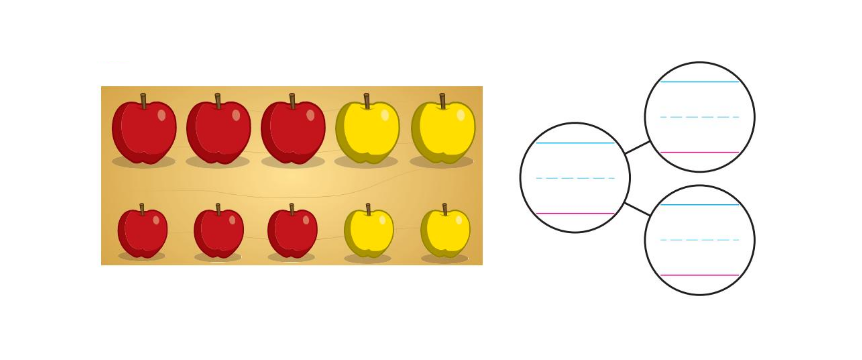
You use triangle-shaped flags to make two banners for a party. You use 10 flags in all.

  • Draw and color flags to make the banners.
  • Write an addition sentence to match your picture.

Big Ideas Math Answers Grade K Chapter 11 Identify Two-Dimensional Shapes 11.2 6
Answer:

Explanation:
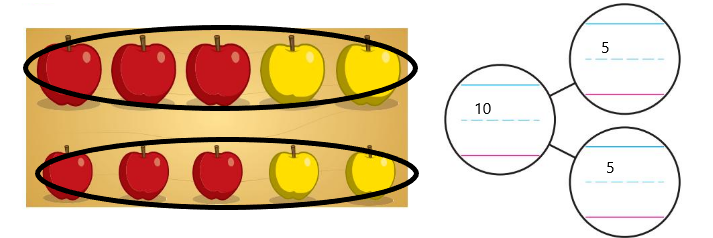
In the above picture we have to draw and color 5 triangle-shaped flags in 2 banners. So, there will be 2 banners with 5 flags each. Therefore the addition sentence is 5+5=10.

Triangles Homework & Practice 11.2

Directions:
1 – 2 Color any triangles. Tell why your answers are correct.

Question 1.
Big Ideas Math Answers Grade K Chapter 11 Identify Two-Dimensional Shapes 11.2 7
Answer:

Explanation:
In the above shapes the triangle is colored as triangle has 3 sides and 3 vertices.

Question 2.
Big Ideas Math Answers Grade K Chapter 11 Identify Two-Dimensional Shapes 11.2 8
Answer:

Explanation:
In the above shapes the triangle is colored as triangle has 3 sides and 3 vertices.

Question 3.
Big Ideas Math Answers Grade K Chapter 11 Identify Two-Dimensional Shapes 11.2 9
Answer:

Explanation:
In the above shapes the triangles are colored as triangle has 3 sides and 3 vertices.
Directions:
4 Color any triangles. Tell why your answers are correct. 5 Trace the shapes that are triangles. Write the number of sides and the number of vertices of a triangle. 6 You use triangle-shaped flags to make two banners for a party. You use 8 flags in all. Draw and color flags to make the banners. Then write an addition sentence to match your picture.

Question 4.
Big Ideas Math Answers Grade K Chapter 11 Identify Two-Dimensional Shapes 11.2 10
Answer:

Explanation:
In the above shapes the triangles are colored as triangle has 3 sides and 3 vertices.

Question 5.
Big Ideas Math Answers Grade K Chapter 11 Identify Two-Dimensional Shapes 11.2 11
Answer:

Explanation:

In the above shapes the shapes that has 3 sides and 3 vertices are triangles. So, trace the triangles.

Question 6.
Big Ideas Math Answers Grade K Chapter 11 Identify Two-Dimensional Shapes 11.2 12
Answer:

Explanation:
In the above picture we have to draw and color 4 triangle shaped flags in 2 banners. So, there will be 2 banners with 4 flags each. Therefore the addition sentence is 4+4=8.

Lesson 11.3 Rectangles

Explore and Grow

Directions:
Cut out the Rectangle or Not a Rectangle Sort Cards. Sort the cards into the categories shown.

Big Ideas Math Solutions Grade K Chapter 11 Identify Two-Dimensional Shapes 11.3 1
Answer:

Think and Grow

Directions:
Color any rectangles. Tell why your answers are correct.

Big Ideas Math Solutions Grade K Chapter 11 Identify Two-Dimensional Shapes 11.3 2
Answer:

Explanation:
In the above shapes the rectangles are colored as rectangles have 4 sides and 4 vertices.

Apply and Grow: Practice

Directions:
1 and 2 Color any rectangles. Tell why your answers are correct. 3 Trace the shapes that are rectangles. Write the number of sides and the number of vertices of a rectangle.

Question 1.
Big Ideas Math Solutions Grade K Chapter 11 Identify Two-Dimensional Shapes 11.3 3
Answer:

Explanation:
In the above shapes the rectangle is colored as rectangles have 4 sides and 4 vertices.

Question 2.
Big Ideas Math Solutions Grade K Chapter 11 Identify Two-Dimensional Shapes 11.3 4
Answer:

Explanation:
In the above shapes the rectangle is colored as rectangles have 4 sides and 4 vertices.

Question 3.
Big Ideas Math Solutions Grade K Chapter 11 Identify Two-Dimensional Shapes 11.3 5
Answer:

Explanation:
In the above shapes the rectangles are traced and rectangles have 4 sides and 4 vertices.

Think and Grow: Modeling Real Life

Directions:

  • Trace and color 4 rectangular posters on the wall.
  • You put 3 more posters on another wall. Draw and color 3 rectangular posters on the wall.
  • Write an addition sentence to tell how many posters are on the walls in all.

Big Ideas Math Solutions Grade K Chapter 11 Identify Two-Dimensional Shapes 11.3 6
Answer:

Explanation:
In the above picture 4 rectangular posters are traced and colored and 3 extra rectangular posters are drawn and colored. When we add all the posters ie 4+3 we have 7 rectangular posters in all.

Rectangles Homework & Practice 11.3

Directions:
1 – 3 Color any rectangles. Tell why your answers are correct.

Question 1.
Big Ideas Math Solutions Grade K Chapter 11 Identify Two-Dimensional Shapes 11.3 7
Answer:

Explanation:
In the above shapes the rectangle is colored as rectangles have 4 sides and 4 vertices.

Question 2.
Big Ideas Math Solutions Grade K Chapter 11 Identify Two-Dimensional Shapes 11.3 8
Answer:

Explanation:
In the above shapes the rectangle is colored as rectangles have 4 sides and 4 vertices.

Question 3.
Big Ideas Math Solutions Grade K Chapter 11 Identify Two-Dimensional Shapes 11.3 9
Answer:

Explanation:
In the above shapes the rectangle is colored as rectangles have 4 sides and 4 vertices.

Directions:
4 Color any rectangles. Tell why your answers are correct. 5 Trace the shapes that are rectangles. Write the number of sides and the number of vertices of a rectangle. 6 You make rectangle.

Question 4.
Big Ideas Math Solutions Grade K Chapter 11 Identify Two-Dimensional Shapes 11.3 10
Answer:

Explanation:
In the above shapes the rectangle is colored as rectangles have 4 sides and 4 vertices.

Question 5.
Big Ideas Math Solutions Grade K Chapter 11 Identify Two-Dimensional Shapes 11.3 11
Answer:

Explanation:
In the above shapes the rectangles are traced as rectangles have 4 sides and 4 vertices.

Question 6.
Big Ideas Math Solutions Grade K Chapter 11 Identify Two-Dimensional Shapes 11.3 12
Answer:

Explanation:
In the above picture we have to draw 1 large rectangular picture frame and 4 small rectangular picture frames. Therefore the addition sentence is 1+4=5. So, there are 5 rectangular picture frames in all.

Lesson 11.4 Squares

Explore and Grow

Directions:
Cut out the Square or Not a Square Sort Cards. Sort the cards into the categories shown.

Big Ideas Math Answer Key Grade K Chapter 11 Identify Two-Dimensional Shapes 11.4 1
Answer:

Think and Grow

Directions:
Color any squares. Tell why your answers are correct.

Big Ideas Math Answer Key Grade K Chapter 11 Identify Two-Dimensional Shapes 11.4 2
Answer:

Explanation:
In the above shapes the square are colored as the squares have 4 sides of equal length and 4 vertices.

Apply and Grow: Practice

Directions:
1 and 2 Color any squares. Tell why your answers are correct. 3 Trace the shapes that are squares. Write the number of sides and the number of vertices of a square.

Question 1.
Big Ideas Math Answer Key Grade K Chapter 11 Identify Two-Dimensional Shapes 11.4 3
Answer:

Explanation:
In the above shapes the square are colored as the squares have 4 sides of equal length and 4 vertices.

Question 2.
Big Ideas Math Answer Key Grade K Chapter 11 Identify Two-Dimensional Shapes 11.4 4
Answer:

Explanation:
In the above shapes the square are colored as the squares have 4 sides of equal length and 4 vertices.

Question 3.
Big Ideas Math Answer Key Grade K Chapter 11 Identify Two-Dimensional Shapes 11.4 5
Answer:

Explanation:
In the above shapes the square are traced as the squares have 4 sides of equal length and 4 vertices.

Think and Grow: Modeling Real Life

Directions:

  • Use squares and rectangles to draw 6 windows and 1 door on the house. Color the house.
  • Write an addition sentence to tell how many squares and how many rectangles you draw in all.

Big Ideas Math Answer Key Grade K Chapter 11 Identify Two-Dimensional Shapes 11.4 6
Answer:

Explanation:
In the house picture given above draw 6 square shaped windows and 1 rectangular door.Color all the shapes and the house. The addition sentence for shapes in all is 6+1=7.

Squares Homework & Practice 11.4

Directions:
1 – 3 Color any squares. Tell why your answers are correct.

Question 1.
Big Ideas Math Answer Key Grade K Chapter 11 Identify Two-Dimensional Shapes 11.4 7
Answer:

Explanation:
In the above shapes the square is colored as the squares have 4 sides of equal length and 4 vertices.

Question 2.
Big Ideas Math Answer Key Grade K Chapter 11 Identify Two-Dimensional Shapes 11.4 8
Answer:

Explanation:
In the above shapes the square is colored as the squares have 4 sides of equal length and 4 vertices.

Question 3.
Big Ideas Math Answer Key Grade K Chapter 11 Identify Two-Dimensional Shapes 11.4 9
Answer:

Explanation:
In the above shapes the squares are colored as the squares have 4 sides of equal length and 4 vertices.

Directions:
4 Color any squares. Tell why your answers are correct. 5 Trace the shapes that are squares. Write the number of sides and the number of vertices of a square. 6 Use squares and rectangles to draw 4 windows and 1 door on the castle. Color the castle. Then write an addition sentence to tell how many squares and rectangles you draw in all.

Question 4.
Big Ideas Math Answer Key Grade K Chapter 11 Identify Two-Dimensional Shapes 11.4 10
Answer:

Explanation:
In the above shapes the squares are colored as the squares have 4 sides of equal length and 4 vertices.

Question 5.
Big Ideas Math Answer Key Grade K Chapter 11 Identify Two-Dimensional Shapes 11.4 11
Answer:

Explanation:
In the above shapes the squares are traced as the squares have 4 sides of equal length and 4 vertices.

Question 6.
Big Ideas Math Answer Key Grade K Chapter 11 Identify Two-Dimensional Shapes 11.4 12
Answer:

Explanation:

In the castle given above draw 4 square shaped windows and 1 rectangular door.Color all the shapes and the castle. The addition sentence for shapes in all is 4+1=5.

Lesson 11.5 Hexagons and Circles

Explore and Grow

Directions:

  • Use your finger to trace around the yellow hexagon. Trace and color the shapes that are hexagons.
  • Use your finger to trace around the blue circle. Use a different color to trace and color the shapes that are circles.

Big Ideas Math Answers Grade K Chapter 11 Identify Two-Dimensional Shapes 11.5 1
Answer:

Explanation:
In the above shapes the hexagons colored yellow and the circles are colored blue.

Think and Grow

Directions:
Color any hexagons red. Color any circles blue. Tell why your answers are correct.

Big Ideas Math Answers Grade K Chapter 11 Identify Two-Dimensional Shapes 11.5 2
Answer:

Explanation:
In the above shapes the hexagons are colored red and the circles are colored blue as hexagons have 6 sides and 6 vertices and the circle has curves.

Apply and Grow: Practice

Directions:
1 and 2 Color any hexagons red. Color any circles blue. Tell why your answers are correct. 3 Trace the shapes that are hexagons. Write the number of sides and the number of vertices of a hexagon.

Question 1.
Big Ideas Math Answers Grade K Chapter 11 Identify Two-Dimensional Shapes 11.5 3
Answer:

Explanation:
In the above shapes the hexagon is colored red and the circle is colored blue as hexagons have 6 sides and 6 vertices and the circle has curves.

Question 2.
Big Ideas Math Answers Grade K Chapter 11 Identify Two-Dimensional Shapes 11.5 4
Answer:

Explanation:
In the above shapes the hexagon is colored red and the circle is colored blue as hexagons have 6 sides and 6 vertices and the circle has curves.

Question 3.
Big Ideas Math Answers Grade K Chapter 11 Identify Two-Dimensional Shapes 11.5 5
Answer:

Explanation:
In the above shapes the hexagons are traced as hexagons have 6 sides and 6 vertices.

Think and Grow: Modeling Real Life

Directions: Follow the steps to complete the robot.

  • Draw 2 circles for the robot’s eyes, a triangle for the nose, and a rectangle for the mouth.
  • Draw a hexagon for each of the robot’s hands.
  • How many of each shape is used for the whole robot? Write the number next to each shape.
  • Color your robot.

Big Ideas Math Answers Grade K Chapter 11 Identify Two-Dimensional Shapes 11.5 6
Answer:

Explanation:
In the Robot picture given above draw 2 circles for the robot’s eyes, a triangle for the nose, a rectangle for the mouth and a hexagon for each of the robot’s hands. Color all the shapes. So, there are 2 circles, 3 hexagons, 3 triangles and 7 rectangles in all.

Hexagons and Circles Homework & Practice 11.5

Directions:
1 – 3 Color any hexagons red. Color any circles blue. Tell why your answers are correct.

Question 1.
Big Ideas Math Answers Grade K Chapter 11 Identify Two-Dimensional Shapes 11.5 7
Answer:

Explanation:
In the above shapes the hexagon is colored red and the circle is colored blue as hexagons have 6 sides and 6 vertices and the circle has curves.

Question 2.
Big Ideas Math Answers Grade K Chapter 11 Identify Two-Dimensional Shapes 11.5 8
Answer:

Explanation:
In the above shapes the hexagons are colored red and the circle is colored blue as hexagons have 6 sides and 6 vertices and the circle has curves.

Question 3.
Big Ideas Math Answers Grade K Chapter 11 Identify Two-Dimensional Shapes 11.5 9
Answer:

Explanation:
In the above shapes the hexagon is colored red and the circle is colored blue as hexagons have 6 sides and 6 vertices and the circle has curves.

Directions:
4 Color any hexagons red. Color any circles blue. Tell why your answers are correct. 5 Trace the shapes that are circles. Write the number of straight sides and the number of vertices of a circle. 6 Draw a hexagon at the end of the cat’s tail. Draw 2 circles for the eyes. How many of each shape is used for the cat? Write the numbers next to the shapes. Color your cat.

Question 4.
Big Ideas Math Answers Grade K Chapter 11 Identify Two-Dimensional Shapes 11.5 10
Answer:

Explanation:
In the above shapes the hexagon is colored red and the circle is colored blue as hexagons have 6 sides and 6 vertices and the circle has curves.

Question 5.

Answer:

Explanation:
In the above shapes the hexagons are traced as the circle has curves.

Question 6.
Big Ideas Math Answers Grade K Chapter 11 Identify Two-Dimensional Shapes 11.5 12
Answer:

Explanation:
in the cat picture given above draw 2 circles for eyes of cat, a hexagon at the end of the tail of the cat.Color all the shape.So, there are 5 circles, 2 hexagons, 5 triangles and 7 rectangles in all.

Lesson 11.6 Join Two-Dimensional Shapes

Explore and Grow

Directions:

  • Use 2 squares to make a rectangle. Trace your shape.
  • Add another square to make a larger rectangle. Trace your shape.
  • Add another square to make a larger square. Trace your shape.

Big Ideas Math Solutions Grade K Chapter 11 Identify Two-Dimensional Shapes 11.6 1
Answer:

Explanation:
In the above question the rectangle in first box is made by using 2 squares, the rectangle in second box is made by adding another square and the square in the third box is made by adding another square to it.Trace all the shapes.

Think and Grow

Directions:
Use the pattern block shown to form the shape. Count and write how many pattern blocks you use.

Big Ideas Math Solutions Grade K Chapter 11 Identify Two-Dimensional Shapes 11.6 2
Answer:

Explanation:
In the above shape 5 triangle pattern blocks are used to form the large triangle and 6 triangle pattern blocks are used to form a hexagon.

Apply and Grow: Practice

Directions:
1 and 2 Use the pattern blocks shown to form the shape. Count and write how many of each pattern block you use. 3 Draw a rectangle that can be formed by the 2 triangles shown.

Question 1.
Big Ideas Math Solutions Grade K Chapter 11 Identify Two-Dimensional Shapes 11.6 3
Answer:

Explanation:
In the above picture 3 triangle shape pattern blocks and 2 square shaped pattern blocks are used to form the given shape.

Question 2.
Big Ideas Math Solutions Grade K Chapter 11 Identify Two-Dimensional Shapes 11.6 4
Answer:

Explanation:
In the above picture 6 triangle shaped pattern blocks and 1 hexagon shaped pattern block are used to form the given shape.

Question 3.
Big Ideas Math Solutions Grade K Chapter 11 Identify Two-Dimensional Shapes 11.6 5
Answer:

Explanation:
The above picture the 2 triangle shaped pattern blocks are used to a rectangle.

Think and Grow: Modeling Real Life

Directions:
Use the pattern blocks shown to create the rocket ship. Count and write how many of each pattern block you use.

Big Ideas Math Solutions Grade K Chapter 11 Identify Two-Dimensional Shapes 11.6 6
Answer:

Explanation:
In the Rocket picture given above 3 triangle shaped pattern blocks, 2 square shaped pattern blocks and 1 hexagon pattern block are used to form the complex shape of a rocket.

Join Two-Dimensional Shapes Homework & Practice 11.6

Directions:
1 and 2 Use the pattern blocks shown to form the shape. Count and write how many of each pattern block you use.

Question 1.
Big Ideas Math Solutions Grade K Chapter 11 Identify Two-Dimensional Shapes 11.6 7
Answer:

Explanation:
In the above picture 4 square shaped pattern blocks are used to form the large square.

Question 2.
Big Ideas Math Solutions Grade K Chapter 11 Identify Two-Dimensional Shapes 11.6 8
Answer:

Explanation:
In the above picture 3 triangle shaped pattern blocks and 1 hexagon pattern blocks are used to form the large triangle shape .

Directions:
3 Draw a square that can be formed by the 2 triangles shown. 4 Use the pattern blocks shown to create the butterfly. Count and write how many of each pattern block you use.

Question 3.
Big Ideas Math Solutions Grade K Chapter 11 Identify Two-Dimensional Shapes 11.6 9
Answer:

Explanation:
In the above picture the 2 triangle shaped pattern blocks are used to form a square.

Question 4.
Big Ideas Math Solutions Grade K Chapter 11 Identify Two-Dimensional Shapes 11.6 10
Answer:

Explanation:
In the butterfly picture given above there are 6 triangle pattern blocks, 4 square pattern blocks and 1 hexagon pattern block. All these pattern blocks together form the shape of a butterfly.

Lesson 11.7 Build Two-Dimensional Shapes

Explore and Grow

Directions:
Use your materials to build one of the two-dimensional shapes shown. Circle the two-dimensional shape that you make.

Big Ideas Math Answer Key Grade K Chapter 11 Identify Two-Dimensional Shapes 11.7 1

Think and Grow

Directions:

  • Use your materials to build a triangle. Draw your triangle or attach it to the page.
  • Use your materials to build a rectangle. Draw your shape or attach it to the page.

Big Ideas Math Answer Key Grade K Chapter 11 Identify Two-Dimensional Shapes 11.7 2

Apply and Grow: Practice

Directions:
1 Use your materials to build a hexagon. Draw your hexagon or attach it to the page. 2 Use your materials to build a circle. Draw your circle or attach it to the page. 3 Use your materials to build a two-dimensional shape that has 4 vertices. Then build a different shape that has 4 vertices. Draw your shapes or attach them to the page.

Question 1.
Big Ideas Math Answer Key Grade K Chapter 11 Identify Two-Dimensional Shapes 11.7 3
Answer:

Question 2.
Big Ideas Math Answer Key Grade K Chapter 11 Identify Two-Dimensional Shapes 11.7 4
Answer:

Question 3.
Big Ideas Math Answer Key Grade K Chapter 11 Identify Two-Dimensional Shapes 11.7 5
Answer:

Think and Grow: Modeling Real Life

Directions:

  • Use your materials to build the front of the house in the picture. Draw your shape or attach it to the page.
  • Circle the shapes that you use to make the front of the house.

Big Ideas Math Answer Key Grade K Chapter 11 Identify Two-Dimensional Shapes 11.7 6
Answer:

Build Two-Dimensional Shapes Homework & Practice 11.7

Directions:
1 – 3 Use your materials to build the shape shown. Draw your shape or attach it to the page. 4 Use your materials to build a two-dimensional shape that has 6 vertices. Draw your shape or attach it to the page.

Question 1.
Big Ideas Math Answer Key Grade K Chapter 11 Identify Two-Dimensional Shapes 11.7 7
Answer:

Question 2.
Big Ideas Math Answer Key Grade K Chapter 11 Identify Two-Dimensional Shapes 11.7 8
Answer:

Question 3.
Big Ideas Math Answer Key Grade K Chapter 11 Identify Two-Dimensional Shapes 11.7 9
Answer:

Question 4.
Big Ideas Math Answer Key Grade K Chapter 11 Identify Two-Dimensional Shapes 11.7 10
Answer:

Directions:
5 Use your materials to build a two-dimensional shape that is not a rectangle. Then build a different two-dimensional shape that is not a rectangle. Draw your shapes or attach them to the page. 6 Use your materials to build the front of the sand castle tower in the picture. Draw your shape or attach it to the page. Circle the shapes that you use to make the front of the tower.

Question 5.
Big Ideas Math Answer Key Grade K Chapter 11 Identify Two-Dimensional Shapes 11.7 11
Answer:

Question 6.
Big Ideas Math Answer Key Grade K Chapter 11 Identify Two-Dimensional Shapes 11.7 12
Answer:

Identify Two-Dimensional Shapes Performance Task

Directions: 1 Use the clues to draw each two-dimensional shape to make an animal.

  • The face is a shape that has 1 more than 5 sides.
  • The eyes are shapes that are curved and have no vertices.
  • The nose and ears are shapes that have 1 more than 2 vertices.
  • The mouth, the body, and the tail are shapes that have more than 3 sides, but less than 5 sides and have L-shaped vertices.
  • The 4 legs are shapes that have 1 less than 5 sides and have all equal side lengths.

2 Count and write how many of each shape you draw.

Question 1.
Big Ideas Math Answers Grade K Chapter 11 Identify Two-Dimensional Shapes 1
Answer:

Explanation:
To form the above cat picture we need to draw 1 hexagon shape for face, 2 circles for eyes , 3 triangles for nose and ears,4 rectangles for body and tail of the cat and 2 squares for the legs.

Question 2.
Big Ideas Math Answers Grade K Chapter 11 Identify Two-Dimensional Shapes 2
Answer:

Explanation:
In the above cat picture there are 2 circles, 2 squares, 1 hexagon, 4 rectangles and 3 triangles.

Identify Two-Dimensional Shapes Activity

Shape Flip and Find

Directions:
Place the Shape Flip and Find Cards face down in the boxes. Take turns flipping 2 cards. If your cards show the same shape, keep the cards. If your cards show different shapes, flip the cards back over. Repeat until all cards have been used.

Big Ideas Math Answers Grade K Chapter 11 Identify Two-Dimensional Shapes 3
Answer:

Identify Two-Dimensional Shapes Chapter Practice

Directions:
1 Color the shape that has only 3 vertices. 2 Color the shape that has a curve. 3 Color the shapes that have 6 sides. 4 Color the shapes that have 4 vertices.

11.1 Describe Two-Dimensional Shapes

Question 1.
Big Ideas Math Answers Grade K Chapter 11 Identify Two-Dimensional Shapes chp 1
Answer:

Explanation:
In the above shapes color the triangle as the triangle has only 3 vertices.

Question 2.
Big Ideas Math Answers Grade K Chapter 11 Identify Two-Dimensional Shapes chp 2
Answer:

Explanation:
In the above shapes color the circle as circle has a curve.

Question 3.
Big Ideas Math Answers Grade K Chapter 11 Identify Two-Dimensional Shapes chp 3
Answer:

Explanation:
In the above shapes color the hexagons as the hexagons have 6 sides and 6 vertices.

Question 4.
Big Ideas Math Answers Grade K Chapter 11 Identify Two-Dimensional Shapes chp 4
Answer:

Explanation:
In the above shapes color the square and the rectangle as the square and fectangle has 4 sides and 4 vertices.

Directions:
5 and 6 Color the triangle. Tell why your answer is correct. 7 and 8 Color any rectangles. Tell why your answers are correct.

11.2 Triangles

Question 5.
Big Ideas Math Answers Grade K Chapter 11 Identify Two-Dimensional Shapes chp 5
Answer:

Explanation:
In the above shapes color the triangle as the triangle has 3 sides and 3 vertices.

Question 6.
Big Ideas Math Answers Grade K Chapter 11 Identify Two-Dimensional Shapes chp 6
Answer:

Explanation:
In the above shapes color the triangle as the triangle has 3 sides and 3 vertices.

11.3 Rectangles

Question 7.
Big Ideas Math Answers Grade K Chapter 11 Identify Two-Dimensional Shapes chp 7
Answer:

Explanation:
In the above shapes color the rectangle as the trectangle has 4 sides and 4 vertices.

Question 8.
Big Ideas Math Answers Grade K Chapter 11 Identify Two-Dimensional Shapes chp 8
Answer:

Explanation:
In the above shapes color the rectangle as the rectangle has 4 sides and 4 vertices.

Directions:
9 Use squares and rectangles to draw 5 windows and 1 door on the bus. Color the bus. Then write an addition sentence to tell how many squares and rectangles you draw in all. 10 Trace the shapes that are hexagons. Write the number of sides and the number of vertices of a hexagon.

11.4 Squares

Question 9.
Big Ideas Math Answers Grade K Chapter 11 Identify Two-Dimensional Shapes chp 9
Answer:

Explanation:
In the above bus picture given above draw 5 square shaped windows, 1 rectangular shaoed door and color all the shapes.Therefore the addition sentence of the shapes is 5+1=6.

11.5 Hexagons and Circles

Question 10.
Big Ideas Math Answers Grade K Chapter 11 Identify Two-Dimensional Shapes chp 10
Answer:

Explanation:
In the above shapes trace the hexagon as the hexagon has 6 sides and 6 vertices.

Directions:
11 Use the pattern block shown to form the shape. Count and write how many pattern blocks you use. 12 Draw a larger triangle that can be formed by the 2 triangles shown. 13 Use your materials to build the shape. Draw your shape or attach it to the page. 14 Use your materials to build a two-dimensional shape that has 4 sides of the same length. Draw your shape or attach it to the page. 15 Use your materials to build a two-dimensional shape that is not a hexagon. Draw your shape or attach it to the page.

11.6 Join Two-Dimensional Shapes

Question 11.
Big Ideas Math Answers Grade K Chapter 11 Identify Two-Dimensional Shapes chp 11
Answer:

Explanation:
In the above picture 4 triangle shaped pattern blocks are used to form the given shape.

Question 12.
Big Ideas Math Answers Grade K Chapter 11 Identify Two-Dimensional Shapes chp 12
Answer:

Explanation:
The above given 2 triangle shaped pattern blocks are used to form a large triangle.

11.7 Build Two-Dimensional Shapes

Question 13.
Big Ideas Math Answers Grade K Chapter 11 Identify Two-Dimensional Shapes chp 13
Answer:

Question 14.
Big Ideas Math Answers Grade K Chapter 11 Identify Two-Dimensional Shapes chp 14
Answer:

Question 15.
Big Ideas Math Answers Grade K Chapter 11 Identify Two-Dimensional Shapes chp 15
Answer:

Conclusion:
I wish the Big Ideas Math Answers Grade K Chapter 11 Identify Two-Dimensional Shapes pdf is helpful for all the elementary school students. Make use of the above links and start your preparation. Stay tuned to our site to get the solution key for all Big Ideas Math Grade K Chapters.

Big Ideas Math Answers Grade K Chapter 12 Identify Three-Dimensional Shapes

Big Ideas Math Book Grade K Answer Key Chapter 12 Identify Three-Dimensional Shapes will make understanding concepts of 3-Dimensional shapes so easy. So following the Big Ideas Math Answers Grade K Chapter 12 Identify Three-Dimensional Shapes is very necessary to get notified of the topics. So it will be easy for you to understand the concepts behind each and every lesson.

Big Ideas Math Book Grade K Answer Key Chapter 12 Identify Three-Dimensional Shapes

The questions asked in Chapter Tests, Practice Tests, Performance Tests, etc. are also covered by the Big Ideas Math Answers Grade K Chapter 12 Identify Three-Dimensional Shapes PDF. So that you can cross-check Big Ideas Math Book Grade K Answer Key Chapter 12 Identify Three-Dimensional Shapes PDF. For more practice questions simply go to the performance task and cumulative practice which is given at the end of the chapter.

Vocabulary

Lesson: 1 Two- and Three-Dimensional Shapes

Lesson: 2 Describe Three-Dimensional Shapes

Lesson: 3 Cubes and Spheres

Lesson: 4 Cones and Cylinders

Lesson: 5 Build Three-Dimensional Shapes

Lesson: 6 Positions of Solid Shapes

Chapter 12: Identify Three-Dimensional Shapes

Identify Three-Dimensional Shapes Vocabulary

Directions:
Circle each can. Draw a square around each box. Count and write how many of each two-dimensional shape you draw.
Big Ideas Math Answer Key Grade K Chapter 12 Identify Three-Dimensional Shapes v 1
Answer:
Big-Ideas-Math-Book-Grade-K-Answer-Key-Chapter-12-Identify-Three-Dimensional-Shapes-Identify-Three-Dimensional-Shapes-Vocabulary

Big Ideas Math Answer Key Grade K Chapter 12 Identify Three-Dimensional Shapes v 2

Big Ideas Math Answer Key Grade K Chapter 12 Identify Three-Dimensional Shapes v 4
Answer:
Big-Ideas-Math-Book-Grade-K-Answer-Key-Chapter-12-Identify-Three-Dimensional-Shapes-Identify-Three-Dimensional-Shapes-Vocabulary-1

Big Ideas Math Answer Key Grade K Chapter 12 Identify Three-Dimensional Shapes v 6

Big Ideas Math Answer Key Grade K Chapter 12 Identify Three-Dimensional Shapes v 8
Answer:
Big-Ideas-Math-Book-Grade-K-Answer-Key-Chapter-12-Identify-Three-Dimensional-Shapes-Identify-Three-Dimensional-Shapes-Vocabulary-2

Big Ideas Math Answer Key Grade K Chapter 12 Identify Three-Dimensional Shapes v 10

Big Ideas Math Answer Key Grade K Chapter 12 Identify Three-Dimensional Shapes v 12

Answer:
Big-Ideas-Math-Book-Grade-K-Answer-Key-Chapter-12-Identify-Three-Dimensional-Shapes-Identify-Three-Dimensional-Shapes-Vocabulary-3

Lesson 12.1 Two- and Three-Dimensional Shapes

Explore and Grow

Directions:
Circle any triangles, rectangles, squares, hexagons, and circles you see in the picture. Use another color to circle any objects in the picture that match the blue shapes shown. Tell what you notice about each shape.

Big Ideas Math Answer Key Grade K Chapter 12 Identify Three-Dimensional Shapes 12.1 1
Answer:

Big-Ideas-Math-Book-Grade-K-Answer-Key-Chapter-12- Identify-Three-Dimensional-Shapes-Lesson-12.1-Two-and-Three-Dimensional-Shapes-Explore-and-Grow
two-dimensional
rectangle
circle
triangle
hexagon
Total11 shapes
three-dimensional
cylinder
sphere
cube
cone
Total 8 shapes
Explanation:
A two-dimensional shape is a shape that has length and width but no depth. … A circle is one example of a two-dimensional shape. Example Two. A rectangle is another example of a two-dimensional shape.

Triangles, Rectangles, Squares, Hexagons, and Circles all these shapes are all 2-D shapes.
A three-dimensional shape can be defined as a solid figure or an object or shape that has three dimensions – length, width, and height. Unlike two-dimensional shapes, three-dimensional shapes have thickness or depth.
All the objects in the picture represent the 3-D shapes so, they are circled with a different color.

Think and Grow

Directions:
Circle any three-dimensional shapes. Draw rectangles around any two-dimensional shapes. Tell why your answers are correct.

Big Ideas Math Answer Key Grade K Chapter 12 Identify Three-Dimensional Shapes 12.1 2

Big Ideas Math Answer Key Grade K Chapter 12 Identify Three-Dimensional Shapes 12.1 3
Answer:
Big-Ideas-Math-Book-Grade-K-Answer-Key-Chapter-12- Identify-Three-Dimensional-Shapes-Lesson-12.1-Two-and-Three-Dimensional-Shapes-Think-and-Grow
two-dimensional
rectangle
circle
three-dimensional
cylinder
sphere
cuboid
cone
Explanation:
A two-dimensional shape is a shape that has length and width but no depth.
Examples: Circle, Triangle, Rectangle, Squares, Hexagons.
2-D shapes have been shaped with rectangle
A three-dimensional shape can be defined as a solid figure or an object or shape that has three dimensions – length, width and height. Unlike two-dimensional shapes, three-dimensional shapes have thickness or depth.
Examples: Sphere, Torus, Cylinder, Cone, Cube, Cuboid, Triangular Pyramid, Square Pyramid.
3-D shapes have been shaped with circle.

Apply and Grow: Practice

Directions:
1 – 4 Circle any three-dimensional shapes. Draw rectangles around any two-dimensional shapes. Tell why your answers are correct.

Question 1.
Big Ideas Math Answer Key Grade K Chapter 12 Identify Three-Dimensional Shapes 12.1 4
Answer:
Big-Ideas-Math-Book-Grade-K-Answer-Key-Chapter-12- Identify-Three-Dimensional-Shapes-Lesson-12.1-Two-and-Three-Dimensional-Shapes-Apply-and-Grow-Practice-Directions-Question-1
two-dimensional
rectangle
circle
three-dimensional
cylinder
cube
Explanation:
A two-dimensional shape is a shape that has length and width but no depth.
Examples: Circle, Triangle, Rectangle, Squares, Hexagons.
2-D shapes have been shaped with rectangles.
A three-dimensional shape can be defined as a solid figure or an object or shape that has three dimensions – length, width and height. Unlike two-dimensional shapes, three-dimensional shapes have thickness or depth.
Examples: Sphere, Torus, Cylinder, Cone, Cube, Cuboid, Triangular Pyramid, Square Pyramid.
3-D shapes have been shaped with circle.

Question 2.
Big Ideas Math Answer Key Grade K Chapter 12 Identify Three-Dimensional Shapes 12.1 5
Answer:
Big-Ideas-Math-Book-Grade-K-Answer-Key-Chapter-12- Identify-Three-Dimensional-Shapes-Lesson-12.1-Two-and-Three-Dimensional-Shapes-Apply-and-Grow-Practice-Directions-Question-2
two-dimensional
circle
square
hexagon
three-dimensional
sphere
Explanation:
A two-dimensional shape is a shape that has length and width but no depth.
Examples: Circle, Triangle, Rectangle, Squares, Hexagons.
2-D shapes have been shaped with rectangle.
A three-dimensional shape can be defined as a solid figure or an object or shape that has three dimensions – length, width and height. Unlike two-dimensional shapes, three-dimensional shapes have thickness or depth.
Examples: Sphere, Torus, Cylinder, Cone, Cube, Cuboid, Triangular Pyramid, Square Pyramid.
3-D shapes have been shaped with circle.

Question 3.
Big Ideas Math Answer Key Grade K Chapter 12 Identify Three-Dimensional Shapes 12.1 6
Answer:
Big-Ideas-Math-Book-Grade-K-Answer-Key-Chapter-12- Identify-Three-Dimensional-Shapes-Lesson-12.1-Two-and-Three-Dimensional-Shapes-Apply-and-Grow-Practice-Directions-Question-3
two-dimensional
Triangle
three-dimensional
Cuboid
Triangle prism
Cone
Explanation:
A two-dimensional shape is a shape that has length and width but no depth.
Examples: Circle, Triangle, Rectangle, Squares, Hexagons.
2-D shapes have been shaped with rectangle.
A three-dimensional shape can be defined as a solid figure or an object or shape that has three dimensions – length, width and height. Unlike two-dimensional shapes, three-dimensional shapes have thickness or depth.
Examples: Sphere, Torus, Cylinder, Cone, Cube, Cuboid, Triangular Pyramid, Square Pyramid.
3-D shapes have been shaped with circle.

Question 4.
Big Ideas Math Answer Key Grade K Chapter 12 Identify Three-Dimensional Shapes 12.1 7
Answer:
Big-Ideas-Math-Book-Grade-K-Answer-Key-Chapter-12- Identify-Three-Dimensional-Shapes-Lesson-12.1-Two-and-Three-Dimensional-Shapes-Apply-and-Grow-Practice-Directions-Question-4
two-dimensional
0
three-dimensional
Cylinder
Sphere
Cone

Explanation:
A two-dimensional shape is a shape that has length and width but no depth.
Examples: Circle, Triangle, Rectangle, Squares, Hexagons.
2-D shapes have been shaped with rectangle.
A three-dimensional shape can be defined as a solid figure or an object or shape that has three dimensions – length, width and height. Unlike two-dimensional shapes, three-dimensional shapes have thickness or depth.
Examples: Sphere, Torus, Cylinder, Cone, Cube, Cuboid, Triangular Pyramid, Square Pyramid.
3-D shapes have been shaped with circle.

Think and Grow: Modeling Real Life

Directions:
Circle any shapes in the picture that are solids. Draw rectangles around any shapes in the picture that are flats. Count and write how many solids and flats you find.

Big Ideas Math Answer Key Grade K Chapter 12 Identify Three-Dimensional Shapes 12.1 8
three-Dimensional
________
– – – – – – – –
________

two-dimensional
________
– – – – – – – –
________

Answer:
Big-Ideas-Math-Book-Grade-K-Answer-Key-Chapter-12-Identify-Three-Dimensional-Shapes-Lesson-12.1-Two-and-Three-Dimensional-Shapes-Think-and-Grow-Modeling-Real-Life

two-dimensional
Rectangles
Total 7 flat surfaces
three-dimensional
Cubes
Sphere
Cone
Cylinder
Total 8 solids
Explanation:
Solid figures are three-dimensional. A face is a flat surface of a solid.

Two- and Three-Dimensional Shapes Homework & Practice 12.1

Directions:
1 – 3 Circle any three-dimensional shapes. Draw rectangles around any two-dimensional shapes. Tell why your answers are correct.

Question 1.
Big Ideas Math Answer Key Grade K Chapter 12 Identify Three-Dimensional Shapes 12.1 9
Answer:
Big-Ideas-Math-Book-Grade-K-Answer-Key-Chapter-12- Identify-Three-Dimensional-Shapes-Two-and-Three-Dimensional-Shapes-Homework -Practice-12.1-Question-1
two-dimensional
Triangle
Square
three-dimensional
Cylinder
Sphere
Explanation:
A two-dimensional shape is a shape that has length and width but no depth.
Examples: Circle, Triangle, Rectangle, Squares, Hexagons.
2-D shapes have been shaped with rectangle.
A three-dimensional shape can be defined as a solid figure or an object or shape that has three dimensions – length, width and height. Unlike two-dimensional shapes, three-dimensional shapes have thickness or depth.
Examples: Sphere, Torus, Cylinder, Cone, Cube, Cuboid, Triangular Pyramid, Square Pyramid.
3-D shapes have been shaped with circle.

Question 2.
Big Ideas Math Answer Key Grade K Chapter 12 Identify Three-Dimensional Shapes 12.1 10
Answer:
Big-Ideas-Math-Book-Grade-K-Answer-Key-Chapter-12- Identify-Three-Dimensional-Shapes-Two-and-Three-Dimensional-Shapes-Homework -Practice-12.1-Question-2
two-dimensional
Hexagon
Circle
three-dimensional
Cube
Cone
Explanation:
A two-dimensional shape is a shape that has length and width but no depth.
Examples: Circle, Triangle, Rectangle, Squares, Hexagons.
2-D shapes have been shaped with rectangle.
A three-dimensional shape can be defined as a solid figure or an object or shape that has three dimensions – length, width and height. Unlike two-dimensional shapes, three-dimensional shapes have thickness or depth.
Examples: Sphere, Torus, Cylinder, Cone, Cube, Cuboid, Triangular Pyramid, Square Pyramid.
3-D shapes have been shaped with circle.

Question 3.
Big Ideas Math Answer Key Grade K Chapter 12 Identify Three-Dimensional Shapes 12.1 11
Answer:
Big-Ideas-Math-Book-Grade-K-Answer-Key-Chapter-12- Identify-Three-Dimensional-Shapes-Two-and-Three-Dimensional-Shapes-Homework -Practice-12.1-Question-3
two-dimensional
Rectangle
Square
three-dimensional
Cube
Explanation:
A two-dimensional shape is a shape that has length and width but no depth.
Examples: Circle, Triangle, Rectangle, Squares, Hexagons.
2-D shapes have been shaped with rectangle.
A three-dimensional shape can be defined as a solid figure or an object or shape that has three dimensions – length, width and height. Unlike two-dimensional shapes, three-dimensional shapes have thickness or depth.
Examples: Sphere, Torus, Cylinder, Cone, Cube, Cuboid, Triangular Pyramid, Square Pyramid.
3-D shapes have been shaped with circle.

Directions:
4 and 5 Circle any three-dimensional shapes. Draw rectangles around any two-dimensional shapes. Tell why your answers are correct. 6 Circle any three-dimensional shapes in the picture. Count and write the number. Draw rectangles around any two-dimensional shapes in the picture. Count and write the number.

Question 4.
Big Ideas Math Answer Key Grade K Chapter 12 Identify Three-Dimensional Shapes 12.1 12
Answer:
Big-Ideas-Math-Book-Grade-K-Answer-Key-Chapter-12- Identify-Three-Dimensional-Shapes-Two-and-Three-Dimensional-Shapes-Homework -Practice-12.1-Question-4
two-dimensional
Circle
three-dimensional
Cylinder
Sphere
Cone
Explanation:
A two-dimensional shape is a shape that has length and width but no depth.
Examples: Circle, Triangle, Rectangle, Squares, Hexagons.
2-D shapes have been shaped with rectangle.
A three-dimensional shape can be defined as a solid figure or an object or shape that has three dimensions – length, width and height. Unlike two-dimensional shapes, three-dimensional shapes have thickness or depth.
Examples: Sphere, Torus, Cylinder, Cone, Cube, Cuboid, Triangular Pyramid, Square Pyramid.
3-D shapes have been shaped with circle.

Question 5.
Big Ideas Math Answer Key Grade K Chapter 12 Identify Three-Dimensional Shapes 12.1 13
Answer:
Big-Ideas-Math-Book-Grade-K-Answer-Key-Chapter-12- Identify-Three-Dimensional-Shapes-Two-and-Three-Dimensional-Shapes-Homework -Practice-12.1-Question-5
two-dimensional
Rectangle
Circle
Triangle
three-dimensional
Cube
Explanation:
A two-dimensional shape is a shape that has length and width but no depth.
Examples: Circle, Triangle, Rectangle, Squares, Hexagons.
2-D shapes have been shaped with rectangle.
A three-dimensional shape can be defined as a solid figure or an object or shape that has three dimensions – length, width and height. Unlike two-dimensional shapes, three-dimensional shapes have thickness or depth.
Examples: Sphere, Torus, Cylinder, Cone, Cube, Cuboid, Triangular Pyramid, Square Pyramid.
3-D shapes have been shaped with circle.

Question 6.
Big Ideas Math Answer Key Grade K Chapter 12 Identify Three-Dimensional Shapes 12.1 14
Answer:
Big-Ideas-Math-Book-Grade-K-Answer-Key-Chapter-12- Identify-Three-Dimensional-Shapes-Two-and-Three-Dimensional-Shapes-Homework -Practice-12.1-Question-6
Explanation:
A two-dimensional shape is a shape that has length and width but no depth.
Examples: Circle, Triangle, Rectangle, Squares, Hexagons.
2-D shapes have been shaped with rectangle.
A three-dimensional shape can be defined as a solid figure or an object or shape that has three dimensions – length, width and height. Unlike two-dimensional shapes, three-dimensional shapes have thickness or depth.
Examples: Sphere, Torus, Cylinder, Cone, Cube, Cuboid, Triangular Pyramid, Square Pyramid.
3-D shapes have been shaped with circle.

Lesson 12.2 Describe Three-Dimensional Shapes

Explore and Grow

Directions:
Cut out the Roll, Stack, Slide Sort Cards. Sort the cards into the categories shown.

rolls

stacks

slides

Answer:

Think and Grow

Directions:

  • Look at the solid shape on the left that rolls. Circle the other solid shapes that roll.
  • Look at the solid shapes on the left that stack. Circle the other solid shapes that stack.
  • Look at the solid shape on the left that slides. Circle the other solid shapes that slide.

Big Ideas Math Answers Grade K Chapter 12 Identify Three-Dimensional Shapes 12.2 1

Big Ideas Math Answers Grade K Chapter 12 Identify Three-Dimensional Shapes 12.2 2
Answer:
Big-Ideas-Math-Book-Grade-K-Answer-Key-Chapter-12-Identify-Three-Dimensional Shapes-Lesson-12.2-Describe-Three-Dimensional-Shapes-Explore-and-Grow
Explanation:
Solid shapes that can roll are circled with Brown.
Solid shapes that can slide are circled with Yellow.
Solid shapes that can stack are circled with Blue.

The object which has a flat surface can slide. Example Rectangle, cube, cuboid, cylinder shapes.
Shapes with a flat face can stack. Example Cube, Rectangle, Cylinder shape.
Shapes with a curved face can roll. Example sphere , cylinder , cone shape.

Apply and Grow: Practice

Directions:
1 Look at the solid shape on the left that rolls. Circle the other solid shapes that roll. 2 Circle the solid shapes that roll and slide. 3 Circle the solid shapes that stack and slide. 4 Circle the solid shape that does not stack or slide.

Question 1.
Big Ideas Math Answers Grade K Chapter 12 Identify Three-Dimensional Shapes 12.2 3
Answer:
Big-Ideas-Math-Book-Grade-K-Answer-Key-Chapter-12-Identify-Three-Dimensional Shapes-Lesson-12.2-Describe-Three-Dimensional-Shapes-Apply-and-Grow-Practice-Question-1

Given:
The cylinder can roll,roll and slide, stack and slide
The cube can slide and stack.
The sphere can only roll.

Explanation:
The object which has a flat surface can slide. Example Rectangle, cube, cuboid, cylinder shapes.
Shapes with a flat face can stack. Example Cube, Rectangle, Cylinder shape.
Shapes with a curved face can roll. Example sphere, cylinder, cone shape.

Question 2.
Big Ideas Math Answers Grade K Chapter 12 Identify Three-Dimensional Shapes 12.2 4
Answer:
Big-Ideas-Math-Book-Grade-K-Answer-Key-Chapter-12-Identify-Three-Dimensional Shapes-Lesson-12.2-Describe-Three-Dimensional-Shapes-Apply-and-Grow-Practice-Question-2
Given:
The cylinder can roll, stack and slide, roll and slide
Cone can roll, roll and slide.
The cube can slide and stack.
Explanation:
Solid shapes that can roll are circled with Brown.
Solid shapes that can slide are circled with Yellow.
Solid shapes that can stack are circled with Blue.

The object which has a flat surface can slide. Example Rectangle, cube, cuboid, cylinder shapes.
Shapes with a flat face can stack. Example Cube, Rectangle, Cylinder shape.
Shapes with a curved face can roll. Example sphere, cylinder, cone shape.

Question 3.
Big Ideas Math Answers Grade K Chapter 12 Identify Three-Dimensional Shapes 12.2 5
Answer:
Big-Ideas-Math-Book-Grade-K-Answer-Key-Chapter-12-Identify-Three-Dimensional Shapes-Lesson-12.2-Describe-Three-Dimensional-Shapes-Apply-and-Grow-Practice-Question-3
Given:
A ball that represents a Sphere. The ball can only roll.
A wooden log which represent cylinder. Log can roll, roll and slide, stack and slide.
The wooden box which represents cube. The box can slide and stack.
Hat represent cone. hat can roll, roll and slide.

Explanation:
Solid shapes that can roll are circled with Brown.
Solid shapes that can slide are circled with Yellow.
Solid shapes that can stack are circled with Blue.
The object which has a flat surface can slide. Example Rectangle, cube, cuboid, cylinder shapes.
Shapes with a flat face can stack. Example Cube, Rectangle, Cylinder shape.
Shapes with a curved face can roll. Example sphere, cylinder, cone shape.

Question 4.
Big Ideas Math Answers Grade K Chapter 12 Identify Three-Dimensional Shapes 12.2 6
Answer:
Big-Ideas-Math-Book-Grade-K-Answer-Key-Chapter-12-Identify-Three-Dimensional Shapes-Lesson-12.2-Describe-Three-Dimensional-Shapes-Apply-and-Grow-Practice-Question-4
Given:
The ball which represents Sphere. The ball can only roll.
Glue stick which represents cylinder. Glue stick can roll,roll and slide, stack and slide.
The box which represents cube. Box can slide and stack.
Birthday Hat represents cone. Birthday hat can roll, roll and slide.

Explanation:
Solid shapes that can roll are circled with Brown.
Solid shapes that can slide are circled with Yellow.
Solid shapes that can stack are circled with Blue.
The object which has a flat surface can slide. Example Rectangle, cube, cuboid, cylinder shapes.
Shapes with a flat face can stack. Example Cube, Rectangle, Cylinder shape.
Shapes with a curved face can roll. Example sphere, cylinder, cone shape.

Think and Grow: Modeling Real Life

Directions:
You stack the 3 objects shown. Write 1 below the object you place at the bottom of the stack, write 2 below the object you stack next, and write 3 below the object you stack last. Tell why you chose this order.

Big Ideas Math Answers Grade K Chapter 12 Identify Three-Dimensional Shapes 12.2 7

Big Ideas Math Answers Grade K Chapter 12 Identify Three-Dimensional Shapes 12.2 8
Answer:
Big-Ideas-Math-Book-Grade-K-Answer-Key-Chapter-12-Identify-Three-Dimensional Shapes-Lesson-12.2-Describe-Three-Dimensional-Shapes-Think-and-Grow-Modeling-Real-Life

Given:
cylinder shaped Oats box and piggy bank. Oats box and piggy bank can roll, roll and slide, stack and slide.
cube shaped Cardboard box and a Wooden box . A cardboard box and a Wooden Box can slide and stack.
cone shaped Party hats. Party hats can roll, roll and slide.

Explanation:
The object which has a flat surface can slide. Example Rectangle, cube, cuboid, cylinder shapes.
Shapes with a flat face can stack. Example Cube, Rectangle, Cylinder shape.
Shapes with a curved face can roll. Example sphere , cylinder , cone shape.

Describe Three-Dimensional Shapes Homework & Practice 12.2

Directions:
1 Look at the solid shapes on the left that stack. Circle the other solid shapes that stack. 2 Look at the solid shape on the left that rolls. Circle the other solid shapes that roll. 3 Look at the solid shape on the left that slides. Circle the other solid shapes that slide.

Question 1.
Big Ideas Math Answers Grade K Chapter 12 Identify Three-Dimensional Shapes 12.2 9
Answer:
Big-Ideas-Math-Book-Grade-K-Answer-Key-Chapter-12-Identify-Three-Dimensional Shapes-Describe-Three-Dimensional-Shapes-Homework-Practice-12.2-Question-1
Explanation:
Shapes with a flat face can stack. Example Cube, Rectangle, Cylinder shape.

Question 2.
Big Ideas Math Answers Grade K Chapter 12 Identify Three-Dimensional Shapes 12.2 10
Answer:
Big-Ideas-Math-Book-Grade-K-Answer-Key-Chapter-12-Identify-Three-Dimensional Shapes-Describe-Three-Dimensional-Shapes-Homework-Practice-12.2-Question-2
Explanation:
Shapes with a curved face can roll. Example sphere, cylinder, cone shape.

Question 3.
Big Ideas Math Answers Grade K Chapter 12 Identify Three-Dimensional Shapes 12.2 11
Answer:
Big-Ideas-Math-Book-Grade-K-Answer-Key-Chapter-12-Identify-Three-Dimensional Shapes-Describe-Three-Dimensional-Shapes-Homework-Practice-12.2-Question-3
Explanation:
The object which has a flat surface can slide. Example Rectangle, cube, cuboid, cylinder shapes.

Directions:
4 Circle the solid shapes that roll and stack. 5 Circle the solid shapes that stack and slide. 6 Circle the solid shape that does not roll. 7 You stack the 3 objects shown. Write 1 below the object you place at the bottom of the stack, write 2 below the object you stack next, and write 3 below the object you stack last. Tell why you chose this order.

Question 4.
Big Ideas Math Answers Grade K Chapter 12 Identify Three-Dimensional Shapes 12.2 12
Answer:
Big-Ideas-Math-Book-Grade-K-Answer-Key-Chapter-12-Identify-Three-Dimensional Shapes-Describe-Three-Dimensional-Shapes-Homework-Practice-12.2-Question-4
Cylinder shaped objects can roll and slide.

Explanation:
Shapes with a flat face can stack. Example Cube, Rectangle, Cylinder shape.
Shapes with a curved face can roll. Example sphere, cylinder, cone shape.

Question 5.
Big Ideas Math Answers Grade K Chapter 12 Identify Three-Dimensional Shapes 12.2 13
Answer:
Big-Ideas-Math-Book-Grade-K-Answer-Key-Chapter-12-Identify-Three-Dimensional Shapes-Describe-Three-Dimensional-Shapes-Homework-Practice-12.2-Question-5

Given:
Cube shaped objects can slide and stake.
Cylinder shaped objects can roll and slide.

Explanation:
The object which has a flat surface can slide. Example Rectangle, cube, cuboid, cylinder shapes.
Shapes with a flat face can stack. Example Cube, Rectangle, Cylinder shape.

Question 6.
Big Ideas Math Answers Grade K Chapter 12 Identify Three-Dimensional Shapes 12.2 14
Answer:
Big-Ideas-Math-Book-Grade-K-Answer-Key-Chapter-12-Identify-Three-Dimensional Shapes-Describe-Three-Dimensional-Shapes-Homework-Practice-12.2-Question-6
Given:
Cube shaped objects can slide and stake. Cube shaped solids that does not roll.

Explanation:
The object which has a flat surface can slide. Example Rectangle, cube, cuboid, cylinder shapes.
Shapes with a flat face can stack. Example Cube, Rectangle, Cylinder shape.

Question 7.
Big Ideas Math Answers Grade K Chapter 12 Identify Three-Dimensional Shapes 12.2 15
Answer:
Big-Ideas-Math-Book-Grade-K-Answer-Key-Chapter-12-Identify-Three-Dimensional Shapes-Describe-Three-Dimensional-Shapes-Homework-Practice-12.2-Question-7

Explanation:
In the figure given we have 2 cylinder shaped objects and 1 cone shaped object.
Cylinders can stack, slide and roll. So, I used both the cylinder shaped objects at the bottom.
Cone can roll and slide. As cones shaped figures can not be stacked I used at the top.

Lesson 12.3 Cubes and Spheres

Explore and Grow

Directions:
Cut out the Cube and Sphere Sort Cards. Sort the cards into the categories shown.

Big Ideas Math Solutions Grade K Chapter 12 Identify Three-Dimensional Shapes 12.3 1
Answer:

Think and Grow

Directions:
Circle the cube. Draw a rectangle around the sphere. Tell why your answers are correct.

Big Ideas Math Solutions Grade K Chapter 12 Identify Three-Dimensional Shapes 12.3 2

Big Ideas Math Solutions Grade K Chapter 12 Identify Three-Dimensional Shapes 12.3 3

Big Ideas Math Solutions Grade K Chapter 12 Identify Three-Dimensional Shapes 12.3 4
Answer:
Big-Ideas-Math-Book-Grade-K-Answer-Key-Chapter-12-Identify-Three-Dimensional Shapes-Lesson-12.3-Cubes-and-Spheres-Think-and-Grow
Explanation:
A sphere is a round, ball-shaped solid. It has one continuous surface with no edges or vertices.
A cube is a region of space formed by six identical square faces joined along their edges.

Apply and Grow: Practice

Directions:
1 Circle the cube. Draw a rectangle around the sphere. Tell why your answers are correct. 2 – 4 Circle any object that looks like a cube. Draw a rectangle around any object that looks like a sphere. Tell why your answers are correct.

Question 1.
Big Ideas Math Solutions Grade K Chapter 12 Identify Three-Dimensional Shapes 12.3 5
Answer:
Big-Ideas-Math-Book-Grade-K-Answer-Key-Chapter-12-Identify-Three-Dimensional Shapes-Lesson-12.3-Cubes-and-Spheres-Apply-and-Grow-Practice-Question-1

Explanation:
A sphere is a round, ball-shaped solid. It has one continuous surface with no edges or vertices.
A cube is a region of space formed by six identical square faces joined along their edges.

Question 2.
Big Ideas Math Solutions Grade K Chapter 12 Identify Three-Dimensional Shapes 12.3 6
Answer:
Big-Ideas-Math-Book-Grade-K-Answer-Key-Chapter-12-Identify-Three-Dimensional Shapes-Lesson-12.3-Cubes-and-Spheres-Apply-and-Grow-Practice-Question-2
Explanation:
A sphere is a round, ball-shaped solid. It has one continuous surface with no edges or vertices.
A cube is a region of space formed by six identical square faces joined along their edges.

Question 3.
Big Ideas Math Solutions Grade K Chapter 12 Identify Three-Dimensional Shapes 12.3 7
Answer:
Big-Ideas-Math-Book-Grade-K-Answer-Key-Chapter-12-Identify-Three-Dimensional Shapes-Lesson-12.3-Cubes-and-Spheres-Apply-and-Grow-Practice-Question-3
Explanation:
A sphere is a round, ball-shaped solid. It has one continuous surface with no edges or vertices.
A cube is a region of space formed by six identical square faces joined along their edges.

Question 4.
Big Ideas Math Solutions Grade K Chapter 12 Identify Three-Dimensional Shapes 12.3 8
Answer:
Big-Ideas-Math-Book-Grade-K-Answer-Key-Chapter-12-Identify-Three-Dimensional Shapes-Lesson-12.3-Cubes-and-Spheres-Apply-and-Grow-Practice-Question-4
Explanation:
A sphere is a round, ball-shaped solid. It has one continuous surface with no edges or vertices.
A cube is a region of space formed by six identical square faces joined along their edges.

Think and Grow: Modeling Real Life

Directions:
Use Make a Cube to build your own number cube. Draw the shape of the flat surfaces of your cube. Count and write the number of flat surfaces.
Big Ideas Math Solutions Grade K Chapter 12 Identify Three-Dimensional Shapes 12.3 9
________
– – – – – – – –
________ flat surfaces
Answer:
Big-Ideas-Math-Book-Grade-K-Answer-Key-Chapter-12-Identify-Three-Dimensional Shapes- Lesson-12.3-Cubes-and-Spheres- Think-and-Grow-Modeling-Real-Life

Cubes and Spheres Homework & Practice 12.3

Directions:
1 – 3 Circle the cube. Draw a rectangle around the sphere. Tell why your answers are correct.

Question 1.
Big Ideas Math Solutions Grade K Chapter 12 Identify Three-Dimensional Shapes 12.3 10
Answer:
Big-Ideas-Math-Book-Grade-K-Answer-Key-Chapter-12-Identify-Three-Dimensional Shapes-Cubes-and-Spheres-Homework-&-Practice-12.3-Question-1
Explanation:
A sphere is a round, ball-shaped solid. It has one continuous surface with no edges or vertices.
A cube is a region of space formed by six identical square faces joined along their edges

Question 2.
Big Ideas Math Solutions Grade K Chapter 12 Identify Three-Dimensional Shapes 12.3 11
Answer:
Big-Ideas-Math-Book-Grade-K-Answer-Key-Chapter-12-Identify-Three-Dimensional Shapes-Cubes-and-Spheres-Homework-&-Practice-12.3-Question-2
Explanation:
A sphere is a round, ball-shaped solid. It has one continuous surface with no edges or vertices.
A cube is a region of space formed by six identical square faces joined along their edges

Question 3.
Big Ideas Math Solutions Grade K Chapter 12 Identify Three-Dimensional Shapes 12.3 12
Answer:
Big-Ideas-Math-Book-Grade-K-Answer-Key-Chapter-12-Identify-Three-Dimensional Shapes-Cubes-and-Spheres-Homework-&-Practice-12.3-Question-3
Explanation:
A sphere is a round, ball-shaped solid. It has one continuous surface with no edges or vertices.
A cube is a region of space formed by six identical square faces joined along their edges

Directions:
4 – 6 Circle any object that looks like a cube. Draw a rectangle around any object that looks like a sphere. Tell why your answers are correct. 7 Draw the shape of the flat surfaces of a die. Count and write the number of flat surfaces.

Question 4.

Big Ideas Math Solutions Grade K Chapter 12 Identify Three-Dimensional Shapes 12.3 13
Answer:
Big-Ideas-Math-Book-Grade-K-Answer-Key-Chapter-12-Identify-Three-Dimensional Shapes-Cubes-and-Spheres-Homework-&-Practice-12.3-Question-4
Explanation:
A sphere is a round, ball-shaped solid. It has one continuous surface with no edges or vertices.
A cube is a region of space formed by six identical square faces joined along their edges

Question 5.
Big Ideas Math Solutions Grade K Chapter 12 Identify Three-Dimensional Shapes 12.3 14
Answer:
Big-Ideas-Math-Book-Grade-K-Answer-Key-Chapter-12-Identify-Three-Dimensional Shapes-Cubes-and-Spheres-Homework-&-Practice-12.3-Question-5
Explanation:
A sphere is a round, ball-shaped solid. It has one continuous surface with no edges or vertices.
A cube is a region of space formed by six identical square faces joined along their edges

Question 6.
Big Ideas Math Solutions Grade K Chapter 12 Identify Three-Dimensional Shapes 12.3 15
Answer:
Big-Ideas-Math-Book-Grade-K-Answer-Key-Chapter-12-Identify-Three-Dimensional Shapes-Cubes-and-Spheres-Homework-&-Practice-12.3-Question-6
Explanation:
A sphere is a round, ball-shaped solid. It has one continuous surface with no edges or vertices.
A cube is a region of space formed by six identical square faces joined along their edges.

Question 7.
Big Ideas Math Solutions Grade K Chapter 12 Identify Three-Dimensional Shapes 12.3 16
Answer:
Big-Ideas-Math-Book-Grade-K-Answer-Key-Chapter-12-Identify-Three-Dimensional Shapes-Cubes-and-Spheres-Homework-&-Practice-12.3-Question-7
Explanation:
Dice is similar to a cube.
A cube is a region of space formed by six identical square faces joined along their edges.

Lesson 12.4 Cones and Cylinders

Explore and Grow

Directions:
Cut out the Cone and Cylinder Sort Cards. Sort the cards into the categories shown.

Big Ideas Math Answer Key Grade K Chapter 12 Identify Three-Dimensional Shapes 12.4 1
Answer:

Think and Grow

Directions:
Circle the cone. Draw a rectangle around the cylinder. Tell why your answers are correct.

Big Ideas Math Answer Key Grade K Chapter 12 Identify Three-Dimensional Shapes 12.4 2

Big Ideas Math Answer Key Grade K Chapter 12 Identify Three-Dimensional Shapes 12.4 3

Big Ideas Math Answer Key Grade K Chapter 12 Identify Three-Dimensional Shapes 12.4 4
Answer:
Big-Ideas-Math-Book-Grade-K-Answer-Key-Chapter-12-Identify-Three-Dimensional Shapes-Lesson-12.4-Cones-and-Cylinders-Think-and-Grow
Explanation:
A Cone is a distinctive three-dimensional geometric figure that has a flat surface and a curved surface, pointed towards the top. The pointed end of the cone is called the apex, whereas the flat surface is called the base.

A Cylinder is a three-dimensional solid that holds two parallel bases joined by a curved surface, at a fixed distance.

Apply and Grow: Practice

Directions:
1 Circle the cone. Draw a rectangle around the cylinder. Tell why your answers are correct. 2 – 4 Circle any object that looks like a cone. Draw a rectangle around any object that looks like a cylinder. Tell why your answers are correct.

Question 1.
Big Ideas Math Answer Key Grade K Chapter 12 Identify Three-Dimensional Shapes 12.4 5
Answer:
Big-Ideas-Math-Book-Grade-K-Answer-Key-Chapter-12-Identify-Three-Dimensional Shapes-Lesson-12.4-Cones-and-Cylinders-Apply-and-Grow-Practice-Question-1

Explanation:
A Cone is a distinctive three-dimensional geometric figure that has a flat surface and a curved surface, pointed towards the top. The pointed end of the cone is called the apex, whereas the flat surface is called the base.

A Cylinder is a three-dimensional solid that holds two parallel bases joined by a curved surface, at a fixed distance.

Question 2.
Big Ideas Math Answer Key Grade K Chapter 12 Identify Three-Dimensional Shapes 12.4 6
Answer:
Big-Ideas-Math-Book-Grade-K-Answer-Key-Chapter-12-Identify-Three-Dimensional Shapes-Lesson-12.4-Cones-and-Cylinders-Apply-and-Grow-Practice-Question-2

Explanation:
A Cone is a distinctive three-dimensional geometric figure that has a flat surface and a curved surface, pointed towards the top. The pointed end of the cone is called the apex, whereas the flat surface is called the base.

A Cylinder is a three-dimensional solid that holds two parallel bases joined by a curved surface, at a fixed distance.

Question 3.
Big Ideas Math Answer Key Grade K Chapter 12 Identify Three-Dimensional Shapes 12.4 7
Answer:
Big-Ideas-Math-Book-Grade-K-Answer-Key-Chapter-12-Identify-Three-Dimensional Shapes-Lesson-12.4-Cones-and-Cylinders-Apply-and-Grow-Practice-Question-3

Explanation:
A Cone is a distinctive three-dimensional geometric figure that has a flat surface and a curved surface, pointed towards the top. The pointed end of the cone is called the apex, whereas the flat surface is called the base.

A Cylinder is a three-dimensional solid that holds two parallel bases joined by a curved surface, at a fixed distance.

Question 4.
Big Ideas Math Answer Key Grade K Chapter 12 Identify Three-Dimensional Shapes 12.4 8
Answer:
Big-Ideas-Math-Book-Grade-K-Answer-Key-Chapter-12-Identify-Three-Dimensional Shapes-Lesson-12.4-Cones-and-Cylinders-Apply-and-Grow-Practice-Question-4

Explanation:
A Cone is a distinctive three-dimensional geometric figure that has a flat surface and a curved surface, pointed towards the top. The pointed end of the cone is called the apex, whereas the flat surface is called the base.

A Cylinder is a three-dimensional solid that holds two parallel bases joined by a curved surface, at a fixed distance.

Think and Grow: Modeling Real Life

Directions:
Use Make a Cylinder to build a can of vegetables. Draw the shape of the flat surfaces of your can. Count and write the number of flat surfaces.

Big Ideas Math Answer Key Grade K Chapter 12 Identify Three-Dimensional Shapes 12.4 9
__________
– – – – – – – – – –
__________ flat surfaces
Answer:
Big-Ideas-Math-Book-Grade-K-Answer-Key-Chapter-12-Identify-Three-Dimensional Shapes-Lesson-12.4-Cones-and-Cylinders-Think-and-Grow-Modeling-Real-Life

Cones and Cylinders Homework & Practice 12.4

Directions:
1 – 3 Circle the cone. Draw a rectangle around the cylinder. Tell why your answers are correct.

Question 1.
Big Ideas Math Answer Key Grade K Chapter 12 Identify Three-Dimensional Shapes 12.4 10
Answer:
Big-Ideas-Math-Book-Grade-K-Answer-Key-Chapter-12-Identify-Three-Dimensional Shapes-Cones-and-Cylinders-Homework-&-Practice-12.4- Directions-Question-1

Explanation:
A Cone is a distinctive three-dimensional geometric figure that has a flat surface and a curved surface, pointed towards the top. The pointed end of the cone is called the apex, whereas the flat surface is called the base.

A Cylinder is a three-dimensional solid that holds two parallel bases joined by a curved surface, at a fixed distance.

Question 2.
Big Ideas Math Answer Key Grade K Chapter 12 Identify Three-Dimensional Shapes 12.4 11
Answer:
Big-Ideas-Math-Book-Grade-K-Answer-Key-Chapter-12-Identify-Three-Dimensional Shapes-Cones-and-Cylinders-Homework-&-Practice-12.4- Directions-Question-2

Explanation:
A Cone is a distinctive three-dimensional geometric figure that has a flat surface and a curved surface, pointed towards the top. The pointed end of the cone is called the apex, whereas the flat surface is called the base.

A Cylinder is a three-dimensional solid that holds two parallel bases joined by a curved surface, at a fixed distance.

Question 3.
Big Ideas Math Answer Key Grade K Chapter 12 Identify Three-Dimensional Shapes 12.4 12
Answer:
Big-Ideas-Math-Book-Grade-K-Answer-Key-Chapter-12-Identify-Three-Dimensional Shapes-Cones-and-Cylinders-Homework-&-Practice-12.4- Directions-Question-3

Explanation:
A Cone is a distinctive three-dimensional geometric figure that has a flat surface and a curved surface, pointed towards the top. The pointed end of the cone is called the apex, whereas the flat surface is called the base.

A Cylinder is a three-dimensional solid that holds two parallel bases joined by a curved surface, at a fixed distance.

Directions:
4 – 6 Circle any object that looks like a cone. Draw a rectangle around any object that looks like a cylinder. Tell why your answers are correct. 7 Draw the shape of the flat surface of a cone. Count and write the number of flat surfaces.

Question 4.
Big Ideas Math Answer Key Grade K Chapter 12 Identify Three-Dimensional Shapes 12.4 13
Answer:
Big-Ideas-Math-Book-Grade-K-Answer-Key-Chapter-12-Identify-Three-Dimensional Shapes-Cones-and-Cylinders-Homework-&-Practice-12.4- Directions-Question-4

Explanation:
A Cone is a distinctive three-dimensional geometric figure that has a flat surface and a curved surface, pointed towards the top. The pointed end of the cone is called the apex, whereas the flat surface is called the base.

A Cylinder is a three-dimensional solid that holds two parallel bases joined by a curved surface, at a fixed distance.

Question 5.
Big Ideas Math Answer Key Grade K Chapter 12 Identify Three-Dimensional Shapes 12.4 14
Answer:
Big-Ideas-Math-Book-Grade-K-Answer-Key-Chapter-12-Identify-Three-Dimensional Shapes-Cones-and-Cylinders-Homework-&-Practice-12.4- Directions-Question-5

Explanation:
A Cone is a distinctive three-dimensional geometric figure that has a flat surface and a curved surface, pointed towards the top. The pointed end of the cone is called the apex, whereas the flat surface is called the base.

A Cylinder is a three-dimensional solid that holds two parallel bases joined by a curved surface, at a fixed distance.

Question 6.
Big Ideas Math Answer Key Grade K Chapter 12 Identify Three-Dimensional Shapes 12.4 15
Answer:
Big-Ideas-Math-Book-Grade-K-Answer-Key-Chapter-12-Identify-Three-Dimensional Shapes-Cones-and-Cylinders-Homework-&-Practice-12.4- Directions-Question-6

Explanation:
A Cone is a distinctive three-dimensional geometric figure that has a flat surface and a curved surface, pointed towards the top. The pointed end of the cone is called the apex, whereas the flat surface is called the base.

A Cylinder is a three-dimensional solid that holds two parallel bases joined by a curved surface, at a fixed distance.

Question 7.
Big Ideas Math Answer Key Grade K Chapter 12 Identify Three-Dimensional Shapes 12.4 16
Answer:
Big-Ideas-Math-Book-Grade-K-Answer-Key-Chapter-12-Identify-Three-Dimensional Shapes-Cones-and-Cylinders-Homework-&-Practice-12.4- Directions-Question-7
Explanation:
A Cone is a distinctive three-dimensional geometric figure that has a flat surface and a curved surface, pointed towards the top. The pointed end of the cone is called the apex, whereas the flat surface is called the base.

Lesson 12.5 Build Three-Dimensional Shapes

Explore and Grow

Directions:
Use your materials to build one of the three-dimensional shapes shown. Circle the three-dimensional shape that you build.

Big Ideas Math Answers Grade K Chapter 12 Identify Three-Dimensional Shapes 12.5 1
Answer:

Think and Grow

Directions:

  • Use your materials to build the 2 shapes shown.
  • Connect the 2 shapes that you build, as shown.
  • Tell what solid shape you build.

Big Ideas Math Answers Grade K Chapter 12 Identify Three-Dimensional Shapes 12.5 2
Answer:
Cube

Apply and Grow: Practice

Directions:
1 – 3 Use your materials to build the solid shape shown. 4 Use your materials to build a solid shape that has 6 square, flat surfaces. Circle the shape you build.

Question 1.
Big Ideas Math Answers Grade K Chapter 12 Identify Three-Dimensional Shapes 12.5 3
Answer:

Question 2.
Big Ideas Math Answers Grade K Chapter 12 Identify Three-Dimensional Shapes 12.5 4
Answer:

Question 3.
Big Ideas Math Answers Grade K Chapter 12 Identify Three-Dimensional Shapes 12.5 5
Answer:

Question 4.
Big Ideas Math Answers Grade K Chapter 12 Identify Three-Dimensional Shapes 12.5 6
Answer:
Big-Ideas-Math-Book-Grade-K-Answer-Key-Chapter-12-Identify-Three-Dimensional-Shapes-Lesson-12.5-Build-Three-Dimensional-Shapes-Apply-Grow-Question-1-4

Think and Grow: Modeling Real Life

Directions:

  • Use your materials to build the castle tower in the picture.
  • Circle the solid shapes that you use to build the tower.

Big Ideas Math Answers Grade K Chapter 12 Identify Three-Dimensional Shapes 12.5 7

Big Ideas Math Answers Grade K Chapter 12 Identify Three-Dimensional Shapes 12.5 8
Answer:
Big-Ideas-Math-Book-Grade-K-Answer-Key-Chapter-12-Identify-Three-Dimensional-Shapes-Lesson-12.5-Build-Three-Dimensional-Shapes- Think-Grow-Modeling Real-Life
Explanation
The above figure represent a cylinder base with cone on the top.

Build Three-Dimensional Shapes Homework & Practice 12.5

Directions:
1 and 2 Use your materials to build the solid shape shown. 3 Use your materials to build the solid shape that has a curved surface and only 1 flat surface. Circle the shape you build. 4 Use your materials to build a solid shape that has no flat surfaces. Circle the shape you build.

Question 1.
Big Ideas Math Answers Grade K Chapter 12 Identify Three-Dimensional Shapes 12.5 9
Answer:

Question 2.
Big Ideas Math Answers Grade K Chapter 12 Identify Three-Dimensional Shapes 12.5 10
Answer:

Question 3.
Big Ideas Math Answers Grade K Chapter 12 Identify Three-Dimensional Shapes 12.5 11
Answer:

Question 4.
Big Ideas Math Answers Grade K Chapter 12 Identify Three-Dimensional Shapes 12.5 12
Answer:
Big-Ideas-Math-Book-Grade-K-Answer-Key-Chapter-12-Identify-Three-Dimensional-Shapes-Build-Three-Dimensional-Shapes-Homework-Practice-12.5-Question-1-4

Directions:
5 Use your materials to build the totem pole in the picture. Circle the solid shapes that you use to make the totem pole.

Question 5.
Big Ideas Math Answers Grade K Chapter 12 Identify Three-Dimensional Shapes 12.5 13

Answer:
Big-Ideas-Math-Book-Grade-K-Answer-Key-Chapter-12-Identify-Three-Dimensional-Shapes-Build-Three-Dimensional-Shapes-Homework-Practice-12.5-Question-5

Explanation:
The above totem is a stack of three shapes. The bottom is in the shape of a Cube. The middle is in the shape of a Cylinder. The top is in the shape of a Cone.

Lesson 12.6 Positions of Solid Shapes

Explore and Grow

Directions:
Place a counter beside the bench. Place a counter in front of the tree. Place a counter next to below the stairs. Place a counter the baby swing.

Big Ideas Math Solutions Grade K Chapter 12 Identify Three-Dimensional Shapes 12.6 1
Answer:
Big-Ideas-Math-Book-Grade-K-Answer-Key-Chapter-12- Identify-Three-Dimensional-Shapes-Lesson-12.6-Positions –of-Solid-Shapes

Think and Grow

Directions:

  • Circle the object that looks like a cylinder that is next to the table. Draw a line through the object that looks like a cone that is below the shelf. Draw a rectangle around the object that looks like a sphere that is above the table.
  • Circle the object that looks like a cube that is behind the shovel. Draw a line through the object that looks like a cylinder that is beside the tree. Draw a rectangle around the object that looks like a sphere that is in front of the tree.

Big Ideas Math Solutions Grade K Chapter 12 Identify Three-Dimensional Shapes 12.6 2
Answer:
Big-Ideas-Math-Book-Grade-K-Answer-Key-Chapter-12- Identify-Three-Dimensional-Shapes-Lesson-12.6-Positions –of-Solid-Shapes-Think-and-Grow

Apply and Grow: Practice

Directions:
1 Circle the object that looks like a cylinder that is behind a paper cup. Draw a line through the object that looks like a sphere that is above the napkin dispenser. Draw a rectangle around the object that looks like a cone that is below a glass cup. 2 Circle the object that looks like a cone that is beside the log. Draw a line through the object that looks like a sphere that is above the log. Draw a rectangle around the object that looks like a cone that is in front of the log.

Question 1.
Big Ideas Math Solutions Grade K Chapter 12 Identify Three-Dimensional Shapes 12.6 3
Answer:
Big-Ideas-Math-Book-Grade-K-Answer-Key-Chapter-12- Identify-Three-Dimensional-Shapes-Lesson-12.6-Positions –of-Solid-Shapes-Apply-and-Grow-Practice-Question-1

Question 2.
Big Ideas Math Solutions Grade K Chapter 12 Identify Three-Dimensional Shapes 12.6 4
Answer:
Big-Ideas-Math-Book-Grade-K-Answer-Key-Chapter-12- Identify-Three-Dimensional-Shapes-Lesson-12.6-Positions –of-Solid-Shapes-Apply-and-Grow-Practice-Question-2

Think and Grow: Modeling Real Life

Directions: Use the City Scene Cards to place the objects on the picture.

  • Place a dog in front of the boy crossing the street.
  • Place a tree beside the building that looks like a cube.
  • Place an object that looks like a sphere above the buildings. Place that object behind a cloud.
  • Place an object that looks like a cone below the traffic light.
  • Place a streetlight next to the girl on the sidewalk.

Big Ideas Math Solutions Grade K Chapter 12 Identify Three-Dimensional Shapes 12.6 5
Answer:
Big-Ideas-Math-Book-Grade-K-Answer-Key-Chapter-12-Identify-Three-Dimensional-Shapes-Lesson-12.6-Positions-of-Solid-Shapes-Think-and-Grow-Modeling-Real-Life

Positions of Solid Shapes Homework & Practice 12.6

Directions:
1 Circle the object that looks like a sphere that is beside the pool. Draw a line through the object that looks like a cone that is next to the ball. Draw a rectangle around the object that looks like a cylinder that is behind the block.

Question 1.
Big Ideas Math Solutions Grade K Chapter 12 Identify Three-Dimensional Shapes 12.6 6
Answer:
Big-Ideas-Math-Book-Grade-K-Answer-Key-Chapter-12- Identify-Three-Dimensional-Shapes-Positions-of-Solid-Shapes-Homework-&-Practice-12.6-Question-1

Directions:
2 Circle the object that looks like a cone that is above the stuffed animal. Draw a line through the object that looks like a cylinder that is in front of the stuffed animal. Draw a rectangle around the object that looks like a cube that is below the stuffed animal. 3 Use the Construction Scene Cards to place the objects on the picture. Place a building below the object that is shaped like a cube. Place a tree beside that building. Place a blimp the traffic cone. Place a truck in front of the traffic cone.

Question 2.
Big Ideas Math Solutions Grade K Chapter 12 Identify Three-Dimensional Shapes 12.6 7
Answer:
Big-Ideas-Math-Book-Grade-K-Answer-Key-Chapter-12- Identify-Three-Dimensional-Shapes-Positions-of-Solid-Shapes-Homework-&-Practice-12.6-Question-2

Question 3.
Big Ideas Math Solutions Grade K Chapter 12 Identify Three-Dimensional Shapes 12.6 8
Answer:
Big-Ideas-Math-Book-Grade-K-Answer-Key-Chapter-12-Identify-Three-Dimensional-Shapes-Positions-Solid-Shapes-Homework-Practice-12.6-Question-3

Identify Three-Dimensional Shapes Performance Task

Directions: 1 You pick up trash in the park. Draw lines to match each item with its correct recycling bin.

  • The object that rolls but does not stack that is in front of the lamppost goes in the yellow bin.
  • The object below the bench that does not roll goes in the blue bin.
  • The object that has 1 flat surface that is behind an object that looks like a cylinder goes in the green bin.
  • The object that stacks, slides, and rolls that are above an object that looks like a cube goes in the orange bin.
  • The object in front of the tree that rolls and has 2 flat surfaces goes in the green bin.
  • The object next to the tree that stacks and slides and has only flat surfaces goes in the green bin.
  • The object that has a curved surface that does not stack that is beside the tree goes in the blue bin.
  • The object that slides and rolls that is next to an object that has 6 flat surfaces goes in the blue bin.

Question 1.
Big Ideas Math Answer Key Grade K Chapter 12 Identify Three-Dimensional Shapes 1
Answer:
Big-Ideas-Math-Book-Grade-K-Answer-Key-Chapter-12- Identify-Three-Dimensional-Shapes-Identify-Three-Dimensional-Shapes-Performance-Task

Identify Three-Dimensional Shapes Activity

Solid Shapes: Spin and Cover
Directions:
Take turns using the spinner to find which type of three-dimensional shape to cover. Use a counter to cover an object on the page. Repeat this process until you have covered all of the objects.
Big Ideas Math Answer Key Grade K Chapter 12 Identify Three-Dimensional Shapes 2
Answer:

Identify Three-Dimensional Shapes Chapter Practice

Directions:
1 and 2 Circle any three-dimensional shapes. Draw rectangles around any two-dimensional shapes. Tell why your answers are correct. 3 Look at the solid shape on the left that rolls. Circle the other solid shapes that roll. 4 Circle the solid shapes that stack and slide.

12.1 Two- and Three-Dimensional Shapes

Question 1.
Big Ideas Math Answer Key Grade K Chapter 12 Identify Three-Dimensional Shapes chp 1
Answer:
Big-Ideas-Math-Book-Grade-K-Answer-Key-Chapter-12- Identify-Three-Dimensional-Shapes- Identify Three-Dimensional Shapes Chapter Practice-12.1-Two-and-Three-Dimensional-Shapes-Question 1
two-dimensional
rectangle
circle
three-dimensional
Sphere
cube
Explanation:
A two-dimensional shape is a shape that has length and width but no depth.
Examples: Circle, Triangle, Rectangle, Squares, Hexagons.
2-D shapes have been shaped with rectangle.
A three-dimensional shape can be defined as a solid figure or an object or shape that has three dimensions – length, width and height. Unlike two-dimensional shapes, three-dimensional shapes have thickness or depth.
Examples: Sphere, Torus, Cylinder, Cone, Cube, Cuboid, Triangular Pyramid, Square Pyramid.
3-D shapes have been shaped with circle.

Question 2.
Big Ideas Math Answer Key Grade K Chapter 12 Identify Three-Dimensional Shapes chp 2
Answer:
Big-Ideas-Math-Book-Grade-K-Answer-Key-Chapter-12- Identify-Three-Dimensional-Shapes- Identify Three-Dimensional Shapes Chapter Practice-12.1-Two-and-Three-Dimensional-Shapes-Question-2
two-dimensional
Triangle
three-dimensional
Cylinder
Cone
Explanation:
A two-dimensional shape is a shape that has length and width but no depth.
Examples: Circle, Triangle, Rectangle, Squares, Hexagons.
2-D shapes have been shaped with rectangle.
A three-dimensional shape can be defined as a solid figure or an object or shape that has three dimensions – length, width and height. Unlike two-dimensional shapes, three-dimensional shapes have thickness or depth.
Examples: Sphere, Torus, Cylinder, Cone, Cube, Cuboid, Triangular Pyramid, Square Pyramid.
3-D shapes have been shaped with circle.

12.2 Describe Three-Dimensional Shapes

Question 3.
Big Ideas Math Answer Key Grade K Chapter 12 Identify Three-Dimensional Shapes chp 3
Answer:
Big-Ideas-Math-Book-Grade-K-Answer-Key-Chapter-12- Identify-Three-Dimensional-Shapes- Identify Three-Dimensional Shapes Chapter Practice-12.2-Describe-Three-Dimensional-Shapes-Question-3
Explanation:
Shapes with a curved face can roll. Example sphere , cylinder , cone shape

Question 4.
Big Ideas Math Answer Key Grade K Chapter 12 Identify Three-Dimensional Shapes chp 4
Answer:
Big-Ideas-Math-Book-Grade-K-Answer-Key-Chapter-12- Identify-Three-Dimensional-Shapes- Identify Three-Dimensional Shapes Chapter Practice-12.2-Describe-Three-Dimensional-Shapes-Question-4
Explanation:
The object which has a flat surface can slide. Example Rectangle, cube, cuboid, cylinder shapes.
Shapes with a flat face can stack. Example Cube, Rectangle, Cylinder shape.

Directions:
5 Circle the cube. Draw a rectangle around the sphere. Tell why your answers are correct. 6 Circle any object that looks like a cube. Draw a rectangle around any object that looks like a sphere. Tell why your answers are correct. 7 and 8 Circle any object that looks like a cone. Draw a rectangle around any object that looks like a cylinder. Tell why your answers are correct.

12.3 Cubes and Spheres

Question 5.
Big Ideas Math Answer Key Grade K Chapter 12 Identify Three-Dimensional Shapes chp 5
Answer:
Big-Ideas-Math-Book-Grade-K-Answer-Key-Chapter-12- Identify-Three-Dimensional-Shapes- Identify Three-Dimensional Shapes Chapter Practice-12.3-Cubes-and-Spheres-Question-5
Explanation:
A sphere is a round, ball-shaped solid. It has one continuous surface with no edges or vertices.
A cube is a region of space formed by six identical square faces joined along their edges.

Question 6.
Big Ideas Math Answer Key Grade K Chapter 12 Identify Three-Dimensional Shapes chp 6
Answer:
Big-Ideas-Math-Book-Grade-K-Answer-Key-Chapter-12- Identify-Three-Dimensional-Shapes- Identify Three-Dimensional Shapes Chapter Practice-12.3-Cubes-and-Spheres-Question-6
Explanation:
A sphere is a round, ball-shaped solid. It has one continuous surface with no edges or vertices.
A cube is a region of space formed by six identical square faces joined along their edges.

12.4 Cones and Cylinders

Question 7.
Big Ideas Math Answer Key Grade K Chapter 12 Identify Three-Dimensional Shapes chp 7
Answer:
Big-Ideas-Math-Book-Grade-K-Answer-Key-Chapter-12- Identify-Three-Dimensional-Shapes- Identify Three-Dimensional Shapes Chapter Practice-12.4-Cones-and-Cylinders-Question-7

Explanation:
A Cone is a distinctive three-dimensional geometric figure that has a flat surface and a curved surface, pointed towards the top. The pointed end of the cone is called the apex, whereas the flat surface is called the base.

A Cylinder is a three-dimensional solid that holds two parallel bases joined by a curved surface, at a fixed distance.

Question 8.
Big Ideas Math Answer Key Grade K Chapter 12 Identify Three-Dimensional Shapes chp 8
Answer:
Big-Ideas-Math-Book-Grade-K-Answer-Key-Chapter-12- Identify-Three-Dimensional-Shapes- Identify Three-Dimensional Shapes Chapter Practice-12.4-Cones-and-Cylinders-Question-8

Explanation:
A Cone is a distinctive three-dimensional geometric figure that has a flat surface and a curved surface, pointed towards the top. The pointed end of the cone is called the apex, whereas the flat surface is called the base.

A Cylinder is a three-dimensional solid that holds two parallel bases joined by a curved surface, at a fixed distance.

Directions:
9 Use your materials to build the solid shape shown. 10 Use your materials to build a shape that has a curved surface and 2 flat surfaces. Circle the shape you build. 11 Use your materials to build the elf in the picture. Circle the solid shapes that you use to make the elf.

12.5 Build Three-Dimensional Shapes

Question 9.
Big Ideas Math Answer Key Grade K Chapter 12 Identify Three-Dimensional Shapes chp 9

Question 10.
Big Ideas Math Answer Key Grade K Chapter 12 Identify Three-Dimensional Shapes chp 10
Answer 9 – 10 :
Big-Ideas-Math-Book-Grade-K-Answer-Key-Chapter-12-Identify-Three-Dimensional-Shapes-Lesson-12.5-Build-Three-Dimensional-Shapes-Question-9-10

Question 11.
Big Ideas Math Answer Key Grade K Chapter 12 Identify Three-Dimensional Shapes chp 11
Answer:
Big-Ideas-Math-Book-Grade-K-Answer-Key-Chapter-12-Identify-Three-Dimensional-Shapes-Lesson-12.5-Build-Three-Dimensional-Shapes-Question-11

Directions:
12 Circle the object that looks like a cylinder that is below the hat. Draw a line through the object that looks like a cone that is beside the cooler. Draw a rectangle around the object that looks like a cylinder that is in front of the hat. 13 Circle the object that looks like a sphere that is above the cone. Draw a line through the object that looks like a cylinder that is next to the cone. Draw a rectangle around the object that looks like a sphere that is behind the cone.

Question 12.
Big Ideas Math Answer Key Grade K Chapter 12 Identify Three-Dimensional Shapes chp 12
Answer:
Big-Ideas-Math-Book-Grade-K-Answer-Key-Chapter-12- Identify-Three-Dimensional-Shapes- Identify Three-Dimensional Shapes Chapter Practice-Question-12

Question 13.
Big Ideas Math Answer Key Grade K Chapter 12 Identify Three-Dimensional Shapes chp 13
Answer:
Big-Ideas-Math-Book-Grade-K-Answer-Key-Chapter-12- Identify-Three-Dimensional-Shapes- Identify Three-Dimensional Shapes Chapter Practice-Question-13

Final Words:

You can learn the difference between 2-D and 3-D shapes from here. Hope the details prevailed in this pdf is helpful for all the students of Grade K. If you have any doubts regarding the concept you can post the comments in the below-mentioned comment box. Hope this BIM Grade Answer Key helps you to score good marks in the exams. All the Best!!!

Big Ideas Math Answers Grade 1 Chapter 1 Addition and Subtraction Situations

Addition and subtraction are the fundamentals that you have to learn in maths. So, the students of Grade 1 who are interested to learn the basics can go through the Big Ideas Math Book 1st Grade Answer Key Chapter 1 Addition and Subtraction Situations. You can learn the concepts with the help of Big Ideas Math Answers Grade 1 Chapter 1 Addition and Subtraction Situations in a fun way.

Big Ideas Math Book 1st Grade Answer Key Chapter 1 Addition and Subtraction Situations

Download Big Ideas Math Book 1st Grade Answer Key Chapter 1 Addition and Subtraction Situations pdf for free. If you practice the problems from now itself you can become a master in maths. Quick and easy learning is possible only with our BIM Grade 1 Addition and Subtraction Answer Key. Click on the below links and learn the simple methods to solve the problems.

Vocabulary

Lesson: 1 Addition: Add To

Lesson: 2 Solve Add To Problems

Lesson: 3 Solve Put Together Problems

Lesson: 4 Solve Put Together Problems with Both Addends Unknown

Lesson: 5 Solve Take From Problems

Lesson: 6 Solve Compare Problems: More

Lesson: 7 Solve Compare Problems: Fewer

Lesson: 8 Solve Add To Problems with Change Unknown

Lesson: 9 Connect Put Together and Take Apart Problems

Performance Task

Addition and Subtraction Situations Vocabulary

Oraganize it

Use the review words to complete the graphic organizer

Big Ideas Math Answer Key Grade 1 Chapter 1 Addition and Subtraction Situations 1
Answer:
GIVEN:
Big Ideas Math Answer Key Grade 1 Chapter 1 Addition and Subtraction Situations 1
LABELLING:

Define it

Use your vocabulary cards to match.

Big Ideas Math Answer Key Grade 1 Chapter 1 Addition and Subtraction Situations 2
Answer:
GIVEN:
Big Ideas Math Answer Key Grade 1 Chapter 1 Addition and Subtraction Situations 2

EXPLANATION:
MATCHING :

Lesson 1.1 Addition: Add To

Explore and Grow

Use linking cubes to model the story.

Big Ideas Math Answers 1st Grade 1 Chapter 1 Addition and Subtraction Situations 1
Answer:
GIVEN:
Number of bears = 4
Number of more bears added  = 2
EXPLANATION:
ADDITION:
Total number of bears = Number of bears  + Number of more bears added
=4 + 2 =6

Hence, Total number of bears = 6.

Show and Grow

Question 1.
Big Ideas Math Answers 1st Grade 1 Chapter 1 Addition and Subtraction Situations 2
Big Ideas Math Answers 1st Grade 1 Chapter 1 Addition and Subtraction Situations 3
Addition equation: __________ + ___________ = ___________
Answer:
GIVEN:
Number of cats = 5
Number of more cats added = 1
EXPLANATION:
ADDITION:
Total Number of cats = Number of cats  + Number of more cats added
=5 + 1 = 6

Hence, total number of cats = 6.

Apply and Grow: Practice

Question 2.
Big Ideas Math Answers 1st Grade 1 Chapter 1 Addition and Subtraction Situations 4
Big Ideas Math Answers 1st Grade 1 Chapter 1 Addition and Subtraction Situations 5
__________ + ___________ = ___________
Answer:
GIVEN:
Number of crabs = 3
Number of crabs added more = 6
EXPLANATION:
ADDITION:
Total number of crabs = Number of crabs + Number of crabs added more
=3 + 6 = 9

Hence, Total number of crabs = 9.

Question 3.
Big Ideas Math Answers 1st Grade 1 Chapter 1 Addition and Subtraction Situations 6
Big Ideas Math Answers 1st Grade 1 Chapter 1 Addition and Subtraction Situations 7
__________ + ___________ = ___________
Answer:
GIVEN:
Number of pigs = 8
Number of pigs added more = 2
EXPLANATION:
ADDITION:
Total number of pigs = Number of pigs + Number of pigs added more
=8 + 2 = 10

Hence, Total number of pigs = 10.

Question 4.
DIG DEEPER!
Complete the picture and the story.
Big Ideas Math Answers 1st Grade 1 Chapter 1 Addition and Subtraction Situations 8
Big Ideas Math Answers 1st Grade 1 Chapter 1 Addition and Subtraction Situations 9
__________ + ___________ = ___________
Answer:
GIVEN:
Number of owls in the picture = 3
Number of owls added more = 3
EXPLANATION:
ADDITION:
Total number of owls in the picture = Number of owls in the picture  + Number of owls added more
=3 + 3 = 6

Hence,  Total number of owls in the picture = 6.

Think and Grow: Modeling Real Life

Big Ideas Math Answers 1st Grade 1 Chapter 1 Addition and Subtraction Situations 10
Answer:
GIVEN:
Number of fishes = 5
Number of fishes added more = 3
EXPLANATION:
ADDITION:
Total number of fishes = Number of fishes +  Number of fishes added more
=5 + 3 = 8

Hence, Total number of fishes =  8.

Show and Grow

Question 5.
Big Ideas Math Answers 1st Grade 1 Chapter 1 Addition and Subtraction Situations 11
Answer:
GIVEN:
Number of tortoise = 2
Number of tortoise added more = 7
EXPLANATION:
ADDITION:
Total number of tortoise = Number of tortoise + Number of tortoise added more
=2 + 7 = 9

Hence, total number of tortoise = 9.

Addition: Add To Practice 1.1

Question 1.
Big Ideas Math Answers 1st Grade 1 Chapter 1 Addition and Subtraction Situations 12
Big Ideas Math Answers 1st Grade 1 Chapter 1 Addition and Subtraction Situations 13
__________ + ___________ = ___________
Answer:
GIVEN:
Number of foxes = 6
Number of foxes added more = 1
EXPLANATION:
ADDITION:
Total number of foxes = Number of foxes + Number of foxes added more
=6 + 1 = 7
Hence, Total number of foxes = 7.

Question 2.
Big Ideas Math Answers 1st Grade 1 Chapter 1 Addition and Subtraction Situations 14
Big Ideas Math Answers 1st Grade 1 Chapter 1 Addition and Subtraction Situations 15
__________ + ___________ = ___________
Answer:
GIVEN:
Number of bugs = 7
Number of bugs added more = 3
EXPLANATION:
ADDITION:
Total number of bugs = Number of bugs  + Number of bugs added more
=7 + 3 = 10
Hence, the Total number of bugs = 10.

Question 3.
DIG DEEPER!
Big Ideas Math Answers 1st Grade 1 Chapter 1 Addition and Subtraction Situations 16
Big Ideas Math Answers 1st Grade 1 Chapter 1 Addition and Subtraction Situations 17
__________ + ___________ = ___________
Answer:
GIVEN:
Number of parrots = 6
Number of parrots added more = 2
EXPLANATION:
ADDITION:
Total number of parrots = Number of parrots  + Number of parrots added more
=6 + 2 = 8
Hence, Total number of parrots = 8.

Question 4.
Modeling Real Life
There are 2 Big Ideas Math Answers 1st Grade 1 Chapter 1 Addition and Subtraction Situations 18. 7 more Big Ideas Math Answers 1st Grade 1 Chapter 1 Addition and Subtraction Situations 18 join them. How many Big Ideas Math Answers 1st Grade 1 Chapter 1 Addition and Subtraction Situations 18 are there now?


___________ Big Ideas Math Answers 1st Grade 1 Chapter 1 Addition and Subtraction Situations 18
Answer:
GIVEN:
Number of ducks = 2
Number of ducks added more = 7
EXPLANATION:
ADDITION:
Total number of ducks = Number of ducks + Number of ducks added more
= 2 + 7 = 9
Hence, the Total number of ducks = 9.

Review and Refresh

Write the number of objects.

Question 5.
Big Ideas Math Answers 1st Grade 1 Chapter 1 Addition and Subtraction Situations 19
Answer:
GIVEN:
Apples in the picture.
COUNT:
Number of apples first row = 4
Number of apples second row = 3
EXPLANATION:
Total number of apples in both rows = Number of apples first row + Number of apples second row
= 4 + 3 = 7
Hence, the Total number of apples in both rows = 7.

Question 5.
Big Ideas Math Answers 1st Grade 1 Chapter 1 Addition and Subtraction Situations 20
Answer:
GIVEN:
Bananas in the picture.
COUNT:
Number of Bananas first row = 4
Number of Bananas second row = 4
Number of Bananas third row = 2
EXPLANATION:
Total number of Bananas in all three rows = Number of Bananas first row + Number of Bananas second row + Number of Bananas third row
= 4 + 4 +2
= 8 + 2
= 10.
Hence, Total number of Bananas in all three rows = 10.

Lesson 1.2 Solve Add To Problems

Explore and Grow

Use linking cubes to model the story.

Big Ideas Math Answers Grade 1 Chapter 1 Addition and Subtraction Situations 1
Answer:
GIVEN:
Number of hats = 5
Number of hats added more = 2
EXPLANATION:
ADDITION:
Total number of hats = Number of hats + Number of hats added more
= 5 + 2 = 7

Hence, Total number of hats= 7.

Show and Grow

Question 1.
Big Ideas Math Answers Grade 1 Chapter 1 Addition and Subtraction Situations 2
Addition equation:
__________ + ___________ = ___________ Big Ideas Math Answers Grade 1 Chapter 1 Addition and Subtraction Situations 3
Answer:
GIVEN:
Number of balls = 4
Number of balls added more = 2
EXPLANATION:
ADDITION:
Total number of balls = Number of balls + Number of balls added more
= 4 + 2 = 6
Hence, number of balls = 6.

Question 2.
Big Ideas Math Answers Grade 1 Chapter 1 Addition and Subtraction Situations 4
Addition equation:
__________ + ___________ = ___________ Big Ideas Math Answers Grade 1 Chapter 1 Addition and Subtraction Situations 5
Answer:
GIVEN:
Number of rabbits = 4
Number of rabbits more added = 4
EXPLANATION:
ADDITION:
Total number of rabbits = Number of rabbits + Number of rabbits more added
= 4 + 4  = 8
Hence, number of rabbits = 8.

Apply and Grow: Practice

Question 3.
Big Ideas Math Answers Grade 1 Chapter 1 Addition and Subtraction Situations 6
__________ + ___________ = ___________ Big Ideas Math Answers Grade 1 Chapter 1 Addition and Subtraction Situations 7
Answer:
GIVEN:
Number of books = 2
Number of books added more = 2
EXPLANATION:
ADDITION:
Total number of books = Number of books + Number of books added more
= 2 + 2 = 4
Hence, Total number of books = 4.

Question 4.
Big Ideas Math Answers Grade 1 Chapter 1 Addition and Subtraction Situations 8
__________ + ___________ = ___________ Big Ideas Math Answers Grade 1 Chapter 1 Addition and Subtraction Situations 9
Answer:
GIVEN:
Number of ants = 3
Number of ants added more = 5
EXPLANATION:
ADDITION:
Total number of ants = Number of ants  + Number of ants added more
= 3 + 5 = 8
Hence, Total number of ants = 8.

Question 5.
Big Ideas Math Answers Grade 1 Chapter 1 Addition and Subtraction Situations 10
__________ + ___________ = ___________ Big Ideas Math Answers Grade 1 Chapter 1 Addition and Subtraction Situations 11
Answer:
GIVEN:
Number of chocolates eaten by me = 9
Number of chocolates eaten by me more = 1
EXPLANATION:
ADDITION:
Total number of chocolates eaten by me = Number of chocolates eaten by me + Number of chocolates eaten by me more
= 9 + 1 = 10.
Hence, Total number of chocolates eaten by me = 10.

Question 6.
DIG DEEPER
Complete the picture and the story
Big Ideas Math Answers Grade 1 Chapter 1 Addition and Subtraction Situations 12
Big Ideas Math Answers Grade 1 Chapter 1 Addition and Subtraction Situations 13
__________ + ___________ = ___________
Answer:
GIVEN:
Number of snails = 4
Number of snails added more = 3
EXPLANATION:
ADDITION:
Total number of snails = Number of snails  + Number of snails added more
= 4 + 3 = 7

Hence, Total number of snails = 7.

Think and Grow: Modeling Real Life

Big Ideas Math Answers Grade 1 Chapter 1 Addition and Subtraction Situations 14
Answer:
GIVEN:
Number of apples with me = 3
Number of apples I purchased = 7
EXPLANATION:
ADDITION:
Total number of apples I am having = Number of apples with me  + Number of apples I purchased
= 3 + 7 = 10.

Hence, Total number of apples I am having = 10.

Show and Grow

Question 7.
Big Ideas Math Answers Grade 1 Chapter 1 Addition and Subtraction Situations 15
Answer:
GIVEN:
Number of cube boxes = 6
Number of cube boxes more added given by your Friend= 3
EXPLANATION:
ADDITION:
Total number of cube boxes = Number of cube boxes + Number of cube boxes more added given by your Friend
= 6 + 3 = 9

Hence, Total number of cube boxes = 9.

Solve Add To Problems Practice 1.2

Question 1.
Big Ideas Math Answers Grade 1 Chapter 1 Addition and Subtraction Situations 16
__________ + ___________ = ___________ Big Ideas Math Answers Grade 1 Chapter 1 Addition and Subtraction Situations 17
Answer:
GIVEN:
Number of pencils = 2
Number of pencils  purchased more = 3
EXPLANATION:
ADDITION:
Total number of pencils  = Number of pencils + Number of pencils purchased more
= 2 + 3 = 5
Hence, Total number of pencils = 5.

Question 2.
Big Ideas Math Answers Grade 1 Chapter 1 Addition and Subtraction Situations 18
__________ + ___________ = ___________ Big Ideas Math Answers Grade 1 Chapter 1 Addition and Subtraction Situations 19
Answer:
GIVEN:
Number of flowers = 6
Number of flowers added more = 4
EXPLANATION:
ADDITION:
Total number of flowers = Number of flowers + Number of flowers added more
= 6 + 4 = 10
Hence, Total number of flowers = 10.

Question 3.
Big Ideas Math Answers Grade 1 Chapter 1 Addition and Subtraction Situations 20
__________ + ___________ = ___________ Big Ideas Math Answers Grade 1 Chapter 1 Addition and Subtraction Situations 21
Answer:
GIVEN:
Number of butterflies = 5
Number of butterflies added more = 4
EXPLANATION:
ADDITION:
Total number of butterflies = Number of butterflies + Number of butterflies added more
= 5 + 4 = 9
Hence, Total number of butterflies = 9.

Question 4.
DIG DEEPER
Complete the picture and the story.
Big Ideas Math Answers Grade 1 Chapter 1 Addition and Subtraction Situations 22
Big Ideas Math Answers Grade 1 Chapter 1 Addition and Subtraction Situations 23
__________ + ___________ = ___________
Answer:
GIVEN:
Number of Frogs = 7
Number of Frogs more added = 3
EXPLANATION:
ADDITION:
Total number of frogs = Number of Frogs + Number of Frogs more added
= 7 + 3 = 10

Hence, Total number of frogs = 10.

Question 5.
Modeling Real Life
You have 2 Big Ideas Math Answers Grade 1 Chapter 1 Addition and Subtraction Situations 24. You buy 4Big Ideas Math Answers Grade 1 Chapter 1 Addition and Subtraction Situations 24. How many Big Ideas Math Answers Grade 1 Chapter 1 Addition and Subtraction Situations 24 do you have now?

_____________ Big Ideas Math Answers Grade 1 Chapter 1 Addition and Subtraction Situations 24

Answer:
GIVEN:
Number of balls = 2
Number of balls purchased more = 4
EXPLANATION:
ADDITION:
Total number of balls = Number of balls + Number of balls purchased more
= 2 + 4 = 6
Hence, Total number of balls = 6.

Review & Refresh

Question 6.
Use the picture to complete the number bond.
Big Ideas Math Answers Grade 1 Chapter 1 Addition and Subtraction Situations 25
Answer:
GIVEN:
Number of lemons = 6
Number of circle bonding given = 3
EXPLANATION:
DIVISION:
The picture of the number bond with lemons = 6/3 = 2 in each circle.
Hence, the picture is below:

Lesson 1.3 Solve Put Together Problems

Explore and Grow

Use counters to model the story.

You have 7 Big Ideas Math Solutions Grade 1 Chapter 1 Addition and Subtraction Situations 1 and 2 Big Ideas Math Solutions Grade 1 Chapter 1 Addition and Subtraction Situations 2. How many toys do you have in all?


______ toys
Answer:
GIVEN:
Number of robot toys =7
Number of car toys = 2
EXPLANATION:
ADDITION:
Total number of toys = Number of robot toys + Number of car toys
= 7 + 2 = 9

Hence, total number of toys = 9.

Show and Grow

Question 1.
You have 3 Big Ideas Math Solutions Grade 1 Chapter 1 Addition and Subtraction Situations 3 and 1 Big Ideas Math Solutions Grade 1 Chapter 1 Addition and Subtraction Situations 4 How many balls do you
Big Ideas Math Solutions Grade 1 Chapter 1 Addition and Subtraction Situations 5
Answer:
GIVEN:
Number of volleyballs = 3
Number of footballs = 1
EXPLANATION:
ADDITION:
Total number of balls = Number of volleyballs + Number of footballs
= 3 + 1 = 4
Hence, total number of balls = 4.

Question 2.
There are 2 Big Ideas Math Solutions Grade 1 Chapter 1 Addition and Subtraction Situations 6 and 6 Big Ideas Math Solutions Grade 1 Chapter 1 Addition and Subtraction Situations 7 How many fish are there in all?
Big Ideas Math Solutions Grade 1 Chapter 1 Addition and Subtraction Situations 8
Answer:
GIVEN:
Number of green fishes = 2
Number of yellow fishes = 6
EXPLANATION:
ADDITION:
Total number of fishes = Number of green fishes + Number of yellow fishes
= 2 + 6 =8

Hence, total number of fishes = 8.

Question 3.
You have 1 Big Ideas Math Solutions Grade 1 Chapter 1 Addition and Subtraction Situations 9 and 5 Big Ideas Math Solutions Grade 1 Chapter 1 Addition and Subtraction Situations 10. How many pets do you have in all?
Big Ideas Math Solutions Grade 1 Chapter 1 Addition and Subtraction Situations 11
Answer:
GIVEN:
Number of dogs = 1
Number of cats = 5
EXPLANATION:
ADDITION:
Total number of pets = Number of dogs + Number of cats
= 1 + 5 = 6
Hence, total number of pets = 6.

Question 4.
There are 4 Big Ideas Math Solutions Grade 1 Chapter 1 Addition and Subtraction Situations 12 and 6 Big Ideas Math Solutions Grade 1 Chapter 1 Addition and Subtraction Situations 13. How many animals are there in all?
Big Ideas Math Solutions Grade 1 Chapter 1 Addition and Subtraction Situations 14
Answer:
GIVEN:
Number of Horses = 4
Number of Hens = 6
EXPLANATION:
ADDITION:
Total number of animals = Number of Horses + Number of Hens
= 4 + 6 = 10
Hence, total number of animals = 10.

Question 5.
MP Number Sense
Number Sense Circle two groups of bugs to match the addition problem. Then find the sum.
Big Ideas Math Solutions Grade 1 Chapter 1 Addition and Subtraction Situations 15
3 + 5 = __________
Answer:

Think and Grow: Modeling Real Life

You have 3 Big Ideas Math Solutions Grade 1 Chapter 1 Addition and Subtraction Situations 16 and 4 Big Ideas Math Solutions Grade 1 Chapter 1 Addition and Subtraction Situations 17 . Your friend has 8 flowers. Who has more flowers?
Big Ideas Math Solutions Grade 1 Chapter 1 Addition and Subtraction Situations 18
Model:
Big Ideas Math Solutions Grade 1 Chapter 1 Addition and Subtraction Situations 19
Addition equation:

Who has more flowers?                You                  Friend

Show and Grow
Answer:
GIVEN:
Number of purple flower I am having = 3
Number of yellow flower I am having = 4
EXPLANATION:
ADDITION:
Total number of flowers I am having = Number of purple flower I am having + Number of yellow flower I am having
= 3 + 4 =7
Total Number of flowers my Friend having = 8
COMPARISION:
Number of flowers has more flowers = Total number of flowers I am having  or Total Number of flowers my Friend having
=>
Hence, my Friend has more flowers than me.

Question 6.
You have 4 Big Ideas Math Solutions Grade 1 Chapter 1 Addition and Subtraction Situations 20 and 5 Big Ideas Math Solutions Grade 1 Chapter 1 Addition and Subtraction Situations 21 . Your friend has 7 leaves. Who has more leaves?
Model:
Big Ideas Math Solutions Grade 1 Chapter 1 Addition and Subtraction Situations 22
Addition equation:

Who has more leaves?               You              Friend
Answer:
GIVEN:
Number of  orange leaves with me = 4
Number of  green leaves with me= 5
EXPLANATION:
ADDITION:
Total number of leaves with me= Number of  orange leaves with me + Number of  green leaves with me
= 4 + 5 = 9
Total number of leaves my friend having = 7
COMPARISION:
Number of leaves who is having more = Total number of leaves with me or Total number of leaves my friend having
=
Hence, number of leaves with me are more than my friend.

Solve Put Together Problems Practice 1.3

Question 1.
You buy 1 Big Ideas Math Solutions Grade 1 Chapter 1 Addition and Subtraction Situations 23 and 7 Big Ideas Math Solutions Grade 1 Chapter 1 Addition and Subtraction Situations 24. How many pieces of fruit do you buy in all?
Big Ideas Math Solutions Grade 1 Chapter 1 Addition and Subtraction Situations 25
Answer:
GIVEN:
Number of pineapples purchased = 1
Number of bananas purchased = 7
EXPLANATION:
ADDITION:
Total number of fruits purchased = Number of pineapples purchased + Number of bananas purchased
= 1 + 7 = 8
Hence, Total number of fruits purchased = 8.

Question 2.
There are 5 Big Ideas Math Solutions Grade 1 Chapter 1 Addition and Subtraction Situations 26 and 5 Big Ideas Math Solutions Grade 1 Chapter 1 Addition and Subtraction Situations 27 . How many birds are there in all?
Big Ideas Math Solutions Grade 1 Chapter 1 Addition and Subtraction Situations 28
Answer:
GIVEN:
Number of koala birds = 5
Number of kuku  birds = 5
EXPLANATION:
ADDITION:
Total number of birds = Number of koala birds + Number of kuku  birds
= 5 + 5 = 10
Hence, Total number of birds = 10.

Question 3.
MP Number Sense
Circle two groups of hats to match the addition problem. Then find the sum.
Big Ideas Math Solutions Grade 1 Chapter 1 Addition and Subtraction Situations 29
6 + 1 = 7
Answer:

Question 4.
Modeling Real Life
You have 4 Big Ideas Math Solutions Grade 1 Chapter 1 Addition and Subtraction Situations 30 and 5 Big Ideas Math Solutions Grade 1 Chapter 1 Addition and Subtraction Situations 31. You friend has 8 cars. Who has more cars?
Big Ideas Math Solutions Grade 1 Chapter 1 Addition and Subtraction Situations 32
Who has more cars?                You              Friend
Answer:
GIVEN:
Number of blue cars with me = 4
Number of yellow cars with me = 5
EXPLANATION:
ADDITION:
Total number of cars with me = Number of blue cars with me+ Number of yellow cars with me
= 4 + 5 = 9
Number of cars my friend has = 8
COMPARISION:
Number of cars who has more = Total number of cars with me  or Number of cars my friend has
=
Hence, total number of cars with me are more than my friend.

Review & Refresh

Question 5.
Write the number for each type of pepper. Write the number for the whole.
Big Ideas Math Solutions Grade 1 Chapter 1 Addition and Subtraction Situations 33
Answer:
GIVEN:
Number of yellow pepper =  3 or three
Number of red pepper =  3 or three
EXPLANATION:
ADDITION:
Total number of pepper = Number of yellow pepper + Number of red pepper
=  3 + 3 = 6 or Six.
Hence, Total number of pepper = 6 or Six.

Lesson 1.4 Solve Put Together Problems with Both Addends Unknown

Explore and Grow

Use linking cubes to model the story.

There are 10 Big Ideas Math Answer Key Grade 1 Chapter 1 Addition and Subtraction Situations 34. Some are on the court and some are on the rack Big Ideas Math Answer Key Grade 1 Chapter 1 Addition and Subtraction Situations 34.
Big Ideas Math Answer Key Grade 1 Chapter 1 Addition and Subtraction Situations 35
Answer:
GIVEN:
Number of cubes on the court = 6
Number of cubes on the rack = 4
EXPLANATION:
ADDITION:
Total number of cubes = Number of cubes on the court + Number of cubes on the rack
= 6 + 4 = 10

Hence, total number of cubes = 10.

Show and Grow

Question 1.
There are 7 Big Ideas Math Answer Key Grade 1 Chapter 1 Addition and Subtraction Situations 36 Some are on a tree. Some more are on the ground. Draw the Big Ideas Math Answer Key Grade 1 Chapter 1 Addition and Subtraction Situations 36
Big Ideas Math Answer Key Grade 1 Chapter 1 Addition and Subtraction Situations 37
Addition equation: ________ = ________ + _______
Answer:
GIVEN:
Number of apples on the tree = 4
Number of apples on the ground = 3
EXPLANATION:
ADDITION:
Total number of apples = Number of apples on the tree + Number of apples on the ground
= 4 + 3 = 7.
PICTURE :

Hence, drawn the picture.

Apply and Grow: Practice

Question 2.
There are 5 Big Ideas Math Answer Key Grade 1 Chapter 1 Addition and Subtraction Situations 38 Some are on a couch. Some more are on a rug. Draw the Big Ideas Math Answer Key Grade 1 Chapter 1 Addition and Subtraction Situations 38
Big Ideas Math Answer Key Grade 1 Chapter 1 Addition and Subtraction Situations 39
Answer:
GIVEN:
Number of dogs on a couch = 3
Number of dogs on a rug = 2
EXPLANATION:
ADDITION:
Total number of dogs = Number of dogs on a couch + Number of dogs on a rug
= 3 + 2 = 5
PICTURE:

Hence, picture is drawn.

Question 3.
There are 8 Big Ideas Math Answer Key Grade 1 Chapter 1 Addition and Subtraction Situations 40 Some are in a pond. Some more are in the grass. Draw two different pictures to show the Big Ideas Math Answer Key Grade 1 Chapter 1 Addition and Subtraction Situations 40
Big Ideas Math Answer Key Grade 1 Chapter 1 Addition and Subtraction Situations 41
Answer:
GIVEN:
Total number of snakes = 8
FIGURE:1:
Number of snakes in a pond = 4
Number of snakes in a grass = 4
EXPLANATION:
ADDITION:
Total number of snakes = Number of snakes in a pond + Number of snakes in a grass
= 4 + 4 = 8
FIGURE:2:
Number of snakes in a pond = 3
Number of snakes in a grass = 5
Total number of snakes = Number of snakes in a pond + Number of snakes in a grass
= 3 + 5 = 8
PICTURE:

Hence, Total number of snakes = 8.

Question 4.
DIG DEEPER!
Newton has 4 toy trucks. Some are red. The rest are blue. Write two different addition equations to describe his trucks.
Big Ideas Math Answer Key Grade 1 Chapter 1 Addition and Subtraction Situations 42
Answer:
GIVEN:
EQUATION:1:
Number of red trucks toys Newton has = 3
Number of blue trucks toys Newton has = 1
EXPLANATION:
ADDITION:
Total number of toy trucks Newton has = Number of red trucks toys Newton has + Number of blue trucks toys Newton has
= 3 + 1 =4.
Hence, total number of toy trucks Newton has = 4.
EQUATION:2:
Number of red trucks toys Newton has = 2
Number of blue trucks toys Newton has = 2
EXPLANATION:
ADDITION:
Total number of toy trucks Newton has = Number of red trucks toys Newton has + Number of blue trucks toys Newton has
= 2 + 2 =4.
Hence, total number of toy trucks Newton has = 4.

Think and Grow: Modeling Real Life

You have 7 ribbons. Some are blue. The rest are red. You have more blue ribbons than red ribbons. How many blue and red ribbons can you have?
Big Ideas Math Answer Key Grade 1 Chapter 1 Addition and Subtraction Situations 43
2 blue 5 red           4 blue 3 red
6 blue 1 red           3 blue 4 red
Show how you know:
Answer:
Total number of ribbons = 7.
Some are blue and rest are red.
Blue ribbons are more than red ribbons.
EXPLANATION:
GIVEN:
1. 2 blue 5 red
Blue ribbons are more than red balls.
Number of blue ribbons are less than red.
Hence, this case is not  the correct count of ribbons.
2.  4 blue 3 red
Number of blue ribbons are more than red.
Number of blue ribbons = 4
Number of red ribbons = 3
EXPLANATION:
ADDITION:
Total number of ribbons = Number of blue ribbons + Number of red ribbons
= 4 + 3 = 7.
Hence, this case is the correct count of ribbons.
3.6 blue 1 red
Blue ribbons are more than red balls.
Number of blue ribbons are more than red.
Number of blue ribbons = 6
Number of red ribbons = 1
EXPLANATION:
ADDITION:
Total number of ribbons = Number of blue ribbons + Number of red ribbons
= 6 + 1 = 7.
Hence, this case is the correct count of ribbons.
4.  3 blue 4 red
Number of blue ribbons are less than red.
So, this case is not  the correct count of ribbons.
Hence, Total number of ribbons can be 4 blue 3 red if not 6 blue 1 red ball.

Show and Grow

Question 5.
There are lo kites. Some are green. The rest are yellow. There are more yellow kites than green kites. How many green and yellow kites can there be?
Big Ideas Math Answer Key Grade 1 Chapter 1 Addition and Subtraction Situations 44
4 green 6 yellow               6 green 4 yellow
5 green 5 yellow               3 green 7 yellow
Answer:
GIVEN:
Total number of kites = 10.
Some are green and rest are yellow.
There are more yellow kites than green kites.
EXPLANATION:
1. 4 green 6 yellow
There are more yellow kites than green kites.
Number of green kites = 4
Number of yellow kites = 6
ADDITION:
Total number of kites = Number of green kites + Number of yellow kites
= 4 + 6 = 10.
2.  6 green 4 yellow
Here, number of green kites are more than yellow kites. So, this cannot be the count of kites.
3. 5 green 5 yellow
Here, both the number of green and yellow kites are same. This means the condition given is not fulfilled. So, this cannot be the count of kites.
4.  3 green 7 yellow
There are more yellow kites than green kites.
Number of green kites = 3
Number of yellow kites = 7
ADDITION:
Total number of kites = Number of green kites + Number of yellow kites
= 3 + 7 = 10.
Hence, the total number of kites can be 4 green 6 yellow or 3 green 7 yellow kites.

Solve Put Together Problems with Both Addends Unknown Practice 1.4

Question 1.
There are 6 Big Ideas Math Answer Key Grade 1 Chapter 1 Addition and Subtraction Situations 45 Some are on a hill. Some more are in the grass. Draw the Big Ideas Math Answer Key Grade 1 Chapter 1 Addition and Subtraction Situations 45
Big Ideas Math Answer Key Grade 1 Chapter 1 Addition and Subtraction Situations 46

_____________ = ____________ + ____________
Answer:
Number of ants on hill = 4
Number of ants in the grass = 2
EXPLANATION:
ADDITION:
Total number of ants = Number of ants on hill + Number of ants in the grass
= 4 + 2 = 6
PICTURE:

Hence,  Total number of ants = 6.

Question 2.
There are 8Big Ideas Math Answer Key Grade 1 Chapter 1 Addition and Subtraction Situations 47 Some are in the water. Some more are on the dirt. Draw the Big Ideas Math Answer Key Grade 1 Chapter 1 Addition and Subtraction Situations 47
Big Ideas Math Answer Key Grade 1 Chapter 1 Addition and Subtraction Situations 48
_____________ = ____________ + ____________
Answer:
Number of frogs in the water = 3
Number of frogs on the dirt = 5
EXPLANATION:
ADDITION:
Total number of frogs = Number of frogs in the water+ Number of frogs on the dirt
= 3 + 5 = 8
PICTURE:

Hence, Total number of frogs = 8.
Question 3.
There are 5Big Ideas Math Answer Key Grade 1 Chapter 1 Addition and Subtraction Situations 49 . Some are inside a bin. Some more are outside the bin. Draw two different pictures to show the Big Ideas Math Answer Key Grade 1 Chapter 1 Addition and Subtraction Situations 49 .
Big Ideas Math Answer Key Grade 1 Chapter 1 Addition and Subtraction Situations 50
Answer:
PICTURE:1:
Number of balls are inside a bin = 1
Number of balls are outside the bin = 4
EXPLANATION:
ADDITION:
Total number of balls = Number of balls are inside a bin + Number of balls are outside the bin
= 1 + 4
=5
PICTURE:2:
Number of balls are inside a bin = 2
Number of balls are outside the bin = 3
EXPLANATION:
ADDITION:
Total number of balls = Number of balls are inside a bin + Number of balls are outside the bin
= 2 + 3
= 5

Hence, total number of balls = 5.

Question 4.
Modeling Real Life
You have 9 hats. Some are blue. The rest are red. You have more red hats than blue hats. How many red and blue hats can you have?
4 red 5 blue 6 red 3 blue
3 red 6 blue 7 red 2 blue
Show how you know:
Answer:
GIVEN:
Number of hats = 9
Some are blue. The rest are red.
You have more red hats than blue hats.
EXPLANATION:
1. 4 red 5 blue
Here, red are less than blue hats. So, this are not the count of hats.
2. 6 red 3 blue
Here, red are more than blue hats.
Number of red hats = 6
Number of blue hats = 3
ADDITION:
Total number of hats =  Number of red hats + Number of blue hats
= 6 + 3 = 9
3. 3 red 6 blue
Here, red are less than blue hats. So, this are not the count of hats.
4.  7 red 2 blue
Here, red are more than blue hats.
Number of red hats = 6
Number of blue hats = 3
ADDITION:
Total number of hats =  Number of red hats + Number of blue hats
= 6 + 3 = 9
Hence, Total number of hats can be 6 red 3 blue or 7 red 2 blue.

Review & Refresh

Use the picture to write a subtraction sentence.

Question 5.
Big Ideas Math Answer Key Grade 1 Chapter 1 Addition and Subtraction Situations 51
___________ – ___________ = _____________
Answer:
Number of sea horse in first row = 4
Number of sea horse in second row = 4
EXPLANATION:
SUBTRACTION:
Difference in the rows = Number of sea horse in first row – Number of sea horse in second row
= 4 – 4 = 0
Hence, Difference in the rows = 0.

Question 6.
Big Ideas Math Answer Key Grade 1 Chapter 1 Addition and Subtraction Situations 52
___________ – ___________ = _____________
Answer:
GIVEN:
Number of dolphins left side in the picture = 6
Number of dolphins right side in the picture = 3
EXPLANATION:
SUBTRACTION:
Difference in the dolphins in both the sides of the picture = Number of dolphins left side in the picture – Number of dolphins right side in the picture
= 6 – 3  = 3
Hence, Difference in the dolphins in both the sides of the picture = 3.

Lesson 1.5 Solve Take From Problems

Explore and Grow

Use linking cubes to model the story.

There are 6 Big Ideas Math Answers 1st Grade 1 Chapter 1 Addition and Subtraction Situations 53 3 Big Ideas Math Answers 1st Grade 1 Chapter 1 Addition and Subtraction Situations 53 hop away How many Big Ideas Math Answers 1st Grade 1 Chapter 1 Addition and Subtraction Situations 53 are left.
Big Ideas Math Answers 1st Grade 1 Chapter 1 Addition and Subtraction Situations 54
Answer:
GIVEN:
Total number of rabbits = 6
Number of rabbits left away = 3
EXPLANATION:
SUBTRACTION:
Number of rabbits left = Total number of rabbits – Number of rabbits left away
= 6 – 3 = 3

Hence, Number of rabbits left = 3.

Show and Grow

Question 1.
There are 6 Big Ideas Math Answers 1st Grade 1 Chapter 1 Addition and Subtraction Situations 55.
2 Big Ideas Math Answers 1st Grade 1 Chapter 1 Addition and Subtraction Situations 55 jump away.
How many Big Ideas Math Answers 1st Grade 1 Chapter 1 Addition and Subtraction Situations 55 are left?
Subtraction equation:
___________ – __________ = __________ Big Ideas Math Answers 1st Grade 1 Chapter 1 Addition and Subtraction Situations 55
Answer:
GIVEN:
Total number of monkeys = 6
Number of monkeys jump away = 3
EXPLANATION:
SUBTRACTION:
Number of monkeys left = Total number of monkeys – Number of monkeys jump away
= 6 – 3 = 3
Hence,  Number of monkeys left = 3.

Question 2.
There are 8 Big Ideas Math Answers 1st Grade 1 Chapter 1 Addition and Subtraction Situations 56.
A monkey eats 5 Big Ideas Math Answers 1st Grade 1 Chapter 1 Addition and Subtraction Situations 56
How many Big Ideas Math Answers 1st Grade 1 Chapter 1 Addition and Subtraction Situations 56 are left?
Subtraction equation:
___________ – __________ = __________ Big Ideas Math Answers 1st Grade 1 Chapter 1 Addition and Subtraction Situations 56
Answer:
GIVEN:
Total number of bananas = 8
Number of bananas monkey ate = 5
EXPLANATION:
SUBTRACTION:
Number of bananas left = Total number of bananas – Number of bananas monkey ate
= 8 – 5 = 3
Hence, Number of bananas left = 3.

Apply and Grow: Practice

Question 3.
There are 7 Big Ideas Math Answers 1st Grade 1 Chapter 1 Addition and Subtraction Situations 57.
3 Big Ideas Math Answers 1st Grade 1 Chapter 1 Addition and Subtraction Situations 57 walk away.
How many Big Ideas Math Answers 1st Grade 1 Chapter 1 Addition and Subtraction Situations 57 are left?
___________ – __________ = __________ Big Ideas Math Answers 1st Grade 1 Chapter 1 Addition and Subtraction Situations 57
Answer:
Total number of ants = 7
Number of ants ran away = 3
EXPLANATION:
SUBTRACTION:
Number of ants left =  Total number of ants – Number of ants ran away
= 7 – 3 = 4
Hence, Number of ants left = 4.

Question 4.
There are 8 Big Ideas Math Answers 1st Grade 1 Chapter 1 Addition and Subtraction Situations 58
6 Big Ideas Math Answers 1st Grade 1 Chapter 1 Addition and Subtraction Situations 58 fly away.
How many Big Ideas Math Answers 1st Grade 1 Chapter 1 Addition and Subtraction Situations 58 are left?
___________ – __________ = __________ Big Ideas Math Answers 1st Grade 1 Chapter 1 Addition and Subtraction Situations 58
Answer:
Total number of birds = 8
Number of birds flew = 6
EXPLANATION:
SUBTRACTION:
Number of birds left = Total number of birds – Number of birds flew
= 8 – 6 = 2.
Hence, Number of birds left = 2.

Question 5.
10 Big Ideas Math Answers 1st Grade 1 Chapter 1 Addition and Subtraction Situations 59 play.
5 Big Ideas Math Answers 1st Grade 1 Chapter 1 Addition and Subtraction Situations 59 run away.
How many Big Ideas Math Answers 1st Grade 1 Chapter 1 Addition and Subtraction Situations 59 are left?
___________ – __________ = __________ Big Ideas Math Answers 1st Grade 1 Chapter 1 Addition and Subtraction Situations 59
Answer:
Total number of cats = 10
Number of cats run cats = 5
EXPLANATION:
SUBTRACTION:
Number of cats left = Total number of cats  – Number of cats run cats
= 10 – 5 = 5
Hence, Number of cats left = 5.

Question 6.
MP Precision
Find the difference. Draw a picture to match.
7 – 4 = ______
Answer:
7 – 4 = 3
EXPLANATION:
Out of 7 blocks remove 4 blocks = ????
DIFFERENCE
7 – 4 = 3
PICTURE:

Hence, picture is drawn.

Think and Grow: Modeling Real Life

7 students play tag.
2 of them leave.
How many students are left?
Big Ideas Math Answers 1st Grade 1 Chapter 1 Addition and Subtraction Situations 60
Which equation matches the story?
9 – 7 = 2
7 – 2 = 5
7 – 5 = 2
Show how you know:


____ students are left.
Answer:
GIVEN:
Total number of students playing tag = 7
Number of students left away = 2
EXPLANATION:
Number of students left = Total number of students playing tag – Number of students left away
= 7 – 2 = 5
Hence, Number of students left = 2
EQUATION matching the answer = 7 – 2 = 5 not others 9 – 7=2 nor 7 – 5 = 2.

Show and Grow

Question 7.
You have 9 coins. You give 3 coins away. How many coins are left?
Big Ideas Math Answers 1st Grade 1 Chapter 1 Addition and Subtraction Situations 61
Which equation matches the story?
9 – 3 = 6
6 – 3 = 3
Show how you know:


____ coins are left.
Answer:
GIVEN:
Total number of coins = 9
Number of coins  given away = 3
EXPLANATION:
SUBTRACTION:
Number of coins left = Total number of coins – Number of coins  given away
= 9 – 3
= 6
Hence, Number of coins left = 6.
EQUATION matching the story is 9 – 3 = 6 not 6 – 3 = 3.

Solve Take From Problems Practice 1.5

Question 1.
There are 5 Big Ideas Math Answers 1st Grade 1 Chapter 1 Addition and Subtraction Situations 62
3 Big Ideas Math Answers 1st Grade 1 Chapter 1 Addition and Subtraction Situations 62 leave.
How many Big Ideas Math Answers 1st Grade 1 Chapter 1 Addition and Subtraction Situations 62 are left?
___________ – __________ = __________ Big Ideas Math Answers 1st Grade 1 Chapter 1 Addition and Subtraction Situations 62
Answer:
GIVEN:
Total number of tigers = 5
Number of tigers left away= 3
EXPLANATION:
SUBTRACTION:
Number of tigers left = Total number of tigers – Number of tigers left away
= 5 – 3
= 2
Hence, Number of tigers left = 2.

Question 2.
There are 7 Big Ideas Math Answers 1st Grade 1 Chapter 1 Addition and Subtraction Situations 63.
A cat eats 5 Big Ideas Math Answers 1st Grade 1 Chapter 1 Addition and Subtraction Situations 63.
How many Big Ideas Math Answers 1st Grade 1 Chapter 1 Addition and Subtraction Situations 63 are left?
___________ – __________ = __________ Big Ideas Math Answers 1st Grade 1 Chapter 1 Addition and Subtraction Situations 63
Answer:
GIVEN:
Total number of fishes = 7
Number of fishes cat ate = 5
EXPLANATION:
SUBTRACTION:
Number of fishes left =  Total number of fishes – Number of fishes cat ate
= 7 – 5
= 2.
Hence, Number of fishes left = 2.

Question 3.
You have 10 Big Ideas Math Answers 1st Grade 1 Chapter 1 Addition and Subtraction Situations 64.
You give away 10 Big Ideas Math Answers 1st Grade 1 Chapter 1 Addition and Subtraction Situations 64.
How many Big Ideas Math Answers 1st Grade 1 Chapter 1 Addition and Subtraction Situations 64 do you have left?
___________ – __________ = __________ Big Ideas Math Answers 1st Grade 1 Chapter 1 Addition and Subtraction Situations 64
Answer:
GIVEN:
Total number of balls = 10
Number of balls given away = 10
EXPLANATION:
Number of balls left = Total number of balls – Number of balls given away
= 10 – 10
= 0
Hence, Number of balls left = 0.

Question 4.
MP Precision
Find the difference. Draw a picture to match.
8 – 2 = _______
Answer:
8 – 2 = 6
EXPLANATION:
Out of 8 blocks remove 2 blocks = ????
Difference:
8 – 2 = 6
PICTURE:

Hence, picture is drawn.

Question 5.
Modeling Real Life
6 students play soccer. 4 of them leave. How many students are left?

Which equation matches the story?
6 – 2 = 4
8 – 6 = 2
6 – 4 = 2
Show how you know:

____ students are left.
Answer:
GIVEN:
Total number of students playing soccer = 6
Number of students left away the soccer = 4
EXPLANATION:
SUBTRACTION:
Number of students left in the game = Total number of students playing soccer – Number of students left away the soccer
=6 – 4
=2
Hence, Equation matches our story is 6 – 4 = 2 not other 6 – 2 = 4, 8 – 6 = 2.

Review & Refresh

Question 6.
Write the numbers of dogs and bones. Circle the number that is greater than the other number.
Big Ideas Math Answers 1st Grade 1 Chapter 1 Addition and Subtraction Situations 65
Answer:

GIVEN:
Number of dogs = 7
Number of dog bones = 10
EXPLANATION:
COMPARISION:
Number of dogs : Number of dog bones
=>
Hence, comparison is done and greater number is also marked circle.

Lesson 1.6 Solve Compare Problems: More

Explore and Grow

Use counters to model the story.

Newton has 4 apples. Descartes has 6 apples. Who has more apples? How many more?
Big Ideas Math Answers Grade 1 Chapter 1 Addition and Subtraction Situations 66
Answer:
Number of apples Descartes has more than Number of apples Newton has.
Therefore, Descartes has 2 apples more than Newton has.
GIVEN:
Number of apples Newton has = 4
Number of apples Descartes has = 6
SUBTRACTION:
Number of apples who has more = Number of apples Descartes has  – Number of apples Newton has
= 6 – 4
=2
Hence, Number of apples Descartes has more than Number of apples Newton has.
Therefore, Descartes has 2 apples more than Newton has.

Show and Grow

Question 1.
You have 7 books. Your friend has 3 books. How many more books do you have?
Big Ideas Math Answers Grade 1 Chapter 1 Addition and Subtraction Situations 67
Subtraction equation: _________ – _________ = __________ more books
Answer:
I am having 4 books more than my friend has.
GIVEN:
Number of books I have = 7
Number of books my friend has = 3
EXPLANATION:
SUBTRACTION:
Number of books who has more = Number of books I have – Number of books my friend has
= 7 – 3
= 4
Hence,  I am having 4 books more than my friend has.

Apply and Grow: Practice

Question 2.
Your friend has 6 crayons. You have 3 crayons. How many more crayons does your friend have?
Big Ideas Math Answers Grade 1 Chapter 1 Addition and Subtraction Situations 68
_________ – _________ = __________ more crayons
Answer:
My friend has 3 crayons more than me.
GIVEN:
Number of crayons my friend has = 6
Number of crayons I am having = 3
EXPLANATION:
SUBTRACTION:
Number of crayons who has more by = Number of crayons my friend has – Number of crayons I am having
= 6 – 3
= 3
Hence, my friend has 3 crayons more than me.

Question 3.
There are 9 purple flowers and 5 yellow flowers. Draw the missing flowers. How many more purple flowers are there?
Big Ideas Math Answers Grade 1 Chapter 1 Addition and Subtraction Situations 69
_________ – _________ = __________ more purple flowers
Answer:
Purples  flowers are 4 more than the yellow flowers.
GIVEN:
Number of purple flowers = 9
Number of yellow flowers = 5
EXPLANATION:
SUBTRACTION:
Difference in the flowers = Number of purple flowers – Number of yellow flowers
= 9 – 5
=4.
PICTURE:
MISSING FLOWERS are 5 yellow flowers. Picture is below:

Hence, purples  flowers are 4 more than the yellow flowers.

Question 4.
You have 2 yellow buckets. Your friend has 6 blue buckets. Draw the missing buckets. How many more buckets does your friend have?
Big Ideas Math Answers Grade 1 Chapter 1 Addition and Subtraction Situations 70
_________ – _________ = __________ more buckets
Answer:
Number of more buckets  my friend having than me are 4 blue buckets.
GIVEN:
Number of yellow buckets I am having = 2
Number of blue buckets my friend having = 6
EXPLANATION:
SUBTRACTION:
Number of more buckets does my friend having = Number of yellow buckets I am having – Number of blue buckets my friend having
= 6 – 2
= 4
PICTURE:
MISSING BUCKETS are 6 blue buckets. Picture is below:

Hence, Number of more buckets  my friend having than me are 4 blue buckets.

Think and Grow: Modeling Real Life

You have 2 dog puppets. You have more cat puppets than dog puppets. How many more cat puppets do you have?
Big Ideas Math Answers Grade 1 Chapter 1 Addition and Subtraction Situations 71
Draw a picture:


Subtraction equation:

___________ more cat puppets
Answer:
Cats are 1 more than dog puppets
GIVEN:
Number of dog puppets  = 2
You have more cat puppets than dog puppets.
=> Number of cat puppets  = 3

PICTURE:


EXPLANATION:
SUBTRACTION:
Number of cats more than dog puppets = Number of cat puppets  – Number of dog puppets
= 3 – 2
=1
Hence, cats are 1 more than dog puppets.

Show and Grow

Question 5.
You have 9 toy cars. You have more cars than trucks. How many more cars do you have?
Big Ideas Math Answers Grade 1 Chapter 1 Addition and Subtraction Situations 72
Draw a picture:


Subtraction equation:


__________ more toy cars
Answer:
Number of toy cars more than trucks = 1.
GIVEN:
Number of toy cars = 9
You have more cars than trucks.
=> Number of trucks = 8

PICTURE: MISSING TOYS are 8 trucks.

EXPLANATION:
SUBTRACTION:
Number of toy cars more than trucks =Number of toy cars –  Number of trucks
= 9 – 8
= 1
Hence, Number of toy cars more than trucks = 1.

Solve Compare Problems: More Practice 1.6

Question 1.
There are 4 blue scarves and 3 green scarves. How many more blue scarves are there?
Big Ideas Math Answers Grade 1 Chapter 1 Addition and Subtraction Situations 73
____________ – ____________ = ___________ more blue scarf
Answer:
There are blue scarfs 1 more than red scarfs.
GIVEN:
Number of blue scarves = 4
Number of green scarves = 3
EXPLANATION:
SUBTRACTION:
Difference in the scarves = Number of blue scarves – Number of green scarves
= 4 – 3
= 1
Hence, there are blue scarfs 1 more than red scarfs.

Question 2.
You have 6 strawberries and 2 blueberries. Draw the missing fruit. How many more strawberries do you have?
Big Ideas Math Answers Grade 1 Chapter 1 Addition and Subtraction Situations 74
____________ – ____________ = ___________ more straw berries
Answer:
There are 4 strawberries more than blue berries.
GIVEN:
Number of strawberries = 6
Number of  blueberries = 2
PICTURE:
MISSING FRUITS are 2 blueberries.

EXPLANATION:
SUBTRACTION:
Difference in the berries = Number of strawberries – Number of  blueberries
= 6 – 2
= 4
Hence, there are 4 strawberries more than blue berries.

Question 3.
You have 2 blue towels. Your friend has 7 red towels. Draw the missing towels. How many more towels does your friend have?
Big Ideas Math Answers Grade 1 Chapter 1 Addition and Subtraction Situations 75
____________ – ____________ = ___________ more towels
Answer:
My friend has 5 red towels more than me.
GIVEN:
Number of blue towels I have = 2
Number of red towels my friend has = 7
PICTURE: MISSING TOWELS are 7 red towels.

EXPLANATION:
SUBTRACTION:
Difference in the towels between me and my friend = Number of red towels my friend has – Number of blue towels I have
= 7 – 2
= 5
Hence, my friend has 5 red towels more than me.

Question 4.
Modeling Real Life
You have 3 toy bears. You have more yo-yos than toy bears. How many more yo-yos do you have?
Big Ideas Math Answers Grade 1 Chapter 1 Addition and Subtraction Situations 76
Answer:
There are 2 yo-yos more than toy bears.
GIVEN:
Number of toy bears = 3
You have more yo-yos than toy bears.
Number of yo-yos = 5
PICTURE: MISSING  TOYS are 5 yo-yos. Picture is below:

EXPLANATION:
Difference in the toys = Number of yo-yos – Number of toy bears
= 5 – 3
= 2
Hence, there are 2 yo-yos more than toy bears.

Review & Refresh

Question 5.
Write the number of each type of sea creature. Draw a line through the number that is less than the other number.
Big Ideas Math Answers Grade 1 Chapter 1 Addition and Subtraction Situations 77
Answer:
There are 2 jelly fishes more than star fishes.
GIVEN:
Number of star fish = 3

Big Ideas Math Answers Grade K Chapter 13 Identify Measure and Compare Objects

Big Ideas Math Answers Grade K Chapter 13 Identify Measure and Compare Objects: Join the list of top-ranking students by using the Big Ideas Math Answers Grade K. Get access to Download Big Ideas Math Book Grade K Answer Key Chapter 13 Measure and Compare Objects for free. We have to prepare the solutions in such a way that all the students can understand the concept easily. Quick and easy learning is possible only in our Big Ideas Math Book Grade K Solution Key Chapter 13 Measure and Compare Objects.

Big Ideas Math Book Grade K Answer Key Chapter 13 Measure and Compare Objects

We suggest the students to refer the Big Ideas Math Book Grade K Answer Key Chapter 13 Measure and Compare Objects to gain the highest score in exams. This creates interest in students to become masters in maths. Learn the concepts of Measure and Compare Objects in such a way that you prepare the questions on your own. Click on the below attached and link below and get the step by step explanation.

Vocabulary

Lesson: 1 Compare Heights

Lesson: 2 Compare Lengths

Lesson: 3 Use Number to Compare Lengths

Lesson: 4 Compare Weights

Lesson: 5 Use Numbers to Compare Weights

Lesson: 6 Compare Capacities

Lesson: 7 Describe Objects by Attributes

Chapter 13: Measure and Compare Objects

Measure and Compare Objects Vocabulary

Review Words

fewer
more

Answers:
Fewer:
less amount or the small amount which is countable
more:
many or more amount which is rarely countable, In some cases uncountable
From the below diagram umbrellas are 4 which are less in amount
The water pounds are 6 when compared with umbrellas those water pounds are more

Big Ideas Math Answer Key Grade K Chapter 13 Measure and Compare Objects v 1

Vocabulary Cards

Big Ideas Math Answer Key Grade K Chapter 13 Measure and Compare Objects v 2
Big Ideas Math Answer Key Grade K Chapter 13 Measure and Compare Objects v 3

Big Ideas Math Answer Key Grade K Chapter 13 Measure and Compare Objects v 4
Big Ideas Math Answer Key Grade K Chapter 13 Measure and Compare Objects v 5

Big Ideas Math Answer Key Grade K Chapter 13 Measure and Compare Objects v 6
Big Ideas Math Answer Key Grade K Chapter 13 Measure and Compare Objects v 7

Big Ideas Math Answer Key Grade K Chapter 13 Measure and Compare Objects v 8
Big Ideas Math Answer Key Grade K Chapter 13 Measure and Compare Objects v 9

Lesson 13.1 Compare Heights

Explore and Grow

Big Ideas Math Answer Key Grade K Chapter 13 Measure and Compare Objects 13.1 1

Directions:
Cut out the Height Sort Cards. Compare the objects to the children shown. Then sort the cards into the categories shown.
Answer:
The children shown for heights.

Explanation:
Compared the heights of the objects and cut the high sort cards and pasted them according to their heights.

Think and Grow

Directions: Compare the heights of the objects.
• Circle the taller slide.
• Draw a line through the shorter lamp.
Are the mugs the same height? Circle the thumbs up for yes or the thumbs down for no.

Big Ideas Math Answer Key Grade K Chapter 13 Measure and Compare Objects 13.1 2.1
Answer: circled the taller one.
Explanation:
Great or more than average height,
especially (with reference to an object) relative to width and height
measuring a specified distance from top to bottom.

step 2: line drawn through the shorter lamp

Explanation:
Great or more than average height,
especially (with reference to an object) relative to width and height
measuring a specified distance from top to bottom.

Explanation:
Great or more than average height,
especially (with reference to an object) relative to width and height
measuring a specified distance from top to bottom.

Big Ideas Math Answer Key Grade K Chapter 13 Measure and Compare Objects 13.1 2
Answer: Yes, the mugs are of the same height.

Explanation:
Great or more than average height,
especially (with reference to an object) relative to width and height
measuring a specified distance from top to bottom.

Apply and Grow: Practice

Directions:
1
and 2 Circle the taller object. 3 and 4 Draw a line through the shorter object. 5 Are the lion and the giraffe the same height? Circle the thumbs up for yes or the thumbs down for no.

Question 1.
Big Ideas Math Answer Key Grade K Chapter 13 Measure and Compare Objects 13.1 3
Answer: Circled the taller object

Explanation:
Great or more than average height,
especially (with reference to an object) relative to width and height
measuring a specified distance from top to bottom.

Question 2.
Big Ideas Math Answer Key Grade K Chapter 13 Measure and Compare Objects 13.1 4
Answer: circled the taller object

Explanation:
Great or more than average height,
especially (with reference to an object) relative to width and height
measuring a specified distance from top to bottom.

Question 3.
Big Ideas Math Answer Key Grade K Chapter 13 Measure and Compare Objects 13.1 5
Answer: line drawn through small to big

Explanation:
Great or more than average height,
especially (with reference to an object) relative to width and height
measuring a specified distance from top to bottom.

Question 4.
Big Ideas Math Answer Key Grade K Chapter 13 Measure and Compare Objects 13.1 6
Answer: line drawn through smaller one

Explanation:
Great or more than average height,
especially (with reference to an object) relative to width and height
measuring a specified distance from top to bottom.

Question 5.
Big Ideas Math Answer Key Grade K Chapter 13 Measure and Compare Objects 13.1 7
Answer: lion and giraffe are not same height.

Explanation:
Great or more than average height,
especially (with reference to an object) relative to width and height
measuring a specified distance from top to bottom.

Think and Grow: Modeling Real Life

Directions:
• Draw a building that is taller than the building shown.
• Draw a building that is shorter than the building shown.

Big Ideas Math Answer Key Grade K Chapter 13 Measure and Compare Objects 13.1 8.1
Answer:
Building drawn taller than the building shown

Explanation:
Great or more than average height,
especially (with reference to an object) relative to width and height
measuring a specified distance from top to bottom.

Big Ideas Math Answer Key Grade K Chapter 13 Measure and Compare Objects 13.1 8
Answer:
Building drawn shorter than the building shown

Explanation:
Great or more than average height,
especially (with reference to an object) relative to width and height
measuring a specified distance from top to bottom.

Compare Heights Homework & Practice 13.1

Directions:
1 and 2 Circle the taller object. 3 and 4 Draw a line through the shorter object.

Question 1.
Big Ideas Math Answer Key Grade K Chapter 13 Measure and Compare Objects 13.1 9
Answer:
Circled the taller object

Explanation:
Great or more than average height,
especially (with reference to an object) relative to width and height
measuring a specified distance from top to bottom.

Question 2.
Big Ideas Math Answer Key Grade K Chapter 13 Measure and Compare Objects 13.1 10
Answer:
Circled the taller object.

Explanation:
Great or more than average height,
especially (with reference to an object) relative to width and height
measuring a specified distance from top to bottom.

Question 3.
Big Ideas Math Answer Key Grade K Chapter 13 Measure and Compare Objects 13.1 11
Answer:
Drawn the line through the shorter object

Explanation:
Great or more than average height,
especially (with reference to an object) relative to width and height
measuring a specified distance from top to bottom.

Question 4.
Big Ideas Math Answer Key Grade K Chapter 13 Measure and Compare Objects 13.1 12
Answer:
Drawn line through the shorter object

Explanation:
Great or more than average height,
especially (with reference to an object) relative to width and height
measuring a specified distance from top to bottom.

Directions:
5
and 6 Are the objects the same height? Circle the thumbs up for yes or the thumbs down for no. 7 Draw a building that is the same height as the building shown.

Question 5.
Big Ideas Math Answer Key Grade K Chapter 13 Measure and Compare Objects 13.1 13
Answer:
No they are not same height.

Explanation:
Great or more than average height,
especially (with reference to an object) relative to width and height
measuring a specified distance from top to bottom.

Question 6.
Big Ideas Math Answer Key Grade K Chapter 13 Measure and Compare Objects 13.1 14
Answer:
The two rockets are of same height

Explanation:
Great or more than average height,
especially (with reference to an object) relative to width and height
measuring a specified distance from top to bottom.

Question 7.
Big Ideas Math Answer Key Grade K Chapter 13 Measure and Compare Objects 13.1 15
Answer:
Building drawn equal to the building shown.

Explanation:
Great or more than average height,
especially (with reference to an object) relative to width and height
measuring a specified distance from top to bottom.

Lesson 13.2 Compare Lengths

Explore and Grow

Directions: Cut out the Length Sort Cards. Compare the objects to the pencil shown. Then sort the cards into the categories shown.

Big Ideas Math Answers Grade K Chapter 13 Measure and Compare Objects 13.2 1
Answer:
The right giraffe is longer
the left giraffe is shorter

Explanation:
Great or more than average height,
especially (with reference to an object) relative to width and height
measuring a specified distance from top to bottom.

the second picture to represent height and short from the sort out pictures
first girraffe is longer than the second one
second geraffe is shorter than the first one.

Think and Grow

Directions: Compare the lengths of the objects.
• Circle the longer surfboard.
• Draw a line through the shorter watch.
• Are the shoes the same length? Circle the thumbs up for yes or the thumbs down for no.

Big Ideas Math Answers Grade K Chapter 13 Measure and Compare Objects 13.2 2.1
Answer:
Circle drawn through the longer surfboard.

Explanation:
Great or more than average height,
especially (with reference to an object) relative to width and height
measuring a specified distance from top to bottom.


step 2:
line drawn through the shorter watch.

Explanation:
Great or more than average height,
especially (with reference to an object) relative to width and height
measuring a specified distance from top to bottom.


Big Ideas Math Answers Grade K Chapter 13 Measure and Compare Objects 13.2 2
Answer:
The shoes are not in same height

Explanation:
Great or more than average height,
especially (with reference to an object) relative to width and height
measuring a specified distance from top to bottom.

Apply and Grow: Practice

Directions:
1 and 2 Circle the longer object. 3 and 4 Draw a line through the shorter object

Question 1.
Big Ideas Math Answers Grade K Chapter 13 Measure and Compare Objects 13.2 3
Answer:
Circled the longer object

Explanation:
Great or more than average height,
especially (with reference to an object) relative to width and height
measuring a specified distance from top to bottom.

Question 2.
Big Ideas Math Answers Grade K Chapter 13 Measure and Compare Objects 13.2 4
Answer:
Circled the longer object.

Explanation:
Great or more than average height,
especially (with reference to an object) relative to width and height
measuring a specified distance from top to bottom.

Question 3.
Big Ideas Math Answers Grade K Chapter 13 Measure and Compare Objects 13.2 5
Answer:
Line drawn through the shorter object

Explanation:
Great or more than average height,
especially (with reference to an object) relative to width and height
measuring a specified distance from top to bottom.

Question 4.
Big Ideas Math Answers Grade K Chapter 13 Measure and Compare Objects 13.2 6
Answer:
Line drawn through the shorter object

Explanation:
Great or more than average height,
especially (with reference to an object) relative to width and height
measuring a specified distance from top to bottom.

Think and Grow: Modeling Real Life

Directions:
• Draw a string that holds fewer beads than the string shown. Tell how you know.
• Draw a string that holds the same number of beads as the string shown. Tell how you know.

Big Ideas Math Answers Grade K Chapter 13 Measure and Compare Objects 13.2 7.1
Answer:
string that holds fewer beads than the string shown
the below figure shows the small string

Explanation:
Great or more than average height,
especially (with reference to an object) relative to width and height
measuring a specified distance from top to bottom.

Big Ideas Math Answers Grade K Chapter 13 Measure and Compare Objects 13.2 7
Answer:
string that holds the same number of beads as the string shown
above figure shows equal strings

Explanation:
Great or more than average height,
especially (with reference to an object) relative to width and height
measuring a specified distance from top to bottom.

Compare Lengths Homework & Practice 13.2

Directions:
1 and 2 Circle the longer object. 3 and 4 Draw a line through the shorter object.

Question 1.
Big Ideas Math Answers Grade K Chapter 13 Measure and Compare Objects 13.2 8
Answer:
Circled the longer object

Explanation:
Great or more than average height,
especially (with reference to an object) relative to width and height
measuring a specified distance from top to bottom.

Question 2.
Big Ideas Math Answers Grade K Chapter 13 Measure and Compare Objects 13.2 9
Answer:
Circled the longer object

Explanation:
Great or more than average height,
especially (with reference to an object) relative to width and height
measuring a specified distance from top to bottom.

Question 3.
Big Ideas Math Answers Grade K Chapter 13 Measure and Compare Objects 13.2 10
Answer:
Line drawn through the shorter object

Explanation:
Great or more than average height,
especially (with reference to an object) relative to width and height
measuring a specified distance from top to bottom.

Question 4.
Big Ideas Math Answers Grade K Chapter 13 Measure and Compare Objects 13.2 11
Answer:
Line drawn through the shorter object

Explanation:
Great or more than average height,
especially (with reference to an object) relative to width and height
measuring a specified distance from top to bottom.

Directions:
5 and 6 Are the objects the same length? Circle the thumbs up for yes or the thumbs down for no. 7 Draw a string that holds more beads than the string shown. Tell how you know.

Question 5.
Big Ideas Math Answers Grade K Chapter 13 Measure and Compare Objects 13.2 12
Answer:
The above object has same length

Explanation:
Great or more than average height,
especially (with reference to an object) relative to width and height
measuring a specified distance from top to bottom.

Question 6.
Big Ideas Math Answers Grade K Chapter 13 Measure and Compare Objects 13.2 13
Answer:
The above objects are not equall

Explanation:
Great or more than average height,
especially (with reference to an object) relative to width and height
measuring a specified distance from top to bottom.

Question 7.
Big Ideas Math Answers Grade K Chapter 13 Measure and Compare Objects 13.2 14

Answer:
The below figure shows the string that holds more beads

Explanation:
Great or more than average height,
especially (with reference to an object) relative to width and height
measuring a specified distance from top to bottom.

Lesson 13.3 Use Number to Compare Lengths

Explore and Grow

Directions: Build a linking cube train with 4 cubes. Circle the objects that are longer than the cube train.

Big Ideas Math Solutions Grade K Chapter 13 Measure and Compare Objects 13.3 1
Answer:
All the objects are longer.

Explanation:
Great or more than average height,
especially (with reference to an object) relative to width and height
measuring a specified distance from top to bottom.
the measurement or extent of something from end to end; the greater of two or the greatest of three dimensions of an object

Think and Grow

Directions: Compare the lengths of the cube trains with the given number of cubes.
• Circle the number of the train that is longer. Color to show how you know.
• Draw a line through the number of the train that is shorter. Color to show how you know.
• Are the cube trains the same length? Circle the thumbs up for yes or the thumbs down for no. Color to show how you know.

Big Ideas Math Solutions Grade K Chapter 13 Measure and Compare Objects 13.3 2
Answer:
The longer number train is circled and colored.

Explanation:
Great or more than average height,
especially (with reference to an object) relative to width and height
measuring a specified distance from top to bottom.
the measurement or extent of something from end to end; the greater of two or the greatest of three dimensions of an object

Answer:
Line drawn through the shorter train.

Explanation:
Great or more than average height,
especially (with reference to an object) relative to width and height
measuring a specified distance from top to bottom.
the measurement or extent of something from end to end; the greater of two or the greatest of three dimensions of an object


Big Ideas Math Solutions Grade K Chapter 13 Measure and Compare Objects 13.3 3
Answer:
Both the trains are equal.

Explanation:
Great or more than average height,
especially (with reference to an object) relative to width and height
measuring a specified distance from top to bottom.
the measurement or extent of something from end to end; the greater of two or the greatest of three dimensions of an object

Apply and Grow: Practice

Directions:
Compare the lengths of the cube trains with the given number of cubes. 1 and 2 Circle the number of the train that is longer. Color to show how you know. 3 Draw a line through the number of the train that is shorter. Color to show how you know.

Question 1.
Big Ideas Math Solutions Grade K Chapter 13 Measure and Compare Objects 13.3 4

Answer:
Circled the number of the train that is longer

Explanation:
Great or more than average height,
especially (with reference to an object) relative to width and height
measuring a specified distance from top to bottom.
the measurement or extent of something from end to end; the greater of two or the greatest of three dimensions of an object

Question 2.
Big Ideas Math Solutions Grade K Chapter 13 Measure and Compare Objects 13.3 5
Answer:
Circled the train which is longer and colored

Explanation:
Great or more than average height,
especially (with reference to an object) relative to width and height
measuring a specified distance from top to bottom.
the measurement or extent of something from end to end; the greater of two or the greatest of three dimensions of an object

Question 3.
Big Ideas Math Solutions Grade K Chapter 13 Measure and Compare Objects 13.3 6
Answer:
Line drawn through the shorter train

Explanation:
Great or more than average height,
especially (with reference to an object) relative to width and height
measuring a specified distance from top to bottom.
the measurement or extent of something from end to end; the greater of two or the greatest of three dimensions of an object

Think and Grow: Modeling Real Life

Directions: Each car on a roller coaster holds 2 people.
• Do the roller-coaster trains hold the same number of people? Circle the thumbs up for yes or the thumbs down for no. Tell how you know.
• Circle the roller-coaster train that holds more people. Tell how you know

Big Ideas Math Solutions Grade K Chapter 13 Measure and Compare Objects 13.3 7

Answer:
No, The roller-coaster trains does not  hold the same number of people.
the first roller -coaster contains two seats that means 4 people and the second has 5 seats with 10 people
second has more number of seats and more people

Explanation:
Great or more than average height,
especially (with reference to an object) relative to width and height
measuring a specified distance from top to bottom.
the measurement or extent of something from end to end; the greater of two or the greatest of three dimensions of an object

Answer: Circled the roller-coaster train that holds more people. The first roller-coaster has 4 seats with 8 people
and the second roller-coaster has 6 seats with 12 people.

Explanation:
Great or more than average height,
especially (with reference to an object) relative to width and height
measuring a specified distance from top to bottom.
the measurement or extent of something from end to end; the greater of two or the greatest of three dimensions of an object

Big Ideas Math Solutions Grade K Chapter 13 Measure and Compare Objects 13.3 8

Use Number to Compare Lengths Homework & Practice 13.3

Directions:
1 and 2 Compare the lengths of the cube trains with the given number of cubes. Circle the number of the train that is longer. Color to show how you know.

Question 1.
Big Ideas Math Solutions Grade K Chapter 13 Measure and Compare Objects 13.3 9
Answer:
Circled the number of the train that is longer

Explanation:
Great or more than average height,
especially (with reference to an object) relative to width and height
measuring a specified distance from top to bottom.
the measurement or extent of something from end to end; the greater of two or the greatest of three dimensions of an object

Question 2.
Big Ideas Math Solutions Grade K Chapter 13 Measure and Compare Objects 13.3 10
Answer:
Circled the longer train and colored.

Explanation:
Great or more than average height,
especially (with reference to an object) relative to width and height
measuring a specified distance from top to bottom.
the measurement or extent of something from end to end; the greater of two or the greatest of three dimensions of an object

Directions:
3 Compare the lengths of the cube trains with the given number of cubes. Draw a line through the number of the train that is shorter. Color to show how you know. 4 Compare the lengths of the cube trains with the given number of cubes. Are the cube trains the same length? Circle the thumbs up for yes or the thumbs down for no. Color to show how you know. 5 Each car on a roller coaster holds 2 people. Draw a line through the roller-coaster train that holds fewer people. Tell how you know.

Question 3.
Big Ideas Math Solutions Grade K Chapter 13 Measure and Compare Objects 13.3 11
Answer:
Line through the number train that is shorter.

Explanation:
Great or more than average height,
especially (with reference to an object) relative to width and height
measuring a specified distance from top to bottom.
the measurement or extent of something from end to end; the greater of two or the greatest of three dimensions of an object

Question 4.
Big Ideas Math Solutions Grade K Chapter 13 Measure and Compare Objects 13.3 12
Answer:
No, The both trains are not equal

Explanation:
Great or more than average height,
especially (with reference to an object) relative to width and height
measuring a specified distance from top to bottom.
the measurement or extent of something from end to end; the greater of two or the greatest of three dimensions of an object

Question 5.
Big Ideas Math Solutions Grade K Chapter 13 Measure and Compare Objects 13.3 13
Answer:
Line drawn through the roller-coaster which contains fewer people

Explanation:
Great or more than average height,
especially (with reference to an object) relative to width and height
measuring a specified distance from top to bottom.
the measurement or extent of something from end to end; the greater of two or the greatest of three dimensions of an object

Lesson 13.4 Compare Weights

Explore and Grow

Directions: Cut out the Weight Sort Cards. Compare the objects to the lion shown. Then sort the cards into the categories shown.

Big Ideas Math Answers Grade K Chapter 13 Measure and Compare Objects 13.4 1
Answer:
The elephant is heavier and the mouse is lighter.

Explanation:
heavier of great weight; difficult to lift or move
of great density; thick or substantial
lighter than the expected item or which weighs less weight

Think and Grow

Directions: Compare the weights of the objects.
• Circle the heavier object.
• Draw a line through the lighter object.
• Are the markers the same weight? Circle the thumbs up for yes or the thumbs down for no.

Big Ideas Math Answers Grade K Chapter 13 Measure and Compare Objects 13.4 2
Answer:
stapler is heavier than measuring tape

Explanation:
heavier of great weight; difficult to lift or move
of great density; thick or substantial
lighter than the expected item or which weighs less weight

step 2:
Line through lighter object

Explanation:
heavier of great weight; difficult to lift or move
of great density; thick or substantial
lighter than the expected item or which weighs less weight

Big Ideas Math Answers Grade K Chapter 13 Measure and Compare Objects 13.4 3
Answer:
Yes, the markers are same weight.

Explanation:
heavier of great weight; difficult to lift or move
of great density; thick or substantial
lighter than the expected item or which weighs less weight

Apply and Grow: Practice

Directions:
1 and 2 Circle the heavier object. 3 and 4 Draw a line through the lighter object. 5 Are the objects the same weight? Circle the thumbs up for yes or the thumbs down for no.

Question 1.
Big Ideas Math Answers Grade K Chapter 13 Measure and Compare Objects 13.4 4
Answer:
crayon box is heavier than one crayon

Explanation:
heavier of great weight; difficult to lift or move
of great density; thick or substantial
lighter than the expected item or which weighs less weight

Question 2.
Big Ideas Math Answers Grade K Chapter 13 Measure and Compare Objects 13.4 5
Answer:
circled the heavier object

Explanation:
heavier of great weight; difficult to lift or move
of great density; thick or substantial
lighter than the expected item or which weighs less weight

Question 3.
Big Ideas Math Answers Grade K Chapter 13 Measure and Compare Objects 13.4 6
Answer:
Line drawn through the lighter object.

Explanation:
heavier of great weight; difficult to lift or move
of great density; thick or substantial
lighter than the expected item or which weighs less weight

Question 4.
Big Ideas Math Answers Grade K Chapter 13 Measure and Compare Objects 13.4 7
Answer:
line drawn through the lighter object.

Explanation:
heavier of great weight; difficult to lift or move
of great density; thick or substantial
lighter than the expected item or which weighs less weight

Question 5.
Big Ideas Math Answers Grade K Chapter 13 Measure and Compare Objects 13.4 8
Answer:
Brick is heavier than the tissue box
so, they are not equal

Explanation:
heavier of great weight; difficult to lift or move
of great density; thick or substantial
lighter than the expected item or which weighs less weight

Think and Grow: Modeling Real Life

Directions:
• Circle the object you can carry. Tell why you can carry the object.
• Circle the object you cannot carry. Tell why you cannot carry the object.

Big Ideas Math Answers Grade K Chapter 13 Measure and Compare Objects 13.4 9
Answer:
The folder is lighter in weight in can be easily carried

Explanation:
heavier of great weight; difficult to lift or move
of great density; thick or substantial
lighter than the expected item or which weighs less weight

Big Ideas Math Answers Grade K Chapter 13 Measure and Compare Objects 13.4 10
Answer:
The bus cannot be carried because it heavier in weight

Explanation:
heavier of great weight; difficult to lift or move
of great density; thick or substantial
lighter than the expected item or which weighs less weight

Compare Weights Homework & Practice 13.4

Directions:
1 and 2 Circle the heavier object. 3 and 4 Draw a line through the lighter object.

Question 1.
Big Ideas Math Answers Grade K Chapter 13 Measure and Compare Objects 13.4 11
Answer: The chair is heavier than the glue

Explanation:
heavier of great weight; difficult to lift or move
of great density; thick or substantial
lighter than the expected item or which weighs less weight

Question 2.
Big Ideas Math Answers Grade K Chapter 13 Measure and Compare Objects 13.4 12
Answer:
The line drawn through the file

Explanation:
heavier of great weight; difficult to lift or move
of great density; thick or substantial
lighter than the expected item or which weighs less weight

Question 3.
Big Ideas Math Answers Grade K Chapter 13 Measure and Compare Objects 13.4 13
Answer:
Line drawn through the lighter object

Explanation:
heavier of great weight; difficult to lift or move
of great density; thick or substantial
lighter than the expected item or which weighs less weight

Question 4.
Big Ideas Math Answers Grade K Chapter 13 Measure and Compare Objects 13.4 14
Answer:
Line drawn through the lighter object.

Explanation:
heavier of great weight; difficult to lift or move
of great density; thick or substantial
lighter than the expected item or which weighs less weight

Directions:
5 and 6 Are the objects the same weight? Circle the thumbs up for yes or the thumbs down for no. 7 Circle the object you can carry. Tell why you can carry the object.

Question 5.
Big Ideas Math Answers Grade K Chapter 13 Measure and Compare Objects 13.4 15
Answer:
Both the objects are same weight

Explanation:
heavier of great weight; difficult to lift or move
of great density; thick or substantial
lighter than the expected item or which weighs less weight

Question 6.
Big Ideas Math Answers Grade K Chapter 13 Measure and Compare Objects 13.4 16
Answer:
Both the objects are not in equal weight

Explanation:
heavier of great weight; difficult to lift or move
of great density; thick or substantial
lighter than the expected item or which weighs less weight

Question 7.
Big Ideas Math Answers Grade K Chapter 13 Measure and Compare Objects 13.4 17
Answer:
We can carry the violin because it is lighter in weight

Explanation:
heavier of great weight; difficult to lift or move
of great density; thick or substantial
lighter than the expected item or which weighs less weight

Lesson 13.5 Use Numbers to Compare Weights

Explore and Grow

Directions: Hold some counting bears in one hand and a different amount of counting bears in your other hand. Place the groups of bears on the correct buckets on the scale.

Big Ideas Math Answer Key Grade K Chapter 13 Measure and Compare Objects 13.5 1

Think and Grow

Directions:
• Compare the weights of the groups of linking cubes. Match each group of linking cubes with the correct side of the balance.
• Circle the number of linking cubes that makes the balance scale even.

Big Ideas Math Answer Key Grade K Chapter 13 Measure and Compare Objects 13.5 2
Answer:
Each group of linking measures show the correct sides

Explanation:
heavier of great weight; difficult to lift or move
of great density; thick or substantial
lighter than the expected item or which weighs less weight

Big Ideas Math Answer Key Grade K Chapter 13 Measure and Compare Objects 13.5 3
Answer:
Does not show the equal measures

Explanation:
heavier of great weight; difficult to lift or move
of great density; thick or substantial
lighter than the expected item or which weighs less weight

Apply and Grow: Practice

Directions:
1 – 3 Compare the weights of the groups of linking cubes. Match each group of linking cubes with the correct side of the balance scale.

Question 1.

Big Ideas Math Answer Key Grade K Chapter 13 Measure and Compare Objects 13.5 4
Answer:
when weight is more the machine goes down and which has less weight it comes up.

Explanation:
heavier of great weight; difficult to lift or move
of great density; thick or substantial
lighter than the expected item or which weighs less weight

Question 2.
6Big Ideas Math Answer Key Grade K Chapter 13 Measure and Compare Objects 13.5 5
Answer:
The three side should be up as it has less weight and 6 should be down as it has more weight.

Explanation:
heavier of great weight; difficult to lift or move
of great density; thick or substantial
lighter than the expected item or which weighs less weight

Question 3.
Big Ideas Math Answer Key Grade K Chapter 13 Measure and Compare Objects 13.5 6
Answer:
10 should be down as it has the more weight and 3 + 1 =4 should be up as it has less weight.

Explanation:
heavier of great weight; difficult to lift or move
of great density; thick or substantial
lighter than the expected item or which weighs less weight

Think and Grow: Modeling Real Life

Directions:
• Circle the basket that is lighter. Tell how you know.
• Circle the basket that is heavier. Tell how you know.

Big Ideas Math Answer Key Grade K Chapter 13 Measure and Compare Objects 13.5 7
Answer:
First basket is lighter in weight because number of bottles in first basket is less than the second one

Explanation:
heavier of great weight; difficult to lift or move
of great density; thick or substantial
lighter than the expected item or which weighs less weight

Big Ideas Math Answer Key Grade K Chapter 13 Measure and Compare Objects 13.5 8
Answer:
The first one is heavier because the number of bottle in the first basket is more than the second basket.

Explanation:
heavier of great weight; difficult to lift or move
of great density; thick or substantial
lighter than the expected item or which weighs less weight

Use Numbers to Compare Weights Homework & Practice 13.5

Directions:
1 and 2 Compare the weights of the groups of linking cubes. Match each group of linking cubes with the correct side of the balance scale.

Question 1.
Big Ideas Math Answer Key Grade K Chapter 13 Measure and Compare Objects 13.5 9
Answer:
As 5 has more linking cubes than 1, 5 should be down and 1 should be up.

Explanation:
heavier of great weight; difficult to lift or move
of great density; thick or substantial
lighter than the expected item or which weighs less weight

Question 2.
Big Ideas Math Answer Key Grade K Chapter 13 Measure and Compare Objects 13.5 10
Answer:
The weighing measure shows correct measures.

Explanation:
heavier of great weight; difficult to lift or move
of great density; thick or substantial
lighter than the expected item or which weighs less weight

Directions:
3 Compare the weights of the groups of linking cubes. Match each group of linking cubes with the correct side of the balance scale. 4 Circle the Circle the basket number of linking cubes that makes the balance scale even. 5 Circle the basket that is heavier. Tell how you know.

Question 3.
Big Ideas Math Answer Key Grade K Chapter 13 Measure and Compare Objects 13.5 11
Answer:
2 + 2 = 4 is lighter and 5 is heavier,
5 will be down and and 4 will be up

Explanation:
heavier of great weight; difficult to lift or move
of great density; thick or substantial
lighter than the expected item or which weighs less weight

Question 4.
Big Ideas Math Answer Key Grade K Chapter 13 Measure and Compare Objects 13.5 12
Answer: Line drawn through the correct measures

Explanation:
heavier of great weight; difficult to lift or move
of great density; thick or substantial
lighter than the expected item or which weighs less weight

Question 5.

Big Ideas Math Answer Key Grade K Chapter 13 Measure and Compare Objects 13.5 13
Answer:
The first basket is heavier than the second one

Explanation:
heavier of great weight; difficult to lift or move
of great density; thick or substantial
lighter than the expected item or which weighs less weight

Lesson 13.6 Compare Capacities

Explore and Grow

Directions: Cut out the Capacity Sort Cards. Compare the objects to the bucket shown. Then sort the cards into the categories shown.

Big Ideas Math Solutions Grade K Chapter 13 Measure and Compare Objects 13.6 1

Think and Grow

Directions: Compare the capacities of the objects.
• Circle the object that holds more.
• Draw a line through the object that holds less.
• Do the recycling bins hold the same amount? Circle the thumbs up for yes or the thumbs down for no.

Big Ideas Math Solutions Grade K Chapter 13 Measure and Compare Objects 13.6 2
Answer: The cup contains the more

Explanation:
The maximum amount that something can contain
The maximum is that holds more
and the minimum that holds less

Big Ideas Math Solutions Grade K Chapter 13 Measure and Compare Objects 13.6 3

Answer:
The recycling bins hold the same amount

Explanation:
The maximum amount that something can contain
The maximum is that holds more
and the minimum that holds less

Apply and Grow: Practice

Directions:
1 and 2 Circle the object that holds more. 3 and 4 Draw a line through the object that holds less. 5 Do the milk containers hold the same amount? Circle the thumbs up for yes or the thumbs down for no.

Question 1.
Big Ideas Math Solutions Grade K Chapter 13 Measure and Compare Objects 13.6 4

Answer:
The bag contains the more amount

Explanation:
The maximum amount that something can contain
The maximum is that holds more
and the minimum that holds less

Question 2.
Big Ideas Math Solutions Grade K Chapter 13 Measure and Compare Objects 13.6 5
Answer:
The container contains more amount

Explanation:
The maximum amount that something can contain
The maximum is that holds more
and the minimum that holds less

Question 3.
Big Ideas Math Solutions Grade K Chapter 13 Measure and Compare Objects 13.6 6

Answer:
second figure holds the less

Explanation:
The maximum amount that something can contain
The maximum is that holds more
and the minimum that holds less

Question 4.
Big Ideas Math Solutions Grade K Chapter 13 Measure and Compare Objects 13.6 7
Answer:
line drawn through the object which contain less

Explanation:
The maximum amount that something can contain
The maximum is that holds more
and the minimum that holds less

Question 5.
Big Ideas Math Solutions Grade K Chapter 13 Measure and Compare Objects 13.6 8
Answer:
The milk container does not contain the equal amount

Explanation:
The maximum amount that something can contain
The maximum is that holds more
and the minimum that holds less

Think and Grow: Modeling Real Life

Directions:
• You are going camping. Circle the backpack that can hold all of your camping supplies. Tell how you know.
• You are going to school. Circle the bag that cannot hold all of your school supplies. Tell how you know.

Big Ideas Math Solutions Grade K Chapter 13 Measure and Compare Objects 13.6 9
Answer:
Circled the backpack that holds all of your camping supplies.
The second bag holds all the things.

Explanation:
The maximum amount that something can contain
The maximum is that holds more
and the minimum that holds less


Answer:
Circled the bag that cannot hold all of your school supplies.

Explanation:
The maximum amount that something can contain
The maximum is that holds more
and the minimum that holds less

Compare Capacities Homework & Practice 13.6

Directions: 1 and 2 Circle the object that holds more. 3 and 4 Draw a line through the object that holds less.

Question 1.
Big Ideas Math Solutions Grade K Chapter 13 Measure and Compare Objects 13.6 11
Answer:
The second spoon contains the more amount.

Explanation:
The maximum amount that something can contain
The maximum is that holds more
and the minimum that holds less

Question 2.
Big Ideas Math Solutions Grade K Chapter 13 Measure and Compare Objects 13.6 12
Answer:
The Big bucket contains the more amount

Explanation:
The maximum amount that something can contain
The maximum is that holds more
and the minimum that holds less

Question 3.
Big Ideas Math Solutions Grade K Chapter 13 Measure and Compare Objects 13.6 13
Answer:
Line Drawn through the shorter object

Explanation:
The maximum amount that something can contain
The maximum is that holds more
and the minimum that holds less

Question 4.
Big Ideas Math Solutions Grade K Chapter 13 Measure and Compare Objects 13.6 14
Answer:
Line drawn through the shorter object

Explanation:
The maximum amount that something can contain
The maximum is that holds more
and the minimum that holds less

Directions:
5 and 6 Do the objects hold the same amount? Circle the thumbs up for yes or the thumbs down for no. 7 Your class is going on a field trip. Circle the vehicle that can hold your class. Tell how you know.

Question 5.
Big Ideas Math Solutions Grade K Chapter 13 Measure and Compare Objects 13.6 15
Answer:
Both the basket contains the same amount

Explanation:
The maximum amount that something can contain
The maximum is that holds more
and the minimum that holds less

Question 6.
Big Ideas Math Solutions Grade K Chapter 13 Measure and Compare Objects 13.6 16
Answer:
The objects does not contain the same amount

Explanation:
The maximum amount that something can contain
The maximum is that holds more
and the minimum that holds less

Question 7.
Big Ideas Math Solutions Grade K Chapter 13 Measure and Compare Objects 13.6 17
Answer:
The bus can hold all the children

Explanation:
The maximum amount that something can contain
The maximum is that holds more
and the minimum that holds less

Lesson 13.7 Describe Objects by Attributes

Explore and Grow

Directions: Cut out the Measurable Attribute Sort Cards. Place the objects that you can measure using length or height into the length or height box. Then place the objects that you can measure using weight into the weight box. Then place the objects that you can measure using capacity into the capacity box.

Big Ideas Math Solutions Grade K Chapter 13 Measure and Compare Objects 13.7 1

Think and Grow

Directions: Circle the measurable attributes of the object

Big Ideas Math Solutions Grade K Chapter 13 Measure and Compare Objects 13.7 2
Answer:
cubes are the measuring attribute

Explanation:
The attributes we measure come in two main types, quantitative and categorical. Quantitative attributes are attributes we measure using numbers. For example, your height is a quantitative attribute. On the other hand, a categorical attribute is something measured without using numbers


Big Ideas Math Solutions Grade K Chapter 13 Measure and Compare Objects 13.7 3
Answer:
weighing machine is the measuring attribute

The attributes we measure come in two main types, quantitative and categorical. Quantitative attributes are attributes we measure using numbers. For example, your height is a quantitative attribute. On the other hand, a categorical attribute is something measured without using numbers

Big Ideas Math Solutions Grade K Chapter 13 Measure and Compare Objects 13.7 4
Answer:
Capacity is the measuring attribute

The attributes we measure come in two main types, quantitative and categorical. Quantitative attributes are attributes we measure using numbers. For example, your height is a quantitative attribute. On the other hand, a categorical attribute is something measured without using numbers

Apply and Grow: Practice

Directions:
1– 4 Circle the measurable attributes of the object. 5 Circle the objects that have capacity as an attribute.

Question 1.
Big Ideas Math Solutions Grade K Chapter 13 Measure and Compare Objects 13.7 5
Answer:
cubes are the measuring attribute

The attributes we measure come in two main types, quantitative and categorical. Quantitative attributes are attributes we measure using numbers. For example, your height is a quantitative attribute. On the other hand, a categorical attribute is something measured without using numbers

Question 2.
Big Ideas Math Solutions Grade K Chapter 13 Measure and Compare Objects 13.7 6
Answer:
weighing is the measuring attribute

The attributes we measure come in two main types, quantitative and categorical. Quantitative attributes are attributes we measure using numbers. For example, your height is a quantitative attribute. On the other hand, a categorical attribute is something measured without using numbers

Question 3.
Big Ideas Math Solutions Grade K Chapter 13 Measure and Compare Objects 13.7 7
Answer:
cubes are the measuring attribute

The attributes we measure come in two main types, quantitative and categorical. Quantitative attributes are attributes we measure using numbers. For example, your height is a quantitative attribute. On the other hand, a categorical attribute is something measured without using numbers

Question 4.
Big Ideas Math Solutions Grade K Chapter 13 Measure and Compare Objects 13.7 8
Answer:
cubes are the measuring attribute

The attributes we measure come in two main types, quantitative and categorical. Quantitative attributes are attributes we measure using numbers. For example, your height is a quantitative attribute. On the other hand, a categorical attribute is something measured without using numbers

Question 5.
Big Ideas Math Solutions Grade K Chapter 13 Measure and Compare Objects 13.7 9
Answer:
The glue is the capacity attribute

The attributes we measure come in two main types, quantitative and categorical. Quantitative attributes are attributes we measure using numbers. For example, your height is a quantitative attribute. On the other hand, a categorical attribute is something measured without using numbers

Think and Grow: Modeling Real Life

Directions:
• Draw an object that has capacity as an attribute.
• Draw an object that does not have capacity as an attribute.

Big Ideas Math Solutions Grade K Chapter 13 Measure and Compare Objects 13.7 10

Answer:
Jar is the capacity object
pencil is not the capacity object

Explanation:
The attributes we measure come in two main types, quantitative and categorical. Quantitative attributes are attributes we measure using numbers. For example, your height is a quantitative attribute. On the other hand, a categorical attribute is something measured without using numbers

Describe Objects by Attributes Homework & Practice 13.7

Directions:
1 – 3 Circle the measurable attributes of the object.

Question 1.
Big Ideas Math Solutions Grade K Chapter 13 Measure and Compare Objects 13.7 11
Answer:
Cubes are the measuring object

Explanation:
The attributes we measure come in two main types, quantitative and categorical. Quantitative attributes are attributes we measure using numbers. For example, your height is a quantitative attribute. On the other hand, a categorical attribute is something measured without using numbers

Question 2.
Big Ideas Math Solutions Grade K Chapter 13 Measure and Compare Objects 13.7 12
Answer:
cubes are the measuring object

Explanation:
The attributes we measure come in two main types, quantitative and categorical. Quantitative attributes are attributes we measure using numbers. For example, your height is a quantitative attribute. On the other hand, a categorical attribute is something measured without using numbers

Question 3.
Big Ideas Math Solutions Grade K Chapter 13 Measure and Compare Objects 13.7 13
Answer:
cube is the measuring object

Explanation:
The attributes we measure come in two main types, quantitative and categorical. Quantitative attributes are attributes we measure using numbers. For example, your height is a quantitative attribute. On the other hand, a categorical attribute is something measured without using numbers

Directions:
4 Circle the measurable attributes of the broccoli. 5 Circle the objects that have length as an attribute. 6 Draw an object that has length as an attribute. 7 Draw an object that has weight as an attribute.

Question 4.
Big Ideas Math Solutions Grade K Chapter 13 Measure and Compare Objects 13.7 14
Answer:
Weighing is the measuring attribute

Explanation:
The attributes we measure come in two main types, quantitative and categorical. Quantitative attributes are attributes we measure using numbers. For example, your height is a quantitative attribute. On the other hand, a categorical attribute is something measured without using numbers

Question 5.
Big Ideas Math Solutions Grade K Chapter 13 Measure and Compare Objects 13.7 15
Answer:
fork, tree, toy helicopter are length attributes

The attributes we measure come in two main types, quantitative and categorical. Quantitative attributes are attributes we measure using numbers. For example, your height is a quantitative attribute. On the other hand, a categorical attribute is something measured without using numbers

Question 6.
Big Ideas Math Solutions Grade K Chapter 13 Measure and Compare Objects 13.7 16
Answer:
fork is the length attribute

The attributes we measure come in two main types, quantitative and categorical. Quantitative attributes are attributes we measure using numbers. For example, your height is a quantitative attribute. On the other hand, a categorical attribute is something measured without using numbers

Question 7.
Big Ideas Math Solutions Grade K Chapter 13 Measure and Compare Objects 13.7 17
Answer:

The attributes we measure come in two main types, quantitative and categorical. Quantitative attributes are attributes we measure using numbers. For example, your height is a quantitative attribute. On the other hand, a categorical attribute is something measured without using numbers

water bottle is the capacity attribute

Measure and Compare Objects Performance Task

Directions: You use one bucket to collect rainwater on Monday and a different bucket to collect rainwater on Tuesday. On Monday, you collect 1 less than 7 fluid ounces of rainwater. On Tuesday, you collect 1 more than 3 fluid ounces of rainwater. 1 Circle the number on each bucket that shows the amount of rainwater you collect. Then circle the day that you collect more rainwater. 2 Draw a bucket for Wednesday that is taller and holds more water than Monday’s bucket. 3 The amount of rainwater you collect on Wednesday is the same as the amount you collect in all on Monday and Tuesday. Write an addition sentence to tell how much rainwater you collect on Wednesday.

Question 1.
Big Ideas Math Answers Grade K Chapter 13 Measure and Compare Objects 1
Answer:

Question 2.
Big Ideas Math Answers Grade K Chapter 13 Measure and Compare Objects 2

Answer: the diagram is shown below.

Question 3.
Big Ideas Math Answers Grade K Chapter 13 Measure and Compare Objects 3
Answer:
1 less than 7 fluid ounces of rainwater = 6
1 more than 3 fluid ounces of rainwater = 4

The attributes we measure come in two main types, quantitative and categorical. Quantitative attributes are attributes we measure using numbers. For example, your height is a quantitative attribute. On the other hand, a categorical attribute is something measured without using numbers

Measure and Compare Objects Activity

Measurement Boss

Directions: Each player flips a Measurement Boss Card and places it on the page. Compare the objects based on the attribute of the card. The player with the object that is longer, taller, heavier, or holds more takes both cards. Repeat until all cards have been used.

Big Ideas Math Answers Grade K Chapter 13 Measure and Compare Objects 4

Measure and Compare Objects Chapter Practice

Directions:
1 and 2 Circle the taller object. 3 Draw a line through the shorter object. 4 Are the crayons the same length? Circle the thumbs up for yes or the thumbs down for no. 5 Draw a string that holds the same number of beads as the string shown. Tell how you know.

13.1 Compare Heights

Question 1.
Big Ideas Math Answers Grade K Chapter 13 Measure and Compare Objects chp 1

Answer:
The door is taller than the chair

Explanation:
Great or more than average height,
especially (with reference to an object) relative to width and height
measuring a specified distance from top to bottom.

Question 2.
Big Ideas Math Answers Grade K Chapter 13 Measure and Compare Objects chp 2
Answer:
The dog is taller than the cat

Explanation:
Great or more than average height,
especially (with reference to an object) relative to width and height
measuring a specified distance from top to bottom.

13.2 Compare Lengths

Question 3.
Big Ideas Math Answers Grade K Chapter 13 Measure and Compare Objects chp 3
Answer:
Line drawn through the shorter object

Explanation:
Great or more than average height,
especially (with reference to an object) relative to width and height
measuring a specified distance from top to bottom.

Question 4.
Big Ideas Math Answers Grade K Chapter 13 Measure and Compare Objects chp 4
Answer: second crayon is shorter.

Explanation:
Great or more than average height,
especially (with reference to an object) relative to width and height
measuring a specified distance from top to bottom.

Question 5.
Big Ideas Math Answers Grade K Chapter 13 Measure and Compare Objects chp 5
Answer:
string drawn with equal length.

Explanation:
Great or more than average height,
especially (with reference to an object) relative to width and height
measuring a specified distance from top to bottom.

Directions:
6 and 7 Compare the lengths of the cube trains that have the given number of cubes. Circle the number of the train that is longer. Color to show how you know. 8 Draw a line through the lighter object. Are the footballs the same weight? 9 Circle the thumbs up for yes or the thumbs down for no.

13.3 Use Numbers to Compare Lengths

Question 6.
Big Ideas Math Answers Grade K Chapter 13 Measure and Compare Objects chp 6
Answer:
7 is the bigger train than the 5

Explanation:
Great or more than average height,
especially (with reference to an object) relative to width and height
measuring a specified distance from top to bottom.
the measurement or extent of something from end to end; the greater of two or the greatest of three dimensions of an object


Question 7.
Big Ideas Math Answers Grade K Chapter 13 Measure and Compare Objects chp 7
Answer:
10 train is lengthier than the 9

Explanation:
Great or more than average height,
especially (with reference to an object) relative to width and height
measuring a specified distance from top to bottom.
the measurement or extent of something from end to end; the greater of two or the greatest of three dimensions of an object

13.4 Compare Weights

Question 8.
Big Ideas Math Answers Grade K Chapter 13 Measure and Compare Objects chp 8
Answer:
Line drawn through the lighter object

Question 9.
Big Ideas Math Answers Grade K Chapter 13 Measure and Compare Objects chp 9
Answer: Yes, the foot balls are same weight

Directions:
10 Compare the weights of the groups of linking cubes. Match each group of linking cubes with the correct side of the balance scale. 11 Circle the bag that is lighter. Tell how you know. 12 and 13 Draw a line through the object that holds less.

13.5 Use Numbers to Compare Weights

Question 10.
Big Ideas Math Answers Grade K Chapter 13 Measure and Compare Objects chp 10
Answer: 4 comes down and 2 goes up

Explanation:
heavier of great weight; difficult to lift or move
of great density; thick or substantial
lighter than the expected item or which weighs less weight
.

Question 11.
Big Ideas Math Answers Grade K Chapter 13 Measure and Compare Objects chp 11
Answer: The bag that contains 3 balls are lighter.

Explanation:
heavier of great weight; difficult to lift or move
of great density; thick or substantial
lighter than the expected item or which weighs less weight

13.6 Compare Capacities

Question 12.
Big Ideas Math Answers Grade K Chapter 13 Measure and Compare Objects chp 12
Answer: Line drawn through the lighter object.

Explanation:
heavier of great weight; difficult to lift or move
of great density; thick or substantial
lighter than the expected item or which weighs less weight

Question 13.
Big Ideas Math Answers Grade K Chapter 13 Measure and Compare Objects chp 13
Answer: Line drawn through the lighter object.

Explanation:
heavier of great weight; difficult to lift or move
of great density; thick or substantial
lighter than the expected item or which weighs less weight

Directions:
14 Do the water bottles hold the same amount? Circle the thumbs up for yes or the thumbs down for no. 15 – 17 Circle the measurable attributes of the object. 18 Circle the objects that have capacity as an attribute.

Question 14.
Big Ideas Math Answers Grade K Chapter 13 Measure and Compare Objects chp 14
Answer: The water bottles does not hold the same amount of water.

13.7 Describe Objects by Attributes

Question 15.
Big Ideas Math Answers Grade K Chapter 13 Measure and Compare Objects chp 15
Answer:
Cubes are the measuring attribute of length.

Explanation:
The attributes we measure come in two main types, quantitative and categorical. Quantitative attributes are attributes we measure using numbers. For example, your height is a quantitative attribute. On the other hand, a categorical attribute is something measured without using numbers

Question 16.
Big Ideas Math Answers Grade K Chapter 13 Measure and Compare Objects chp 16
Answer:
capacity is the measuring attribute.

Explanation:
The attributes we measure come in two main types, quantitative and categorical. Quantitative attributes are attributes we measure using numbers. For example, your height is a quantitative attribute. On the other hand, a categorical attribute is something measured without using numbers

Question 17.
Big Ideas Math Answers Grade K Chapter 13 Measure and Compare Objects chp 17
Answer:
It can be measured with cubes length attribute.

Explanation:
The attributes we measure come in two main types, quantitative and categorical. Quantitative attributes are attributes we measure using numbers. For example, your height is a quantitative attribute. On the other hand, a categorical attribute is something measured without using numbers

Question 18.
Big Ideas Math Answers Grade K Chapter 13 Measure and Compare Objects chp 18
Answer:
Circled the measuring attribute.

Explantion:
The attributes we measure come in two main types, quantitative and categorical. Quantitative attributes are attributes we measure using numbers. For example, your height is a quantitative attribute. On the other hand, a categorical attribute is something measured without using numbers

Measure and Compare Objects Cumulative Practice

Directions:
Shade the circle next to the answer. 1 Which group has a yellow pencil that is longer than the red pencil? 2 Which five frame shows how many sharks are in the picture? 3 Which group has all rectangles?
Question 1.
Big Ideas Math Answer Key Grade K Chapter 13 Measure and Compare Objects cp 1
Answer:
Second picture has yellow longer.

Explanation:
The attributes we measure come in two main types, quantitative and categorical. Quantitative attributes are attributes we measure using numbers. For example, your height is a quantitative attribute. On the other hand, a categorical attribute is something measured without using numbers

Question 2.
Big Ideas Math Answer Key Grade K Chapter 13 Measure and Compare Objects cp 2
Answer:
There are 5 sharks in the picture.

Explanation:
The attributes we measure come in two main types, quantitative and categorical. Quantitative attributes are attributes we measure using numbers. For example, your height is a quantitative attribute. On the other hand, a categorical attribute is something measured without using numbers

Question 3.
Big Ideas Math Answer Key Grade K Chapter 13 Measure and Compare Objects cp 3
Answer:
The third image shows all rectangles

Explantion:
The attributes we measure come in two main types, quantitative and categorical. Quantitative attributes are attributes we measure using numbers. For example, your height is a quantitative attribute. On the other hand, a categorical attribute is something measured without using numbers

Directions:
Shade the circle next to the answer. 4 Which subtraction sentence not tells how many geese are left? 5 Which shape is a solid shape? 6 Which solid shape does not stack or slide?

Question 4.
Big Ideas Math Answer Key Grade K Chapter 13 Measure and Compare Objects cp 4
Answer:
the first substraction sentence shows

Explanation:
There are 8 birds 3 are flying and 5 are sitting
and the picture shows 8 – 3 = 5

Question 5.
Big Ideas Math Answer Key Grade K Chapter 13 Measure and Compare Objects cp 5
Answer:
The pyramid shows the solid shape

Explanation:
Solid Shapes. Objects that occupy space are called solid shapes. Their surfaces are called faces. Faces meet at edges and edges meet at vertices. Some examples of solid shapes: Cone, Cuboid, Sphere, Cylinder, Cube

Question 6.
Big Ideas Math Answer Key Grade K Chapter 13 Measure and Compare Objects cp 6
Answer:
the box will not slide or stack

Explanation:
Solid Shapes. Objects that occupy space are called solid shapes. Their surfaces are called faces. Faces meet at edges and edges meet at vertices. Some examples of solid shapes: Cone, Cuboid, Sphere, Cylinder, Cube

Directions:
7 Circle the objects that have capacity as an attribute. 8 Circle the object that looks like a cylinder that is above the ball. 9 Find the number of dots on each domino. Write each number. Draw a line through the number that is less than the other number.

Question 7.
Big Ideas Math Answer Key Grade K Chapter 13 Measure and Compare Objects cp 7
Answer: The aquarium is capacity attribute.

Explanation:
Capacity Attributes means any and all current or future defined characteristics, certificates, tag, credits, ancillary service attributes, or accounting construct

Question 8.
Big Ideas Math Answer Key Grade K Chapter 13 Measure and Compare Objects cp 8
Answer:
Nothing shows like a cylinder above the ball.

Question 9.
Big Ideas Math Answer Key Grade K Chapter 13 Measure and Compare Objects cp 9
Answer:
Line drawn through the less number.

Explanation:
10 + 5 = 15
8 + 10 = 18
line drawn through the dice

Directions:
10 Trace the shapes that are hexagons. Write the number of sides and the number of vertices of a hexagon. 11 You have 10 apples. Classify the apples into 2 categories. Circle the groups. Then complete the number bond to match your picture. 12 Draw a larger triangle that can be formed by the 2 triangles shown.

Question 10.
Big Ideas Math Answer Key Grade K Chapter 13 Measure and Compare Objects cp 10
Answer:
there are two hexagons of 6 sides and 6 vertices.

Explanation:
a plane figure with six straight sides and angles

Question 11.

Answer:
The apples are made into 2 groups of 5 each.

Explanation:
the total ten apples are made in to 2 groups 5 in each group
3 are red and big 2 are yellow and small
3 are red and small  and 2 are yellow and small.

Question 12.
Big Ideas Math Answer Key Grade K Chapter 13 Measure and Compare Objects cp 12
Answer:
Drawn a big triangle with the help of two triangles

Explanation:
A triangle has 3 sides and 3 vertices
with equal length

Conclusion:

Hence make your children ready by making them practice for the test using Big Ideas Math Book Grade K Answer Key Chapter 13 Measure and Compare Objects. Get the solutions for all the questions with the simple tricks for all chapters on Big Ideas Math Answer Key. Best Of Luck!!!

Big Ideas Math Answers Grade 2 Chapter 9 Add Numbers within 1,000

Are you looking for Big Ideas Math Answers Grade 2 Chapter 9 Add Numbers within 1,000? You have come the right way and we have covered different questions on the topic Add Numbers within 1,000. Enhance your subject knowledge by taking the help of the Big Ideas Math Book 2nd Grade Answer Key Chapter 9 Add Numbers within 1,000. Practice Big Ideas Math Answers Grade 2 Chapter 9 Add Numbers within 1,000 and answer the questions from the chapter with confidence. The detailed explanation provided helps you understand the topics easily.

Big Ideas Math Book 2nd Grade Answer Key Chapter 9 Add Numbers within 1,000

We advise you to go through the topics in the Chapter Add Numbers within 1,000. You need to work hard right from the beginning in order to have strong fundamentals. Become champ in the subject by referring to our Big Ideas Math Answers Grade 2 Chapter 9 Add Numbers within 1,000. Assess your preparation standard by solving the Big Ideas Math Book 2nd Grade Answer Key Chapter 9 Add Numbers within 1,000 on your own and then verify with the solutions.

Add Numbers within 1,000 Vocabulary

Big Ideas Math Answer Key Grade 2 Chapter 9 Add Numbers within 1,000 v 1
Organize It
Use the review words to complete the graphic organizer.
Big Ideas Math Answer Key Grade 2 Chapter 9 Add Numbers within 1,000 v 2
Answer:

Define It
Big Ideas Math Answer Key Grade 2 Chapter 9 Add Numbers within 1,000 v 3

Big Ideas Math Answer Key Grade 2 Chapter 9 Add Numbers within 1,000 v 4
Big Ideas Math Answer Key Grade 2 Chapter 9 Add Numbers within 1,000 v 5

Big Ideas Math Answer Key Grade 2 Chapter 9 Add Numbers within 1,000 v 6
Big Ideas Math Answer Key Grade 2 Chapter 9 Add Numbers within 1,000 v 7

Answer:

Lesson 9.1 Add 10 and 100

Explore and Grow

Model 231. Make a quick sketch of your model.
Big Ideas Math Answer Key Grade 2 Chapter 9 Add Numbers within 1,000 9.1 1
231

Model 10 more than 231. Make a quick sketch of your model.
231 + 10 = _____

Model 100 more than 231. Make a quick sketch of your model.
231 + 100 = _____
Answer:
Model 10 more than 231. Sketch of it:

231 + 10 = 241.

231 + 100 = 331. Sketch of it:

231 + 100 = 331.

Model 100 more than 231.

Show and Grow

Question 1.
317 + 10 = _____
317 + 100 = _____
Answer:
317 + 10 = 327.
317 +100 = 417.

Explanation:

Question 2.
168 + 10 = _____
168 + 100 = _____
Answer:
168 + 10 = 178.
168 + 100 = 268.

Explanation:

.

Question 3.
223 + 10 = _____
223 + 100 = _____
Answer:
223 + 10 = 233.
223 + 100 = 323.

Explanation:

Question 4.
490 + 10 = ____
490 + 100 = _____

Answer:
490 + 10 = 500.
490 + 100 = 590.

Explanation:

Apply and Grow: Practice

Question 5.
731 + 10 = _____
Answer:
731 + 10 = 741

Explanation:

Question 6.
674 + 100 = _____
Answer:
674 + 100 = 774.

Explanation:

Question 7.
620 + 10 = ____
Answer:
620 + 10 = 630.

Explanation:

Question 8.
713 + 10 = ____
Answer:
713 + 10 = 723.

Explanation:

Question 9.
564 + 100 = _____
Answer:
564 + 100 = 664.

Explanation:

Question 10.
349 + 10 = _____
Answer:
349 + 10 = 359.

Explanation:

Question 11.
456 + 100 = ____
Answer:
456 + 100 = 556.

Explanation:

Question 12.
802 + 100 = _____
Answer:
802 + 100 = 902.

Explanation:

Question 13.
192 + 10 = ____
Answer:
192 + 10 = 202.

Explanation:

Question 14.
900 + 100 = ____
Answer:
900 + 100 = 1000.

Explanation:

Question 15.
349 + ____ = 449
Answer:
349 + 100 = 449.

Explanation:
349 + ??? = 449.
449 – 349 =???
100 = ???
Hence, 349 + 100 = 449.

Question 16.
____ + 10 = 791
Answer:
781 + 10 = 791.

Explanation:
??? + 10 = 791
791-10 = ???
781 = ???
Hence, 781 + 10 = 791.

Question 17.
Number Sense
Use each number once to complete the equations.
Big Ideas Math Answer Key Grade 2 Chapter 9 Add Numbers within 1,000 9.1 2
____ + 10 = ____
_____ + _____ = 512
Answer:
312 + 10 = 322
412 + 10 = 422
100 + 10 = 110
322 + 10 = 332
412 + 100 = 512

Think and Grow: Modeling Real Life

You and a friend play skee ball. Your score is 290. Your friend’s score is 220. On the last roll, you score 10 more and your friend scores 100 more. Who wins?
Addition equations:
Big Ideas Math Answer Key Grade 2 Chapter 9 Add Numbers within 1,000 9.1 3
You Friend
Answer:
GIVEN:
My score = 290
Friends score = 220
In the last roll,10 runs more my score
=> 290+ 10 = 300.
In the last roll,100 runs more my friend score
=> 220 + 100 = 320.
DIFFERENCE:
My friends score – My score=
320 – 300 = 20 runs.
COMPARE:

Hence, my friend wins the match by 20 runs.

Show and Grow

Question 18.
You and a friend play a card game. Your score is 420. Your friend’s score is 530. In the last round, you score 100 more and your friend scores 10 more. Who wins?
Big Ideas Math Answer Key Grade 2 Chapter 9 Add Numbers within 1,000 9.1 4
You Friend
Answer:
GIVEN:
My score = 420
Friends score = 530
In the last round ,100 runs more my score
=> 420+ 100 = 520.
In the last roll,10 runs more my friend score
=> 530 + 10 = 540.
DIFFERENCE:
My friends score – My score=
540 – 520 = 20 .
COMPARE:

Hence, my friend wins the match by 20.

Question 19.
You spin the wheel and score 100 points. Your friend scores 335. On the last spin, you score275 more and your friend scores 10 more. Who wins?
Big Ideas Math Answer Key Grade 2 Chapter 9 Add Numbers within 1,000 9.1 5
You Friend
Answer:
GIVEN:
My score = 100 points
Friends score = 335 points
In the last spin ,275 runs more my score
=> 100+ 275 = 375 points.
In the last spin,10 runs more my friend score
=> 335 + 10 = 345 points.
DIFFERENCE:
My  score – My  friends score=
375 – 345 = 30 points.
COMPARE:

Hence, I win the match by 30points.

Add 10 and 100 Homework & Practice 9.1

Question 1.
850 + 100 = _____
Answer:
850 +100 =950.

Question 2.
625 + 10 = ____
Answer:
625 + 10 = 635.

Question 3.
704 + 10 = ____
Answer:
704 + 10 = 714.

Question 4.
294 + 100 = ____
Answer:
294 + 100 = 394.

Question 5.
556 + 100 = ____
Answer:
556 + 100 = 656.

Question 6.
471 + 100 = _____
Answer:
471 + 100 =571.

Question 7.
308 + 100 = ____
Answer:
308 + 100 =408.

Question 8.
149 + 10 = _____
Answer:
149 + 10 =159.

Question 9.
690 + 10 = ____
Answer:
690 + 10 =700.

Question 10.
990 + 10 = _____
Answer:
990 + 10 =1000.

Question 11.
621 + ____ = 631
Answer:
621 + 10 = 631.

Question 12.
____ + 100 = 613
Answer:
513 + 100 = 613.

Question 13.
YOU BE THE TEACHER
Your friend says that 847 + 10 = 947. Is your friend correct? Explain.
_____________________________
_____________________________
Answer:
Your friend says that 847 + 10 = 947.
847 + 10 = 857.
Hence, my Friend is not correct because the total is 857 not 947.

Question 14.
Modeling Real Life
You pick 220 blueberries. Your friend picks 200. You pick 10 more and your friend picks 100 more. Who picks more blueberries?
Big Ideas Math Answer Key Grade 2 Chapter 9 Add Numbers within 1,000 9.1 6
You Friend
Answer:
GIVEN:
Number of blueberries I picked up  = 220
Number of blueberries my friend picked up = 200
10 more Blueberries I picked up later
Total number of blueberries I has => 220 + 10 = 230.
100 more Blueberries my Friend picked up later
Total number of blueberries my friends has=>200 + 100 =300.
DIFFERENCE:
Total number of blueberries my friends has  – Total number of blueberries I have
=>300 – 230
=> 70.
COMPARE:

Hence, my friend wins because he has 70 blueberries more than me.

Question 15.
Modeling Real Life
You download 100 songs. Your friend downloads 125. Then you download 145 more and your friend downloads 10 more. Who downloads more songs?
You Friend
Answer:
GIVEN:
Number of songs I downloaded = 100
Number of songs my friend downloaded = 125
Number of songs I downloaded more = 145
Total number of songs I downloaded = 100 + 145 = 245.
Number of songs my friend downloaded more = 10
Total number of songs my friend downloaded = 125 + 10 = 135.
DIFFERENCE:
Total number of songs I downloaded – Total number of songs my friend downloaded
= 245 – 135
= 110.
Hence, I downloaded 110 songs more than my friend.

Review & Refresh

Question 16.
Big Ideas Math Answer Key Grade 2 Chapter 9 Add Numbers within 1,000 9.1 7
Answer:
DIFFERENCE:
56 – 8 = 48.

Question 17.
Big Ideas Math Answer Key Grade 2 Chapter 9 Add Numbers within 1,000 9.1 8
Answer:
DIFFERENCE:
73 – 5 = 68.

Question 18.
Big Ideas Math Answer Key Grade 2 Chapter 9 Add Numbers within 1,000 9.1 9
Answer:
DIFFERENCE:
41 – 26 = 15.

Lesson 9.2 Use a Number Line to Add Hundreds and Tens

Explore and Grow

Show how to skip count by tens five times on the number line.
Big Ideas Math Answers 2nd Grade Chapter 9 Add Numbers within 1,000 9.2 1
154 + _____ = ____
Answer:

ADDITION:
154 + 5(10)
=154 + 50
= 204.
Hence, 154 + 50 = 204.

Show how to skip count by hundreds five times on the number line.
1Q
154 + _____ = _____
Answer:

ADDITION:
154 + 5(100)
=154 + 500
= 654.
Hence, 154 + 500 = 654.

Show and Grow

Question 1.
380 + 340 = ____
Big Ideas Math Answers 2nd Grade Chapter 9 Add Numbers within 1,000 9.2 3
Answer:

ADDITION:
380+ 3(100) +40
= 380 + 300 +40
=680 + 40
= 720.
Hence, 380 + 340 = 720.

Question 2.
462 + 270 = _____
Big Ideas Math Answers 2nd Grade Chapter 9 Add Numbers within 1,000 9.2 4
Answer:

ADDITION:
462 +2(100) + 70
=462 + 200 + 70
= 662 + 70
=732.
Hence, 462 + 270 = 732.

Apply and Grow: Practice

Question 3.
550 + 210 = _____
Big Ideas Math Answers 2nd Grade Chapter 9 Add Numbers within 1,000 9.2 5
Answer:

ADDITION:
550 + 2(100) + 10
= 550 + 200 + 10
= 750 + 10
= 760.
Hence, 550 + 210 = 760.

Question 4.
725 + 160 = ____
Big Ideas Math Answers 2nd Grade Chapter 9 Add Numbers within 1,000 9.2 6
Answer:

ADDITION:
725 + 100 + 60
=825 + 60
=885.
Hence, 725 + 160 = 885.

Question 5.
469 + 350 = ____
Big Ideas Math Answers 2nd Grade Chapter 9 Add Numbers within 1,000 9.2 7
Answer:

ADDITION:
469 + 3( 100) + 50
= 469 + 300 +50
=769 + 50
=819.
Hence, 469 + 350 = 819.

Question 6.
Reasoning
Complete the number line and the equation.
Big Ideas Math Answers 2nd Grade Chapter 9 Add Numbers within 1,000 9.2 8
____ + ____ = _____
Answer:

ADDITION:
720 + 100 + 100
=820 + 100
=920.
SUBTRACTION:
960 -920 = 40
Hence, 720 + 100 +100 +40 =960.

Think and Grow: Modeling Real Life

A post office has 330 large envelopes and some small envelopes. There are560 envelopes in all. How many small envelopes are there?
Addition equation:
Model:
Big Ideas Math Answers 2nd Grade Chapter 9 Add Numbers within 1,000 9.2 9
______ small envelopes
Answer:
GIVEN:
Number of large envelopes post office has = 330
Total number of envelopes post office has = 560
Number of small envelopes post office has = ???
=> Total number of envelopes post office has  – Number of large envelopes post office has
=> 560 – 330 = 230.

Hence, Number of small envelopes post office has = 230.

Show and Grow

Question 7.
A postal carrier delivers 280 letters and some post cards. She delivers 390 pieces of mail in all. How many postcards does she deliver?
Big Ideas Math Answers 2nd Grade Chapter 9 Add Numbers within 1,000 9.2 10
_____ postcards
Answer:
GIVEN:
Number of letters delivered by postal carrier = 280
Total Number of pieces mails delivered by the postal carrier = 390
Number of postcards delivered by the postal carrier = ???
=>Total Number of pieces mails delivered by the postal carrier  –  Number of letters delivered by postal carrier
=>  390 – 280 = 110.
Hence, the number of postcards delivered by the postal carrier = 110.

Question 8.
There are some children and 180 adults on a subway. There are 300 passengers in all. How many children are there?
Big Ideas Math Answers 2nd Grade Chapter 9 Add Numbers within 1,000 9.2 11
_____ children
Answer:
GIVEN:
Number of adults on the subway = 180
Total number of passengers on the subway = 300
Number of children on the subway = ???
=> Total number of passengers on the subway – Number of adults on the subway
=> 300 – 180
=> 120.
Hence, the Number of children on the subway = 120.

Use a Number Line to Add Hundreds and Tens Homework & Practice 9.2

Question 1.
150 + 610 = _____
Big Ideas Math Answers 2nd Grade Chapter 9 Add Numbers within 1,000 9.2 12
Answer:

ADDITION:
150 + 6(100) + 10
=> 150 +600 + 10
=> 750 +10
=>760.
Hence, 150 + 610 = 760.

Question 2.
291 + 450 = ____
Big Ideas Math Answers 2nd Grade Chapter 9 Add Numbers within 1,000 9.2 13
Answer:

ADDITION:
291 + 4(100) + 5(10)
=> 291 + 400 +50
=> 691 + 50
=> 741.
Hence, 291 + 450 = 741.

Question 3.
553 + 250 = _____
Big Ideas Math Answers 2nd Grade Chapter 9 Add Numbers within 1,000 9.2 14
Answer:

ADDITION:
553 +2(100) +5(10)
=>553 + 200 + 50
=>753 + 50
=>803.
Hence, 553 + 250 = 803.

Question 4.
Number Sense
Write the equation shown by the number line.
Big Ideas Math Answers 2nd Grade Chapter 9 Add Numbers within 1,000 9.2 15
____ + ____ = ______
Answer:
ADDITION:
430 + 100  +100  +100 + 10 + 10
=>530 +100+ 100 + 10 + 10
=> 630 + 100 + 10 + 10
=> 730 +  10 + 10
=> 740 + 10
=> 750.
Hence, 430 + 100  +100  +100 + 10 + 10 = 750.

Question 5.
Modeling Real Life
A carpenter has 320 nails and some screws. There are 470 nails and screws in all. How many screws are there?
Big Ideas Math Answers 2nd Grade Chapter 9 Add Numbers within 1,000 9.2 16
______ screws
Answer:
GIVEN:
Number of nails a carpenter has = 320
Total number of nails and screws a carpenter has = 470
Number of screws a carpenter has = ??
SUBTRACTION:
Number of screws a carpenter has = Total number of nails and screws a carpenter has – Number of nails a carpenter has
= 470 – 320
=150.
Hence, Number of screws a carpenter has = 150.

Question 6.
Modeling Real Life
A concession stand sells some drinks and 260 hot dogs. There were 400 drinks and hot dogs sold in all. How many drinks were sold?
______ drinks
Answer:
GIVEN:
Number of hot dogs a concession stand sells = 260
Total number of drink a concession stand sold = 400
Number of drinks sold = ??
SUBTRACTION:
Number of drinks sold = Total number of drink a concession stand sold – Number of hot dogs a concession stand sells
= 400 – 260
= 140.
Hence, Number of drinks sold = 140.

Review & Refresh

Question 7.
Show 416 two ways.
Big Ideas Math Answers 2nd Grade Chapter 9 Add Numbers within 1,000 9.2 17
Answer:
ONE WAY: TABLE WAY

ADDITION:
=> 4(100) + 1(10)  + 6(1)
=> 400 + 10 + 6
=> 410 + 6
=>416.
OTHER WAY: NUMBER LINE WAY

ADDITION:
0+4(100) +1(10) + 6(1)
= 0 + 400 + 10 + 6
= 400 + 10 + 6
= 410 + 6
= 416.

Lesson 9.3 Use a Number Line to Add Three-Digit Numbers

Explore and Grow

Use each sum as the missing addend in the next equation.
425 + 200 = ____
Big Ideas Math Answers Grade 2 Chapter 9 Add Numbers within 1,000 9.3 1

How does this help you find 425 + 222?
___________________
____________________
Answer:
GIVEN:
To Find 425 + 222 = ???
ADDITION:
425 + 200 = 625.

625 + 20 = 645.

645 + 2 = 647.

Hence, 425 + 222 = 647.

Show and Grow

Question 1.
371 + 145 = ______
Big Ideas Math Answers Grade 2 Chapter 9 Add Numbers within 1,000 9.3 2
Answer:

ADDITION:
371 + 100 +45
= 471 + 45
= 516.
Hence, 371 + 145 = 516.

Question 2.
419 + 237 = ______
Big Ideas Math Answers Grade 2 Chapter 9 Add Numbers within 1,000 9.3 3
Answer:

ADDITION:
419 + 100 + 100 + 37
=519 + 100 + 37
=619 +37
= 656.
Hence, 419 + 237 = 656.

Apply and Grow: Practice

Question 3.
524 + 312 = _____
Big Ideas Math Answers Grade 2 Chapter 9 Add Numbers within 1,000 9.3 4
Answer:

ADDITION:
524 + 100 + 100 + 100 +12
= 624 + 100 + 100 +12
= 724 + 100 +12
= 824 + 12
= 836.
Hence, 524 + 312 = 836.

Question 4.
645 + 108 = ____
Big Ideas Math Answers Grade 2 Chapter 9 Add Numbers within 1,000 9.3 5
Answer:

ADDITION:
645 + 100 + 8
= 745 + 8
= 753.
Hence, 645 + 108 = 753.

Question 5.
836 + 74 = ____
Big Ideas Math Answers Grade 2 Chapter 9 Add Numbers within 1,000 9.3 6
Answer:

ADDITION:
836 + 74
= 910.
Hence, 836 + 74 = 910.

Question 6.
Number Sense
Write the equation shown by the number line.
Big Ideas Math Answers Grade 2 Chapter 9 Add Numbers within 1,000 9.3 7
_____ + ______ = ______
Answer:
EQUATION:
326+ 200 + 50 + 2
= 526 +  50 + 2
= 576 + 2
=578.
Hence, 326+ 200 + 50 + 2 = 578.

Think and Grow: Modeling Real Life

There are 289 boys and 323 girls running in a race. How many runners are there in all?
Addition equation:
Model:
Big Ideas Math Answers Grade 2 Chapter 9 Add Numbers within 1,000 9.3 8
_____ runners
Answer:
Number of boys running in the race = 289
Number of girls running in the race = 323
Total Number of runners in all = ???
ADDITION:
Total Number of runners in all = Number of boys running in the race – Number of girls running in the race
= 289 + 323
= 612.

Hence, Total Number of runners in all = 612.

Show and Grow

Question 7.
A textbook has 478 pages in Volume 1 and443 pages in Volume 2. How many pages are there in all?
Big Ideas Math Answers Grade 2 Chapter 9 Add Numbers within 1,000 9.3 9
_____ pages
Answer:
Total number of pages in the text book = 921.
Number of pages in Volume 1 in the text book = 478
Number of pages in Volume 2 in the text book = 443
Total number of pages in the text book = ???
ADDITION:
Total number of pages in the text book = Number of pages in Volume 1 in the text book + Number of pages in Volume 2 in the text book
= 478 + 443
= 921.
Hence, the total number of pages in the text book = 921.

Question 8.
DIG DEEPER!
The pictures show your fitness tracker before and after you take a walk. How many steps did you take on your walk?
Big Ideas Math Answers Grade 2 Chapter 9 Add Numbers within 1,000 9.3 10
_____ steps

Answer:
Total number of steps taken in the walk = 1027.

Explanation:
GIVEN:
Number of steps took after = 132
Number of steps took after = 895
Total number of steps taken in the walk = ???
ADDITION:
Total number of steps taken in the walk = Number of steps took after + Number of steps took after
= 132 + 895
= 1027.
Hence, Total number of steps taken in the walk = 1027.

Use a Number Line to Add Three-Digit Numbers Homework & Practice 9.3

Question 1.
291 + 407 = _____
Big Ideas Math Answers Grade 2 Chapter 9 Add Numbers within 1,000 9.3 11
Answer:
291 + 407 = 698.

Explanation:

ADDITION:
291 + 100 +100 + 100 + 100 + 7
= 391 + 100 + 100 + 100 + 7
= 491 + 100 + 100 + 7
= 591 + 100 + 7
= 691 + 7
= 698.
Hence, 291 + 407 =698.

Question 2.
752 + 138 = ____
Big Ideas Math Answers Grade 2 Chapter 9 Add Numbers within 1,000 9.3 12
Answer:
752 + 138 = 890.

Explanation:

ADDITION:
752 + 100 + 38
= 852 + 38
= 890.
Hence, 752 + 138 = 890.

Question 3.
372 + 319 =_____
 Big Ideas Math Answers Grade 2 Chapter 9 Add Numbers within 1,000 9.3 13
Answer:
372 + 319 = 691.

Explanation:

ADDITION:
372 + 100 + 100 + 100 + 19
= 472 + 100 + 100 + 19
= 572 + 100 + 19
= 672 + 19
= 691.
Hence, 372 + 319 = 691.

Question 4.
Structure
Use the number lines to show 257 + 321 two ways.
Big Ideas Math Answers Grade 2 Chapter 9 Add Numbers within 1,000 9.3 14
257 + 321 = _____
Answer:
257 + 321 = 578.

Explanation:
ONE WAY: NUMBERLINE REPRESENTATION

OTHER WAY: EQUATION WAY REPRESENTATION:
257 + 100 + 100 + 100 + 21
= 357 + 100 + 100 + 21
= 457+ 100 + 21
= 557 + 21
= 578.
Hence, 257 + 321 = 578.

Question 5.
Modeling Real Life
A florist has 416 daisies and152 roses. How many flowers are there in all?
Big Ideas Math Answers Grade 2 Chapter 9 Add Numbers within 1,000 9.3 15
______ flowers
Answer:
Total number of flowers a florist has = 568.

GIVEN:
Number of daisies a florist has = 416
Number of roses a florist has = 152
Total number of flowers a florist has = ???

Explanation:
ADDITION:
Total number of flowers a florist has = Number of daisies a florist has
Number of roses a florist has
= 416 + 152
= 568.
Hence, Total number of flowers a florist has = 568.

Question 6.
DIG DEEPER!
A school has 872 students.139 students are in the second grade. How many students are not in second grade?
______ students
Answer:
Number of students not in second grade = 733.

GIVEN:
Total number of students present in school =872
Number of students in second grade = 139
Number of students not in second grade = ???

Explanation:
SUBTRACTION:
Number of students not in second grade = Total number of students present in school – Number of students in second grade
= 872 – 139
= 733.
Hence, Number of students not in second grade = 733.

Review & Refresh

Draw more lines to show fourths.
Question 7.
Big Ideas Math Answers Grade 2 Chapter 9 Add Numbers within 1,000 9.3 16
Answer:

Explanation:
1/4 of the figure is shaded.

Question 8.
Big Ideas Math Answers Grade 2 Chapter 9 Add Numbers within 1,000 9.3 17
Answer:

Explanation:
3/4 of the figure is shaded.

Lesson 9.4 Use Compensation to Add Three-Digit Numbers

Explore and Grow

Add to the model to make 300. Make a quick sketch of your work.
Big Ideas Math Solutions Grade 2 Chapter 9 Add Numbers within 1,000 9.4 1
Answer:
What number did you add to make 300? _____
How can this help you find 296 + 124?
____________________
____________________

GIVEN:
In the figure given, the number count is 296.
given number = 300
what should be added to 296 to make 300?
SUBTRACTION:
300 – 296 = 4.

Hence, 4 should b added to 296 to make it 300.

This help in the calculating the sum easily .
296 + 124 = 420.


Show and Grow

Question 1.
Use compensation to add.
Big Ideas Math Solutions Grade 2 Chapter 9 Add Numbers within 1,000 9.4 2
Answer:
GIVEN:
294 + 148 =??
Add 6 to 294.
subtract 6 from 148.
294 + 148
+6        -6
300 + 142 = 442.
Hence, 294 + 148 = 442.

Apply and Grow: Practice

Use compensation to add.
Question 2.
Big Ideas Math Solutions Grade 2 Chapter 9 Add Numbers within 1,000 9.4 3
Answer:
GIVEN:
628 + 206 = ???
Add 2 to 628
Subtract 2 from 206.
628  +  206
+  2        – 2
630  +   204 = 834.
Hence, 628 + 206 = 834.

Question 3.
Big Ideas Math Solutions Grade 2 Chapter 9 Add Numbers within 1,000 9.4 4
Answer:
703 + 145 =???
Add 5 to 145.
Subtract 5 from 703.
703 + 145
–  5     + 5
698 +  150 = 848.
Hence, 703 + 145 = 848.

Question 4.
490 + 367 = ?
Big Ideas Math Solutions Grade 2 Chapter 9 Add Numbers within 1,000 9.4 5
____ + ____ = _____
Answer:
490 + 367 =??
Add 3 to 367.
Subtract 3 from 490.
490  +  367
–  3       + 3
487  +  370 = 857.
Hence, 490 + 367 = 857.

Question 5.
172 + 520 = ?
Big Ideas Math Solutions Grade 2 Chapter 9 Add Numbers within 1,000 9.4 6
_____ + _____ = ______
Answer:
172 + 520 =???
Add 8 to 172.
Subtract 8 from 520.
172   +    520
+ 8         –   8
180   +    512 =  692.
Hence, 172 + 520 = 692.

Question 6.
614 + 275 = ______
Answer:
614  + 275 =???
Add 6 to 614.
Subtract 6 from 275.
614    +   275
+6           –  6
620    +   269 = 889.
Hence,  614 + 275 =889.

Question 7.
308 + 549 = _____
Answer:
308 + 549 = ???
Add 2 to 308.
Subtract 2 from 549.
308   +    549
+2            – 2
310   +    547 = 857.
Hence, 308 + 549 = 857.

Question 8.
Reasoning
Show two different ways to use compensation to find 406 + 113.
Big Ideas Math Solutions Grade 2 Chapter 9 Add Numbers within 1,000 9.4 7
Answer:
ONE WAY:
406 + 113 = ??
Add 4 to 406.
Subtract 4 from 113.
406     +    113
+ 4            –  4
410     +    109 = 519.

OTHER WAY:
406 + 113 = ???
Add 7 to 113.
Subtract 7 from 406.
406     +    113
–  7            + 7
399   +      120 = 519.
Hence, 399 + 120 = 519.

Think and Grow: Modeling Real Life

You want to raise $500 in 2 days. Do you reach your goal?
Addition equation:
Big Ideas Math Solutions Grade 2 Chapter 9 Add Numbers within 1,000 9.4 8
Yes     No
Answer:
GIVEN:
You want to raise $500 in 2 days.
Amount raised in day 1 = $283
Amount raised in day 2 = $205
ADDITION:
Total amount raised in day 1 and day 2 = $283 + $205 = $ 488.
SUBTRACTION:
Amount to be raised in two days = $500
Difference in amount = Amount to be raised in two days – Total amount raised in day 1 and day 2
= $500 – $488
= $2.
Hence, more $2 required to reach the goal.

Show and Grow

Question 9.
A museum wants a weekend total of 700 guests. Does the museum reach the goal?
Big Ideas Math Solutions Grade 2 Chapter 9 Add Numbers within 1,000 9.4 9
Yes No
Answer:
GIVEN:
Total guests in the museum = 700
Number of guests on Saturday = 338
Number of guests on Sunday = 389
ADDITION
Total number of guests on Saturday and Sunday = 338 + 389 = 727
SUBTRACTION:
Difference in the guests total = Total number of guests on Saturday and Sunday – Total guests in the museum
= 727 – 700 = 27.
Hence, the museum reaches the goal by 27 guests more.

Question 10.
DIG DEEPER!
You want to score 400 in 3 bowling games. What score do you need in the third game to reach your goal?
Big Ideas Math Solutions Grade 2 Chapter 9 Add Numbers within 1,000 9.4 10
Answer:
Score to be needed  in 3 bowling games = 400
Score in game 1 = 107
Score in game 2 = 144
ADDITION:
Total score in game 1 and game 2 = 107 + 144 = 251.
SUBTRACTION:
Score needed in the third game to reach your goal = score to be needed  in 3 bowling games – Total score in game 1 and game 2
= 400 – 251
= 149.
Hence, Score needed in the third game to reach your goal = 149.

Use Compensation to Add Three-Digit Numbers Homework & Practice 9.4

Use compensation to add.
Question 1.
Big Ideas Math Solutions Grade 2 Chapter 9 Add Numbers within 1,000 9.4 11
Answer:
393 + 122 = ???
Add 7 to 393.
Subtract 7 from 122.
393   +   122
+7          –  7
400    +  115 = 515.
Hence, 393 + 122 = 515.

Question 2.
Big Ideas Math Solutions Grade 2 Chapter 9 Add Numbers within 1,000 9.4 12
Answer:
GIVEN:
106 + 614 =???
Add 4 to 106.
Subtract 4 from 614.
106     +    614
+4              – 4
110     +    610 = 720.
Hence, 106 + 614 = 720.

Question 3.
237 + 315 = ?
Big Ideas Math Solutions Grade 2 Chapter 9 Add Numbers within 1,000 9.4 13
_____ + _____ = ______
Answer:
GIVEN:
237 + 315 = ???
Add 3 to 237
Subtract 3 from 315
237   +   315
+ 3          –  3
240   +   312 = 552.
Hence, 237 + 315 = 552.

Question 4.
285 + 320 = ?
Big Ideas Math Solutions Grade 2 Chapter 9 Add Numbers within 1,000 9.4 14
_____ + _____ = _____
Answer:
GIVEN:
285  +  320 ==?
Add 5 to 285
Subtract 5 from 320
285   +  320
+ 5         – 5
290   +  315 = 605.
Hence, 285 + 320 = 605.

Question 5.
YOU BE THE TEACHER
Your friend uses compensation to find 550 + 298. Is your friend correct? Explain.
Big Ideas Math Solutions Grade 2 Chapter 9 Add Numbers within 1,000 9.4 15
Answer:
GIVEN:
550 + 298 = 852
550   +  298
Add 2 to 298
Subtract 2 from 550
550   +   298
– 2         +  2
552   +   300 = 852.
Hence, my friend compensation is correct because 550 + 298 = 852.

Question 6.
Modeling Real Life
Newton wants to read 571 pages in two weeks. He reads 321 pages in the first week and196 pages in the second week. Does he reach his goal?
Big Ideas Math Solutions Grade 2 Chapter 9 Add Numbers within 1,000 9.4 16
Yes No
Answer:
GIVEN:
Total number pages newton wants to read in two weeks = 571
Number of pages he read in first week = 321
Number of pages he read in second week = 196
Did he reach his goal ??
ADDITION:
Total number of pages he read in first week and second week = 321 + 196 = 517
SUBTRACTION:
Number of pages left for reading by newton =  Total number pages newton wants to read in two weeks – Total number of pages he read in first week and second week
= 571 – 517
= 54.
Hence ,No Newton did not reach his goal because he read only 517 pages out of 571 pages.

Question 7.
DIG DEEPER!
You need 850 points to get to level 4 in a video game. How many points do you need in level 3to reach your goal?
Big Ideas Math Solutions Grade 2 Chapter 9 Add Numbers within 1,000 9.4 17
______ points
Answer:
GIVEN:
Total points to go into level 4 in a video game = 850
Scored points in level 1 = 348
Scored points in level 2 = 297
Needed points in level 3 =???
ADDITION:
Total points scored in both level 1 and level 2 in a video game = 348 +297 = 645.
SUBTRACTION:
Needed points in level 3 = Total points to go into level 4 in a video game – Total points scored in both level 1 and level 2 in a video game
= 850 – 645
= 205.
Hence, Needed points in level 3 = 205.

Review & Refresh

Question 8.
Big Ideas Math Solutions Grade 2 Chapter 9 Add Numbers within 1,000 9.4 18
Answer:
SUBTRACTION:
95 – 38 = 57.
Hence, difference of 95 – 38 = 57.

Question 9.
Big Ideas Math Solutions Grade 2 Chapter 9 Add Numbers within 1,000 9.4 19
Answer:
SUBTRACTION:
82 – 40 = 42.
Hence, difference of 82 – 40 = 42.

Question 10.
Big Ideas Math Solutions Grade 2 Chapter 9 Add Numbers within 1,000 9.4 20
Answer:
SUBTRACTION:
59 -21 =38.
Hence, difference of 59 -21 = 38.

Lesson 9.5 Use Partial Sums to Add Three-Digit Numbers

Explore and Grow

Model each number. Make quick sketches of your models. Then solve.
Big Ideas Math Answer Key Grade 2 Chapter 9 Add Numbers within 1,000 9.5 1
_____ + ____ = _____
324 + 215 = _____
Answer:

Hence, 324 + 215 = 539.

Show and Grow

Question 1.
Big Ideas Math Answer Key Grade 2 Chapter 9 Add Numbers within 1,000 9.5 2
Answer:

236 + 359 = ???
236 + 359 = 695.
Hence,  Sum of 236 + 359 = 695.

Question 2.
Big Ideas Math Answer Key Grade 2 Chapter 9 Add Numbers within 1,000 9.5 3
Answer:

582 + 173 =???
582 + 173 = 755.
Hence, Sum of 582 + 173 = 755.

Question 3.
Big Ideas Math Answer Key Grade 2 Chapter 9 Add Numbers within 1,000 9.5 4
Answer:

364 + 432 = ???
364 + 432 = 796.
Hence, Sum of 364 + 432 = 796.

Question 4.
Big Ideas Math Answer Key Grade 2 Chapter 9 Add Numbers within 1,000 9.5 5
Answer:

454  + 488 = ???
454  + 488 = 942.
Hence, Sum of 454  + 488 = 942.

Question 5.
Big Ideas Math Answer Key Grade 2 Chapter 9 Add Numbers within 1,000 9.5 6
Answer:

145 + 341 = ???
145 + 341 = 486.
Hence, Sum of 145 + 341 = 486.

Question 6.
Big Ideas Math Answer Key Grade 2 Chapter 9 Add Numbers within 1,000 9.5 7
Answer:

576 + 248 = ???
576 + 248 = 824.
Hence, Sum of 576 + 248 = 824.

Apply and Grow: Practice

Question 7.
Big Ideas Math Answer Key Grade 2 Chapter 9 Add Numbers within 1,000 9.5 8
Answer:

217 + 435 =???
217 + 435 = 652.
Hence, Sum of  217 + 435 = 652.

Question 8.
Big Ideas Math Answer Key Grade 2 Chapter 9 Add Numbers within 1,000 9.5 9
Answer:

532 + 129 = ???
532 + 129 = 661.
Hence, sum of 532 + 129 = 661.

Question 9.
Big Ideas Math Answer Key Grade 2 Chapter 9 Add Numbers within 1,000 9.5 10
Answer:

651 + 237 = ???
651 + 237 = 888.
Hence, Sum of 651 + 237 = 888.

Question 10.
Big Ideas Math Answer Key Grade 2 Chapter 9 Add Numbers within 1,000 9.5 11
Answer:

779 + 130 = ???
779 + 130 = 909.
Hence, Sum of 779 + 130 = 909.

Question 11.
Big Ideas Math Answer Key Grade 2 Chapter 9 Add Numbers within 1,000 9.5 12
Answer:

362 + 217 = ???
362 + 217 = 579.
Hence, Sum of 362 + 217 = 579.

Question 12.
Big Ideas Math Answer Key Grade 2 Chapter 9 Add Numbers within 1,000 9.5 13
Answer:

806 + 115 = ???
806 + 115 = 921.
Hence, Sum of 806 + 115 = 921.

Question 13.
Big Ideas Math Answer Key Grade 2 Chapter 9 Add Numbers within 1,000 9.5 14
Answer:

448 + 312 = ???
448 + 312 = 760.
Hence, Sum of 448 + 312 = 760.

Question 14.
Big Ideas Math Answer Key Grade 2 Chapter 9 Add Numbers within 1,000 9.5 15
Answer:

581 + 243 = ???
581 + 243 = 824.
Hence, Sum of 581 + 243 = 824.

Question 15.
Which One Doesn’t Belong?
Which expression does not belong with the other three?
200 + 300 + 50 + 20 + 5 + 6
581
500 + 70 + 11
500 + 80 + 5 + 6
Answer:
Expression 1:
200 + 300 + 50 + 20 + 5 + 6
=500 + 50 + 20 + 5 + 6
= 550 + 20 + 5 + 6
= 570 + 5 + 6
= 575 + 6
= 581.
Expression 2:
581
Expression 3:
500 + 70 + 11
= 570 + 11
= 581.
Expression 4:
500 + 80 + 5 + 6
=580 + 5 +6
= 585 + 6
= 591.
Hence, Expression 4 does not belong with the other three Expressions because the number given is not matching other three answers..

Think and Grow: Modeling Real Life

A video rental store has 348 fewer video games than movies. There are 116 video games. How many movies are there?
Model:
Big Ideas Math Answer Key Grade 2 Chapter 9 Add Numbers within 1,000 9.5 16
_____ movies
Answer:
GIVEN:
Number of video games a video rental store has= 116
Let the number of movies be X
Difference of video games and movies = 348
EQUATION:
X – 116 = 348
=> X = 348 + 116
=> X = 464.


Hence, the number of movies rental store has = 464.

Show and Grow

Question 16.
A library has 477 fewer magazines than books. There are 243 magazines. How many books are there?
Big Ideas Math Answer Key Grade 2 Chapter 9 Add Numbers within 1,000 9.5 17
____ books
Answer:
GIVEN:
Let the number of books = X
Number of magazines = 243
Difference of books and magazines = 477
EQUATION:
=> X – 243 = 477
=> X = 477 +243
=> X = 720
Hence, total number of books in the library = 720.

Question 17.
A clothing store has some shirts on hangers. There are 214 shirts on shelves. The store has 356 shirts in all. How many shirts are on hangers?
Big Ideas Math Answer Key Grade 2 Chapter 9 Add Numbers within 1,000 9.5 18
_____ shirts
Answer:
Number of shirts in all clothing store has = 356
Number of shirts on shelves = 214
Number of shirts on hangers = ???
SUBTRACTION:
Number of shirts on hangers = Number of shirts in all clothing store has – Number of shirts on shelves
= 356 -214 = 142.
Hence, Number of shirts on hangers = 142.

Use Partial Sums to Add Three-Digit Numbers Homework & Practice 9.5

Question 1.
Big Ideas Math Answer Key Grade 2 Chapter 9 Add Numbers within 1,000 9.5 19
Answer:

ADDITION:
442 + 215 = 657.
Hence, Sum of 442 + 215 = 657.

Question 2.
Big Ideas Math Answer Key Grade 2 Chapter 9 Add Numbers within 1,000 9.5 20
Answer:

ADDITION:
336 +465 = 801.
Hence, Sum of 336 +465 = 801.

Question 3.
Big Ideas Math Answer Key Grade 2 Chapter 9 Add Numbers within 1,000 9.5 21
Answer:

ADDITION:
451 + 401 = 852.
Hence, Sum of 451 + 401 = 852.

Question 4.
Big Ideas Math Answer Key Grade 2 Chapter 9 Add Numbers within 1,000 9.5 22
Answer:

ADDITION:
371 +248 = 619.
Hence, Sum of 371 +248 = 619.

Question 5.
Big Ideas Math Answer Key Grade 2 Chapter 9 Add Numbers within 1,000 9.5 23
Answer:

ADDITION:
672 + 283 = 955.
Hence, Sum of 672 + 283 = 955.

Question 6.
Big Ideas Math Answer Key Grade 2 Chapter 9 Add Numbers within 1,000 9.5 24
Answer:

ADDITION:
527 + 106 = 633.
Hence, Sum of 527 + 106 = 633.

Question 7.
DIG DEEPER!
Find the missing digits. Then find the sum.
Big Ideas Math Answer Key Grade 2 Chapter 9 Add Numbers within 1,000 9.5 25
Answer:
GIVEN:
Hundreds = 7
Tens = 0
Ones = 8
EXPLANATION:
— 4  5
+ 3 —  3
= 7  0  8
4 + 6 = 10
1 + 3 + 3 =7
MISSING NUMBERS ARE :
Hundreds place = 3
tens place = 6
ADDITION: 345 + 363 = 708.
Hence, missing numbers are 3 and 6.

Question 8.
Modeling Real Life
There are 180 fewer muffins than rolls. There are 425 muffins. How many rolls are there?
______ rolls
Answer:
Total number of muffins = 425
Let the number of rolls be X
Difference  in the muffins and rolls = 180
EQUATION:
X – 180 = 425
=> X = 425 – 180
=> X = 245
Hence, the number of rolls = 245.

Question 9.
Modeling Real Life
A truck driver drives 672 miles on Monday. He drives some more miles on Tuesday. He drives 954 miles in all. How many miles did he drive on Tuesday?
_____ miles
Answer:
GIVEN:
Number of miles driver drove on Monday = 672
Number of miles driver drove in all = 954
Number of miles driver drove on Tuesday = ???
SUBTRACTION:
Number of miles driver drove on Tuesday = Number of miles driver drove in all – Number of miles driver drove on Monday
= 954 – 672
= 282.
Hence, Number of miles driver drove on Tuesday = 282.

Review & Refresh

Question 10.
Circle the closed shapes with only 3 vertices.
Big Ideas Math Answer Key Grade 2 Chapter 9 Add Numbers within 1,000 9.5 26
Answer:

Hence, shapes having only 3 vertices are circled.

Lesson 9.6 Use Models to Add Three-Digit Numbers

Explore and Grow

Model to solve. Make a quick sketch of your model.
Big Ideas Math Answers 2nd Grade Chapter 9 Add Numbers within 1,000 9.6 1
Answer:
GIVEN:
327 + 458 =???
ADDITION:

327 + 458 = 785.
Hence, Sum of 327 + 458 = 785.

Show and Grow

Question 1.
383 + 255 = ?
Big Ideas Math Answers 2nd Grade Chapter 9 Add Numbers within 1,000 9.6 2
Answer:
GIVEN:
383 + 255 = ???
ADDITION:

383 + 255 = 638.
Hence, Sum of 383 + 255 = 638.

Apply and Grow: Practice

Question 2.
238 + 354 = ?
Big Ideas Math Answers 2nd Grade Chapter 9 Add Numbers within 1,000 9.6 3
Answer:
GIVEN:
238 + 354 = ???
ADDITION:

238 + 354 = 592.
Hence, Sum of 238 + 354 = 592.

Question 3.
692 + 147 = ?
Big Ideas Math Answers 2nd Grade Chapter 9 Add Numbers within 1,000 9.6 4
Answer:
GIVEN:
692 + 147 = ???
ADDITION:

692 + 147 =  839
Hence, sum of 692 + 147 = 839.

Question 4.
553 + 250 = ?
Big Ideas Math Answers 2nd Grade Chapter 9 Add Numbers within 1,000 9.6 5
Answer:
GIVEN:
553 + 250 = ???
ADDITION:

553 + 250 =  803.
Hence, Sum of 553 + 250 =  803.

Think and Grow: Modeling Real Life

Your school wants to collect 750 canned goods. Your school collects 432 cans of soup and386 cans of vegetables. Does your school reach the goal? Explain.
Models:
Big Ideas Math Answers 2nd Grade Chapter 9 Add Numbers within 1,000 9.6 6
Yes No
____________________
____________________
Answer:
Number of canned goods school wants to collect   = 750
Number of cans of soup school collected =  432
Number of cans of vegetables school collected = 386
ADDITION:
Total number of cans of soup and cans of vegetables school collected
= 432 + 386 = 818.

SUBTRACTION:
Number of canned goods school wants to collect  –  Total number of cans of soup and cans of vegetables school collected
= 818 – 750
= 68.
Yes, school reached its goal by 68 more than its wanted goods.

Show and Grow

Question 5.
A charity needs 600 volunteers. 328 people sign up on Saturday and 219 people sign up on Sunday. Are there enough volunteers? Explain.
Big Ideas Math Answers 2nd Grade Chapter 9 Add Numbers within 1,000 9.6 7
Yes No
______________________
______________________
Answer:
GIVEN:
Total number of volunteers in a charity = 600
Number of people signed up on Saturday = 328
Number of people signed up on Sunday = 219
ADDITION:
Total number of people signed up on  Saturday and Sunday = 328 + 219 = 547.
NO, there are not enough volunteers because:
SUBTRACTION:
Total number of volunteers in a charity – Total number of people signed up on  Saturday and Sunday
= 600 – 547
= 53.
Hence, no there are not enough because 53 more people are required to sign up into the charity.

Use Models to Add Three-Digit Numbers Homework & Practice 9.6

Question 1.
614 + 250 = ?
Big Ideas Math Answers 2nd Grade Chapter 9 Add Numbers within 1,000 9.6 8
Answer:
GIVEN:
614 + 250 = ???
ADDITION:

614 + 250 = 864.
Hence, 614 + 250 = 864.

Question 2.
192 + 717 = ?
Big Ideas Math Answers 2nd Grade Chapter 9 Add Numbers within 1,000 9.6 9
Answer:
GIVEN:
192 + 717 = ???
ADDITION:

192 + 717 = ???
Hence, Sum of 192 + 717 = 909.

Question 3.
Open-Ended
Complete the addition problem so that you need to regroup to add.
Big Ideas Math Answers 2nd Grade Chapter 9 Add Numbers within 1,000 9.6 10
Answer:
GIVEN:
235 + 32? = ???
ADDITION:

253 + 325 = 578.
REGROUPING OF NUMBERS:
Add 7 to 235.
Subtract 7 from 325.
253    +     325
+  7           –   7
260    +     318 = 578.
Hence, Sum of 253 + 325 = 578.

Question 4.
Modeling Real Life
The cafeteria needs 700 trays. They have 312 brown trays and 342 orange trays. Does the cafeteria have enough trays? Explain.
Yes No
_____________________________
_____________________________
Answer:
GIVEN:
Total number of trays cafeteria needs = 700
Number of brown trays cafeteria has = 312
Number of  orange trays cafeteria has = 342
ADDITION:
Total  number of brown and orange trays cafeteria has = 312 + 342 = 654
SUBTRACTION:
Total number of trays cafeteria needs – Total  number of brown and orange trays cafeteria has
= 700 – 654
= 46.
Hence, there are no enough trays in the cafeteria.46 more trays the cafeteria needs.

Review & Refresh

Draw to show the time.
Question 5.
Big Ideas Math Answers 2nd Grade Chapter 9 Add Numbers within 1,000 9.6 11
Answer:

Question 6.
Big Ideas Math Answers 2nd Grade Chapter 9 Add Numbers within 1,000 9.6 12
Answer:

Lesson 9.7 Add Three-Digit Numbers

Explore and Grow

Find each sum.
Big Ideas Math Answers Grade 2 Chapter 9 Add Numbers within 1,000 9.7 1
Answer:
GIVEN:
445 + 254 = ???
253 + 318 = ???
627 + 194 =???
ADDITION:

445 + 254 = 699
253 + 318 =  571
627 + 194 = 821
Hence, Sum of 445 + 254 = 699
253 + 318 =  571
627 + 194 = 821.

Compare the problems. How are they the same? How are they different?
_________________________
_________________________
Answer:
They are same with the process of adding and they are different in the results.

Show and Grow

Question 1.
Big Ideas Math Answers Grade 2 Chapter 9 Add Numbers within 1,000 9.7 2
Answer:
GIVEN:
184+438 = ???
ADDITION:

Hence, sum of 184+438 = 622.

Question 2.
Big Ideas Math Answers Grade 2 Chapter 9 Add Numbers within 1,000 9.7 3
Answer:
GIVEN:
227 + 267 = ???
ADDITION:

Hence, Sum of 227 + 267 = 494.

Question 3.
Big Ideas Math Answers Grade 2 Chapter 9 Add Numbers within 1,000 9.7 4
Answer:
GIVEN:
421 + 354 = ???
ADDITION:

Hence, Sum of 421 + 354 = 775.

Question 4.
Big Ideas Math Answers Grade 2 Chapter 9 Add Numbers within 1,000 9.7 5
Answer:
GIVEN:
279 + 514 = ???
ADDITION:

Hence, Sum of 279 + 514 = 793.

Question 5.
Big Ideas Math Answers Grade 2 Chapter 9 Add Numbers within 1,000 9.7 6
Answer:
GIVEN:
313 + 288 = ???
ADDITION:

Hence, Sum of 313 + 288 = 601.

Question 6.
Big Ideas Math Answers Grade 2 Chapter 9 Add Numbers within 1,000 9.7 7
Answer:
GIVEN:
396 + 156 = ???
ADDITION:

Hence, Sum of 396 + 156 = 552.

Question 7.
Big Ideas Math Answers Grade 2 Chapter 9 Add Numbers within 1,000 9.7 8
Answer:
GIVEN:
659 + 258 = ???
ADDITION:

Hence, Sum of 659 + 258 = 917.

Question 8.
Big Ideas Math Answers Grade 2 Chapter 9 Add Numbers within 1,000 9.7 9
Answer:
GIVEN:
463 + 485 = ???
ADDITION:

Hence, Sum of 463 + 485 = 948.

Question 9.
Big Ideas Math Answers Grade 2 Chapter 9 Add Numbers within 1,000 9.7 10
Answer:
GIVEN:
298 + 378 = ???
ADDITION:

Hence, Sum of 298 + 378 = 676.

Apply and Grow: Practice

Question 10.
Big Ideas Math Answers Grade 2 Chapter 9 Add Numbers within 1,000 9.7 11
Answer:
GIVEN:
245 + 605 = ???
ADDITION:

245 + 605 = 810
Hence, Sum of 245 + 605 = 810.

Question 11.
Big Ideas Math Answers Grade 2 Chapter 9 Add Numbers within 1,000 9.7 12
Answer:
GIVEN:
450 + 291 = ???
ADDITION:

450 + 291 = 741.
Hence, Sum of 450 + 291 = 741.

Question 12.
Big Ideas Math Answers Grade 2 Chapter 9 Add Numbers within 1,000 9.7 13
Answer:
GIVEN:
198 + 527 = ???
ADDITION:

198 + 527 = 725.
Hence, Sum of 198 + 527 = 725.

Question 13.
Big Ideas Math Answers Grade 2 Chapter 9 Add Numbers within 1,000 9.7 14
Answer:
GIVEN:
742 + 116 = ???
ADDITION:

742 + 116 = 858.
Hence, Sum of 742 + 116 = 858.

Question 14.
Big Ideas Math Answers Grade 2 Chapter 9 Add Numbers within 1,000 9.7 15
Answer:
GIVEN:
537 + 176 = ???
ADDITION:

537 + 176 = 713.
Hence, Sum of 537 + 176 = 713.

Question 15.
Big Ideas Math Answers Grade 2 Chapter 9 Add Numbers within 1,000 9.7 16
Answer:
GIVEN:
382 + 351 = ???
ADDITION:

382 + 351 = 733.
Hence, Sum of 382 + 351 = 733.

Question 16.
Big Ideas Math Answers Grade 2 Chapter 9 Add Numbers within 1,000 9.7 17
Answer:
GIVEN:
463 + 194 = ???
ADDITION:

463 + 194 = 657.
Hence, Sum of 463 + 194 = 657.

Question 17.
Big Ideas Math Answers Grade 2 Chapter 9 Add Numbers within 1,000 9.7 18
Answer:
GIVEN:
186 + 567 = ???
ADDITION:

186 + 567 = 753.
Hence, Sum of 186 + 567 = 753.

Question 18.
Big Ideas Math Answers Grade 2 Chapter 9 Add Numbers within 1,000 9.7 19
Answer:
GIVEN:
623 + 298 = ???
ADDITION:

623 + 298 = 921.
Hence, Sum of 623 + 298 = 921.

Question 19.
DIG DEEPER!
Find the missing digits
Big Ideas Math Answers Grade 2 Chapter 9 Add Numbers within 1,000 9.7 20
Answer:
GIVEN:
462 + ___43 = 705.
SUBTRACTION:
=> 705 – 462 = 243.

1___7 + 115 = 252.
SUBTRACTION:
=> 252 – 115 = 137.

395 + 14___ = 540.
SUBTRACTION:
=> 540 – 395 = 145.

Hence, Sum of  462 + 343 = 705.
147 + 115 = 252.
395 + 145 = 540.

Think and Grow: Modeling Real Life

A puzzle has 540 pieces. You put 254 pieces together. Your friend puts 286 pieces together. Did you and your friend use all of the pieces?
Big Ideas Math Answers Grade 2 Chapter 9 Add Numbers within 1,000 9.7 21
Addition equation:
Yes         No
Answer:
Total number of pieces the puzzles has = 540
Number of pieces kept together by me = 254
Number of pieces kept together by my Friend = 286
ADDITION:
Total number of pieces kept together = Number of pieces kept together by me + Number of pieces kept together by my Friend
= 254 + 286
= 540.
Hence, my friend and me used all the pieces of puzzle.
Yes ,its a addition equation.

Show and Grow

Question 20.
A sticker book has 800 stickers. You use 413 of them. Your friend uses 377. Did you and your friend use all of the stickers?
Big Ideas Math Answers Grade 2 Chapter 9 Add Numbers within 1,000 9.7 22
Yes No
Answer:
Total number of stickers a sticker book has = 800
Number of stickers used by me =413
Number of stickers used by my Friend = 377
ADDITION:
Total number of stickers used = Total number of stickers used by me and my Friend
= 413 + 377 = 790.
Number of stickers remaining = Total number of stickers a sticker book has – Total number of stickers used by me and my Friend
= 800 -790
= 10.
Number of stickers remaining = 10.
Hence, NO we did not use all stickers. There are 10 more stickers to be used.

Question 21.
A bus has 850 miles to travel. How many miles does the bus have left to travel?
Big Ideas Math Answers Grade 2 Chapter 9 Add Numbers within 1,000 9.7 23
______ miles
Answer:
Total number of miles the bus travels = 850
Number of miles bus travelled on day 1 = 423
Number of miles bus travelled on day 2 = 417
ADDITION:
Number of miles bus travelled on day 1 and day 2 = 423 + 417 = 840.
DIFFERENCE:
Number of miles left out for the bus to travel =Total number of miles the bus travels – Number of miles bus travelled on day 1 and day 2
= 850 – 840
= 10.
Hence, Number of miles left out for the bus to travel =10.

Add Three-Digit Numbers Homework & Practice 9.7

Question 1.
Big Ideas Math Answers Grade 2 Chapter 9 Add Numbers within 1,000 9.7 24
Answer:
GIVEN:
341 + 278 = ???
ADDITION:

Hence, Sum of 341 + 278 = 619.

Question 2.
Big Ideas Math Answers Grade 2 Chapter 9 Add Numbers within 1,000 9.7 25
Answer:
GIVEN:
705 + 126 = ???
ADDITION:

Hence, Sum of 705 + 126 = 831.

Question 3.
Big Ideas Math Answers Grade 2 Chapter 9 Add Numbers within 1,000 9.7 26
Answer:
GIVEN:
582 + 249 = ???
ADDITION:

Hence, Sum of  582 + 249 = 831.

Question 4.
Big Ideas Math Answers Grade 2 Chapter 9 Add Numbers within 1,000 9.7 27
Answer:
GIVEN:
573 + 338 = ???
ADDITION:

Hence, Sum of 573 + 338 = 911.

Question 5.
Big Ideas Math Answers Grade 2 Chapter 9 Add Numbers within 1,000 9.7 28
Answer:
GIVEN:
264 + 310 = ???
ADDITION:

Hence, Sum of 264 + 310 = = 574.

Question 6.
Big Ideas Math Answers Grade 2 Chapter 9 Add Numbers within 1,000 9.7 29
Answer:
GIVEN:
516 + 156 = ???
ADDITION:

Hence, Sum of 516 + 156 = 672.

Question 7.
Big Ideas Math Answers Grade 2 Chapter 9 Add Numbers within 1,000 9.7 30
Answer:
GIVEN:
490 + 137 = ???
ADDITION:

Hence, Sum of 490 + 137 = 627.

Question 8.
Big Ideas Math Answers Grade 2 Chapter 9 Add Numbers within 1,000 9.7 31
Answer:
GIVEN:
625 + 297 = ???
ADDITION:

Hence, Sum of 625 + 297 = = 922.

Question 9.
Big Ideas Math Answers Grade 2 Chapter 9 Add Numbers within 1,000 9.7 32
Answer:
GIVEN:
364 + 386 = ???
ADDITION:

Hence, Sum of 364 + 386 = 750.

Question 10.
Open-Ended
Complete the addition problem so that you do not need to regroup to add.
Big Ideas Math Answers Grade 2 Chapter 9 Add Numbers within 1,000 9.7 33
Answer:
GIVEN:
256 + 3____3 = ???

Missing number = 4
ADDITION:
256 + 343 = 599.
Hence, Sum of 256 + 343 = 599.

Question 11.
Modeling Real Life
The art room has 645 markers. One class is using 312 markers. Another class is using 209. Are both classes using all the markers?
Big Ideas Math Answers Grade 2 Chapter 9 Add Numbers within 1,000 9.7 34
Yes No
Answer:
GIVEN:
Number of Markers art room has = 645
Number of markers one class using = 312
Number of markers another class using = 209
ADDITION:
Total Number of markers used by one class and another class = 312 + 209 = 521
SUBTRACTION:
Number of markers unused = Number of Markers art room has – Total Number of markers used by one class and another class
= 645 – 521
= 124.
Hence, Number of markers unused = 124.
NO, all markers are not used.

Question 12.
Modeling Real Life
340 water balloons need to be filled. You fill 122 and your friend fills 145. How many more water balloons need to be filled?
Big Ideas Math Answers Grade 2 Chapter 9 Add Numbers within 1,000 9.7 35
____ water balloons
Answer:
GIVEN:
Number of balloons needed to be filled = 340
Number of balloons filled by me = 122
Number of balloons filled by my friend = 145
ADDITION:
Total Number of balloons filled by me and my friend = 122 + 145 =  267.
SUBTRACTION:
Number of balloons more to be filled = Number of balloons needed to be filled – Total Number of balloons filled by me and my friend
= 340 – 267
= 73.
Hence, Number of balloons more to be filled = 73.

Review & Refresh

Use place value to find the missing numbers.
Question 13.
324, 325, ____, 327, _____, _____, ______
Answer:
GIVEN:
324, 325, ____, 327, _____, _____, ______
SUBTRACTION:
=> 325 – 324 = 1  (PLACE VALUE)
ADDITION:
325 + 1 = 326
327 + 1 = 328
328 + 1 = 329
329 + 1 = 330
Hence, the missing number sequence =324, 325, 326, 327, 328, 329, 330.

Question 14.
463, 473, ____, 493, ____, _____, ______
Answer:
GIVEN:
463, 473, ____, 493, ____, _____, ______
SUBTRACTION:
=> 473- 463 = 10(PLACE VALUE)
ADDITION:
463 + 10 = 473
473 + 10 = 483
483 + 10 = 493
493 + 10 = 503
503 + 10 = 513
513 + 10 = 523
Hence, the missing number sequence = 463, 473, 483, 493, 503, 513, 523.

Lesson 9.8 Add Up to 4 Two-Digit Numbers

Explore and Grow

Use any strategy to solve.
Newton has 19 red balloons, 23 green balloons,31 yellow balloons, and 17 blue balloons. How many balloons does he have in all?
_____ balloons
Answer:
GIVEN:
Number of red balloons Newton has = 19
Number of green balloons Newton has = 23
Number of yellow balloons Newton has = 31
Number of blue balloons Newton has = 17
ADDITION:
Total number of balloons Newton has = Number of red balloons Newton has + Number of green balloons Newton has + Number of yellow balloons Newton has  + Number of blue balloons Newton has
= 19 + 23 + 31 + 17
= 42 + 31 + 17
= 73 + 17
= 90.
Hence, Total number of balloons Newton has = 90.

Compare your strategy to your partner’s strategy. How are your strategies the same? How are they different?
______________________
_______________________
Answer:
Strategy of mine and my friends are different yet the process to calculate the sum of the numbers is same.

Show and Grow

Question 1.
Big Ideas Math Solutions Grade 2 Chapter 9 Add Numbers within 1,000 9.8 1
Answer:
GIVEN:
26 + 88 + 32 = ???
ADDITION:
26 + 88 + 32
= 114 + 32
= 146.
Hence, Sum of 26 + 88 + 32 = 146.

Question 2.
Big Ideas Math Solutions Grade 2 Chapter 9 Add Numbers within 1,000 9.8 2
Answer:
GIVEN:
60 + 15 + 55 = ???
ADDITION:
60 + 15 + 55
= 75 + 55
= 130.
Hence, Sum of 60 + 15 + 55 = 130.

Question 3.
Big Ideas Math Solutions Grade 2 Chapter 9 Add Numbers within 1,000 9.8 3
Answer:
GIVEN:
77 + 96 +24 = ???
ADDITION:
77 + 96 +24
= 173 + 24
= 197.
Hence, Sum of 77 + 96 +24 = 197.

Question 4.
Big Ideas Math Solutions Grade 2 Chapter 9 Add Numbers within 1,000 9.8 4
Answer:
GIVEN:
57 + 13 + 33+ 48 = ???
ADDITION:
57 + 13 + 33+ 48
= 70 + 33+ 48
= 103 + 48
= 151.
Hence, Sum of 57 + 13 + 33+ 48 = 151.

Question 5.
Big Ideas Math Solutions Grade 2 Chapter 9 Add Numbers within 1,000 9.8 5
Answer:
GIVEN:
89 + 62 +10 + 51 = ???
ADDITION:
89 + 62 +10 + 51
= 151 + 10 + 51
= 161 + 51
= 212.
Hence, Sum of 89 + 62 +10 + 51 = 212.

Question 6.
Big Ideas Math Solutions Grade 2 Chapter 9 Add Numbers within 1,000 9.8 6
Answer:
GIVEN:
95 + 71 + 46 + 53 = ???
ADDITION:
95 + 71 + 46 + 53
= 166 + 46 + 53
= 212 + 53
= 265.
Hence, Sum of 95 + 71 + 46 + 53 = 265.

Apply and Grow: Practice

Question 7.
Big Ideas Math Solutions Grade 2 Chapter 9 Add Numbers within 1,000 9.8 7
Answer:
GIVEN:
17 + 84 + 23 = ???
ADDITION:
17 + 84 + 23
= 101 + 23
= 124.
Hence, Sum of 17 + 84 + 23 = 124.

Question 8.
Big Ideas Math Solutions Grade 2 Chapter 9 Add Numbers within 1,000 9.8 8
Answer:
GIVEN:
21 + 42 + 39 = ???
ADDITION:
21 + 42 + 39
= 63 + 39
= 102.
Hence, Sum of 21 + 42 + 39 = 102.

Question 9.
Big Ideas Math Solutions Grade 2 Chapter 9 Add Numbers within 1,000 9.8 9
Answer:
GIVEN:
92 + 58 + 19 = ???
ADDITION:
92 + 58 + 19
= 150 + 19
= 169.
Hence, Sum of 92 + 58 + 19 = 169.

Question 10.
Big Ideas Math Solutions Grade 2 Chapter 9 Add Numbers within 1,000 9.8 10
Answer:
GIVEN:
58 + 12 + 6 + 24 = ???
ADDITION:
58 + 12 + 6 + 24
= 70 + 6 + 24
= 76 + 24
= 100.
Hence, Sum of 58 + 12 + 6 + 24 = 100.

Question 11.
Big Ideas Math Solutions Grade 2 Chapter 9 Add Numbers within 1,000 9.8 11
Answer:
GIVEN:
42 + 26 + 33 + 14 = ???
ADDITION:
42 + 26 + 33 + 14
= 68 + 33 + 14
= 101 + 14
= 115.
Hence, Sum of 42 + 26 + 33 + 14 = 115.

Question 12.
Big Ideas Math Solutions Grade 2 Chapter 9 Add Numbers within 1,000 9.8 12
Answer:
GIVEN:
13 + 52 + 37 + 48 = ???
ADDITION:
13 + 52 + 37 + 48
= 65 + 37 + 48
= 102 + 48
= 150.
Hence, Sum of 13 + 52 + 37 + 48 = 150.

Question 13.
Big Ideas Math Solutions Grade 2 Chapter 9 Add Numbers within 1,000 9.8 13
Answer:
GIVEN:
64 + 20 + 35 + 56 = ???
ADDITION:
64 + 20 + 35 + 56
= 84 + 35 + 56
=  119 + 56
= 175.
Hence, Sum of 64 + 20 + 35 + 56 = 175.

Question 14.
Big Ideas Math Solutions Grade 2 Chapter 9 Add Numbers within 1,000 9.8 14
Answer:
GIVEN:
36 + 92 + 40 + 15 = ???
ADDITION:
36 + 92 + 40 + 15
= 128 + 40 + 15
= 168 + 15
= 183.
Hence, Sum of 36 + 92 + 40 + 15 = 183.

Question 15.
Big Ideas Math Solutions Grade 2 Chapter 9 Add Numbers within 1,000 9.8 15
Answer:
GIVEN:
19 +  3 + 47 + 25 = ???
ADDITION:
19 +  3 + 47 + 25
= 22 + 47 + 25
= 69 + 25
= 94.
Hence, Sum of  19 + 3 + 47 + 25 = 94.

Question 16.
Number Sense
Solve. Which two digits in the ones place did you add first? Explain.
7 + 15 + 36 + 25 = _______
______________________
______________________
Answer:
GIVEN:
7 + 15 + 36 + 25 = ???
The two digits in ones place added first are 5 number.
= 15 + 25 + 36 + 7
= 40 + 36 + 7
= 76 + 7
= 83.
Hence, Sum of 7 + 15 + 36 + 25  = 83.

Think and Grow: Modeling Real Life

How many seeds does your class plant in all?
Big Ideas Math Solutions Grade 2 Chapter 9 Add Numbers within 1,000 9.8 16
Addition problem:
_____ seeds
Answer:
GIVEN:
Number of Sunflower plant seeds = 81
Number of Marigold plant seeds = 92
Number of Pumpkin plant seeds = 83
Number of Tomato plant seeds = 78
ADDITION:
Total number of plants seeds = Number of Sunflower plant seeds + Number of Marigold plant seeds + Number of Pumpkin plant seeds + Number of Tomato plant seeds
= 81 + 92 + 83 + 78
= 173 + 83 + 78
= 256 + 78
= 334.
Hence, the total number of plants seeds = 334.

Show and Grow

Question 17.
How many fish are there in all?
Big Ideas Math Solutions Grade 2 Chapter 9 Add Numbers within 1,000 9.8 17
Answer:
GIVEN:
Number of Angelfish = 43
Number of Rainbow fish = 37
Number of Swordtail = 29
Number of Tetra = 59
Total Number of all fishes = Number of Angelfish + Number of Rainbow fish + Number of Swordtail + Number of Tetra
= 43 + 37 + 29 + 59
= 80 + 29 + 59
= 109 + 59
= 168.
Hence, Total Number of all fishes = 168.

Question 18.
DIG DEEPER!
You need 100 craft sticks for a project. You have a 24-pack, a 32-pack, and a 36-pack. How many more craft sticks do you need?
______ more craft sticks
Answer:
GIVEN:
Number of craft sticks needed for a project = 100
Number of packs in first pack = 24
Number of packs in second pack = 32
Number of packs in third pack = 36
ADDITION:
Total number of packs in all three packs = Number of packs in first pack + Number of packs in second pack + Number of packs in third pack = 24 + 32 + 36 = 92.
SUBTRACTION:
Number of stickers needed = Number of craft sticks needed for a project – Total number of packs in all three packs
= 100 – 92
=8.
Hence, Number of stickers needed = 8.

Add Up to 4 Two-Digit Numbers Homework & Practice 9.8

Question 1.
Big Ideas Math Solutions Grade 2 Chapter 9 Add Numbers within 1,000 9.8 18
Answer:
GIVEN:
43 + 62 + 18 =???
ADDITION:
43 + 62 + 18
=105 + 18
= 123.
Hence, Sum of 43 + 62 + 18 = 123.

Question 2.
Big Ideas Math Solutions Grade 2 Chapter 9 Add Numbers within 1,000 9.8 19
Answer:
GIVEN:
74 + 30 +69 = ???
ADDITION:
74 + 30 +69
= 104 + 69
= 173.
Hence, Sum of 74 + 30 +69 = 173.

Question 3.
Big Ideas Math Solutions Grade 2 Chapter 9 Add Numbers within 1,000 9.8 20
Answer:
GIVEN:
34 + 57 + 27 = ???
ADDITION:
34 + 57 + 27
= 91 + 27
= 118.
Hence, Sum of 34 + 57 + 27 = 118.

Question 4.
Big Ideas Math Solutions Grade 2 Chapter 9 Add Numbers within 1,000 9.8 21
Answer:
GIVEN:
51 + 16 + 6 + 24 = ???
ADDITION:
51 + 16 + 6 + 24
= 67 + 6 + 24
= 73 + 24
= 97.
Hence, Sum of 51 + 16 + 6 + 24 = 97.

Question 5.
Big Ideas Math Solutions Grade 2 Chapter 9 Add Numbers within 1,000 9.8 22
Answer:
GIVEN:
84 + 62 + 10 + 31 = ???
ADDITION:
84 + 62 + 10 + 31
= 146 + 10 + 31
= 156 + 31
= 187.
Hence, Sum of 84 + 62 + 10 + 31 = 187.

Question 6.
Big Ideas Math Solutions Grade 2 Chapter 9 Add Numbers within 1,000 9.8 23
Answer:
GIVEN:
66 + 49 + 34 +21 = ???
ADDITION:
66 + 49 + 34 +21
= 115 + 34 + 21
= 149 + 21
= 170.
Hence, Sum of 66 + 49 + 34 +21 = 170.

Question 7.
Big Ideas Math Solutions Grade 2 Chapter 9 Add Numbers within 1,000 9.8 24
Answer:
GIVEN:
50 + 26 + 45 + 44 = ???
ADDITION:
50 + 26 + 45 + 44
= 76 + 45 + 44
= 121 + 44
= 165.
Hence, Sum of 50 + 26 + 45 + 44 = 165.

Question 8.
Big Ideas Math Solutions Grade 2 Chapter 9 Add Numbers within 1,000 9.8 25
Answer:
GIVEN:
73 + 14 + 26 + 27 = ???
ADDITION:
73 + 14 + 26 + 27
= 87 + 26 + 27
= 113 + 27
= 140.
Hence, Sum of 73 + 14 + 26 + 27 = 140.

Question 9.
Big Ideas Math Solutions Grade 2 Chapter 9 Add Numbers within 1,000 9.8 26
Answer:
GIVEN:
65 + 8 + 32 + 71 = ???
ADDITION:
65 + 8 + 32 + 71
= 73 + 32 + 71
= 105 + 71
= 176.
Hence, Sum of 65 + 8 + 32 + 71 = 176.

Question 10.
Number Sense
Find the missing number.
Big Ideas Math Solutions Grade 2 Chapter 9 Add Numbers within 1,000 9.8 27
Answer:
GIVEN:
38 + 41 + ____ + 52 = 159.
Let the missing number be X.
ADDITION:
38 + 41 + X + 52 = 159
=> 79 + X + 52 = 159
=> X + 131 = 159
=> X = 159 – 131
=> X = 28.
EQUATION:
38 + 41 + 28 + 52 = 159.
Hence, missing number = 28.

Question 11.
Modeling Real Life
How many sandwiches are there in all?
Big Ideas Math Solutions Grade 2 Chapter 9 Add Numbers within 1,000 9.8 28
______ sandwiches
Answer:
GIVEN:
Number of Turkey Sandwiches = 59
Number of Ham Sandwiches = 23
Number of Cheese Sandwiches = 35
Number of Peanut Butter Sandwiches = 45
ADDITION:
Total number of all sandwiches = Number of Turkey Sandwiches + Number of Ham Sandwiches + Number of Cheese Sandwiches + Number of Peanut Butter Sandwiches
= 59 + 23 +35 + 45
= 162.
Hence, the total number of all sandwiches = 162.

Question 12.
DIG DEEPER!
You need 210 votes to win a school election. You receive 67 votes from the first grade and 93 votes from the second grade. How many more votes do you need?
____ votes
Answer:
Number of votes required to win school election = 210
Number of votes received from first grade = 67
Number of votes received from second grade = 93
ADDITION:
Total number of votes received from first and second grade = 67 + 93 = 160
SUBTRACTION:
Number of votes required to win the election = Number of votes required to win school election – Total number of votes received from first and second grade
= 210 – 160 = 50.
Hence, Number of votes required to win the election =  50.

Review & Refresh

Write a number that makes the statement true.
Question 13.
865 < _____
Answer:
GIVEN:
865 < _____.
Hence, 865 < 900.

Question 14. _____ > 374
Answer:
GIVEN: _____ > 374
Hence,  415 > 374.

Question 15.
736 = ____
Answer:
GIVEN:
736 = _____
Hence, 736 = 736.

Question 16.
451 > _____
Answer:
GIVEN:
451 > ______
Hence, 451 > 389.

Lesson 9.9 Explain Addition Strategies

Explore and Grow

Use two different strategies to find 274 + 519.
Big Ideas Math Answer Key Grade 2 Chapter 9 Add Numbers within 1,000 9.9 1
Answer:
ONE WAY :COMPENSATION METHOD
274 + 519 = ???
Add 6 to 274.
Subtract 6 from 519.
274     +     519
+  6             –   6
280     +     513  = 793.
Hence, Sum of 274 + 519 = 793.
OTHER WAY: USE MODELS TO ADD

Hence, Sum of 274 + 519 = 793.
Explain why you chose one of your strategies.
_________________________
_________________________
Answer:
I choose COMPENSATION METHOD and USE MODELS TO ADD for adding numbers because its easy to understand and easy to calculate the addition also.

Show and Grow

Choose any strategy to solve. Explain how you solved.
Question 1.
379 + 240 = ____
___________________
____________________
Answer:
GIVEN:
379 + 240 = ???
ADDITION:

Hence, Sum of 379 + 240 = 619.

Apply and Grow: Practice

Choose any strategy to solve. Explain how you solved.
Question 2.
426 + 355 = _____
___________________
___________________
Answer:
GIVEN:
426 + 355 = ???

Hence, Sum of 426 + 355 = 781.

Question 3.
671 + 219 = _____
____________________
____________________
Answer:
GIVEN:
671 + 219 = ???
ADDITION:

Hence, Sum of 671 + 219 = 890.

Question 4.
YOU BE THE TEACHER
Your friend uses compensation to solve. Is your friend correct? Explain.
Big Ideas Math Answer Key Grade 2 Chapter 9 Add Numbers within 1,000 9.9 2
____________________
____________________
Answer:
GIVEN:
182 + 506 = 688
ADDITION:
182     +    506
+6               -6
188     +    500 = 688
Hence, my friend compensation is correct because sum of 182 + 506 = 688.

Think and Grow: Modeling Real Life

Choose any strategy to solve. Explain how you solved.
You have 567 pennies in a piggy bank and 428 in a jar. How many pennies do you have in all?
Big Ideas Math Answer Key Grade 2 Chapter 9 Add Numbers within 1,000 9.9 3
Addition equation:
______ pennies
_______________________
_______________________
Answer:
GIVEN:
Number of pennies in  piggy bank = 567
Number of pennies in a jar = 428
ADDITION:
Total number of pennies in piggy bank and a jar = Number of pennies in  piggy bank  + Number of pennies in a jar
= 567 + 428 =  995.
Hence, the total number of pennies in piggy bank and a jar = 995.

Show and Grow

Choose any strategy to solve. Explain how you solved.
Question 5.
A beekeeper has 494 worker bees and 376 drone bees. How many bees does he have in all?
Big Ideas Math Answer Key Grade 2 Chapter 9 Add Numbers within 1,000 9.9 4
______ bees
___________________
___________________
Answer:
GIVEN:
Number of worker bees a beekeeper has = 494
Number of drone bees a beekeeper has = 376
ADDITION:
Total number of worker bees and drone bees  a beekeeper has = 494 + 376 = 870
Hence, the total number of worker bees and drone bees a beekeeper has = 870.

Question 6.
There are 365 days in one year. How many days are there in two years?
______ days
______________________
______________________
Answer:
CONVERTION:
1 YEAR = 365 DAYS
2 YEARS =????
MULTIPLICATION:
=> 2 x 365 = 730 days.
Hence, Number of days in 2 years = 730.

Explain Addition Strategies Homework & Practice 9.9

Choose any strategy to solve. Explain how you solved.
Question 1.
656 + 181 = _____
_________________________
_________________________
Answer:
GIVEN:
656 + 181 = ???

Hence, Sum of 656 + 181 = 837.

Question 2.
567 + 348 = ______
______________________
______________________
Answer:

Hence, Sum of 567 + 348 =915.

Question 3.
DIG DEEPER!
Find the missing numbers.
Big Ideas Math Answer Key Grade 2 Chapter 9 Add Numbers within 1,000 9.9 5
Answer:
SUBTRACTION:
765 – 541 = 224
870 – 358 = 512
542 – 108 = 434

Hence, 541 + 224 = 765
358 + 512 = 870
108 + 434 = 542.

Choose any strategy to solve. Explain how you solved.
Question 4.
Modeling Real Life
A farmer has 415 tomato plants and 250 pepper plants. How many plants does he have in all?
Big Ideas Math Answer Key Grade 2 Chapter 9 Add Numbers within 1,000 9.9 6
_____ plants
___________________
___________________
Answer:
Number of tomatoes plants farmer has = 415
Number of pepper plants farmer has = 250
ADDITION:
Total number of tomatoes plants and pepper plants farmer has = 415 + 250 = 665
Hence , the total number of tomatoes plants and pepper plants farmer has = 665.

Question 5.
Modeling Real Life
You practice the trumpet for 45 minutes each day. How many minutes do you practice in 4 days?
______ minutes
_________________________
________________________
Answer:
GIVEN:
Practice time of the trumpet each day = 45 minutes
Practice time of the trumpet in 4 days= ???
MULTIPLICATION:
=> 4 x 45 = 180 minutes.
Hence, Practice time of the trumpet in 4 days=  180 minutes.

Review & Refresh

Question 6.
97 − 71 = _____
Answer:
GIVEN:
97 – 71 = ???
DIFFERENCE:
97 – 71 =26.
Hence, 97 – 71 =26.

Question 7.
56 − 14 = _____
Answer:
GIVEN:
56 – 14 = ???
DIFFERENCE:
56 – 14 = 42
Hence, 56 – 14 = 42.

Add Numbers within 1,000 Performance Task

A store has four different robot kits.
Big Ideas Math Answers 2nd Grade Chapter 9 Add Numbers within 1,000 1
Question 1.
How many parts are there in the green, purple, and orange kits?
______ parts
Answer:
GIVEN:
FOUR different robot kits.
Number of robot parts in green kit = 280
Number of robot parts in purple kit = 157
Number of robot parts in orange kit = 360
ADDITION:
Total number of robot parts in green, purple, and orange kits = 280 + 157 + 360
= 437 + 360 = 797.
Hence, Total number of robot parts in green, purple, and orange kits = 797.

Question 2.
The orange kit has 183 fewer parts than the yellow kit. How many parts are in the yellow kit?
______ parts
Answer:
Let robot parts in yellow kit be X
Number of robot parts in orange kit = 183
Difference in Number of robot parts in orange and yellow kit = 360
= X – 183 = 360
=> X = 360 + 183
=> X = 543.
Hence, robot parts in yellow kit = 543.
Question 3.
Your friend wants to buy two kits so that he has700 parts. Which two kits should he buy?
_____ and ______
Answer:
GIVEN:
Your friend wants to buy two kits so that he has700 parts.
Number of robot parts in green kit = 280
Number of robot parts in purple kit = 157
Number of robot parts in orange kit = 360
Number of robot parts in yellow kit = 543
Check the sum of four kits robot parts to each other.
280 + 157 = 437                     157 + 280 = 437
280 + 360 = 640                     157 + 360 = 517
280 + 543 = 823                     157 + 543 = 700

360+ 280 = 640
360 + 157 = 517
360 + 543 = 903
Therefore, 157 + 543 = 700.
ADDITION:
Two kits that have to be purchased = Number of robot parts in purple kit +  Number of robot parts in yellow kit =157 + 543 = 700.
Hence, Two kits that have to be purchased =700.

Question 4.
a. You have some robot parts at home. You buy two purple kits and one orange kit. Now you have 774 parts. How many parts did you have to start?
_______ parts
Answer:
GIVEN:
Number of robot parts in purple kit = 157
Two purple kit  robot parts total = 2 x 157 = 314
Number of robot parts in orange kit = 360
Total parts in Two purple kit and orange kit = 314 + 360 = 674
Total number of robot parts had= 774
DIFFERENCE:
Number of robot parts required to start =  Total number of robot parts had – Total robot parts in Two purple kit and orange kit
= 774 – 674
= 100
Hence, Number of robot parts required to start are 100 more.

b. Your cousin has 450 robot parts at home. She buys a kit and now has 36 more parts than you. Which kit did she buy?
______ kit
Answer:
GIVEN:
Number of robot parts my cousin has = 450
Number of robot parts me having = 674
Number of robot parts she has more than me = 36
=> 674 + 36 = 710
Checking the sum of kits with my friends kit
=> 450 + 280 =730
450 + 157 = 607
450 + 360 = 810
450 + 543 = 993
CONDITION GIVEN:
She buys a kit and now has 36 more parts than you.
=> 450 + 280 = 730.
Hence, Kit my friend purchased is green kit.

Add Numbers within 1,000 Activity

Three in a Row: Three-Digit Addition
To Play: Players take turns. On your turn, spin both spinners. Add the two numbers and cover the sum. Continue playing until someone gets three in a row.
Big Ideas Math Answers 2nd Grade Chapter 9 Add Numbers within 1,000 2

Add Numbers within 1,000 Chapter Practice

9.1 Add 10and 100

Question 1.
230 + 10 = _____
Answer:
GIVEN:
230 + 10 = ???
ADDITION:
230 + 10 = 240.
Hence, Sum of 230 + 10 = 240.

Question 2.
419 + 10 = _____
Answer:
GIVEN:
419 + 10 = ???
ADDITION:
419 + 10 = 429.
Hence, Sum of 419 + 10 = 429.

Question 3.
623 + 100 = _____
Answer:
GIVEN:
623 + 100 = ???
ADDITION:
623 + 100 = 723.
Hence, Sum of 623 + 100 = 723.

Question 4.
899 + 10 = _____
Answer:
GIVEN:
899 + 10 = ???
ADDITION:
899 + 10 = 999.
Hence, Sum of 899 + 10 = 999.

Question 5.
384 + 100 = _____
Answer:
GIVEN:
384 + 100 = ???
ADDITION:
384 + 100 = 484.
Hence, sum of 384 + 100 = 484.

Question 6.
167 + 100 = _____
Answer:
GIVEN:
167 + 100 = ???
ADDITION:
167 + 100 = 267.
Hence, sum of 167 + 100 = 267.

9.2 Use a Number Line to Add Hundreds and Tens

Question 7.
592 + 340 = _____
Big Ideas Math Answers 2nd Grade Chapter 9 Add Numbers within 1,000 chp 7
Answer:

ADDITION:
592 + 100 + 100 + 100 + 40
= 692 + 100 + 100 + 40
= 792 + 100 + 40
= 892 + 40
= 932.
Hence, Sum of 592 + 100 + 100 + 100 + 40 = 932.

Question 8.
Modeling Real Life
You have 170 football stickers and some baseball stickers. You have 360 stickers in all. How many baseball stickers do you have?
Big Ideas Math Answers 2nd Grade Chapter 9 Add Numbers within 1,000 chp 8
_______ baseball stickers
Answer:
GIVEN:
Total number of stickers in all = 360
Number of football stickers = 170
Number of baseball stickers = ???
SUBTRACTION:
Number of baseball stickers = Total number of stickers in all – Number of football stickers
= 360 – 170
= 130.
Hence, Number of baseball stickers = 130.

9.3 Use a Number Line to Add Three-Digit Numbers

Question 9.
365 + 342 = _____
Big Ideas Math Answers 2nd Grade Chapter 9 Add Numbers within 1,000 chp 9
Answer:

ADDITION:
365 +100 + 100 + 100 + 42
= 465 + 100 + 100 + 42
= 565 + 100 + 42
= 665 + 42
= 707.
Hence, 365 +100 + 100 + 100 + 42 = 707.

Question 10.
604 + 217 = ____
Big Ideas Math Answers 2nd Grade Chapter 9 Add Numbers within 1,000 chp 10
Answer:

ADDITION:
604 + 100 + 100 + 17
= 704 + 100 + 17
= 804 + 17
= 821.
Hence, Sum of 604 + 100 + 100 + 17 = 821.

9.4 Use Compensation to Add Three-Digit Numbers

Use Compensation to Add
Question 11.
205 + 631 = ?
Big Ideas Math Answers 2nd Grade Chapter 9 Add Numbers within 1,000 chp 11
_____ + ____ = _____
Answer:
205 + 631 = ???
Add 5 to 205.
Subtract 5 from 631.
205   +    631
+   5          –  5
210     +   626 = 836.
Hence, Sum of 205 + 631 = 836.

Question 12.
452 + 311 = ?
Big Ideas Math Answers 2nd Grade Chapter 9 Add Numbers within 1,000 chp 12
_____ + ____ = _____
Answer:
GIVEN:
452 + 311 = ???
Add 8 to 452.
Subtract 8 from 311.
452      +    311
+ 8             –   8
460      +    302 = 762.
Hence, Sum of 452 + 311 = 762.

Question 13.
YOU BE THE TEACHER
Newton uses compensation to find 198 + 267. Is he correct? Explain.
Big Ideas Math Answers 2nd Grade Chapter 9 Add Numbers within 1,000 chp 13
Answer:
GIVEN:
198 + 267 = ???
Add 2 to 198.
Subtract 2 from 267.
198    +    267
+ 2           –  2
200    +   265 = 465.
Hence, Newton compensation is not correct because the sum of 198 + 267 = 465 not 467.

9.5 Use Partial Sums to Add Three-Digit Numbers

Question 14.
Big Ideas Math Answers 2nd Grade Chapter 9 Add Numbers within 1,000 chp 14
Answer:
GIVEN: 264 + 483 =???
ADDITION:

Hence, Sum of 264 + 483 = 747.

Question 15.
Big Ideas Math Answers 2nd Grade Chapter 9 Add Numbers within 1,000 chp 15
Answer:
GIVEN:
807 + 123 = ??
ADDITION:

Hence, Sum of 807 + 123 = 933.

Question 16.
Big Ideas Math Answers 2nd Grade Chapter 9 Add Numbers within 1,000 chp 16
Answer:
GIVEN:
325 + 324 = ???
ADDITION:

Hence, Sum of 325 + 324 = 649.

Question 17.
Big Ideas Math Answers 2nd Grade Chapter 9 Add Numbers within 1,000 chp 17
Answer:
GIVEN:
640 + 293 = ???
ADDITION:

Hence, Sum of 640 + 293 = 933.

9.6 Use Models to Add Three-Digit Numbers

Question 18.
395 + 410 = ?
Big Ideas Math Answers 2nd Grade Chapter 9 Add Numbers within 1,000 chp 18
Answer:
GIVEN:
395 + 410 = ???

Hence, Sum of 395 + 410 = 805.

9.7 Add Three-Digit Numbers

Question 19.
Number Sense
Find the missing digits.
Big Ideas Math Answers 2nd Grade Chapter 9 Add Numbers within 1,000 chp 19
Answer:
GIVEN:
Big Ideas Math Answers 2nd Grade Chapter 9 Add Numbers within 1,000 chp 19
SUBTRACTION:
918 – 561 = 357.
379 – 264 = 115.
792 – 646 = 146.

ADDITION:
561 + 357 = 918.
115 + 264 = 379.
646 + 146 = 792.
Hence, the missing numbers are  357, 115 and 146.

9.8 Add Up to 4 Two-Digit Numbers

Question 20.
Big Ideas Math Answers 2nd Grade Chapter 9 Add Numbers within 1,000 chp 20
Answer:
GIVEN:
54 + 32 + 20 = ???
ADDITION:
54 + 32 + 20
= 86 + 20
= 106.
Hence, 54 +32 +20 = 106.

Question 21.
Big Ideas Math Answers 2nd Grade Chapter 9 Add Numbers within 1,000 chp 21
Answer:
GIVEN:
43 + 58 +17 = ???
ADDITION:
43 + 58 +17
= 101 + 17
=118.
Hence, 43 + 58 +17 = 118.

Question 22.
Big Ideas Math Answers 2nd Grade Chapter 9 Add Numbers within 1,000 chp 22
Answer:
GIVEN:
16 + 81 + 74 = ???
ADDITION:
16 + 81 + 74
= 97 + 74
= 151.
Hence, 16 +61 + 74 = 151.

Question 23.
Big Ideas Math Answers 2nd Grade Chapter 9 Add Numbers within 1,000 chp 23
Answer:
GIVEN:
92 + 52+ 38 +41 = ???
ADDITION:
92 + 52+ 38 +41
= 144 + 38 +41
= 182 + 41
= 223.
Hence, 92 + 52+ 38 +41 = 223.

Question 24.
Big Ideas Math Answers 2nd Grade Chapter 9 Add Numbers within 1,000 chp 24
Answer:
GIVEN:
90+ 5 +13 + 48 = ???
ADDITION:
66 + 44 +30 +9
= 95 + 13 + 48
= 108 + 48
= 156.
Hence, 90+ 5 +13 + 48 = 156.

Question 25.
Big Ideas Math Answers 2nd Grade Chapter 9 Add Numbers within 1,000 chp 25
Answer:
GIVEN:
66 + 44 +30 +9 = ???
ADDITION:
66 + 44 +30 +9
= 110+30 +9
= 140 + 9
= 149.
Hence, 66 + 44 +30 +9 = 149.

9.9 Explain Addition Strategies

Choose any strategy to solve. Explain how you solved.
Question 26.
538 + 176 = ______
________________________
_________________________
Answer:
EQUATION METHOD:
538 + 100 + 10 + 10 +10 + 10  + 10 + 10 + 10 + 6
=638 + 10 + 10 +10 + 10  + 10 + 10 + 10 + 6
= 648 + 10 +10 + 10  + 10 + 10 + 10 + 6
= 658 + 10 + 10  + 10 + 10 + 10 + 6
= 668 + 10  + 10 + 10 + 10 + 6
= 678 + 10 + 10 + 10 + 6
= 688 + 10 + 10 + 6
= 698 + 10 + 6
= 708 +6
= 714.

Conclusion:

In this chapter A brief explanation of the topics is discussed in the Solution Key of Big Ideas Math Book 2nd Grade Answer Key Chapter 9 Add Numbers within 1,000. Here we have provided the exercise questions along with the answers to help in practicing the chapter. You can find the different and simple methods of solving the problems in Big Ideas Math Book 2nd Grade Answer Key Chapter 9 Add Numbers within 1,000 Extra Practice. Hence make use of all the links and score well in the exams. If you any queries you can leave comments in the comment section below and we will respond as early as possible.

Big Ideas Math Answers Grade 2 Chapter 8 Count and Compare Numbers to 1,000

Hey guys are you in search of diverse opportunities to develop your problem-solving skill? We have the best solution to it, just practice all Big Ideas Math 2nd Grade Answer Key Chapter 8 Count and Compare Numbers to 1,000. These Big Ideas Math Book 2nd Grade Answer Key Chapter 8 Count and Compare Numbers to 1,000 are prepared in a fun-learning way like mathematical practices through engaging activities such as games, songs, literature-based exercises, etc. so to connect with elementary school mathematics. Make the most out of the Big Ideas Math Answers Grade 2 Chapter 8 Count and Compare Numbers to 1,000 to prepare efficiently by clearing all your queries while practicing.

Big Ideas Math Book 2nd Grade Answer Key Chapter 8 Count and Compare Numbers to 1,000

Its a Free Easy Access Student Edition of Big Ideas Math Book 2nd Grade Answer Key Chapter 8 Count and Compare Numbers to 1,000. Chapter wise are provided below in PDF links. So, Students are notified to improve their math skills & problem-solving skills by referring to these chapter-wise Big Ideas Math Answer Grade 2 Chapter 8 Count and Compare Numbers to 1,000. Also, you all can make use of these Big Ideas Math 2nd Grade Answer Key Chapter 8 Count and Compare Numbers to 1,000 for Homework Help & complete all your assessments properly.

Count and Compare Numbers to 1,000 Vocabulary

Big Ideas Math Answers Grade 2 Chapter 8 Count and Compare Numbers to 1,000 1
Organize It
Use the review words to complete the graphic organizer.
Big Ideas Math Answers Grade 2 Chapter 8 Count and Compare Numbers to 1,000 2
Answer:
Big-Ideas-Math-Book-2nd-Grade-Answer-Key-Chapter-8-Count-Compare-Numbers-to-1,000-Count-and-Compare-Numbers-to-1,000-Vocabulary

Define It

Use your vocabulary cards to complete the puzzle.

Big Ideas Math Answer Key Grade 2 Chapter 8 Count and Compare Numbers to 1,000 3

Chapter 8 Vocabulary cards

Big Ideas Math Answer Key Grade 2 Chapter 8 Count and Compare Numbers to 1,000 4
Big Ideas Math Answer Key Grade 2 Chapter 8 Count and Compare Numbers to 1,000 5

Lesson 8.1 Count to 120 in Different Ways

Explore and Grow

Start at 5. Skip count by fives. Circle the numbers you count. Start at 10. Skip count by tens. Color the numbers you count.
Big Ideas Math Answer Key Grade 2 Chapter 8 Count and Compare Numbers to 1,000 6
What patterns do you notice?
____________________
____________________
Answer:
Big-Ideas-Math-Book-2nd-Grade-Answer-Key-Chapter-8 Count-Compare-Numbers-to-1,000-Lesson-8.1-Count-to-120-in Different-Ways-Explore-and-Grow
In column 5 we notice the pattern of count by tens and in column 10 we notice the pattern of count by tens.

Show and Grow

Question 1.
Count by ones.
35, 36, 37, ___, ____, ___, ___, ___
Answer:
35, 36, 37, 38, 39, 40, 41, 42 .

Question 2.
Count by fives.
55, 60, 65, __, ___, ___, ___, ___
Answer:
55, 60, 65, 70, 75, 80, 85, 90

Question 3.
Count by tens.
21, 31, 41, ___, __, ___, ___, ___
Answer:
21, 31, 41, 51, 61, 71, 81, 91 .

Apply and Grow: Practice

Count by ones.

Question 4.
57, 58, 59, __, ___, ___, ___, ___
Answer:
57, 58, 59, 60, 61, 62, 63, 64

Count by fives.

Question 6.
35, 40, 45, __, ___, ___, __, ___
Answer:
35, 40, 45, 50, 55, 60, 65, 70

Question 5.
__, 106, __, 108, __, ___, ___
Answer:
105, 106, 107, 108, 109, 110, 111

Count by fives.

Question 6.
35, 40, 45, __, ___, ___, ___, ___
Answer:
35, 40, 45, 50, 55, 60, 65, 70

Question 7.
__, 80, __, 90, __, __, ___
Answer:
70, 80, 90, 100, 110, 120 .

Count by tens.

Question 8.
12, 22, 32, __, ___, __, ___, __
Anwer:
12, 22, 32, 42, 52, 62, 72, 82 .

Question 9.
__, 50, __, 70, __, __, ___
Answer:
40, 50, 60, 70, 80, 90, 100 .

Question 10.
Number Sense
Newton counts by ones from 47 to 53. Which numbers does he count?
Big Ideas Math Answer Key Grade 2 Chapter 8 Count and Compare Numbers to 1,000 6.1
Answer:
counts by ones from 47 to 53 are :
47, 48, 49, 50, 51, 52, 53 .
numbers does he count are 49 and 52 numbers

Question 11.
Number Sense
Descartes counts by fives from 90 to 115. Which numbers does he count?
Big Ideas Math Answer Key Grade 2 Chapter 8 Count and Compare Numbers to 1,000 7
Answer:
counts by fives from 90 to 115 are :
90, 95, 100, 105, 110, 115 .
numbers does he count are 105 and 110 .

Think and Grow: Modeling Real Life

Newton has 65 points. He captures small aliens worth 5 points. Descartes has 25 points. He captures large aliens worth 10 points.
Big Ideas Math Answer Key Grade 2 Chapter 8 Count and Compare Numbers to 1,000 8
Big Ideas Math Answer Key Grade 2 Chapter 8 Count and Compare Numbers to 1,000 9
Answer:
Number of points Newton have = 65
Number of points for small aliens = 5.
Number of aliens did Newton have = 65 / 5 = 13.

Number of points Descartes have = 25
Number of points for Large aliens = 10.
Number of aliens did Descartes have = 25 / 10 = 2.5
Newton have more aliens than Descartes.so Descartes needs more aliens .

Show and Grow

Question 12.
Newton has 55 points. He collects gold coins worth 10 points. Descartes has 70 points. He collects silver coins worth 5 points. Who needs to collect more coins to reach 100 points?
Big Ideas Math Answer Key Grade 2 Chapter 8 Count and Compare Numbers to 1,000 10
Big Ideas Math Answer Key Grade 2 Chapter 8 Count and Compare Numbers to 1,000 11
Answer:
Number of points Newton have = 55 points
he collects gold coins worth = 10 points each .
for 100 points newton requires 45 points
Number of coins required for 45 points for Newton= 45/ 10 = 4.5 coins.

Number of points Descartes have = 70 points
he collects silver coins worth = 5 points each .
for 100 points Descartes requires 30 points
Number of coins required for 30 points for Descartes= 30/ 5 = 6 coins.
Descartes requires more 6 coins to reach 100 points .

Question 13.
You and your friend count from 30 to 70. You count by fives. Your friend counts by tens. Who says more numbers? Explain.
Answer:
Count by fives:( by me)
30, 35, 40, 45, 50, 55, 60, 65, 70 = total 9 numbers.
Count by tens:( my friend)
30, 40, 50, 60, 70 = total 5 numbers.
I say more numbers than my friend .

Count to 120 in Different Ways Homework & Practice 8.1

Count by ones.

Question 1.
63, 64, 65, __, __, ___, ___, ___
Answer:
63, 64, 65, 66, 67, 68, 69, 70 .

Question 2.
__, 112, __, 114, __, __, ___
Answer:
111, 112, 113, 114, 115, 116, 117 .

Count by fives.

Question 3.
10, 15, 20, __, __, ___, __, ___
Answer:
10, 15, 20, 25, 30, 35, 40, 45 .

Question 4.
__, 95, __, 105, __, __, ___
Answer:
90, 95, 100, 105, 110, 115, 120 .

Count by tens.

Question 5.
44, 54, 64, __, __, __, ___, __
Answer:
44, 54, 64, 74, 84, 94, 104 .

Question 6.
__, 20, __, 40, __, __, __
Answer:
10, 20, 30, 40, 50, 60, 70 .

Question 7.
YOU BE THE TEACHER
Newton counts by fives. Is he correct? Explain.
Big Ideas Math Answer Key Grade 2 Chapter 8 Count and Compare Numbers to 1,000 12
Big Ideas Math Answer Key Grade 2 Chapter 8 Count and Compare Numbers to 1,000 13
Answer:
No, Count by fives means 5, 10, 15, 20, 25, 30 and so on …..
As per the above count 5, 15, 25, 35, 45, 55 they are count by tens as there is 10 differences between the sequence of numbers.

Question 8.
Modeling Real Life
Who needs to make more shots to earn 50 points?
Big Ideas Math Answer Key Grade 2 Chapter 8 Count and Compare Numbers to 1,000 14

Answer:
Newton
Number of points with Newton = 30 .
Newton requires more 20 points to make it 50 points
Points for one shot = 5 .
Number of shots required for Newton = 20 / 5 = 4 shots.

Descartes
Number of points with Descartes = 20 .
Descartes requires more 30 points to make it 50 points
Points for one shot = 10 .
Number of shots required for Descartes = 30 / 10 = 3 shots.

Therefor Newton needs to make more shots than Descartes .

Review & Refresh

Question 9.
34 – 16 = ?
Big Ideas Math Answer Key Grade 2 Chapter 8 Count and Compare Numbers to 1,000 15
Answer:
Big-Ideas-Math-Book-2nd-Grade-Answer-Key-Chapter-8-Count-Compare-Numbers-to-1,000-Count-to-120-Different-Ways-Homework-Practice-8.1-Question-9

Question 10.
75 – 32 = ?
Big Ideas Math Answer Key Grade 2 Chapter 8 Count and Compare Numbers to 1,000 16
Answer:
Big-Ideas-Math-Book-2nd-Grade-Answer-Key-Chapter-8-Count-Compare-Numbers-to-1,000-Count-to-120-Different-Ways-Homework-Practice-8.1-Question-10

Question 11.
93 – 28 = ?
Big Ideas Math Answer Key Grade 2 Chapter 8 Count and Compare Numbers to 1,000 17
Answer:
Big-Ideas-Math-Book-2nd-Grade-Answer-Key-Chapter-8-Count-Compare-Numbers-to-1,000-Count-to-120-Different-Ways-Homework-Practice-8.1-Question-11

Lesson 8.2 Count to 1,000 in Different Ways

Explore and Grow

Count by hundreds to 1,000.
Big Ideas Math Answer Key Grade 2 Chapter 8 Count and Compare Numbers to 1,000 18
Answer:
Big-Ideas-Math-Book-2nd-Grade-Answer-Key-Chapter-8-Count-Compare-Numbers-to-1,000- Lesson-8.2-Count-to-1,000-Different Ways-Explore-Grow-1

Count by tens to 1,000.
Big Ideas Math Answer Key Grade 2 Chapter 8 Count and Compare Numbers to 1,000 19
Answer:
Big-Ideas-Math-Book-2nd-Grade-Answer-Key-Chapter-8-Count-Compare-Numbers-to-1,000- Lesson-8.2-Count-to-1,000-Different Ways-Explore-Grow-2
Count by fives to 1,000.
Big Ideas Math Answer Key Grade 2 Chapter 8 Count and Compare Numbers to 1,000 20
Answer:
Big-Ideas-Math-Book-2nd-Grade-Answer-Key-Chapter-8-Count-Compare-Numbers-to-1,000- Lesson-8.2-Count-to-1,000-Different Ways-Explore-Grow-3
Count by ones to 1,000.
Big Ideas Math Answer Key Grade 2 Chapter 8 Count and Compare Numbers to 1,000 21
Answer:
Big-Ideas-Math-Book-2nd-Grade-Answer-Key-Chapter-8-Count-Compare-Numbers-to-1,000- Lesson-8.2-Count-to-1,000-Different Ways-Explore-Grow-4

Show and Grow

Question 1.
Count by fives.
675, 680, 685, __, __, __, __, ___
Answer:
675, 680, 685, 690, 695, 700, 705, 710 .

Question 2.
Count by tens.
850, 860, 870, __, __, __, __, ___
Answer:
850, 860, 870, 880, 890, 900, 910, 920 .

Question 3.
Count by hundreds.
100, 200, 300, __, __, __, __, ___
Answer:
100, 200, 300, 400, 500, 600, 700, 800 .

Apply and Grow: Practice

Count by fives.

Question 4.
520, 525, 530, __, __, __, __, ___
Answer:
520, 525, 530, 535, 540, 545, 550, 555 .

Question 5.
875, 880, __, __, __, __, ___
Answer:
875, 880, 885, 890, 895, 900, 905 .

Count by tens.

Question 6.
600, 610, 620, __, __, __, __, ___
Answer:
600, 610, 620, 630, 640, 650, 660, 670 .

Question 7.
460, 470, __, __, __, __, ___
Answer:
460, 470, 480, 490, 500, 510, 520 .

Count by hundreds.

Question 8.
200, 300, 400, __, __, __, __, ___
Answer:
200, 300, 400, 500, 600, 700, 800, 900 .

Question 9.
400, 500, __, __, __, __, __
Answer:
400, 500, 600, 700, 800, 900, 1000 .

Question 10.
DIG DEEPER!
Newton counts by hundreds. Find the missing number. Think: How do you know?
Big Ideas Math Answer Key Grade 2 Chapter 8 Count and Compare Numbers to 1,000 22
Answer:
The missing number is 0  as the count start from 0, 100, 200, 300, 400, 500 Each number is 100 more than the previous number.

Question 11.
Structure
Did Descartes count by tens or by hundreds? Think: How do you know?
Big Ideas Math Answer Key Grade 2 Chapter 8 Count and Compare Numbers to 1,000 23
Answer:
It is count by tens as Each number is 10 more than the previous number .

Think and Grow: Modeling Real Life

A summer camp leader has 240 T-shirts. He buys 6 more colors with 10 shirts in each color. How many T-shirts does he have now?
Big Ideas Math Answer Key Grade 2 Chapter 8 Count and Compare Numbers to 1,000 24
Big Ideas Math Answer Key Grade 2 Chapter 8 Count and Compare Numbers to 1,000 25
Answer:
Number of T-Shirts = 240.
Number of T-shirts were bought = 6 X 10 ( 6 different colors ) = 60 T-shirts .
Total Number of T-Shirts = 240 + 60 = 300 .

Show and Grow

Question 12.
You have 100 bracelets. You buy 5 more boxes with 100 bracelets in each box. How many bracelets do you have now?
Big Ideas Math Answer Key Grade 2 Chapter 8 Count and Compare Numbers to 1,000 26
Big Ideas Math Answer Key Grade 2 Chapter 8 Count and Compare Numbers to 1,000 27
Answer:
Number of Bracelets = 100.
Number of Boxes bought = 5 x 100 = 500 bracelets.
Total Number of Bracelets = 100 + 500 = 600 bracelets.

Question 13.
You and your friend count from 370 to 420. You count by tens. Your friend counts by fives. Who says more numbers? Explain.
_________________________
_________________________
Answer:
Count by Tens:( by me)
370, 380, 390, 400, 410, 420 . = total 6 numbers.
Count by fives:( my friend)
370, 375, 380, 385, 390, 395, 400, 405, 410, 415, 420 = total 11 numbers.
My friends say more numbers than me .

Count to 1,000 in Different Ways Homework & Practice 8.2

Count by fives.

Question 1.
445, 450, 455, ___, __, __, __, ___
Answer:
445, 450, 455, 460, 465, 470, 475, 480 .

Question 2.
770, 775, __, __, __, __, ___
Answer:
770, 775, 780, 785, 790, 795, 800,

Count by tens.

Question 3.
520, 530, 540, __, __, __, __, __
Answer:
520, 530, 540, 550, 560, 570, 580, 590 .

Question 4.
660, 670, __, __, __, __, ___
Answer:
660, 670, 680, 690, 700, 710, 720 .

Count by Hundreds.

Question 5.
300, 400, 500, __, __, __, __, ___
Answer:
300, 400, 500, 600, 700, 800, 900, 1000.

Question 6.
200, 300, __, __, __, __, ___
Answer:
200, 300, 400, 500, 600, 700, 800 .

Review & Refresh

Question 7.
DIG DEEPER!
Newton starts at 950 and counts to 1,000 by fives. Complete the number line to show the last 6 numbers he counts.
Big Ideas Math Answer Key Grade 2 Chapter 8 Count and Compare Numbers to 1,000 28
Answer:
Big-Ideas-Math-Book-2nd-Grade-Answer-Key-Chapter-8-Count-Compare-Numbers-to-1,000- Count-to-1,000-Different-Ways-Homework-Practice-8.2-Question-7

Question 8.
Modeling Real Life
A carnival worker has 380 stuffed animals. She buys 6 more boxes with 5 stuffed animals in each box. How many stuffed animals does she have now?
Big Ideas Math Answer Key Grade 2 Chapter 8 Count and Compare Numbers to 1,000 29
Answer:
Number of stuffed animals = 380 .
Number of animals bought = 6 x 5 = 30.
Total Number of stuffed animals = 380 + 30 = 410 Animals .

Question 9.
Modeling Real Life
A water park shop owner has 100 goggles. He buys 4 more colors with 100 goggles in each color. How many goggles does the shop owner have now?
Big Ideas Math Answer Key Grade 2 Chapter 8 Count and Compare Numbers to 1,000 30
Answer:
Number of Goggles = 100.
Number of goggles bought = 4 x 100 = 400
Total Number of Goggles = 100 + 400 = 500 Goggles .

Question 10.
You see 14 geese in a pond. 17 more join them. Then you see 11 more fly to the pond. How many geese do you see in all?
Big Ideas Math Answer Key Grade 2 Chapter 8 Count and Compare Numbers to 1,000 31
Answer:
Number of geese in a pond = 14.
Number of geese joined = 17 .
Total geese’s = 14 + 17 = 31 .
Number of geese’s flew to pond = 11 .
Total Geese’s = 31 + 11 = 42 .

Lesson 8.3 Place Value Patterns

Explore and Grow

What patterns do you see in the shaded row and column? Use the patterns to complete the chart.
Big Ideas Math Answer Key Grade 2 Chapter 8 Count and Compare Numbers to 1,000 32
Answer:
The pattern in Rows = Count by ones.
The pattern in Columns = Count by Tens.
Big-Ideas-Math-Book-2nd-Grade-Answer-Key-Chapter-8-Count-Compare-Numbers-to-1,000-Lesson-8.3-Place-Value-Patterns-Explore-Grow

Show and Grow

Use place value to find the missing numbers.

Question 1.
485, 486, 487, __, __, ___, ___
Answer:
485, 486, 487, 488, 489, 490, 491 .

Question 2.
612, 622, 632, __, __, ___, ___
Answer:
612, 622, 632, 642, 652, 662, 672 .

Question 3.
267, 277, __, 297, ___, 317, __
Answer:
267, 277, 287, 297, 307, 317, 327 .

Question 4.
101, 201, ___, 401, __, __, ___
Answer:
101, 201, 301, 401, 501, 601, 701 .

Apply and Grow: Practice

Use place value to find the missing numbers.

Question 5.
324, 325, ___, 327, __, __, ___
Answer:
324, 325, 326, 327, 328, 329, 330 .

Question 6.
194, 294, __, 494, __, __, ___
Answer:
194, 294, 394, 494, 594, 694, 794 .

Question 7.
463, 473, __, 493, __, __, __
Answer:
463, 472, 483, 493, 503, 513, 523 .

Question 8.
232, 332, __, 532, __, ___, __
Answer:
232, 332, 432, 532, 632, 732, 832 .

Question 9.
985, 986, __, 988, __, __, __
Answer:
985, 986, 987, 988, 989, 990 .

Question 10.
751, 761, __, 781, __, __, __
Answer:
751, 761, 771, 781, 791, 801, 811 .

Question 11.
606, 607, __, 609, __, __, __
Answer:
606, 607, 608, 609, 700, 701, 702 .

Question 12.
Repeated Reasoning
Use place value to describe each pattern.
Big Ideas Math Answer Key Grade 2 Chapter 8 Count and Compare Numbers to 1,000 33
Answer:
Big-Ideas-Math-Book-2nd-Grade-Answer-Key-Chapter-8-Count-Compare-Numbers-to-1,000-Lesson-8.3-Place-Value-Patterns-Apply-Grow-Practice-Question-12

Think and Grow: Modeling Real Life

There are 273 tickets in a bin. Some more are put in the bin. Now there are 973. How many groups of 100 tickets were put in the bin?
Big Ideas Math Answer Key Grade 2 Chapter 8 Count and Compare Numbers to 1,000 34
Big Ideas Math Answer Key Grade 2 Chapter 8 Count and Compare Numbers to 1,000 35
Answer:

Number of tickets in bin = 273.
Number of tickets added in bin = X.
Total Number tickets in bin now = 973 = 273 + X
X = 973 – 273 = 700 .
Number of groups = 700/100 = 7 (Each group contains 100 tickets) .
Therefore 7 groups of 100 tickets were put in bin .

Show and Grow

Question 13.
You have 338 pennies in a jar. You put more in the jar. Now there are 388. How many groups of 10 pennies were put in the jar?
Big Ideas Math Answer Key Grade 2 Chapter 8 Count and Compare Numbers to 1,000 36

Answer:
Number of pennies =338.
Number of pennies added = X.
Total Number of pennies = 388 = 338 + X.
X= 388 – 328 = 50.
Number of groups of 10 pennies were put in the jar = 50 / 10 = 5.

Question 14.
DIG DEEPER!
There are 410 people at a show. 8 more rows of seats get filled. Now there are 490 people. How many people can sit in each row?
Big Ideas Math Answer Key Grade 2 Chapter 8 Count and Compare Numbers to 1,000 37
Explain how you solved.
______________
______________
Answer:
Number of people = 410 .
Number of people added = X.
Total Number of people = 490.
490=410 + X.
X = 490 – 410 = 80 .
Number of people added = 80 .
Number of Rows = 8.
Number of people in each row = 80 /8 = 10.

Place Value Patterns Homework & Practice 8.3

Use place value to find the missing numbers.

Question 1.
710, 711, 712, __, __, __, ___
Answer:
710, 711, 712, 713, 714, 715, 716 .

Question 2.
822, 832, 842, __, __, __, __
Answer:
822, 832, 842, 852, 862, 872, 882 .

Question 3.
325, 425, 525, __, __, __, __
Answer:
325, 425, 525, 625, 725, 825, 925 .

Question 4.
669, 679, __, 699, __, __, ___
Answer:
669, 679, 689, 699, 709, 719, 729 .

Question 5.
534, 535, __, 537, __, __, __
Answer:
534, 535, 536, 537, 538, 539 , 540

Question 6.
368, 468, __, 668, __, __, ___
Answer:
368, 468, 568, 668, 768, 868, 968 .

Question 7.
YOU BE THE TEACHER
Newton says the hundreds digit in the numbers shown increases by 1. Is he correct? Explain.
Big Ideas Math Answer Key Grade 2 Chapter 8 Count and Compare Numbers to 1,000 38

Answer:
No, There is increase in the tens place not in hundreds place .Each Number is 10 more than the previous number so it is count by tens.

Question 8.
Modeling Real Life
A farmer has 467 cornstalks. The farmer grows some more. Now there are 967 cornstalks. How many groups of 100 cornstalks did the farmer add?
Big Ideas Math Answer Key Grade 2 Chapter 8 Count and Compare Numbers to 1,000 39

Answer:
Number of cornstalks = 467 .
Number of cornstalks grown =X
Total Number of cornstalks = 967.
467 + X =967.
X = 967- 467 = 500.
Number of cornstalks grown = 500 .
Number of groups of 100 cornstalks added = 500/100 = 5.

Question 9.
DIG DEEPER!
There are 250 people at a party. 3 more tables get filled. Now there are 280 people. How many people can sit at each table?
Big Ideas Math Answer Key Grade 2 Chapter 8 Count and Compare Numbers to 1,000 40

Answer:
Number of people in the party = 250 .
Number of more people added = X.
Total Number of people in the party = 280 .
250 + X = 280 .
X = 280- 250 = 30 .
Number of more people added = 30 .
Number of tables got filled with added people = 3.
Number of people in each table = 30 / 3 = 10 .

Review & Refresh

Question 10.
8 + 4 = __
Answer:
12.

Question 11.
15 – 8 = __
Answer:
7.

Question 12.
Big Ideas Math Answer Key Grade 2 Chapter 8 Count and Compare Numbers to 1,000 41

Answer:
10.
Big-Ideas-Math-Book-2nd-Grade-Answer-Key-Chapter-8-Count-Compare-Numbers-to-1,000-Place-Value-Patterns-Homework-Practice-8.3-Question-12

Question 13.
Big Ideas Math Answer Key Grade 2 Chapter 8 Count and Compare Numbers to 1,000 42

Answer:
6
Big-Ideas-Math-Book-2nd-Grade-Answer-Key-Chapter-8-Count-Compare-Numbers-to-1,000-Place-Value-Patterns-Homework-Practice-8.3-Question-13

Question 14.
Big Ideas Math Answer Key Grade 2 Chapter 8 Count and Compare Numbers to 1,000 43

Answer:
13.
Big-Ideas-Math-Book-2nd-Grade-Answer-Key-Chapter-8-Count-Compare-Numbers-to-1,000-Place-Value-Patterns-Homework-Practice-8.3-Question-14

Question 15.
Big Ideas Math Answer Key Grade 2 Chapter 8 Count and Compare Numbers to 1,000 44
Answer:
9 .
Big-Ideas-Math-Book-2nd-Grade-Answer-Key-Chapter-8-Count-Compare-Numbers-to-1,000-Place-Value-Patterns-Homework-Practice-8.3-Question-15

Lesson 8.4 Find More or Less

Explore and Grow

Model 253. Use your model to complete the sentences.
Big Ideas Math Answer Key Grade 2 Chapter 8 Count and Compare Numbers to 1,000 45

1 more than 253 is __.
1 less than 253 is __.
10 more than 253 is __.
10 less than 253 is __.
100 more than 253 is __.
100 less than 253 is __.
Answer:
1 more than 253 is 254.
1 less than 253 is 252.
10 more than 253 is 263.
10 less than 253 is 243.
100 more than 253 is 353.
100 less than 253 is 153.

Show and Grow

Question 1.
10 more than 452 is __.
Answer:
10 more than 452 is 462.

Question 2.
10 less than 813 is __.
Answer:
10 less than 813 is 803..

Question 3.
100 less than 729 is __.
Answer:
100 less than 729 is 629.

Question 4.
100 more than 386 is __.
Answer:
100 more than 386 is 486.

Apply and Grow: Practice

Question 5.
10 more than 571 is __.
Answer:
10 more than 571 is 581.

Question 6.
10 less than 333 is __.
Answer:
10 less than 333 is 323.

Question 7.
100 more than 604 is __.
Answer:
100 more than 604 is 704.

Question 8.
100 less than 592 is __.
Answer:
100 less than 592 is 492.

Question 9.
1 more than 934 is __.
Answer:
1 more than 934 is 935.

Question 10.
1 less than 101 is __.
Answer:
1 less than 101 is 100.

Question 11.
10 less than 286 is __.
Answer:
10 less than 286 is 276.

Question 12.
1 more than 467 is __.
Answer:
1 more than 467 is 468.

Question 13.
10 more than 763 is __.
Answer:
10 more than 763 is 773.

Question 14.
100 less than 846 is __.
Answer:
100 less than 846 is 746.

Question 15.
1 less than 999 is __.
Answer:
1 less than 999 is 998.

Question 16.
100 more than 28 is __.
Answer:
100 more than 28 is 128.

Question 17.
100 less than 135 is __.
Answer:
100 less than 135 is 35.

Question 18.
100 more than 900 is __.
Answer:
100 more than 900 is 1000.

Question 19.
Number Sense
Complete each sentence.
Big Ideas Math Answer Key Grade 2 Chapter 8 Count and Compare Numbers to 1,000 46
Answer:
Big-Ideas-Math-Book-2nd-Grade-Answer-Key-Chapter-8-Count-Compare-Numbers-to-1,000-Lesson-8.4-Find-More-Less-Question-19

Think and Grow: Modeling Real Life

An orange tree has 639 oranges. A lemon tree has 100 fewer lemons. How many lemons does the tree have?
Big Ideas Math Answer Key Grade 2 Chapter 8 Count and Compare Numbers to 1,000 47

Answer:
Number of Oranges = 639.
Number of Lemons = 639 – 100 =539.

Show and Grow

Question 20.
A history book has 197 pictures. A science book has 10 more pictures. How many pictures are in the science book?
Big Ideas Math Answer Key Grade 2 Chapter 8 Count and Compare Numbers to 1,000 48
Answer:
Number of pictures in history books = 197 .
Number of pictures in science book = 197 + 10  = 207.

Question 21.
DIG DEEPER!
A boat puzzle has 525 pieces. A bird puzzle has 100 more than the boat puzzle. A space puzzle has 10 fewer than the bird puzzle. How many puzzle pieces does the space puzzle have?
Big Ideas Math Answer Key Grade 2 Chapter 8 Count and Compare Numbers to 1,000 49
Big Ideas Math Answer Key Grade 2 Chapter 8 Count and Compare Numbers to 1,000 50
Answer:
Number of puzzles in boat puzzle = 525 .
Number of puzzles in bird puzzle = 100 + 525 = 625.
Number of puzzles in space puzzle = 625 – 10 = 615 .

Question 22.
DIG DEEPER!
You have 398 points. Newton has 100 fewer than you. Descartes has 10 more than Newton. How many points does Descartes have?
Big Ideas Math Answer Key Grade 2 Chapter 8 Count and Compare Numbers to 1,000 51
Answer:
Number of points = 398 .
Number of points Newton have = 398 – 100 = 298 .
Number of points Descartes have = 298 + 10 = 308 .

Find More or Less Homework & Practice 8.4

Question 1.
10 more than 106 is __.
Answer:
10 more than 106 is 116.

Question 2.
10 less than 467 is __
Answer:
10 less than 467 is 457.

Question 3.
100 more than 321 is __.
Answer:
100 more than 321 is 421.

Question 4.
100 less than 945 is __.
Answer:
100 less than 945 is 845.

Question 5.
1 more than 513 is __.
Answer:
1 more than 513 is 514.

Question 6.
1 less than 899 is __.
Answer:
1 less than 899 is 898.

Question 7.
1 less than 264 is __.
Answer:
1 less than 264 is 263.

Question 8.
100 more than 555 is __.
Answer:
100 more than 555 is 655.

Question 9.
1 more than 852 is __.
Answer:
1 more than 852 is 853.

Question 10.
100 less than 573 is __.
Answer:
100 less than 573 is 473.

Question 11.
10 less than 314 is __
Answer:
10 less than 314 is 304.

Question 12.
10 more than 687 is __
Answer:
10 more than 687 is 697.

Question 13.
Structure
Complete the table.
Big Ideas Math Answer Key Grade 2 Chapter 8 Count and Compare Numbers to 1,000 52

Answer:
Big-Ideas-Math-Book-2nd-Grade-Answer-Key-Chapter-8-Count-Compare-Numbers-to-1,000-Find-More-Less-Homework-Practice-8.4-Question-13

Question 14.
Number Sense
Complete the sentence.
__ is 10 less than 546 and 10 more than __.
Answer:
536 is 10 less than 546 and 10 more than 556.

Question 15.
Modeling Real Life
Your magic book has 163 tricks. Your friend’s magic book has 100 more tricks than yours. How many tricks does your friend’s magic book have?
Big Ideas Math Answers 2nd Grade Chapter 8 Count and Compare Numbers to 1,000 53
Answer:
Number of tricks in my magic books = 163 .
Number of tricks in my friends magic books = 100+163 = 263.

Question 16.
DIG DEEPER!
You have 624 songs. Newton has 100 fewer than you. Descartes has 10 more than Newton. How many songs does Descartes have?
Big Ideas Math Answer Key Grade 2 Chapter 8 Count and Compare Numbers to 1,000 54

Answer:
Number of songs = 624.
Number of songs Newton have = 624 – 100 = 524.
Number of songs Descartes have = 524 + 10  = 534 .

Review & Refresh

Question 17.
A bookcase has 5 shelves. There are 2 stuffed animals on each shelf. How many stuffed animals are there in all?
Big Ideas Math Answer Key Grade 2 Chapter 8 Count and Compare Numbers to 1,000 55
Big Ideas Math Answer Key Grade 2 Chapter 8 Count and Compare Numbers to 1,000 56
Answer:
Number of shelves = 5.
Number of stuffed animals in each shelf = 2
Total Number of stuffed animals in each 5 shelves = 2 added 5 times.
2+2+2+2+2 = 10 animals.

Lesson 8.5 Compare Numbers Using Symbols

Explore and Grow

Make a quick sketch of each number. Circle the greater number.
Big Ideas Math Answer Key Grade 2 Chapter 8 Count and Compare Numbers to 1,000 57
How do you know which number is greater?
____________________
____________________
Answer:

When comparing the values of two numbers, you can use a number line to determine which number is greater. The number on the right is always greater than the number on the left. In the example Above, you can see that 472 is greater than 439 because 472 is to the right of 439 on the number line.

Show and Grow

Question 1.
Compare.
Big Ideas Math Answers 2nd Grade Chapter 8 Count and Compare Numbers to 1,000 58
Answer:
652 > 614.

Apply and Grow: Practice

Compare

Question 2.
Big Ideas Math Answers 2nd Grade Chapter 8 Count and Compare Numbers to 1,000 59
Answer:
324 > 317.

Question 3.
Big Ideas Math Answers 2nd Grade Chapter 8 Count and Compare Numbers to 1,000 60
Answer:
26 < 206 .

Question 4.
Big Ideas Math Answers 2nd Grade Chapter 8 Count and Compare Numbers to 1,000 61
Answer:
546 < 564 .

Question 5.
Big Ideas Math Answers 2nd Grade Chapter 8 Count and Compare Numbers to 1,000 62
Answer:
931 > 842.

Question 6.
Big Ideas Math Answers 2nd Grade Chapter 8 Count and Compare Numbers to 1,000 63
Answer:
700 + 30 + 5 = 735.
735 = 735 .

Question 7.
Big Ideas Math Answer Key Grade 2 Chapter 8 Count and Compare Numbers to 1,000 64
Answer:
400 + 20 = 420.
412 < 420.

Question 8.
Reasoning
Find the number that will make all three comparisons true.
Big Ideas Math Answer Key Grade 2 Chapter 8 Count and Compare Numbers to 1,000 65
Answer:
105.

Question 9.
YOU BE THE TEACHER
Is Newton correct? Explain.
Big Ideas Math Answer Key Grade 2 Chapter 8 Count and Compare Numbers to 1,000 66
Answer:
625 < 631.
The given number is a 3-digit number .In 3-digit number Comparison First check the hundred place both the numbers having 6 in hundred place . so then go to the tens place in 625 we have 2 in tens place and in 631 we have 3 in tens place so 3 is greater than 2. so 631 is greater than 625.

Question 10.
There are 125 kids in a taekwondo club. There are 135 kids in a soccer club. Which club has fewer kids?
Big Ideas Math Answer Key Grade 2 Chapter 8 Count and Compare Numbers to 1,000 67
Answer:
Number of kids in taekwondo club = 125 .
Number of kids in soccer club = 135.
Kids in taekwondo club are 10 fewer than soccer club .

Think and Grow: Modeling Real Life

Newton reads 200 pages on Monday, 70 on Tuesday, and 9 on Wednesday. Descartes reads 297 pages. Who reads more pages in all?
Big Ideas Math Answers 2nd Grade Chapter 8 Count and Compare Numbers to 1,000 68
Big Ideas Math Answers 2nd Grade Chapter 8 Count and Compare Numbers to 1,000 69
Answer:
Number of pages read by Newton on Monday = 200.
Number of pages read by Newton on Tuesday = 70.
Number of pages read by Newton on Wednesday =9.
Total pages read by Newton all 3 days = 200 + 70 + 9 = 279.
Total pages read by Descartes = 297.
Descartes reads more pages.
279 < 297 .

Show and Grow

Question 11.
Newton counts train cars. The train has 100 boxcars, 40 tank cars, and 4 locomotives. Descartes counts a train with 142 cars. Who counts more cars in all?
Big Ideas Math Answer Key Grade 2 Chapter 8 Count and Compare Numbers to 1,000 70
Big Ideas Math Answer Key Grade 2 Chapter 8 Count and Compare Numbers to 1,000 70.1
Answer:
Total cars counted by Newton = 100 + 40 = 140.
Total cars counted by Descartes = 142.
142 > 140 .
Descartes counts more cars .

Question 12.
You have 221 coins in your piggy bank. Your friend has 219 coins. Who has fewer coins?
Big Ideas Math Answer Key Grade 2 Chapter 8 Count and Compare Numbers to 1,000 71
Answer:
Number of coins in my piggy bank = 221.
Number of coins my friend have = 219.
My friend have 2 coins fewer than me .

Question 13.
DIG DEEPER!
652 people go to a play on Friday. 625 people go on Saturday. 655 people go on Sunday. On which day are there fewer than 650 people at the play?
Answer:
People played on Friday = 652.
People played on Saturday =625
People played on Sunday =655.
On Saturday 25 people are fewer than 650 people at the play .

Compare Numbers Using Symbols Homework & Practice 8.5

Compare

Question 1.
Big Ideas Math Answers 2nd Grade Chapter 8 Count and Compare Numbers to 1,000 72
Answer:
923 > 854.

Question 2.
Big Ideas Math Answers 2nd Grade Chapter 8 Count and Compare Numbers to 1,000 73
Answer:
386 < 389.

Question 3.
Big Ideas Math Answers 2nd Grade Chapter 8 Count and Compare Numbers to 1,000 74
Answer:
406 = 406 .

Question 4.
Big Ideas Math Answers 2nd Grade Chapter 8 Count and Compare Numbers to 1,000 75
Answer:
621 > 63.

Question 5.
Big Ideas Math Answers 2nd Grade Chapter 8 Count and Compare Numbers to 1,000 76
Answer:
746 < 752 .

Question 6.
Big Ideas Math Answer Key Grade 2 Chapter 8 Count and Compare Numbers to 1,000 77
Answer:
235 > 130.

Question 7.
Big Ideas Math Answers 2nd Grade Chapter 8 Count and Compare Numbers to 1,000 78
Answer:
500 + 60 + 1 = 561.
562 > 561 .

Question 8.
Big Ideas Math Answers 2nd Grade Chapter 8 Count and Compare Numbers to 1,000 79
Answer:
100 + 10 = 110.
110 = 110.

Question 9.
DIG DEEPER!
What is Descartes’s number?

  • It is less than 300.
  • It is greater than 200.
  • The ones digit is 6 less than 10.
  • The tens digit is 2 more than the ones digit.

Big Ideas Math Answers 2nd Grade Chapter 8 Count and Compare Numbers to 1,000 80
Answer:
lies between 200 – 300.
ones digit = 10 – 6 = 4.
Tens digit = 4 + 2 = 6.
264.

Question 10.
There are 428 pages in a science book. There are 424 pages in a math book. Which book has more pages?
Big Ideas Math Answers 2nd Grade Chapter 8 Count and Compare Numbers to 1,000 81
Answer:
Number of pages in science book = 428
Number of pages in Math book = 424 .
science – 428 > 424 – math
Science book has more pages.

Question 11.
Modeling Real Life
A concession stand sells 300 bags of popcorn on Saturday, 50 on Sunday, and 4 on Monday. They sell 345 drinks. Did they sell more bags of popcorn or drinks?
Big Ideas Math Answers Grade 2 Chapter 8 Count and Compare Numbers to 1,000 82
Big Ideas Math Answers Grade 2 Chapter 8 Count and Compare Numbers to 1,000 83
Total Number of popcorn sold all 3 days = 300 + 50 + 4 = 354.
Number of drinks sold = 345 .
354 > 345 .
popcorn bags are sold more.

Question 12.
DIG DEEPER!
Newton climbs 136 stairs on Friday. He climbs 132 on Saturday. He climbs 128 on Sunday. On which day does he climb more than 134 stairs?
Big Ideas Math Answers Grade 2 Chapter 8 Count and Compare Numbers to 1,000 84
Answer:
Friday = 136.
Saturday = 132.
Sunday = 128 .
On Friday he climbed 136 stairs more than 134 stairs.

Review & Refresh

Find the difference. Use addition to check your answer.

Question 13.
Big Ideas Math Answers Grade 2 Chapter 8 Count and Compare Numbers to 1,000 85

Answer:
Big-Ideas-Math-Book-2nd-Grade-Answer-Key-Chapter-8-Count-Compare-Numbers-to-1,000- Compare-Numbers-Using-Symbols-Homework-Practice-8.5-Question-13

Question 14.
Big Ideas Math Answers Grade 2 Chapter 8 Count and Compare Numbers to 1,000 86
Answer:
Big-Ideas-Math-Book-2nd-Grade-Answer-Key-Chapter-8-Count-Compare-Numbers-to-1,000- Compare-Numbers-Using-Symbols-Homework-Practice-8.5-Question-14

Lesson 8.6 Compare Numbers Using a Number Line

Explore and Grow

Identify a number that is less than 538. Identify a number that is greater than 538. Model the numbers on the number line.
Big Ideas Math Answers Grade 2 Chapter 8 Count and Compare Numbers to 1,000 87

Explain how you know.
____________________
____________________
____________________
Answer:
The number on the right is always greater than the number on the left.
Big-Ideas-Math-Book-2nd-Grade-Answer-Key-Chapter-8-Count-Compare-Numbers-to-1,000-Lesson-8.6-Compare-Numbers-Using-Number-Line-Explore-Grow

Show and Grow

Compare
Big Ideas Math Answers Grade 2 Chapter 8 Count and Compare Numbers to 1,000 88

Question 1.
Big Ideas Math Answers Grade 2 Chapter 8 Count and Compare Numbers to 1,000 89
Answer:
527 > 525.

Question 2.
Big Ideas Math Answers Grade 2 Chapter 8 Count and Compare Numbers to 1,000 90
Answer:
521 < 524 .

Question 3.
Big Ideas Math Answers Grade 2 Chapter 8 Count and Compare Numbers to 1,000 91
Answer:
528 = 528 .

Question 4.
Big Ideas Math Answers Grade 2 Chapter 8 Count and Compare Numbers to 1,000 92
Answer:
530 > 520

Question 5.
Big Ideas Math Answers Grade 2 Chapter 8 Count and Compare Numbers to 1,000 93
Answer:
522 < 523

Question 6.
Big Ideas Math Answers Grade 2 Chapter 8 Count and Compare Numbers to 1,000 94
Answer:
529 > 526

Write a number that makes the statement true.

Question 7.
372 < __
Answer:
372 < 373

Question 8.
195 > __
Answer:
195 > 190

Apply and Grow: Practice

Compare.
Big Ideas Math Answers Grade 2 Chapter 8 Count and Compare Numbers to 1,000 95

Question 9.
Big Ideas Math Answers Grade 2 Chapter 8 Count and Compare Numbers to 1,000 96
Answer:
714 = 714

Question 10.
Big Ideas Math Answers Grade 2 Chapter 8 Count and Compare Numbers to 1,000 97
Answer:
720 > 710

Question 11.
Big Ideas Math Answers Grade 2 Chapter 8 Count and Compare Numbers to 1,000 98
Answer:
718 > 717

Question 12.
Big Ideas Math Answers Grade 2 Chapter 8 Count and Compare Numbers to 1,000 99
Answer:
711 < 713

Write a number that makes the statement true.

Question 13.
736 = __
Answer:
736 = 736 .

Question 14.
461 > __
Answer:
461 > 460

Question 15.
__ < 295
Answer:
290 < 295

Question 16.
__ > 573
Answer:
574> 573

Question 17.
Logic
Is Big Ideas Math Answer Key Grade 2 Chapter 8 Count and Compare Numbers to 1,000 100 greater than or less than Big Ideas Math Answer Key Grade 2 Chapter 8 Count and Compare Numbers to 1,000 101? Explain.
Big Ideas Math Answer Key Grade 2 Chapter 8 Count and Compare Numbers to 1,000 102
Answer:
The Big Ideas Math Answer Key Grade 2 Chapter 8 Count and Compare Numbers to 1,000 101 is greater than Big Ideas Math Answer Key Grade 2 Chapter 8 Count and Compare Numbers to 1,000 100.As the values goes towards 100. The Big Ideas Math Answer Key Grade 2 Chapter 8 Count and Compare Numbers to 1,000 101 is close to 100 than Big Ideas Math Answer Key Grade 2 Chapter 8 Count and Compare Numbers to 1,000 100.so Big Ideas Math Answer Key Grade 2 Chapter 8 Count and Compare Numbers to 1,000 101has higher value than Big Ideas Math Answer Key Grade 2 Chapter 8 Count and Compare Numbers to 1,000 100. Big Ideas Math Answer Key Grade 2 Chapter 8 Count and Compare Numbers to 1,000 101 > Big Ideas Math Answer Key Grade 2 Chapter 8 Count and Compare Numbers to 1,000 100.

Question 18.
DIG DEEPER!
What number might Newton be thinking?
Big Ideas Math Answers Grade 2 Chapter 8 Count and Compare Numbers to 1,000 103
Answer:
342<350<356

Think and Grow: Modeling Real Life

Order the race numbers from least to greatest.
Big Ideas Math Solutions Grade 2 Chapter 8 Count and Compare Numbers to 1,000 104
Model:
Big Ideas Math Solutions Grade 2 Chapter 8 Count and Compare Numbers to 1,000 105
Order from least to greatest: __, __, __, __
Your race number is greater than all of the other numbers but less than 900. What is a possible race number for you?
Big Ideas Math Solutions Grade 2 Chapter 8 Count and Compare Numbers to 1,000 105.1
Answer:
Order from least to greatest : 856 , 865 , 868 , 876 .
Possible race number = 878.

Show and Grow

Question 19.
Order the race times from least to greatest.
Big Ideas Math Solutions Grade 2 Chapter 8 Count and Compare Numbers to 1,000 106
DIG DEEPER!
Your time is less than all of the other times but greater than 320 seconds. What is a possible time for you?
Big Ideas Math Solutions Grade 2 Chapter 8 Count and Compare Numbers to 1,000 107
Answer:
The Race times from least to greatest = 329,  335, 340, 342 .
320<329.
Possible time 325

Compare Numbers Using a Number Line Homework & Practice 8.6

Compare.
Big Ideas Math Solutions Grade 2 Chapter 8 Count and Compare Numbers to 1,000 108

Question 1.
Big Ideas Math Solutions Grade 2 Chapter 8 Count and Compare Numbers to 1,000 109
Answer:
450 < 460

Question 2.
Big Ideas Math Solutions Grade 2 Chapter 8 Count and Compare Numbers to 1,000 110
Answer:
459 > 457

Question 3.
Big Ideas Math Solutions Grade 2 Chapter 8 Count and Compare Numbers to 1,000 111
Answer:
455 > 451

Question 4.
Big Ideas Math Solutions Grade 2 Chapter 8 Count and Compare Numbers to 1,000 112
Answer:
456 = 456

Question 5.
Big Ideas Math Solutions Grade 2 Chapter 8 Count and Compare Numbers to 1,000 113
Answer:
455 > 454

Question 6.
Big Ideas Math Solutions Grade 2 Chapter 8 Count and Compare Numbers to 1,000 114
Answer:
452 < 453

Write a number that makes the statement true.

Question 7.
529 > __
Answer:
529 > 528

Question 8.
815 < __
Answer:
815 < 820

Question 9.
__ < 142
Answer:
140 < 142

Question 10.
__ = 364
Answer:
364 = 364

Question 11.
YOU BE THE TEACHER
Is Descartes correct? Explain.
______________
______________
______________
Big Ideas Math Answers Grade 2 Chapter 8 Count and Compare Numbers to 1,000 115
Answer:
986 < 987 .
The numbers which move to the right of the number line will increase in value .
The number on the right is always greater than the number on the left.
so the number 987 is greater than 986 .

Question 12.
DIG DEEPER!
I am not greater than 243. I am not less than 243. What number am I? Explain how you know.
Answer:
243

Question 13.
Modeling Real Life
Order the numbers from least to greatest.
Big Ideas Math Solutions Grade 2 Chapter 8 Count and Compare Numbers to 1,000 116
Answer:
The numbers from least to greatest = 675 , 679, 689, 698 .

DIG DEEPER!
Your car’s number is greater than all of the others but less than 705. What is a possible number for your car?

Review & Refresh

Question 14.
Circle the shapes with flat surfaces that are circles.
Big Ideas Math Solutions Grade 2 Chapter 8 Count and Compare Numbers to 1,000 117

Answer:
Big-Ideas-Math-Book-2nd-Grade-Answer-Key-Chapter-8-Count-Compare-Numbers-to-1,000-Compare-Numbers-Using-Number-Line-Homework-Practice 8.6-Question-14

Count and Compare Numbers to 1,000 Performance Task

The table shows the number of each type of fish in a tank.

Question 1.
Complete the table.
Big Ideas Math Solutions Grade 2 Chapter 8 Count and Compare Numbers to 1,000 118
Answer:
Big-Ideas-Math-Book-2nd-Grade-Answer-Key-Chapter-8-Count-Compare-Numbers-to-1,000-Count-Compare-Numbers-1,000-Performance-Task-Question-1
Question 2.
Compare the numbers of fish.
Big Ideas Math Solutions Grade 2 Chapter 8 Count and Compare Numbers to 1,000 119

Answer:
Big-Ideas-Math-Book-2nd-Grade-Answer-Key-Chapter-8-Count-Compare-Numbers-to-1,000-Count-Compare-Numbers-1,000-Performance-Task-Question-2

Question 3.
All of the purple, green, and pink fish are moved to a new exhibit. How many fish are left in the tank?
Big Ideas Math Answer Key Grade 2 Chapter 8 Count and Compare Numbers to 1,000 120

Total Number of fishes = 351 + 529 + 312 + 458 + 312 = 1962.
Number of fishes moved to new exhibit = 312 + 529 + 351 = 1192
Number of fishes left = 1962 – 1192 = 770.

Question 4.
A school of 24 fish swim in an array. Draw an array for the fish.
Answer:
Big-Ideas-Math-Book-2nd-Grade-Answer-Key-Chapter-8-Count-Compare-Numbers-to-1,000-Count-Compare-Numbers-1,000-Performance-Task-Question-4

Count and Compare Numbers to 1,000 Activity

Number Boss

To Play: Place Number Cards 0–9 in a pile. Each player flips 3 cards and makes a three-digit number. Compare the numbers. The player with the greater number takes both sets of cards. If the numbers are equal, flip cards again. The person with the greater number takes all of the cards. Repeat until all of the cards have been used.

Big Ideas Math Answer Key Grade 2 Chapter 8 Count and Compare Numbers to 1,000 121

Count and Compare Numbers to 1,000 Chapter Practice

8.1 Count to 120 in Different Ways

Question 1.
Count by ones.
113, 114, 115, __, __, __, __, ___
Answer:
113, 114, 115, 116, 117, 118, 119, 120

Question 2.
Count by fives.
25, 30, 35, __, __, __, __, ___
Answer:
25, 30, 35, 40, 45, 50, 55, 60

Question 3.
Count by tens.
33, 43, 53, __, __, __, __, __
Answer:
33, 43, 53, 63, 73, 83, 93, 103

8.2 Count to 1,000 in Different Ways

Question 4.
Count by fives.
210, 215, 220, ___, __, __, __, ___
Answer:
210, 215, 220, 225, 230, 235, 240, 245

Question 5.
Count by tens.
740, 750, 760, __, __, __, __, __, ___
Answer:
740, 750, 760, 770, 780, 790, 800, 810

Question 6.
Count by hundreds.
300, 400, 500, __, __, __, __, __
Answer:
300 , 400, 500, 600, 700, 800, 900, 1000

8.3 Place Value Patterns

Use place value to find the missing numbers.

Question 7.
854, 855, 856, __, __, __, __
Answer:
854, 855, 856, 857, 858, 859, 860

Question 8.
940, 950, 960, __, __, __, __
Answer:
940, 950, 960, 970, 980, 990, 1000

Question 9.
275, 375, 475, ___, __, __, __
Answer:
275, 375, 475, 575, 675, 775, 875

Question 10.
Repeated Reasoning
Use place value to describe each pattern.
Big Ideas Math Answer Key Grade 2 Chapter 8 Count and Compare Numbers to 1,000 122

Answer:
Big-Ideas-Math-Book-2nd-Grade-Answer-Key-Chapter-8-Count-Compare-Numbers-to-1,000-8.3-Place-Value-Patterns-Question-10

8.4 Find More or Less

Question 11.
10 more than 813 is ___
Answer:
10 more than 813 is 823.

Question 12.
10 less than 976 is __
Answer:
10 less than 976 is 966.

Question 13.
100 more than 254 is __.
Answer:
100 more than 254 is 354.

Question 14.
100 less than 531 is __.
Answer:
100 less than 531 is 431.

Question 15.
1 more than 444 is ___
Answer:
1 more than 444 is 445.

Question 16.
1 less than 622 is __.
Answer:
1 less than 622 is 621

Question 17.
Modeling Real Life
Your craft book has 110 ideas. Your friend’s craft book has 10 fewer ideas than yours. How many ideas does your friend’s craft book have?
Big Ideas Math Answer Key Grade 2 Chapter 8 Count and Compare Numbers to 1,000 123
Answer:
Number of Ideas in my craft book = 110 .
Number of ideas in my friends craft book =110 – 10 =100 .

Question 18.
Modeling Real Life
You have 324 beads. Newton has 100 more than you. Descartes has10 fewer than Newton. How many beads does Descartes have?
Big Ideas Math Answer Key Grade 2 Chapter 8 Count and Compare Numbers to 1,000 124
Answer:
Number of beads = 324.
Number of beads newton have = 324 + 100 = 424 .
Number of beads Descartes have = 424 – 10 = 414 .

8.5 Compare Numbers Using Symbols

Compare

Question 19.
Big Ideas Math Answer Key Grade 2 Chapter 8 Count and Compare Numbers to 1,000 125
Answer:
583 = 583

Question 20.
Big Ideas Math Answer Key Grade 2 Chapter 8 Count and Compare Numbers to 1,000 126
Answer:
626 < 725

Question 21.
Big Ideas Math Answer Key Grade 2 Chapter 8 Count and Compare Numbers to 1,000 127
Answer:
932 > 910

Question 22.
Big Ideas Math Answer Key Grade 2 Chapter 8 Count and Compare Numbers to 1,000 128
Answer:
49 < 411

Question 23.
Big Ideas Math Answer Key Grade 2 Chapter 8 Count and Compare Numbers to 1,000 129
Answer:
300 + 40 + 6 = 346
328 <346

Question 24.
Big Ideas Math Answer Key Grade 2 Chapter 8 Count and Compare Numbers to 1,000 130
Answer:
200 + 10 + 8 = 218
280 > 218

Question 25.
There are 318 kids in a gymnastics club. There are 219 kids in a swim club. Which club has fewer kids?
Big Ideas Math Answer Key Grade 2 Chapter 8 Count and Compare Numbers to 1,000 131
Answer:
Number of kids in Gymnastics club = 318.
Number of kids in Swim club =219.
Swim club has 99 fewer kids than Gymnastics club .

8.6 Compare Numbers Using a Number Line

Compare
Big Ideas Math Answer Key Grade 2 Chapter 8 Count and Compare Numbers to 1,000 132

Question 26.
Big Ideas Math Answer Key Grade 2 Chapter 8 Count and Compare Numbers to 1,000 133
Answer:
683 < 687

Question 27.
Big Ideas Math Answer Key Grade 2 Chapter 8 Count and Compare Numbers to 1,000 134
Answer:
689 > 688

Question 28.
Big Ideas Math Answer Key Grade 2 Chapter 8 Count and Compare Numbers to 1,000 135
Answer:
681 = 681

Question 29.
Big Ideas Math Answer Key Grade 2 Chapter 8 Count and Compare Numbers to 1,000 136
Answer:
690 > 680

Write a number that makes the statement true.

Question 30.
324 < __
Answer:
324 < 325

Question 31.
136 > __
Answer:
136 > 133

Question 32.
__ = 750
Answer:
750 = 750

Question 33.
__ < 871
Answer:
771 < 871

Question 34.
Number Sense
What number might Descartes be thinking?
Big Ideas Math Answer Key Grade 2 Chapter 8 Count and Compare Numbers to 1,000 137
Answer:
238<___>325.
238<315>325

Count and Compare Numbers to 1,000 Cumulative Practice 1 – 8

Question 1.
Which equation can you use to check your answer to 32 − 18?
Big Ideas Math Answer Key Grade 2 Chapter 8 Count and Compare Numbers to 1,000 138
Answer:
32 – 18 =14.
Equation
18 + 14 = 32

Question 2.
Which number does not belong?
Big Ideas Math Answer Key Grade 2 Chapter 8 Count and Compare Numbers to 1,000 139

Answer:
324, 334, 344, 354, 364, 374
345 does not belong

Question 3.
Find the missing digits.
Big Ideas Math Answer Key Grade 2 Chapter 8 Count and Compare Numbers to 1,000 140

Answer:
Big-Ideas-Math-Book-2nd-Grade-Answer-Key-Chapter-8-Count-Compare-Numbers-to-1,000-Count-Compare-Numbers-1,000-Cumulative-Practice-1 - 8-Question-3

Question 4.
Use the number cards to decompose to subtract.
Big Ideas Math Answer Key Grade 2 Chapter 8 Count and Compare Numbers to 1,000 141
Answer:
Big-Ideas-Math-Book-2nd-Grade-Answer-Key-Chapter-8-Count-Compare-Numbers-to-1,000-Count-Compare-Numbers-1,000-Cumulative-Practice-1 - 8-Question-4

Question 5.
Which choice does not show 124?
Big Ideas Math Answer Key Grade 2 Chapter 8 Count and Compare Numbers to 1,000 142

Answer:
Big-Ideas-Math-Book-2nd-Grade-Answer-Key-Chapter-8-Count-Compare-Numbers-to-1,000-Count-Compare-Numbers-1,000-Cumulative-Practice-1 - 8-Question-5

Question 6.
Which quick sketch shows 43 − 25?
Big Ideas Math Answer Key Grade 2 Chapter 8 Count and Compare Numbers to 1,000 143
Answer:
43 – 25 = 18
Big-Ideas-Math-Book-2nd-Grade-Answer-Key-Chapter-8-Count-Compare-Numbers-to-1,000-Count-Compare-Numbers-1,000-Cumulative-Practice-1 - 8-Question-6

Question 7.
You have 4 fewer gel pens than your friend. You have 6 gel pens. Which picture shows how many gel pens your friend has?
Big Ideas Math Answer Key Grade 2 Chapter 8 Count and Compare Numbers to 1,000 144

Answer:
Number of gel pens with me = 6.
Number of gel pens with my friend = 6 + 4 = 10.Big-Ideas-Math-Book-2nd-Grade-Answer-Key-Chapter-8-Count-Compare-Numbers-to-1,000-Count-Compare-Numbers-1,000-Cumulative-Practice-1 - 8-Question-7

Question 8.
Which number does not belong?
Big Ideas Math Answer Key Grade 2 Chapter 8 Count and Compare Numbers to 1,000 145
Answer:
563<_____<567 . It can be 564, 565, 566
Big-Ideas-Math-Book-2nd-Grade-Answer-Key-Chapter-8-Count-Compare-Numbers-to-1,000-Count-Compare-Numbers-1,000-Cumulative-Practice-1 - 8-Question-8

Question 9.
Your friend uses compensation to add. Complete the equation to show what numbers he added after using compensation.
Big Ideas Math Answer Key Grade 2 Chapter 8 Count and Compare Numbers to 1,000 146

Answer:
Big-Ideas-Math-Book-2nd-Grade-Answer-Key-Chapter-8-Count-Compare-Numbers-to-1,000-Count-Compare-Numbers-1,000-Cumulative-Practice-1 - 8-Question-9

Question 10.
Which choices show 238?
Big Ideas Math Answer Key Grade 2 Chapter 8 Count and Compare Numbers to 1,000 147
Answer:
Big-Ideas-Math-Book-2nd-Grade-Answer-Key-Chapter-8-Count-Compare-Numbers-to-1,000-Count-Compare-Numbers-1,000-Cumulative-Practice-1 - 8-Question-10

Question 11.
Which picture shows 2 groups of 3?
Big Ideas Math Answer Key Grade 2 Chapter 8 Count and Compare Numbers to 1,000 148
Answer:
Big-Ideas-Math-Book-2nd-Grade-Answer-Key-Chapter-8-Count-Compare-Numbers-to-1,000-Count-Compare-Numbers-1,000-Cumulative-Practice-1 - 8-Question-11

Question 12.
Descartes wants to use addition to subtract 51 − 25. Help him complete the number line and equations.
Big Ideas Math Answer Key Grade 2 Chapter 8 Count and Compare Numbers to 1,000 149

Answer:
Big-Ideas-Math-Book-2nd-Grade-Answer-Key-Chapter-8-Count-Compare-Numbers-to-1,000-Count-Compare-Numbers-1,000-Cumulative-Practice-1 - 8-Question-12

Conclusion:
I wish the above mentioned details are helpful for you. Make use of the given links and kickstart your preparation. This Big Ideas Math Grade 2 Chapter 8 will help you to score highest marks in the exams. All the Best!!!

Big Ideas Math Answers Grade 2 Chapter 6 Fluently Subtract within 100

Are you in search of Big Ideas Math Grade 2 Chapter 6 Fluently Subtract within 100 Answer Key on various sites? If yes, then you can stop searching now. You can get step by step explanation for all the questions on Big Ideas Math Answers Grade 2 Chapter 6 Fluently Subtract within 100. Find the top-suggested ways of math problem-solving methods and learn the best way to solve math. The students can find and practice all the questions to score good marks in the exam.

Big Ideas Math Book 2nd Grade Answer Key Chapter 6 Fluently Subtract within 100

You can enjoy solving math problems with the help of Big Ideas Math Answers Grade 2 Chapter 6 Fluently Subtract within 100. Download Big Ideas Math Book 2nd Grade Answer Key Chapter 6 Fluently Subtract within 100. Many students refer to Big Ideas Math Grade 2 Chapter 6 Fluently Subtract within 100 Answer Key for the best practice.

Vocabulary

Lesson: 1 Model and Regroup to Subtract

Lesson: 2 Use Models to Subtract a One-Digit Number from a Two-Digit numbers

Lesson: 3 Use Models to Subtract Two-Digit Numbers

Lesson: 4 Use Models to Subtract Two-Digit Numbers

Lesson: 5 Use Addition to Check Subtraction 

Lesson: 6 Practice Two-Digit Subtraction

Lesson: 7 More Problem Solving: Subtraction

Performance Task

Fluently Subtract within 100 Vocabulary

Big Ideas Math Answers Grade 2 Chapter 6 Fluently Subtract within 100 1
Organize It
Use the review words to complete the graphic organizer.
Big Ideas Math Solutions Grade 2 Chapter 6 Fluently Subtract within 100 1.1

Answer:
Big-Ideas-Math-Book-2nd-Grade-Answer-Key-Chapter-6-Fluently-Subtract-100-Organize-it

Define It

Match.

Big Ideas Math Solutions Grade 2 Chapter 6 Fluently Subtract within 100 2

Answer:
Big-Ideas-Math-Book-2nd-Grade-Answer-Key-Chapter-6-Fluently-Subtract-100-Define-it

Lesson 6.1 Model and Regroup to Subtract

Explore and Grow

Model each problem. Make quick sketches to show how you found the difference.
Big Ideas Math Solutions Grade 2 Chapter 6 Fluently Subtract within 100 3
Big Ideas Math Solutions Grade 2 Chapter 6 Fluently Subtract within 100 3.1

Compare your quick sketches. What step did you use to find 21 − 6 that you did not use to find 19 − 6?

Big Ideas Math Solutions Grade 2 Chapter 6 Fluently Subtract within 100 4

Answer:
Big-Ideas-Math-Book-2nd-Grade-Answer-Key-Chapter-6-Fluently-Subtract-100-Lesson 6.1-Model- Regroup – Subtract-Explore-Grow.
The step in 21 − 6 that you did not use to find 19 − 6 is regrouping as 6 can be easily subtract from 9 but whereas 6 cannot be subtracted from 1 (21) so we need to regroup to subtract.

Show and Grow

Use models to subtract. Draw to show your work.

Question 1.
Big Ideas Math Solutions Grade 2 Chapter 6 Fluently Subtract within 100 5

Answer:
Big-Ideas-Math-Book-2nd-Grade-Answer-Key-Chapter-6-Fluently-Subtract-100-Lesson 6.1-Model- Regroup – Subtract-Show-Grow-Question-1

Apply and Grow: Practice

Use models to subtract. Draw to show your work.

Big Ideas Math Solutions Grade 2 Chapter 6 Fluently Subtract within 100 6
Question 2.
Big Ideas Math Solutions Grade 2 Chapter 6 Fluently Subtract within 100 6.1

Answer:
Big-Ideas-Math-Book-2nd-Grade-Answer-Key-Chapter-6-Fluently-Subtract-100-Lesson 6.1-Model- Regroup – Subtract-Show-Grow-Question-2

Question 3.
Big Ideas Math Solutions Grade 2 Chapter 6 Fluently Subtract within 100 7

Answer:Big-Ideas-Math-Book-2nd-Grade-Answer-Key-Chapter-6-Fluently-Subtract-100-Lesson 6.1-Model- Regroup – Subtract-Show-Grow-Question-3

Question 4.
Big Ideas Math Solutions Grade 2 Chapter 6 Fluently Subtract within 100 8

Answer:
Big-Ideas-Math-Book-2nd-Grade-Answer-Key-Chapter-6-Fluently-Subtract-100-Lesson 6.1-Model- Regroup – Subtract-Show-Grow-Question-4

Question 5.
Number Sense
Which numbers can you subtract from 44 without regrouping?
Big Ideas Math Solutions Grade 2 Chapter 6 Fluently Subtract within 100 9

Answer:
3 and 4.

Think and Grow: Modeling Real Life

You have 42 craft sticks. You use 8 of them. How many craft sticks are not used?
Big Ideas Math Solutions Grade 2 Chapter 6 Fluently Subtract within 100 10
Subtraction equation:
Big Ideas Math Solutions Grade 2 Chapter 6 Fluently Subtract within 100 10.1

Answer:
Big-Ideas-Math-Book-2nd-Grade-Answer-Key-Chapter-6-Fluently-Subtract-100-Lesson 6.1-Model- Regroup – Subtract-Think-Grow

Show and Grow

Question 6.
There are 74 people in a theater. 7 of them leave. How many people are left?
Big Ideas Math Solutions Grade 2 Chapter 6 Fluently Subtract within 100 12

Answer:
Big-Ideas-Math-Book-2nd-Grade-Answer-Key-Chapter-6-Fluently-Subtract-100-Lesson 6.1-Model- Regroup-Subtract- Show-Grow-Question-6
People left from theater are 67.

Question 7.
DIG DEEPER!
You have 50 straws. You use some of them for a project. There are 44 left. How many straws did you use?
Big Ideas Math Solutions Grade 2 Chapter 6 Fluently Subtract within 100 13

Answer:
Number of straws = 50.
Number of straws left = 44.
Number of used straws = 50 – 44. = 6 straws.

Model and Regroup to Subtract Homework & Practice 6.1

Use models to subtract. Draw to show your work.

Question 1.
Big Ideas Math Solutions Grade 2 Chapter 6 Fluently Subtract within 100 14

Answer:
Big-Ideas-Math-Book-2nd-Grade-Answer-Key-Chapter-6-Fluently-Subtract-100- Model-Regroup-Subtract-Homework-Practice 6.1 -Question-1

Question 2.
Big Ideas Math Solutions Grade 2 Chapter 6 Fluently Subtract within 100 15

Answer:
Big-Ideas-Math-Book-2nd-Grade-Answer-Key-Chapter-6-Fluently-Subtract-100- Model-Regroup-Subtract-Homework-Practice 6.1 -Question-2

Question 3.
YOU BE THE TEACHER
Is Newton correct? Explain.
Big Ideas Math Solutions Grade 2 Chapter 6 Fluently Subtract within 100 16

Answer:
No, The answer is 22. after regrouping one from tens to ones . then in tens we will have 2 tens not 3 tens.

Question 4.
Modeling Real Life
You have 26 magnets. You put 9 of them on your refrigerator. How many magnets are not on the refrigerator?
Big Ideas Math Solutions Grade 2 Chapter 6 Fluently Subtract within 100 17

Answer:
Number of magnets = 26.
Number of magnets on refrigerator = 9.
Number of magnets not on refrigerator = 26 – 9 = 15.

Question 5.
DIG DEEPER!
You have 83 cotton balls. You use some of them. There are 76 left. How many cotton balls do you use?
Big Ideas Math Solutions Grade 2 Chapter 6 Fluently Subtract within 100 18

Answer:

Number of cotton balls = 83
Number of cotton balls left = 76.
Number of cotton balls used = 83 – 76 = 7.

Review & Refresh

Question 6.
Big Ideas Math Solutions Grade 2 Chapter 6 Fluently Subtract within 100 19

Answer:
Big-Ideas-Math-Book-2nd-Grade-Answer-Key-Chapter-6-Fluently-Subtract-100-Model-Regroup-Subtract-Homework-Practice-6.1-Question-6

Question 7.
Big Ideas Math Solutions Grade 2 Chapter 6 Fluently Subtract within 100 20

Answer:

Question 8.
Big Ideas Math Solutions Grade 2 Chapter 6 Fluently Subtract within 100 21
Answer:
Big-Ideas-Math-Book-2nd-Grade-Answer-Key-Chapter-6-Fluently-Subtract-100-Model-Regroup-Subtract-Homework-Practice-6.1-Question-8

Lesson 6.2 Use Models to Subtract a One-Digit Number from a Two-Digit numbers

Explore and Grow

Make a quick sketch to find 41 − 3.
Big Ideas Math Solutions Grade 2 Chapter 6 Fluently Subtract within 100 22

How do you regroup 4 tens and 1 one to subtract 3?
___________________________________
___________________________________
___________________________________

Answer:

We regroup one from tens to ones place then one tens will be subtracted from 4 tens so we have 3 tens remaining and in ones place we added 10 ones + 1 ones earlier .total 11 ones will be in ones place.Later we need to subtract 3 ones from 11 ones so we have 8 ones remaining after subtraction.

Show and Grow

Question 1.
31 – 4 = ?
Big Ideas Math Solutions Grade 2 Chapter 6 Fluently Subtract within 100 23

Answer:
Big-Ideas-Math-Book-2nd-Grade-Answer-Key-Chapter-6-Fluently-Subtract-100-Lesson 6.2- Use -Models –to- Subtract- One-Digit Number- from- Two-Digit numbers-Show-Grow-Question-1

Question 2.
7 – 5 = ?
Big Ideas Math Solutions Grade 2 Chapter 6 Fluently Subtract within 100 24

Answer:
Big-Ideas-Math-Book-2nd-Grade-Answer-Key-Chapter-6-Fluently-Subtract-100-Lesson 6.2- Use -Models –to- Subtract- One-Digit Number- from- Two-Digit numbers-Show-Grow-Question-2

Question 3.
88 – 9 = ?
Big Ideas Math Solutions Grade 2 Chapter 6 Fluently Subtract within 100 25

Answer:
Big-Ideas-Math-Book-2nd-Grade-Answer-Key-Chapter-6-Fluently-Subtract-100-Lesson 6.2- Use -Models –to- Subtract- One-Digit Number- from- Two-Digit numbers-Show-Grow-Question-3

Question 4.
63 – 2 = ?
Big Ideas Math Solutions Grade 2 Chapter 6 Fluently Subtract within 100 26

Answer:
Big-Ideas-Math-Book-2nd-Grade-Answer-Key-Chapter-6-Fluently-Subtract-100-Lesson 6.2- Use -Models –to- Subtract- One-Digit Number- from- Two-Digit numbers-Show-Grow-Question-4

Question 5.
90 – 8 = ?
Big Ideas Math Solutions Grade 2 Chapter 6 Fluently Subtract within 100 27

Answer:
Big-Ideas-Math-Book-2nd-Grade-Answer-Key-Chapter-6-Fluently-Subtract-100-Lesson 6.2- Use -Models –to- Subtract- One-Digit Number- from- Two-Digit numbers-Show-Grow-Question-5

Question 6.
Number Sense
What one-digit numbers can you subtract from 24 without regrouping? Explain.
Answer:
The one digit which is less or equal to 4 can be used to subtract without regrouping are 1,2,3 and 4.

Think and Grow: Modeling Real Life

You catch 33 fish. You keep the state limit of 25. How many fish do you release?
Big Ideas Math Solutions Grade 2 Chapter 6 Fluently Subtract within 100 28

Answer:
Big-Ideas-Math-Book-2nd-Grade-Answer-Key-Chapter-6-Fluently-Subtract-100-Lesson 6.2- Use -Models –to- Subtract- One-Digit Number- from- Two-Digit numbers-Think-Grow

Show and Grow

Question 7.
The temperature this morning was 72 degrees. This afternoon, it is 67 degrees. How much did the temperature drop?
Big Ideas Math Solutions Grade 2 Chapter 6 Fluently Subtract within 100 28.1

Answer:
Temperature in the morning= 72 degrees.
Temperature in the Afternoon= 67 degrees.
The Temperature drop= 72 – 67 =5 degrees.

Question 8.
DIG DEEPER!
You have a bowl of strawberries. You eat 7 of them. There are 19 left. How many strawberries were in the bowl to start?
Big Ideas Math Solutions Grade 2 Chapter 6 Fluently Subtract within 100 29

Answer:
Number of strawberries left =19
Number of strawberries eaten = 7.
Total Number of strawberries = 19 + 7 = 26 strawberries.

Use Models to Subtract a One-Digit Number from a Two-Digit numbers Homework & Practice 6.2

Question 1.
Big Ideas Math Solutions Grade 2 Chapter 6 Fluently Subtract within 100 30\

Answer:
Big-Ideas-Math-Book-2nd-Grade-Answer-Key-Chapter-6-Fluently-Subtract-100-Use-Models-to-Subtract- One-Digit Number- from -Two-Digit numbers- Homework - Practice 6.2-Question-1

Question 2.
Big Ideas Math Solutions Grade 2 Chapter 6 Fluently Subtract within 100 31

Answer:
Big-Ideas-Math-Book-2nd-Grade-Answer-Key-Chapter-6-Fluently-Subtract-100-Use-Models-to-Subtract- One-Digit Number- from -Two-Digit numbers- Homework - Practice 6.2-Question-2

Question 3.
YOU BE THE TEACHER
Is Descartes correct? Explain.
Big Ideas Math Solutions Grade 2 Chapter 6 Fluently Subtract within 100 32

Answer:
Big-Ideas-Math-Book-2nd-Grade-Answer-Key-Chapter-6-Fluently-Subtract-100-Use-Models-to-Subtract- One-Digit Number- from -Two-Digit numbers- Homework - Practice 6.2-Question-3

Question 4.
Modeling Real Life
Descartes scores 8 more points than Newton. How many points did Newton score?
Big Ideas Math Solutions Grade 2 Chapter 6 Fluently Subtract within 100 33

Answer:
Score of Descartes = 8 +Score of newton.
Score of Descartes = 97.
Score of newton = 97 – 8 =89.

Question 5.
DIG DEEPER!
There are some piñata toys on the ground. 6 of your friends each pick 1 up. There are17 left. How many toys were there to start?
Big Ideas Math Solutions Grade 2 Chapter 6 Fluently Subtract within 100 34

Answer:
Total pinata toys picked by friends = 6 (6 friends picked 1 so 6 x 1 = 6 toys).
Toys left =17.
Total toys = 17 + 6 =23.

Review & Refresh

Break apart an addend to find the sum.

Question 6.
Big Ideas Math Solutions Grade 2 Chapter 6 Fluently Subtract within 100 35

Answer:
Big-Ideas-Math-Book-2nd-Grade-Answer-Key-Chapter-6-Fluently-Subtract-100-Use Models-Subtract- One-Digit Number- Two-Digit numbers-Homework-Practice- 6.2-Question-6

Question 7.
Big Ideas Math Solutions Grade 2 Chapter 6 Fluently Subtract within 100 36

Answer:

Big-Ideas-Math-Book-2nd-Grade-Answer-Key-Chapter-6-Fluently-Subtract-100-Use Models-Subtract- One-Digit Number- Two-Digit numbers-Homework-Practice- 6.2-Question-7

Lesson 6.3 Use Models to Subtract Two-Digit Numbers

Explore and Grow

Model the problem. Make a quick sketch to find 33 − 17.
Big Ideas Math Solutions Grade 2 Chapter 6 Fluently Subtract within 100 37
Big Ideas Math Solutions Grade 2 Chapter 6 Fluently Subtract within 100 37.1

Answer:
Big-Ideas-Math-Book-2nd-Grade-Answer-Key-Chapter-6-Fluently-Subtract-100- Lesson 6.3-Use-Models-Subtract-Two-Digit-Numbers-Explore-Grow

Show and Grow

Question 1.
55 – 18 = ?
Big Ideas Math Solutions Grade 2 Chapter 6 Fluently Subtract within 100 38

Answer:
Big-Ideas-Math-Book-2nd-Grade-Answer-Key-Chapter-6-Fluently-Subtract-100-Lesson 6.3-Use-Models-Subtract-Two-Digit Numbers-Show-Grow-Question-3

Question 2.
21 – 18 = ?
Big Ideas Math Solutions Grade 2 Chapter 6 Fluently Subtract within 100 39

Answer:
Big-Ideas-Math-Book-2nd-Grade-Answer-Key-Chapter-6-Fluently-Subtract-100- Lesson 6.3-Use-Models-Subtract-Two-Digit-Numbers-Show-Grow-Question-2

Question 3.
44 – 29 = ?
Big Ideas Math Solutions Grade 2 Chapter 6 Fluently Subtract within 100 40

Answer:
Big-Ideas-Math-Book-2nd-Grade-Answer-Key-Chapter-6-Fluently-Subtract-100-Lesson 6.3-Use-Models-Subtract-Two-Digit Numbers-Show-Grow-Question-3

Question 4.
60 – 32 = ?
Big Ideas Math Solutions Grade 2 Chapter 6 Fluently Subtract within 100 41

Answer:
Big-Ideas-Math-Book-2nd-Grade-Answer-Key-Chapter-6-Fluently-Subtract-100-Lesson 6.3-Use-Models-Subtract-Two-Digit Numbers-Show-Grow-Question-4

Question 5.
75 – 21 = ?
Big Ideas Math Solutions Grade 2 Chapter 6 Fluently Subtract within 100 42

Answer:
Big-Ideas-Math-Book-2nd-Grade-Answer-Key-Chapter-6-Fluently-Subtract-100-Lesson 6.3-Use-Models-Subtract-Two-Digit Numbers-Show-Grow-Question-5

Question 6.
Number Sense
Use two of the numbers to write and solve a subtraction problem that requires regrouping
Big Ideas Math Solutions Grade 2 Chapter 6 Fluently Subtract within 100 43

Answer:
Big-Ideas-Math-Book-2nd-Grade-Answer-Key-Chapter-6-Fluently-Subtract-100-Lesson 6.3-Use-Models-Subtract-Two-Digit Numbers-Show-Grow-Question-6

Think and Grow: Modeling Real Life

You have 68 flowers. You give 17 to Newton. Then you give 14 to Descartes. How many flowers do you have left?
Big Ideas Math Solutions Grade 2 Chapter 6 Fluently Subtract within 100 44
Subtraction problems:
Big Ideas Math Solutions Grade 2 Chapter 6 Fluently Subtract within 100 45

Answer:
Big-Ideas-Math-Book-2nd-Grade-Answer-Key-Chapter-6-Fluently-Subtract-100-Lesson 6.3-Use-Models-Subtract-Two-Digit Numbers-Think-Grow-Modeling-Real-Life

Show and Grow

Question 7.
There are 32 pretzels. You eat 11 of them. Your friend eats 12 of them. How many pretzels are left?
Big Ideas Math Solutions Grade 2 Chapter 6 Fluently Subtract within 100 46

Answer:
Number of pretzels = 32.
Number of pretzels Eaten by me = 11.
Number of pretzels Eaten by my friend = 12.
Number of pretzels left = 32 – 11 – 12 = 9

Question 8.
Can you solve the problems on this page using addition and subtraction? Think: How do you know?
Big Ideas Math Solutions Grade 2 Chapter 6 Fluently Subtract within 100 47

Answer:
Yes

Use Models to Subtract Two-Digit Numbers Homework & Practice 6.3

Question 1.
84 – 60 = ?
Big Ideas Math Solutions Grade 2 Chapter 6 Fluently Subtract within 100 48

Answer:
Big-Ideas-Math-Book-2nd-Grade-Answer-Key-Chapter-6-Fluently-Subtract-100-Use-Models –Subtract- Two-Digit Numbers- Homework-Practice 6.3-Question-1

Question 2.
40 – 15 = ?
Big Ideas Math Solutions Grade 2 Chapter 6 Fluently Subtract within 100 49

Answer:
Big-Ideas-Math-Book-2nd-Grade-Answer-Key-Chapter-6-Fluently-Subtract-100-Use-Models –Subtract- Two-Digit Numbers- Homework-Practice 6.3-Question-2

Question 3.
Number Sense
Which numbers can you subtract from 55 without regrouping?
Big Ideas Math Solutions Grade 2 Chapter 6 Fluently Subtract within 100 50

Answer:
Numbers that can subtract from 55 without regrouping are 15 , 33 and 24.

Question 4.
Modeling Real Life
You and your friend have 38 cups of lemonade in all. You sell 14 cups. Your friend sells 16. How many cups are left?
Big Ideas Math Solutions Grade 2 Chapter 6 Fluently Subtract within 100 51

Answer:
Total Number of Lemonade cups= 38.
Number of lemonade cups sold by me = 14.
Number of lemonade cups sold by my friend =16.
Number of cups left = 38 – 14 – 16 = 8.

Question 5.
Modeling Real Life
Your principal has 75 awards. She gives 25 to your class. Then she gives 34 to your friend’s class. How many awards are left?
Big Ideas Math Solutions Grade 2 Chapter 6 Fluently Subtract within 100 52

Answer:
Number of Total Awards = 75.
Number of Awards given to my class = 25.
Number of Awards given to my friends class = 34.
Number of Awards left = 75 – 25 – 34 = 16.

Review & Refresh

Question 6.
A bookcase has 5 shelves. There are 3 plants on each shelf. How many plants are there in all?
Big Ideas Math Solutions Grade 2 Chapter 6 Fluently Subtract within 100 53
Big Ideas Math Solutions Grade 2 Chapter 6 Fluently Subtract within 100 54
Answer:
Each shelf has 3 plants
Total plants = 3 + 3 + 3 + 3 + 3= 15 Plants.

Use Models to Subtract Two-Digit Numbers Homework & Practice 6.4

Make quick sketches to find each difference.

31 – 3 =?
Big Ideas Math Solutions Grade 2 Chapter 6 Fluently Subtract within 100 55

Answer:
31 – 23 = ?
Big Ideas Math Solutions Grade 2 Chapter 6 Fluently Subtract within 100 56

How are the problems the same? How are they different?
_______________________________________
_______________________________________
_______________________________________

Answer:
The Minuend is the same for both the problems that is 31.
The Subtrahend are different for both the problems that is 3 and 23 .
Even the difference of both the problems are different that is 23 and 3 .

Big-Ideas-Math-Book-2nd-Grade-Answer-Key-Chapter-6-Fluently-Subtract-100-Use-Models-Subtract-Two-Digit Numbers-Homework-Practice 6.4

Big-Ideas-Math-Book-2nd-Grade-Answer-Key-Chapter-6-Fluently-Subtract-100-Use-Models-Subtract-Two-Digit Numbers-Homework-Practice 6.4-2

Show and Grow

Question 1.
52 – 19 = ?
Big Ideas Math Solutions Grade 2 Chapter 6 Fluently Subtract within 100 57

Answer:
Big-Ideas-Math-Book-2nd-Grade-Answer-Key-Chapter-6-Fluently-Subtract-100-Use-Models-Subtract-Two-Digit Numbers-Homework-Practice 6.4-Show-Grow-Question-1

Question 2.
46 – 9 = ?
Big Ideas Math Solutions Grade 2 Chapter 6 Fluently Subtract within 100 58

Answer:
Big-Ideas-Math-Book-2nd-Grade-Answer-Key-Chapter-6-Fluently-Subtract-100-Use-Models-Subtract-Two-Digit Numbers-Homework-Practice 6.4-Show-Grow-Question-2

Question 3.
60 – 21 = ?
Big Ideas Math Solutions Grade 2 Chapter 6 Fluently Subtract within 100 59

Answer:
Big-Ideas-Math-Book-2nd-Grade-Answer-Key-Chapter-6-Fluently-Subtract-100-Use-Models-Subtract-Two-Digit Numbers-Homework-Practice 6.4-Show-Grow-Question-3

Question 4.
66 – 8 = ?
Big Ideas Math Solutions Grade 2 Chapter 6 Fluently Subtract within 100 60

Answer:
Big-Ideas-Math-Book-2nd-Grade-Answer-Key-Chapter-6-Fluently-Subtract-100-Use-Models-Subtract-Two-Digit Numbers-Homework-Practice 6.4-Show-Grow-Question-4

Question 5.
84 – 2 = ?
Big Ideas Math Solutions Grade 2 Chapter 6 Fluently Subtract within 100 61

Answer:
Big-Ideas-Math-Book-2nd-Grade-Answer-Key-Chapter-6-Fluently-Subtract-100-Use-Models-Subtract-Two-Digit Numbers-Homework-Practice 6.4-Show-Grow-Question-5

Question 6.
65 – 38 = ?
Big Ideas Math Solutions Grade 2 Chapter 6 Fluently Subtract within 100 62

Answer:
Big-Ideas-Math-Book-2nd-Grade-Answer-Key-Chapter-6-Fluently-Subtract-100-Use-Models-Subtract-Two-Digit Numbers-Homework-Practice 6.4-Show-Grow-Question-6

Apply and Grow: Practice

Question 7.
58 – 22 = ?
Big Ideas Math Solutions Grade 2 Chapter 6 Fluently Subtract within 100 63

Answer:
Big-Ideas-Math-Book-2nd-Grade-Answer-Key-Chapter-6-Fluently-Subtract-100-Use-Models-Subtract-Two-Digit Numbers-Homework-Practice 6.4-Apply-Grow-Practice-Question-7

Question 8.
33 – 4 = ?
Big Ideas Math Solutions Grade 2 Chapter 6 Fluently Subtract within 100 64

Answer:
Big-Ideas-Math-Book-2nd-Grade-Answer-Key-Chapter-6-Fluently-Subtract-100-Use-Models-Subtract-Two-Digit Numbers-Homework-Practice 6.4-Apply-Grow-Practice-Question-8

Question 9.
22 – 15 = ?
Big Ideas Math Solutions Grade 2 Chapter 6 Fluently Subtract within 100 65

Answer:
Big-Ideas-Math-Book-2nd-Grade-Answer-Key-Chapter-6-Fluently-Subtract-100-Use-Models-Subtract-Two-Digit Numbers-Homework-Practice 6.4-Apply-Grow-Practice-Question-9

Question 10.
70 – 60 = ?
Big Ideas Math Solutions Grade 2 Chapter 6 Fluently Subtract within 100 66

Answer:
Big-Ideas-Math-Book-2nd-Grade-Answer-Key-Chapter-6-Fluently-Subtract-100-Use-Models-Subtract-Two-Digit Numbers-Homework-Practice 6.4-Apply-Grow-Practice-Question-10

Question 11.
43 – 26 = ?
Big Ideas Math Solutions Grade 2 Chapter 6 Fluently Subtract within 100 67

Answer:
Big-Ideas-Math-Book-2nd-Grade-Answer-Key-Chapter-6-Fluently-Subtract-100-Use-Models-Subtract-Two-Digit Numbers-Homework-Practice 6.4-Apply-Grow-Practice-Question-11

Question 12.
95 – 4 = ?
Big Ideas Math Solutions Grade 2 Chapter 6 Fluently Subtract within 100 68

Answer:
Big-Ideas-Math-Book-2nd-Grade-Answer-Key-Chapter-6-Fluently-Subtract-100-Use-Models-Subtract-Two-Digit Numbers-Homework-Practice 6.4-Apply-Grow-Practice-Question-12

Question 13.
Number Sense
Use the given numbers to complete the problem.
Big Ideas Math Solutions Grade 2 Chapter 6 Fluently Subtract within 100 69

Answer:
Big-Ideas-Math-Book-2nd-Grade-Answer-Key-Chapter-6-Fluently-Subtract-100-Use-Models-Subtract-Two-Digit Numbers-Homework-Practice 6.4-Apply-Grow-Practice-Question-13

Question 14.
DIG DEEPER!
Subtract a one-digit number from a two-digit number to complete the problem.
Big Ideas Math Solutions Grade 2 Chapter 6 Fluently Subtract within 100 70

Answer:
Big-Ideas-Math-Book-2nd-Grade-Answer-Key-Chapter-6-Fluently-Subtract-100-Use-Models-Subtract-Two-Digit Numbers-Homework-Practice 6.4-Apply-Grow-Practice-Question-14

Think and Grow: Modeling Real Life

You pick 19 yellow flowers and 24 purple flowers. You give 8 flowers away. How many flowers do you have left?
Big Ideas Math Solutions Grade 2 Chapter 6 Fluently Subtract within 100 71
Step 1: Find the total number of flowers you picked.
Big Ideas Math Solutions Grade 2 Chapter 6 Fluently Subtract within 100 72

Answer:
Big-Ideas-Math-Book-2nd-Grade-Answer-Key-Chapter-6-Fluently-Subtract-100-Use-Models-Subtract-Two-Digit Numbers-Homework-Practice 6.4- Think-Grow-Step1

Step 2: Subtract the number of flowers you give away from your result in Step 1.
Big Ideas Math Solutions Grade 2 Chapter 6 Fluently Subtract within 100 73

Answers:
8 Flowers.

Show and Grow

Question 15.
You bake 36 blueberry muffins and 36 banana nut muffins. You sell 47 muffins. How many muffins do you have left?
Big Ideas Math Solutions Grade 2 Chapter 6 Fluently Subtract within 100 74

Answer:
Number of Blueberry muffins baked = 36.
Number of banana nut muffins baked = 36.
Total number of muffins = 36 + 36 = 72.
Number of muffins sold = 47.
Number of muffins left = 72 – 47 = 25.

Question 16.
There are 54 ladybugs. 7 fly away. Then 25 join. How many ladybugs are there now?
Big Ideas Math Solutions Grade 2 Chapter 6 Fluently Subtract within 100 75

Answer:
Number of ladybugs = 54.
Number of bugs flew away = 7.
Number of bugs joined = 25.
Total number of bugs left = 54 – 7 + 25 =22.

Use Models to Subtract Two-Digit Numbers Homework & Practice 6.4

Question 1.
25 – 7 = ?
Big Ideas Math Solutions Grade 2 Chapter 6 Fluently Subtract within 100 76

Answer:
Big-Ideas-Math-Book-2nd-Grade-Answer-Key-Chapter-6-Fluently-Subtract-100-Use-Models- Subtract-Two-Digit Numbers-Homework -Practice 6.4-Question-1

Question 2.
65 – 35 = ?
Big Ideas Math Solutions Grade 2 Chapter 6 Fluently Subtract within 100 77

Answer:
Big-Ideas-Math-Book-2nd-Grade-Answer-Key-Chapter-6-Fluently-Subtract-100-Use-Models- Subtract-Two-Digit Numbers-Homework -Practice 6.4-Question-2

Question 3.
33 – 29 = ?
Big Ideas Math Solutions Grade 2 Chapter 6 Fluently Subtract within 100 78

Answer:
Big-Ideas-Math-Book-2nd-Grade-Answer-Key-Chapter-6-Fluently-Subtract-100-Use-Models- Subtract-Two-Digit Numbers-Homework -Practice 6.4-Question-3

Question 4.
80 – 53 = ?
Big Ideas Math Solutions Grade 2 Chapter 6 Fluently Subtract within 100 79

Answer:
Big-Ideas-Math-Book-2nd-Grade-Answer-Key-Chapter-6-Fluently-Subtract-100-Use-Models- Subtract-Two-Digit Numbers-Homework -Practice 6.4-Question-4

Question 5.
92 – 47 = ?
Big Ideas Math Solutions Grade 2 Chapter 6 Fluently Subtract within 100 80

Answer:
Big-Ideas-Math-Book-2nd-Grade-Answer-Key-Chapter-6-Fluently-Subtract-100-Use-Models- Subtract-Two-Digit Numbers-Homework -Practice 6.4-Question-5

Question 6.
56 – 4 = ?
Big Ideas Math Solutions Grade 2 Chapter 6 Fluently Subtract within 100 81

Answer:
Big-Ideas-Math-Book-2nd-Grade-Answer-Key-Chapter-6-Fluently-Subtract-100-Use-Models- Subtract-Two-Digit Numbers-Homework -Practice 6.4-Question-6

Question 7.
Writing
Write and solve a subtraction problem using 2 two-digit numbers. Write a story to match.
Big Ideas Math Solutions Grade 2 Chapter 6 Fluently Subtract within 100 82

Answer:
Big-Ideas-Math-Book-2nd-Grade-Answer-Key-Chapter-6-Fluently-Subtract-100-Use-Models- Subtract-Two-Digit Numbers-Homework -Practice 6.4-Question-7
From the above figure we observe that 86 is the minuend and 24 is the subtrahend.The difference is 62.
The 8 tens from minuend  have to subtract 2 tens from the subtrahend we get 6 tens in the difference . We have 6 ones in the minuend and we have to subtract 4 ones from subtrahend we get 2 ones in difference.
Therefore the difference is 6 tens and 2 ones = 62.

Question 8.
Modeling Real Life
You fill up 17 large water balloons and 24 small water balloons. You break 26 balloons. How many water balloons do you have left?
Big Ideas Math Solutions Grade 2 Chapter 6 Fluently Subtract within 100 83

Answer:
Number of large water balloons = 17
Number of small water balloons = 24
Total number of balloons = 17 + 24 =41
Number of balloons broken = 26.
Number of balloons Remaining = 41 – 26 =15

Question 9.
Modeling Real Life
You have 45 rings. You throw 28 of them. You earn a bonus and get 15 more rings to throw. How many rings do you have now?
Big Ideas Math Solutions Grade 2 Chapter 6 Fluently Subtract within 100 84

Answer:
Total Number of Rings = 45.
Number of rings threw = 28.
Number of Remaining Rings = 45 – 28 = 17.
Number of rings earned as Bonus = 15.
Total Number of Rings = 17 + 15 = 32.

Review & Refresh

Question 10.
How can you make a 10 to find 5 + 8?
Big Ideas Math Solutions Grade 2 Chapter 6 Fluently Subtract within 100 85
Answer:
10 + 3

Lesson 6.5 Use Addition to Check Subtraction

Write the equation shown by each model.
Big Ideas Math Solutions Grade 2 Chapter 6 Fluently Subtract within 100 86

How are the equations related?
__26 – ? =43____________________
__26 + 17 = ?____________________

Explain how you can check whether 24 – 13 = 11 is correct.
Answer:
Here when we add 13 + 11 we should get 24 then the answer is correct.

Show and Grow

Find the difference. Use addition to check your answer.

Question 1.
Big Ideas Math Answers 2nd Grade Chapter 6 Fluently Subtract within 100 88

Answer:

Question 2.
Big Ideas Math Answers 2nd Grade Chapter 6 Fluently Subtract within 100 89

Answer:

Apply and Grow: Practice

Find the Difference. Use addition to check your answer.

Question 3.
52 – 27 = ?
Big Ideas Math Answers 2nd Grade Chapter 6 Fluently Subtract within 100 90

Answer:

Question 4.
76 – 58 = ?
Big Ideas Math Solutions Grade 2 Chapter 6 Fluently Subtract within 100 91

Answer:

Question 5.
Big Ideas Math Solutions Grade 2 Chapter 6 Fluently Subtract within 100 92

Answer:

Question 6.
Big Ideas Math Answers 2nd Grade Chapter 6 Fluently Subtract within 100 93

Answer:
Big-Ideas-Math-Book-2nd-Grade-Answer-Key-Chapter-6-Fluently-Subtract-100- Lesson-6.5-Use-Addition-Check-Subtraction-Show-Grow-Question-6

Question 7.
Big Ideas Math Answers 2nd Grade Chapter 6 Fluently Subtract within 100 94

Answer:
Big-Ideas-Math-Book-2nd-Grade-Answer-Key-Chapter-6-Fluently-Subtract-100- Lesson-6.5-Use-Addition-Check-Subtraction-Show-Grow-Question-7

Question 8.
Big Ideas Math Answers 2nd Grade Chapter 6 Fluently Subtract within 100 95

Answer:
Big-Ideas-Math-Book-2nd-Grade-Answer-Key-Chapter-6-Fluently-Subtract-100-Lesson 6.5-Use-Addition-to-Check-Subtraction- Apply-Grow- Practice-Question-8

Question 9.
Reasoning
Newton uses 16 + 37 to check his answer to a subtraction problem. What two subtraction problems could he have solved?
Big Ideas Math Answers 2nd Grade Chapter 6 Fluently Subtract within 100 96

Answer:
Big-Ideas-Math-Book-2nd-Grade-Answer-Key-Chapter-6-Fluently-Subtract-100-Lesson-6.5-Use-Addition-Check-Subtraction-Show-Grow-Reasoning.jpg

Think and Grow: Modeling Real Life

A joke book has 96 jokes. 58 are knock-knock jokes. The rest are riddles. How many riddles are there?
Big Ideas Math Answers 2nd Grade Chapter 6 Fluently Subtract within 100 97
Big Ideas Math Answers 2nd Grade Chapter 6 Fluently Subtract within 100 98

Answer:
The rest riddles are 38.
Big-Ideas-Math-Book-2nd-Grade-Answer-Key-Chapter-6-Fluently-Subtract-100- Lesson-6.5-Use-Addition-Check-Subtraction-Think-Grow

Show and Grow

Question 10.
A museum has 71 fossils. 47 are dinosaur fossils. The rest are fish fossils. How many fish fossils are there?
Big Ideas Math Answers 2nd Grade Chapter 6 Fluently Subtract within 100 99

Answer:
Big-Ideas-Math-Book-2nd-Grade-Answer-Key-Chapter-6-Fluently-Subtract-100- Lesson-6.5-Use-Addition-Check-Subtraction-Show-Grow-Question-10

Question 11.
There are 27 more countries in Europe than in North America. There are 50 countries in Europe. How many countries are there in North America?
Big Ideas Math Answers 2nd Grade Chapter 6 Fluently Subtract within 100 100
Answer:
Countries in Europe = 50.
Countries in North America = 50 – 27 ( europe has 27 more than north america).
= 23 .
Big-Ideas-Math-Book-2nd-Grade-Answer-Key-Chapter-6-Fluently-Subtract-100- Lesson-6.5-Use-Addition-Check-Subtraction-Show-Grow-Question-11

Use Addition to Check Subtraction Homework & Practice 6.5

Find the difference. Use addition to check your answer.

Question 1.
44 – 21 = ?
Big Ideas Math Answers 2nd Grade Chapter 6 Fluently Subtract within 100 101

Answer:
Big-Ideas-Math-Book-2nd-Grade-Answer-Key-Chapter-6-Fluently-Subtract-100-Use–Addition-Check-Subtraction-Homework-Practice-6.5-Question-1

Question 2.
Big Ideas Math Answers 2nd Grade Chapter 6 Fluently Subtract within 100 102

Answer:
Big-Ideas-Math-Book-2nd-Grade-Answer-Key-Chapter-6-Fluently-Subtract-100-Use–Addition-Check-Subtraction-Homework-Practice-6.5-Question-2

Question 3.
Big Ideas Math Answers 2nd Grade Chapter 6 Fluently Subtract within 100 103

Answer:
Big-Ideas-Math-Book-2nd-Grade-Answer-Key-Chapter-6-Fluently-Subtract-100-Use–Addition-Check-Subtraction-Homework-Practice-6.5-Question-3

Question 4.
Big Ideas Math Answers 2nd Grade Chapter 6 Fluently Subtract within 100 104

Answer:
Big-Ideas-Math-Book-2nd-Grade-Answer-Key-Chapter-6-Fluently-Subtract-100-Use–Addition-Check-Subtraction-Homework-Practice-6.5-Question-4

Question 5.
Big Ideas Math Answers 2nd Grade Chapter 6 Fluently Subtract within 100 105

Answer:
Big-Ideas-Math-Book-2nd-Grade-Answer-Key-Chapter-6-Fluently-Subtract-100-Use–Addition-Check-Subtraction-Homework-Practice-6.5-Question-5

Question 6.
Number Sense
Descartes subtracts to find 36 − 19. Which addition equation can he use to check his answer?
Big Ideas Math Answers 2nd Grade Chapter 6 Fluently Subtract within 100 106

Answer:
36 -19 = 17
19 + 17 = 36

Question 7.
Modeling Real Life
A theme park has 62 rides. 45 of them are in the amusement park. The rest are in the water park. How many rides are in the water park?
Big Ideas Math Answers 2nd Grade Chapter 6 Fluently Subtract within 100 107

Answer:
Number of rides in Theme park= 62
Number of rides in amusement park =45.
left over rides take place in water park
Number of rides in water park = 62 -45 = 17
Big-Ideas-Math-Book-2nd-Grade-Answer-Key-Chapter-6-Fluently-Subtract-100-Use -Addition –to-Check-Subtraction-Homework-Practice-6.5-Question-7

Question 8.
Modeling Real Life
There are 58 more books in a library than in a classroom. There are 94 books in the library. How many books are in the classroom?
Big Ideas Math Answers 2nd Grade Chapter 6 Fluently Subtract within 100 108

Answer:
Number of books in library = 94.
Number of books in class room = 94 – 58( 58 more books are there in classroom)
Number of books in class room = 36.

Review & Refresh

Use compensation to solve.

Question 9.
18 + 44 = _____
Big Ideas Math Answer Key Grade 2 Chapter 6 Fluently Subtract within 100 109

Answer:
Big-Ideas-Math-Book-2nd-Grade-Answer-Key-Chapter-6-Fluently-Subtract-100-Use -Addition –to-Check-Subtraction-Homework-Practice-6.5-Question-9

Question 10.
63 + 27 = _____

Big-Ideas-Math-Book-2nd-Grade-Answer-Key-Chapter-6-Fluently-Subtract-100-Use -Addition –to-Check-Subtraction-Homework-Practice-6.5-Question-10

Lesson 6.6 Practice Two-Digit Subtraction

Big Ideas Math Answers 2nd Grade Chapter 6 Fluently Subtract within 100 110

Work with a partner. Choose different strategies to find 76 − 29.

Compare your strategy to your partner’s. Are your answers the same? Which strategy do you prefer? Why?
Big Ideas Math Answers 2nd Grade Chapter 6 Fluently Subtract within 100 111

Answer:
Big-Ideas-Math-Book-2nd-Grade-Answer-Key-Chapter-6-Fluently-Subtract-100-Lesson 6.6-Practice-Two-Digit-Subtraction

I prefer Strategy – 2 as we can check the answer, which helps us to know whether the answer is correct or wrong.
Whatever the strategy may be the answer will be the same.

Show and Grow

Use any strategy to find the difference.

Question 1.
52 – 25 = _____

Answer:
Big-Ideas-Math-Book-2nd-Grade-Answer-Key-Chapter-6-Fluently-Subtract-100-Lesson 6.6- Practice- Two-Digit –Subtraction-Show-Grow-Question-1

Question 2.
78 – 56 = _____

Answer:
Big-Ideas-Math-Book-2nd-Grade-Answer-Key-Chapter-6-Fluently-Subtract-100-Lesson 6.6- Practice- Two-Digit –Subtraction-Show-Grow-Question-2

Question 3.
61 – 33 = ___

Answer:
Big-Ideas-Math-Book-2nd-Grade-Answer-Key-Chapter-6-Fluently-Subtract-100-Lesson 6.6- Practice- Two-Digit –Subtraction-Show-Grow-Question-3

Question 4.
83 – 37 = ___
Answer:
Big-Ideas-Math-Book-2nd-Grade-Answer-Key-Chapter-6-Fluently-Subtract-100-Lesson 6.6- Practice- Two-Digit –Subtraction-Show-Grow-Question-4

Question 5.
72 – 49 = __-
Answer:
Big-Ideas-Math-Book-2nd-Grade-Answer-Key-Chapter-6-Fluently-Subtract-100-Lesson 6.6- Practice- Two-Digit –Subtraction-Show-Grow-Question-5

Show and Grow

Question 1.
52 − 25 = __

Question 4.
83 − 37 = __

Question 5.
72 – 49 = __

Question 6.
45 – 39 = ___
Answer:
Big-Ideas-Math-Book-2nd-Grade-Answer-Key-Chapter-6-Fluently-Subtract-100-Lesson 6.6- Practice- Two-Digit –Subtraction-Show-Grow-Question-6

Question 7.
69 – 58 = ___
Answer:
Big-Ideas-Math-Book-2nd-Grade-Answer-Key-Chapter-6-Fluently-Subtract-100-Lesson 6.6- Practice- Two-Digit –Subtraction-Show-Grow-Question-7

Question 8.
94 – 45 = __
Answer:
Big-Ideas-Math-Book-2nd-Grade-Answer-Key-Chapter-6-Fluently-Subtract-100-Lesson 6.6- Practice- Two-Digit –Subtraction-Show-Grow-Question-8

Question 9.
86 – 48 = __
Answer:
Big-Ideas-Math-Book-2nd-Grade-Answer-Key-Chapter-6-Fluently-Subtract-100-Lesson 6.6- Practice- Two-Digit –Subtraction-Show-Grow-Question-9

Apply and Grow: Practice

Use any strategy to find the difference.

Question 10.
95 – 38 = __
Answer:
Big-Ideas-Math-Book-2nd-Grade-Answer-Key-Chapter-6-Fluently-Subtract-100-Lesson 6.6- Practice- Two-Digit –Subtraction- Apply-Grow-Practice -Question-10

Question 11.
66 – 47 = ___
Answer:
Big-Ideas-Math-Book-2nd-Grade-Answer-Key-Chapter-6-Fluently-Subtract-100-Lesson 6.6- Practice- Two-Digit –Subtraction- Apply-Grow-Practice -Question-11

Question 12.
58 – 6 = __
Answer:
Big-Ideas-Math-Book-2nd-Grade-Answer-Key-Chapter-6-Fluently-Subtract-100-Lesson 6.6- Practice- Two-Digit –Subtraction- Apply-Grow-Practice -Question-12

Question 13.
81 – 35 = ___
Answer:
Big-Ideas-Math-Book-2nd-Grade-Answer-Key-Chapter-6-Fluently-Subtract-100-Lesson 6.6- Practice- Two-Digit –Subtraction- Apply-Grow-Practice -Question-13

Question 14.
43 – 17 = ___
Answer:

Question 15.
37 – 8 = ___
Answer:
Big-Ideas-Math-Book-2nd-Grade-Answer-Key-Chapter-6-Fluently-Subtract-100-Lesson 6.6- Practice- Two-Digit –Subtraction- Apply-Grow-Practice -Question-15

Question 16.
28 – 19 = ___
Answer:

Question 17.
72 – 30 = ___
Answer:
Big-Ideas-Math-Book-2nd-Grade-Answer-Key-Chapter-6-Fluently-Subtract-100-Lesson 6.6- Practice- Two-Digit –Subtraction- Apply-Grow-Practice -Question-17

Question 18.
82 – 4 = __
Answer:
Big-Ideas-Math-Book-2nd-Grade-Answer-Key-Chapter-6-Fluently-Subtract-100-Lesson 6.6- Practice- Two-Digit –Subtraction- Apply-Grow-Practice -Question-18

Question 19.
DIG DEEPER!
Fill in the missing digits.
Big Ideas Math Answers 2nd Grade Chapter 6 Fluently Subtract within 100 112

Answer:
Big-Ideas-Math-Book-2nd-Grade-Answer-Key-Chapter-6-Fluently-Subtract-100-Lesson 6.6- Practice- Two-Digit –Subtraction- Apply-Grow-Practice -Question-19

Question 20.
YOU BE THE TEACHER
Is Descartes correct? Explain
Big Ideas Math Answer Key Grade 2 Chapter 6 Fluently Subtract within 100 200

Answer:
Yes, You can verify your answer by adding 18 + 23 to get 41. if you wont 41 as your answer the sum is wrong.
18 + 23 = 41.

Think and Grow: Modeling Real Life

Is there a greater difference between the number of guests on Saturday and Sunday or on Sunday and Monday?
Big Ideas Math Answers 2nd Grade Chapter 6 Fluently Subtract within 100 114

Answer:
Big-Ideas-Math-Book-2nd-Grade-Answer-Key-Chapter-6-Fluently-Subtract-100-Lesson 6.6- Practice- Two-Digit –Subtraction- Think-Grow

Show and Grow

Question 21.
Is there a greater difference between the number of bagels sold on Sunday and Monday or on Monday and Tuesday?
Big Ideas Math Answers 2nd Grade Chapter 6 Fluently Subtract within 100 115

Answer:
Big-Ideas-Math-Book-2nd-Grade-Answer-Key-Chapter-6-Fluently-Subtract-100-Lesson 6.6- Practice- Two-Digit –Subtraction- Show-Grow-Question-21

Practice Two-Digit Subtraction Homework & Practice 6.6

Use any strategy to find the difference.

Question 1.
34 – 26 = __

Answer:
Big-Ideas-Math-Book-2nd-Grade-Answer-Key-Chapter-6-Fluently-Subtract-100-Practice-Two-Digit- Subtraction-Homework- Practice- 6.6 -Question-1

Question 2.
75 – 47 = ___
Answer:
Big-Ideas-Math-Book-2nd-Grade-Answer-Key-Chapter-6-Fluently-Subtract-100-Practice-Two-Digit- Subtraction-Homework- Practice- 6.6 -Question-2

Question 3.
96 – 48 = __
Answer:
Big-Ideas-Math-Book-2nd-Grade-Answer-Key-Chapter-6-Fluently-Subtract-100-Practice-Two-Digit- Subtraction-Homework- Practice- 6.6 -Question-3

Question 4.
51 – 21 = ___
Answer:
Big-Ideas-Math-Book-2nd-Grade-Answer-Key-Chapter-6-Fluently-Subtract-100-Practice-Two-Digit- Subtraction-Homework- Practice- 6.6 -Question-4

Question 5.
23 – 16 = ___

Answer:
Big-Ideas-Math-Book-2nd-Grade-Answer-Key-Chapter-6-Fluently-Subtract-100-Practice-Two-Digit- Subtraction-Homework- Practice- 6.6 -Question-5

Question 6.
47 – 8 = ___
Answer:
Big-Ideas-Math-Book-2nd-Grade-Answer-Key-Chapter-6-Fluently-Subtract-100-Practice-Two-Digit- Subtraction-Homework- Practice- 6.6 -Question-6

Question 7.
25 – 3 = ___
Answer:

Question 8.
87 – 69 = ___
Answer:
Big-Ideas-Math-Book-2nd-Grade-Answer-Key-Chapter-6-Fluently-Subtract-100-Practice-Two-Digit- Subtraction-Homework- Practice- 6.6 -Question-8

Question 9.
48 – 29 = ___
Answer:
Big-Ideas-Math-Book-2nd-Grade-Answer-Key-Chapter-6-Fluently-Subtract-100-Practice-Two-Digit- Subtraction-Homework- Practice- 6.6 -Question-9

Question 10.
Number Sense
Find each missing number.
Big Ideas Math Answers 2nd Grade Chapter 6 Fluently Subtract within 100 116

Answer:

Question 11.
Structure
Solve 31 − 14 two different ways.
Answer:
Big-Ideas-Math-Book-2nd-Grade-Answer-Key-Chapter-6-Fluently-Subtract-100-Practice-Two-Digit- Subtraction-Homework- Practice- 6.6 -Question-11

Question 12.
Modeling Real Life
Is there a greater difference between the number of animals adopted in December and January or in January and February?
Big Ideas Math Answers 2nd Grade Chapter 6 Fluently Subtract within 100 117

Answer:
Big-Ideas-Math-Book-2nd-Grade-Answer-Key-Chapter-6-Fluently-Subtract-100-Practice-Two-Digit- Subtraction-Homework- Practice- 6.6 -Question-12

Review & Refresh

Question 13.
Big Ideas Math Answers 2nd Grade Chapter 6 Fluently Subtract within 100 118

Answer:
2 + 8 =10
10 – 8 = 2

Question 14.
Big Ideas Math Answers 2nd Grade Chapter 6 Fluently Subtract within 100 119

Answer:
5 + 6 = 11
11 – 6 = 5

Question 15.
Big Ideas Math Answers 2nd Grade Chapter 6 Fluently Subtract within 100 120
Answer:
9 + 8 = 17
17 – 8 = 9.

Lesson 6.7 More Problem Solving: Subtraction

Explore and Grow

Model the story

Newton has 34 balloons. 18 fly away. How many balloons does Newton have left?
Big Ideas Math Answers 2nd Grade Chapter 6 Fluently Subtract within 100 121Big Ideas Math Answers 2nd Grade Chapter 6 Fluently Subtract within 100 122
Answer:
Number of balloons = 34
number of balloons flew=18
Number of balloons left = 34 – 18 =16

Show and Grow

Question 1.
There are 27 more harmonicas than drums in a music room. There are 55 harmonicas. How many drums are there?
Big Ideas Math Answers 2nd Grade Chapter 6 Fluently Subtract within 100 123
Big Ideas Math Answers 2nd Grade Chapter 6 Fluently Subtract within 100 124

Answer:
Big-Ideas-Math-Book-2nd-Grade-Answer-Key-Chapter-6-Fluently-Subtract-100-Lesson 6.7-More-Problem-Solving- Subtraction-Show-Grow

Apply and Grow: Practice

Question 2.
There are 71 fish crackers. You eat 29 of them. Your friend eats 28. How many fish crackers are left?
Big Ideas Math Answers 2nd Grade Chapter 6 Fluently Subtract within 100 125
Big Ideas Math Answers 2nd Grade Chapter 6 Fluently Subtract within 100 126

Answer:
Number of Fish crackers = 71
Number of fish crackers eaten by me = 29
Number of fish crackers eaten by my friend = 28.
Number of fish crackers left = 71- 29 – 28 =14

Question 3.
Newton solves 16 more math problems than Descartes. Newton solves 34 math problems. How many math problems does Descartes solve?
Big Ideas Math Answers 2nd Grade Chapter 6 Fluently Subtract within 100 127
Big Ideas Math Answers 2nd Grade Chapter 6 Fluently Subtract within 100 128

Answer:
Problems solved by Newton =34.
Problem solved by Descartes = 34 – 16( as newton solves 16 problems more)
Problem solved by Descartes = 18

Question 4.
Number Sense
You have 78 tokens. Your friend gives you 14 more. You use 35 tokens. Use the given numbers to find how many tokens you have now.
Big Ideas Math Answers 2nd Grade Chapter 6 Fluently Subtract within 100 129
Big Ideas Math Answers 2nd Grade Chapter 6 Fluently Subtract within 100 130

Answer:
Big-Ideas-Math-Book-2nd-Grade-Answer-Key-Chapter-6-Fluently-Subtract-100-Lesson 6.7-More-Problem-Solving- Subtraction-Show-Grow-Question-4

Think and Grow: Modeling Real Life

You see 20 elephants on a safari. You see 7 fewer giraffes than elephants. Then 5 of the giraffes leave the group. How many giraffes are left?
Big Ideas Math Answers 2nd Grade Chapter 6 Fluently Subtract within 100 131
Big Ideas Math Answers 2nd Grade Chapter 6 Fluently Subtract within 100 131.1

Answer:
Big-Ideas-Math-Book-2nd-Grade-Answer-Key-Chapter-6-Fluently-Subtract-100-Lesson 6.7-More-Problem-Solving- Subtraction-Think-Grow

Show and Grow

Question 5.
Your friend has 54 blocks. You have 18 fewer blocks than your friend. You use 29 blocks to make a tower. How many blocks do you have left?
Big Ideas Math Answers 2nd Grade Chapter 6 Fluently Subtract within 100 132

Answer:
Number of Blocks with my friend = 54
Number of Blocks with me = 54 – 18 = 36
Number of blocks used by me to make a tower = 29.
Number of blocks left = 36 – 29 = 7 .

Question 6.
DIG DEEPER!
You had 19 almonds. You ate some. There are 11 left. Your friend ate 3 fewer almonds than you. How many almonds did your friend eat?
Big Ideas Math Answers 2nd Grade Chapter 6 Fluently Subtract within 100 133

Answer:
Number of Almonds = 19.
Number of Almonds left = 11.
Number of Almonds eaten = 19 – 11 = 8.
Number of Almonds eaten by me = 8 – 3 = 5.
Number of Almonds eaten by my friend = 3.

More Problem Solving: Subtraction Homework & Practice 6.7

Question 1.
Some kids are at a trampoline park. 24 leave. There are 57 left. How many kids were there to start?
Big Ideas Math Answers 2nd Grade Chapter 6 Fluently Subtract within 100 134

Answer:
Total Number of kids at a Trampoline park = X
Number of kids left the park = 24.
Number of kids remaining in the park = 57.
Total number of kids = 24 + 57 =81.

Question 2.
You have 62 dollars saved. You spend 37 dollars on a video game. Then you give 16 dollars to your friend. How many dollars do you have left?
Big Ideas Math Answers 2nd Grade Chapter 6 Fluently Subtract within 100 135

Answer:
Total Number of Dollars = 62.
Number of dollars spend on video game = 37.
Number of dollars given to my friend = 16 .
Number of dollars left = 62 – 37 – 16 =9 .

Question 3.
Structure
You have 50 toothpicks. Your friend has 30 fewer toothpicks than you. Which picture shows how many toothpicks you and your friend have in all?
Big Ideas Math Answers 2nd Grade Chapter 6 Fluently Subtract within 100 136
Big Ideas Math Answers 2nd Grade Chapter 6 Fluently Subtract within 100 137

Answer:
Picture 2 is correct = 70 Toothpicks.
Number of tooth picks with me = 50.
Number of tooth picks with my friend = 50 – 30 = 20.
Total number of tooth picks = 50 + 20 = 70.

Question 4.
DIG DEEPER!
A museum has 12 dinosaur exhibits and some art exhibits. There are 34 exhibits in all. Then 3 more art exhibits are added. How many art exhibits are there now?
Big Ideas Math Answers 2nd Grade Chapter 6 Fluently Subtract within 100 138

Answer:
Number of Dinosaur Exhibits = 12.
Total Number of Exhibits = 34
Number of Art Exhibits = 34 – 12 = 22
Number of Art Exhibits added = 3.
Total Number of Art Exhibits =22 + 3 = 25 .

Review & Refresh

Break apart the addends to find the sum.

Question 5.
Big Ideas Math Answers 2nd Grade Chapter 6 Fluently Subtract within 100 139

Answer:
Big-Ideas-Math-Book-2nd-Grade-Answer-Key-Chapter-6-Fluently-Subtract-100-More-Problem-Solving- Subtraction-Homework -Practice 6.7-Question-5

Question 6.
Big Ideas Math Answers 2nd Grade Chapter 6 Fluently Subtract within 100 140

Answer:
Big-Ideas-Math-Book-2nd-Grade-Answer-Key-Chapter-6-Fluently-Subtract-100-More-Problem-Solving- Subtraction-Homework -Practice 6.7-Question-6

Fluently Subtract within 100 Performance Task

Question 1.
Your class makes 53 paper snowflakes to decorate your classroom.
a. Your group makes 16 of them. How many snowflakes does the other group make?
Big Ideas Math Answers 2nd Grade Chapter 6 Fluently Subtract within 100 141

Answer:
Total Number of paper snowflakes = 53.
Number of snow flakes made by my group =16.
Number of snowflakes made by other group = 53 – 16 = 37.

b. Your teacher hangs 49 of the snowflakes from the ceiling in an array with 7 equal rows. How many columns of snowflakes are there?
Big Ideas Math Answers 2nd Grade Chapter 6 Fluently Subtract within 100 143

Answer:
Total Number snowflakes = 49.
Number of rows = 7.
Number of Columns = 49 ÷ 7 = 7.

c. Your teacher wants to hang one more equal row of snowflakes. Are there enough snowflakes? If so, how many extra snowflakes are there? If not, how many more snowflakes are needed?
Big Ideas Math Answers 2nd Grade Chapter 6 Fluently Subtract within 100 144

Answer:
Number of snowflakes = 49.
One more row means 8 th row = 7 more snowflakes = 49 + 7 =56 snowflakes.
56 snowflakes are required we have only 49 snowflakes.
Therefore , more 7 snowflakes are required

Question 2.
Another class makes 75 paper snowflakes. 29 are white and some are blue. They make some more blue snowflakes. Now they have 61 blue snowflakes. How many more blue snowflakes did they make?
Big Ideas Math Answers 2nd Grade Chapter 6 Fluently Subtract within 100 145
Big Ideas Math Answers 2nd Grade Chapter 6 Fluently Subtract within 100 146

Answer:
Number of snowflakes = 75.
Number of white snowflakes = 29 .
Number of blue snowflakes = 75 – 29 = 46 .
Number of blue snowflakes made again = 61.
Total Number of Blue snowflakes = 61 + 46 = 107 .

Fluently Subtract within 100 Activity

To Play: Use Solve and Cover: Subtraction Cards. Place a Difference Card face up on each box. Place the stack of Problem Cards face down. Players take turns. On your turn, flip over a card from the stack. Solve the problem. Place the card on the difference. Play until all of the differences are covered.
Big Ideas Math Answers 2nd Grade Chapter 6 Fluently Subtract within 100 147

Fluently Subtract within 100 Chapter Practice 6

6.1 Model and Regroup to Subtract

Question 1.
Use Models to Subtract. Draw to show your work.
Big Ideas Math Answers 2nd Grade Chapter 6 Fluently Subtract within 100 148
Big Ideas Math Answers 2nd Grade Chapter 6 Fluently Subtract within 100 149

Answer:
Big-Ideas-Math-Book-2nd-Grade-Answer-Key-Chapter-6-Fluently-Subtract-100-6.1-Model-Regroup- Subtract

6.2 Use Models to Subtract a One-Digit Number from a Two-Digit Number

Question 2.
60 – 8 = ?
Big Ideas Math Answers 2nd Grade Chapter 6 Fluently Subtract within 100 150

Answer:Big-Ideas-Math-Book-2nd-Grade-Answer-Key-Chapter-6-Fluently-Subtract-100-6.2 Use-Models-Subtract-One-Digit Number-Two-Digit Number-Question-2

Question 3.
74 – 3 = ?
Big Ideas Math Answers 2nd Grade Chapter 6 Fluently Subtract within 100 151

Answer:
Big-Ideas-Math-Book-2nd-Grade-Answer-Key-Chapter-6-Fluently-Subtract-100-6.2 Use-Models-Subtract-One-Digit Number-Two-Digit Number-Question-3

6.3 Use Models to Subtract Two-Digit Numbers

Question 4.
45 – 38 = ?
Big Ideas Math Answers 2nd Grade Chapter 6 Fluently Subtract within 100 152

Answer:
Big-Ideas-Math-Book-2nd-Grade-Answer-Key-Chapter-6-Fluently-Subtract-100- 6.3-Use-Model-Subtract-Two-Digit Numbers-Question-4

Question 5.
74 – 27 = ?
Big Ideas Math Answers 2nd Grade Chapter 6 Fluently Subtract within 100 153

Answer:
Big-Ideas-Math-Book-2nd-Grade-Answer-Key-Chapter-6-Fluently-Subtract-100- 6.3-Use-Model-Subtract-Two-Digit Numbers-Question-5

Question 6.
Number Sense
Use two of the numbers to write and solve a subtraction problem that requires regrouping.
Big Ideas Math Answers 2nd Grade Chapter 6 Fluently Subtract within 100 154

Answer:
The two numbers that requires regrouping for subtraction are 63 – 45 = 18

Big-Ideas-Math-Book-2nd-Grade-Answer-Key-Chapter-6-Fluently-Subtract-100- 6.3-Use-Model-Subtract-Two-Digit Numbers-Question-6

6.4 Subtract from a Two-Digit Number

Question 7.
93 – 50 = ?
Big Ideas Math Answers 2nd Grade Chapter 6 Fluently Subtract within 100 155

Answer:
Big-Ideas-Math-Book-2nd-Grade-Answer-Key-Chapter-6-Fluently-Subtract-100-6.4-Subtract-from-a-Two-Digit-Number-Question-7

Question 8.
57 – 28 = ?
Big Ideas Math Answers 2nd Grade Chapter 6 Fluently Subtract within 100 156

Answer:

Big-Ideas-Math-Book-2nd-Grade-Answer-Key-Chapter-6-Fluently-Subtract-100-6.4-Subtract-from-a-Two-Digit-Number-Question-8

Question 9.
67 – 9 = ?
Big Ideas Math Answers 2nd Grade Chapter 6 Fluently Subtract within 100 157

Answer:
Big-Ideas-Math-Book-2nd-Grade-Answer-Key-Chapter-6-Fluently-Subtract-100-6.4-Subtract-from-a-Two-Digit-Number-Question-9

6.5 Use Addition to Check Subtraction

Find the difference. Use addition to check your answer.

Question 10.
64 – 27 = ?
Big Ideas Math Answers 2nd Grade Chapter 6 Fluently Subtract within 100 158

Answer:
Big-Ideas-Math-Book-2nd-Grade-Answer-Key-Chapter-6-Fluently-Subtract-100- 6.5-Use –Addition-Check- Subtraction-Question-10

Question 11.
86 – 36 = ?
Big Ideas Math Answers 2nd Grade Chapter 6 Fluently Subtract within 100 159

Answer:
Big-Ideas-Math-Book-2nd-Grade-Answer-Key-Chapter-6-Fluently-Subtract-100- 6.5-Use –Addition-Check- Subtraction-Question-11

Question 12.
Big Ideas Math Answers 2nd Grade Chapter 6 Fluently Subtract within 100 160

Answer:
Big-Ideas-Math-Book-2nd-Grade-Answer-Key-Chapter-6-Fluently-Subtract-100- 6.5-Use –Addition-Check- Subtraction-Question-12

Question 13.
Big Ideas Math Answers 2nd Grade Chapter 6 Fluently Subtract within 100 161
Answer:
Big-Ideas-Math-Book-2nd-Grade-Answer-Key-Chapter-6-Fluently-Subtract-100- 6.5-Use –Addition-Check- Subtraction-Question-13

6.6 Practice Two-Digit Subtraction

Use any strategy to find the difference.

Question 14.
55 – 37 = ___
Answer:

Big-Ideas-Math-Book-2nd-Grade-Answer-Key-Chapter-6-Fluently-Subtract-100- 6.6-Practice-Two-Digit-Subtraction-Question-14

Question 15.
60 – 20 = __
Answer:
Big-Ideas-Math-Book-2nd-Grade-Answer-Key-Chapter-6-Fluently-Subtract-100- 6.6—Practice-Two-Digit-Subtraction-Question-15

Question 16.
39 – 3 = __
Answer:
Big-Ideas-Math-Book-2nd-Grade-Answer-Key-Chapter-6-Fluently-Subtract-100- 6.6—Practice-Two-Digit-Subtraction-Question-16

6.7 More Problem Solving: Subtraction

Question 17.
Newton has some BINGO chips. He gives 25 of them away. He has 28 left. How many chips did he have to start?
Big Ideas Math Answers 2nd Grade Chapter 6 Fluently Subtract within 100 162
Big Ideas Math Answers 2nd Grade Chapter 6 Fluently Subtract within 100 162.1

Answer:

Question 18.
Number Sense
You have 35 balls. You use 18 of them. You win a bonus and get 10 more balls. Use the given numbers to find how many balls you have now.
Big Ideas Math Answers 2nd Grade Chapter 6 Fluently Subtract within 100 163
Big Ideas Math Answers 2nd Grade Chapter 6 Fluently Subtract within 100 164

Answer:
Big-Ideas-Math-Book-2nd-Grade-Answer-Key-Chapter-6-Fluently-Subtract-100-6.7-More-Problem-Solving-Subtraction- Question-18

Question 19.
Modeling Real Life
A petting zoo has 27 sheep and some goats. There are 41 animals in all. Then 16 more goats are added. How many goats are there now?
Big Ideas Math Answers 2nd Grade Chapter 6 Fluently Subtract within 100 165
Answer:
Total Animals = 41.
The number of sheep = 27.
A number of goat = ?
The number of goats = Total Animals – Number of sheep.
= 41 – 27 = 14
The number of goats added =16.
Total Number of goats= 14 + 16 = 30 goats.

Big Ideas Math Grade 2 Chapter 6 Fluently Subtract within 100 Solution Key Pdf

The solutions given in the Big Ideas Math Answers Grade 2 Chapter 6 Fluently Subtract within 100 are prepared by the math experts. So, refer to Big Ideas Math Answer Key Grade 2 Chapter 6 Fluently Subtract within 100 to enhance your skills. Test yourself by solving the problems in the Performance task and chapter practice.

Big Ideas Math Answers Grade 2 Chapter 2 Fluency and Strategies within 20

Make use of the Big Ideas Math Book 2nd Grade Answer Key Chapter 2 Fluency and Strategies within 20 and download them free of cost. Refer to Big Ideas Math Answers Grade 2 Chapter 2 Fluency and Strategies within 20 during your preparation and understand the topics easily. Master the subject and get a grip on the concepts in Chapter 2 Fluency and Strategies within 20.

Big Ideas Math Book 2nd Grade Answer Key Chapter 2 Fluency and Strategies within 20

There are different topics in this chapter such as Add in Any Order, Use Doubles, Add Three Numbers, Count On and Count Back to Subtract, Relate Addition and Subtraction, etc. Step by Step Solutions provided helps you to master the concepts and become a pro in the subject. Just tap the below links and start your preparation. By using these links you can score the highest marks in the exams.

Vocabulary

Lesson: 1 Add in Any Order

Lesson: 2 Use Doubles

Lesson: 3 Add Three Numbers

Lesson: 4 Make a 10 to Add

Lesson: 5 Count On and Count Back to Subtract

Lesson: 6 Relate Addition and Subtraction

Lesson: 7 Get to 10 to Subtract

Lesson: 8 Practice Addition and Subtraction

Lesson: 9 Problem Solving: Addition and Subtraction

Chapter: 2 – Fluency and Strategies within 20

Fluency and Strategies within 20 Vocabulary

Big Ideas Math Answers Grade 2 Chapter 2 Fluency and Strategies within 20 1

Organize It
Use the review words to complete the graphic organizer.
Big Ideas Math Solutions Grade 2 Chapter 2 Fluency and Strategies within 20 2

Answer:
Big-Ideas-Math-Book-2nd-Grade-Answer-Key-Chapter-2- Fluency-and-Strategies-within-20-Fluency-and-Strategies-within-20-Vocabulary-Organize It

Define It
Use your vocabulary cards to match.

Question 1.
Big Ideas Math Solutions Grade 2 Chapter 2 Fluency and Strategies within 20 3

Answer:
Big-Ideas-Math-Book-2nd-Grade-Answer-Key-Chapter-2- Fluency-and-Strategies-within-20-Fluency-and-Strategies-within-20-Vocabulary-Define-It-Question-1

Big Ideas Math Solutions Grade 2 Chapter 2 Fluency and Strategies within 20 4
Big Ideas Math Solutions Grade 2 Chapter 2 Fluency and Strategies within 20 5

Answer:
Big-Ideas-Math-Book-2nd-Grade-Answer-Key-Chapter-2- Fluency-and-Strategies-within-20-Fluency-and-Strategies-within-20-Vocabulary-Define-It-Question-2

Lesson 2.1 Add in Any Order

Explore and Grow

Use the table to find the sum. Change the order of the addends. Write the new equation.
Big Ideas Math Solutions Grade 2 Chapter 2 Fluency and Strategies within 20 6

Answer:
Big-Ideas-Math-Book-2nd-Grade-Answer-Key-Chapter-2- Fluency-and-Strategies-within-20-Lesson-2.1-Add-in-Any-Order-Explore-and-GrowBig-Ideas-Math-Book-2nd-Grade-Answer-Key-Chapter-2- Fluency-and-Strategies-within-20-Lesson-2.1-Add-in-Any-Order-Explore-and-Grow

Explanation:
Changing the order of the addends does not change the sum.
The expressions 5 + 6 and 6 + 5 are both equal to 11. The expressions is represented by red color and sum by green.
The expressions 4 + 9 and 9 + 4 are both equal to 13. The expressions are represented by blue color and sum by yellow.

Show and Grow

Question 1.
Big Ideas Math Solutions Grade 2 Chapter 2 Fluency and Strategies within 20 7
Answer:
Big-Ideas-Math-Book-2nd-Grade-Answer-Key-Chapter-2- Fluency-and-Strategies-within-20-Lesson-2.1-Add-in-Any-Order- Show-and-Grow-question-1

Explanation:
Changing the order of the addends does not change the sum.
The expressions 6 + 3 and 3 + 6 are both equal to 9. The addend 6 is represented by orange color and addend 3 by blue.

Question 2.
Big Ideas Math Solutions Grade 2 Chapter 2 Fluency and Strategies within 20 8

Answer:
Big-Ideas-Math-Book-2nd-Grade-Answer-Key-Chapter-2- Fluency-and-Strategies-within-20-Lesson-2.1-Add-in-Any-Order- Show-and-Grow-question-2

Explanation:
Changing the order of the addends does not change the sum.
The expressions 5 + 1 and 1 + 5 are both equal to 6. The addend 5 is represented by yellow color and addend 1 by green.

Find the sum. Then change the order of the addends. Write the new equation.

Question 3.
Big Ideas Math Solutions Grade 2 Chapter 2 Fluency and Strategies within 20 9
Answer:
Big-Ideas-Math-Book-2nd-Grade-Answer-Key-Chapter-2- Fluency-and-Strategies-within-20-Lesson-2.1-Add-in-Any-Order- Show-and-Grow-question-3
Explanation:
Changing the order of the addends does not change the sum.
The expressions 8 +2 and 2 + 8
 are both equal to the sum 10. 

Question 4.
Big Ideas Math Solutions Grade 2 Chapter 2 Fluency and Strategies within 20 10
Answer:
Big-Ideas-Math-Book-2nd-Grade-Answer-Key-Chapter-2- Fluency-and-Strategies-within-20-Lesson-2.1-Add-in-Any-Order- Show-and-Grow-question-4
Explanation:
Changing the order of the addends does not change the sum.
The expressions 4 + 3 and 3 + 4
 are both equal to the sum 7. 

Apply and Grow: Practice

Find the sum. Then change the order of the addends. Write the new equation.

Question 5.
Big Ideas Math Solutions Grade 2 Chapter 2 Fluency and Strategies within 20 11
Answer:
Big-Ideas-Math-Book-2nd-Grade-Answer-Key-Chapter-2- Fluency-and-Strategies-within-20-Lesson-2.1-Add-in-Any-Order-Apply-and-Grow-Practice-Question-5
Explanation:
Changing the order of the addends does not change the sum.
The expressions 4 + 3 and 3 + 4
 are both equal to the sum 7. 

Question 6.
Big Ideas Math Solutions Grade 2 Chapter 2 Fluency and Strategies within 20 12
Answer:
7 + 3 = 10                   3 + 7 = 10
Explanation:
Changing the order of the addends does not change the sum.
The expressions 7 + 3 and 3 +  7
 are both equal to the sum 10. 

Question 7.
Big Ideas Math Solutions Grade 2 Chapter 2 Fluency and Strategies within 20 13
Answer:
6 + 5 = 11                     5 + 6 = 11
Explanation:
Changing the order of the addends does not change the sum.
The expressions 6 + 5 and 5 + 6
 are both equal to the sum 11. 

Question 8.
Big Ideas Math Solutions Grade 2 Chapter 2 Fluency and Strategies within 20 14
Answer:
17 = 9 + 8                         17 = 8 + 9
Explanation:
Changing the order of the addends does not change the sum.
The expressions 9 + 8 and 8 +9
 are both equal to the sum 17. 

Question 9.
Big Ideas Math Solutions Grade 2 Chapter 2 Fluency and Strategies within 20 15
Answer:
2 = 0 + 2                          2 = 2 +0
Explanation:
Changing the order of the addends does not change the sum.
The expressions 0 + 2 and 2 + 0
 are both equal to the sum 2. Adding 0 to any number gives the sum the number itself. 

Question 10.
DIG DEEPER!
Which shape completes the equation?
Big Ideas Math Solutions Grade 2 Chapter 2 Fluency and Strategies within 20 16
Answer:
Big-Ideas-Math-Book-2nd-Grade-Answer-Key-Chapter-2- Fluency-and-Strategies-within-20-Lesson-2.1-Add-in-Any-Order-Apply-and-Grow-Practice-Question-10

Explanation:
Changing the order of the addends does not change the sum.

Think and Grow: Modeling Real Life

You paint 12 shapes. 8 are rectangles. The rest are circles. How many circles do you paint?
Write two equations that describe your shapes:
Big Ideas Math Solutions Grade 2 Chapter 2 Fluency and Strategies within 20 17
Big Ideas Math Solutions Grade 2 Chapter 2 Fluency and Strategies within 20 18

Answer:
Given:
Total number of shapes painted = 12
Number of rectangles painted = 8
Number of circles painted = total shapes painted – number of rectangles painted
12 – 8 = 4
8 + 4 = 12
4 + 8 = 12
Total circles painted = 4.

Show and Grow

Question 11.
There are 13 race cars. 6 of them have numbers. The rest do not. How many race cars do not have numbers?
Write two equations that describe your shapes:
Big Ideas Math Solutions Grade 2 Chapter 2 Fluency and Strategies within 20 19
Big Ideas Math Solutions Grade 2 Chapter 2 Fluency and Strategies within 20 19.1
Explain how you know your answer is correct.
_______________________________
_______________________________
_______________________________
Answer:
Total number of race cars = 13
Number of race cars with numbers = 6.
Number of race cars without number = total number of race cars – Number of race cars with numbers
13 – 6 = 7.
number of race cars with number + number of race cars without number = total number of race cars
6 + 7 = 13
when we reverse the order
7 + 6 = 13
Explanation:
Changing the order of the addends does not change the sum.
Given total race cars = 13
Race cars with number = 6
To find the race cars without number we need to minus race cars with number from the total
13 – 6 = 7

Add in Any Order Homework & Practice 2.1

Question 1.
Big Ideas Math Solutions Grade 2 Chapter 2 Fluency and Strategies within 20 20

Answer:
Big-Ideas-Math-Book-2nd-Grade-Answer-Key-Chapter-2- Fluency-and-Strategies-within-20-Add-in-Any-Order-Homework-Practice-2.1-Question-1
Explanation:
Changing the order of the addends does not change the sum.
Given 6 blue linking cubes and 4 red linking cubes
Adding blue and red gives the sum.
6 + 4 = 10.
when we reverse the colors order
adding  red  and  blue gives the sum .
4 + 6 = 10.

Question 2.
Big Ideas Math Solutions Grade 2 Chapter 2 Fluency and Strategies within 20 21
Answer:
Big-Ideas-Math-Book-2nd-Grade-Answer-Key-Chapter-2- Fluency-and-Strategies-within-20-Add-in-Any-Order-Homework-Practice-2.1-Question-2
Explanation:
Changing the order of the addends does not change the sum.
Given 1 yellow linking cubes and 8 orange linking cubes
Adding yellow and orange cube gives the sum
1 + 8 = 9.
when we reverse the colors order
adding orange and yellow cubes gives the sum
8 + 1 = 9.

Find the sum. Then change the order of the addends.
Write the new equation.

Question 3.
Big Ideas Math Solutions Grade 2 Chapter 2 Fluency and Strategies within 20 22
Answer:
7 + 0 = 7                      0 + 7 = 7
Explanation:
Changing the order of the addends does not change the sum.
Adding any number to 0 gives the sum the number itself.

Question 4.
Big Ideas Math Solutions Grade 2 Chapter 2 Fluency and Strategies within 20 23
Answer:
2 + 4 = 6               4 + 2 = 6
Explanation:
Changing the order of the addends does not change the sum.
The expressions 2 + 4 and  4 + 2 gives the same sum 6.

Question 5.
Big Ideas Math Solutions Grade 2 Chapter 2 Fluency and Strategies within 20 24
Answer:
15 = 8 + 7                       7 + 8 = 15
Explanation:
Changing the order of the addends does not change the sum.
The expressions 8 + 7 and 7 +8  gives the same sum 15.

Question 6.
Big Ideas Math Solutions Grade 2 Chapter 2 Fluency and Strategies within 20 25
Answer:
11 = 3 + 8        8 +3 = 11
Explanation:
Changing the order of the addends does not change the sum.
The expressions 3 + 8 and 8 + 3 gives the same sum 11.

Question 7.
Number Sense
Complete each equation.
Big Ideas Math Solutions Grade 2 Chapter 2 Fluency and Strategies within 20 26
Answer:
Big-Ideas-Math-Book-2nd-Grade-Answer-Key-Chapter-2- Fluency-and-Strategies-within-20-Add-in-Any-Order-Homework-Practice-2.1-Question-7
Explanation:
Changing the order of the addends in the expressions.

Question 8.
Modeling Real Life
You have 14 blocks. 8 are cubes. The rest are cylinders. How many cylinders do you have?
Write two equations that describe your blocks:
Big Ideas Math Solutions Grade 2 Chapter 2 Fluency and Strategies within 20 27

Answer:
Total number of Blocks = 14
Number of cubes = 8.
Number of Cylinders = total number Blocks – Number of Cubes
14 – 8 = 6.
Number of cylinders = 6
number of Cubes + number of Cylinders = total number Blocks
8 + 6 = 14
when we reverse the order the expression
6 + 8 = 14
Explanation:
Given total Blocks = 14
Number of cubes = 8
From the above calculation
Number of Cylinder = 6
Blocks = number of cubes + number of cylinders
8 + 6 = 14
Changing the order of the addends does not change the sum.
6 + 8 = 14.

Question 9.
Modeling Real Life
There are 16 kids in a class. 7 have gone camping. The rest have not. How many kids have not gone camping?
Write two equations that describe the kids:
Big Ideas Math Solutions Grade 2 Chapter 2 Fluency and Strategies within 20 28

Answer:
Total number Kids in the class= 16
Number of kids gone camping = 7.
Number of kids who have not gone camping = Total number of kids in the class – Number of kids gone camping
16 – 7 = 9.
Number of kids who have not gone camping = 9
number of kids who have gone camping + number of kids who have not gone camping = total number kids in the class
7 + 9 = 16.
when we reverse the order the expression
9 + 7 = 16.
Explanation:
Given total number kids in the class = 16
Number of kids who have gone camping = 7
From the above calculation
Number of kids who have not gone camping = 9
Total number kids in the class = number of kids who have gone camping + number of kids who have not gone camping
7 + 9 = 16
Changing the order of the addends does not change the sum.
9 + 7 = 16.

Review & Refresh

Question 10.
Which time does not belong with the other three?
Big Ideas Math Solutions Grade 2 Chapter 2 Fluency and Strategies within 20 29

Answer:
Big-Ideas-Math-Book-2nd-Grade-Answer-Key-Chapter-2- Fluency-and-Strategies-within-20-Add-in-Any-Order-Homework-Practice-2.1-Review-&-Refresh-Question-10
Explanation:
Half past 5 means 5:30. In the fig first three images indicate 5:30 where as half past 6 means 6:30.

Lesson 2.2 Use Doubles

Explore and Grow

Find each sum. How are the equations alike? How are they different?
Big Ideas Math Solutions Grade 2 Chapter 2 Fluency and Strategies within 20 30

Answer:
Big-Ideas-Math-Book-2nd-Grade-Answer-Key-Chapter-2- Fluency-and-Strategies-within-20-Lesson-2.2-Use-Doubles-Explore-and-Grow

Explanation:
First two expressions are double. 6 + 6, 7 + 7
In the next  two expression
one is doubles plus 1 expression 6 + 7.
second is doubles minus 1 expression 7 + 6.

Show and Grow

Find the sum. Write the double you used.

Question 1.
Big Ideas Math Solutions Grade 2 Chapter 2 Fluency and Strategies within 20 31
Answer:
4 + 5 = 9
4 + 4 = 8
Explanation:
Doubles plus 1
4 + 5 is equal to 4 + 4 and 1 more.

Question 2.
Big Ideas Math Solutions Grade 2 Chapter 2 Fluency and Strategies within 20 32
Answer:
7 + 6 = 13
7 + 7 = 14
Explanation:
Doubles minus 1
7 + 6 is equal to 1 less than 7 + 7.

Question 3.
Big Ideas Math Solutions Grade 2 Chapter 2 Fluency and Strategies within 20 33

Answer:
Big-Ideas-Math-Book-2nd-Grade-Answer-Key-Chapter-2- Fluency-and-Strategies-within-20-Lesson-2.2-Use-Doubles-Show-and-Grow-Question-3

Explanation:
Doubles minus 1
6 + 5 is equal to 1 less than 6 + 6.

Question 4.
Big Ideas Math Solutions Grade 2 Chapter 2 Fluency and Strategies within 20 34

Answer:
Big-Ideas-Math-Book-2nd-Grade-Answer-Key-Chapter-2- Fluency-and-Strategies-within-20-Lesson-2.2-Use-Doubles-Show-and-Grow-Question-4
Explanation:
Doubles plus 1
8 + 9  is equal to 8 + 8 and 1 more.

Apply and Grow: Practice

Question 5.
Big Ideas Math Solutions Grade 2 Chapter 2 Fluency and Strategies within 20 35
Answer:
Big-Ideas-Math-Book-2nd-Grade-Answer-Key-Chapter-2- Fluency-and-Strategies-within-20-Lesson-2.2-Use-Doubles-Apply-and-Grow-Practice-Question-5
Explanation:
Doubles plus 1
3 + 4 is equal to 3 + 3 and 1 more

Question 6.
Big Ideas Math Solutions Grade 2 Chapter 2 Fluency and Strategies within 20 36
Answer:
Big-Ideas-Math-Book-2nd-Grade-Answer-Key-Chapter-2- Fluency-and-Strategies-within-20-Lesson-2.2-Use-Doubles-Apply-and-Grow-Practice-Question-6
Explanation:
Doubles minus 1
8 + 7 is equal to 1 less than 8 + 8

Question 7.
Big Ideas Math Solutions Grade 2 Chapter 2 Fluency and Strategies within 20 37

Answer:
Big-Ideas-Math-Book-2nd-Grade-Answer-Key-Chapter-2- Fluency-and-Strategies-within-20-Lesson-2.2-Use-Doubles-Apply-and-Grow-Practice-Question-7
Explanation:
Doubles plus 1
5 + 6 is equal to 1 less than 5 + 5.

Question 8.
Big Ideas Math Solutions Grade 2 Chapter 2 Fluency and Strategies within 20 38
Answer:
Big-Ideas-Math-Book-2nd-Grade-Answer-Key-Chapter-2- Fluency-and-Strategies-within-20-Lesson-2.2-Use-Doubles-Apply-and-Grow-Practice-Question-8
Explanation:
Doubles minus 1
10 +9 is equal to 1 less than 10 + 10.

Question 9.
Big Ideas Math Solutions Grade 2 Chapter 2 Fluency and Strategies within 20 39
Answer:
2 + 3 = 5
2 + 2 = 4
Explanation:
Doubles plus 1
2 + 3 is equal to 2+2 and 1 more.

Question 10.
Big Ideas Math Solutions Grade 2 Chapter 2 Fluency and Strategies within 20 40

Answer:
5 + 4 = 9
5 + 5 = 10
Explanation:
5 + 4 is equal 1 less than 5 + 5.
Doubles minus 1.

Question 11.
Big Ideas Math Solutions Grade 2 Chapter 2 Fluency and Strategies within 20 41

Answer:
6 + 7 = 13
6 + 6 = 12
Explanation:
6 + 7  is equal to 6 + 6 and 1 more.
Doubles plus 1.

Question 12.
Big Ideas Math Solutions Grade 2 Chapter 2 Fluency and Strategies within 20 42
Answer:
9 + 8 = 17
9 + 9 = 18
Explanation:
9 + 8 is equal 1 less than 9 + 9.
Doubles minus 1.

Question 13.
DIG DEEPER!
What double might Newton be thinking?
Big Ideas Math Solutions Grade 2 Chapter 2 Fluency and Strategies within 20 43
Answer:
Given
Sum greater than 4
Addends less than 5
As per the above information the doubles can be 3 + 3, 4 + 4.
Think and Grow: Modeling Real Life

You make 9 mud pies. Your friend makes 1 fewer than you. How many mud pies do you and your friend make in all?
Big Ideas Math Solutions Grade 2 Chapter 2 Fluency and Strategies within 20 44
Addition equation:
What double can you use?
Big Ideas Math Solutions Grade 2 Chapter 2 Fluency and Strategies within 20 45
Answer:
Number of mud pies i make = 9
My friend makes 1 fewer mud pies then me = 9- 1 = 8
Total number of Mud pies we both make = 9 + 8 = 17.
Double
9 + 9 = 18.
9 + 8 is 1 less than 9 + 9
Doubles minus 1.

Show and Grow

Question 14.
You score 6 goals. Your friend scores 1 more than you. How many goals do you and your friend score in all?
Big Ideas Math Solutions Grade 2 Chapter 2 Fluency and Strategies within 20 46
Answer:
Number of goals i scored = 6
Number of goals my friend scored = 6 + 1 = 7
Total number of goals we both scored = 6 + 7 = 13.

Question 15.
DIG DEEPER!
You and your friend jump in 13 puddles in all. You jump in 7. How many puddles does your friend jump in?
Big Ideas Math Solutions Grade 2 Chapter 2 Fluency and Strategies within 20 47
Answer:
Total number of puddles me and my friend jumped = 13
Total number of puddles i jumped = 7
Number of puddles my friend jumped = 13 – 7 = 6.
7 + 6 = 13.

Use Doubles Homework & Practice 2.2

Find the sum. Write the double you used.

Question 1.
Big Ideas Math Solutions Grade 2 Chapter 2 Fluency and Strategies within 20 48
Answer:
4 + 3 = 7
4 + 4 = 8
Explanation:
Doubles minus 1
4 + 3 is equal to 1 less than 4 + 4.
Question 2.
Big Ideas Math Answers Grade 2 Chapter 2 Fluency and Strategies within 20 49
Answer:
5 + 6 = 11
Doubles 5 + 5 = 10
Explanation:
Doubles plus 1
5 + 6 is equal to 5 + 5 and 1 more

Question 3.
Big Ideas Math Answers Grade 2 Chapter 2 Fluency and Strategies within 20 50
Answer:
Big-Ideas-Math-Book-2nd-Grade-Answer-Key-Chapter-2- Fluency-and-Strategies-within-20-Use-Doubles- Homework-&-Practice-2.2-Question-3
Explanation:
Doubles minus 1
9 + 8 is equal to 1 less than 9 + 9

Question 4.
Big Ideas Math Answers Grade 2 Chapter 2 Fluency and Strategies within 20 51
Answer:
Big-Ideas-Math-Book-2nd-Grade-Answer-Key-Chapter-2- Fluency-and-Strategies-within-20-Use-Doubles- Homework-&-Practice-2.2-Question-4
Explanation:
6 + 7 is equal to 6 + 6 and 1 more.
Doubles plus 1.

Question 5.
Big Ideas Math Solutions Grade 2 Chapter 2 Fluency and Strategies within 20 52
Answer:
8 + 7 = 15
8 + 8 = 16
Explanation:
8 + 7 is equal to 1 less than 8 + 8.
Doubles minus 1.

Question 6.
Big Ideas Math Answers Grade 2 Chapter 2 Fluency and Strategies within 20 53

Answer:
9 + 10 = 19
9 + 9 = 18
Explanation:
Doubles plus 1
9 + 10 is equal to 9 + 9 and 1 more.

Question 7.
Number Sense
Which doubles can you use to find 8 + 9?
Big Ideas Math Answers Grade 2 Chapter 2 Fluency and Strategies within 20 54
Answer:
To find the expression 8 + 9
8 + 9 is equal to 8 + 8 and 1 more
8 +9 is equal to 1 less than 9 + 9.

Question 8.
Modeling Real Life
You tell 5 jokes. Your friend tells 1 fewer than you. How many jokes do you and your friend tell in all?
Big Ideas Math Answers Grade 2 Chapter 2 Fluency and Strategies within 20 55
Answer:
Number of jokes i told = 5
Number of jokes my friend told = 5 – 1 = 4
Total number of jokes me and my friend told in together = 5 + 4 = 9
9 jokes together.

Question 9.
Modeling Real Life
Newton paints 3 paw prints. Descartes paints 1 more than Newton. How many paw prints do they paint in all?
Big Ideas Math Answers Grade 2 Chapter 2 Fluency and Strategies within 20 56
Answer:
Number of paw prints by Newton paints = 3
Number of paw prints by Descartes paints is 1 more than newton = 3 + 1 = 4
Total number of paw prints both Newton and Descartes paint =3 + 4 = 7
Total 7 paw prints.

Review & Refresh

Is the equation true or false?

Question 10.
Big Ideas Math Answers Grade 2 Chapter 2 Fluency and Strategies within 20 57
Answer:
Big-Ideas-Math-Book-2nd-Grade-Answer-key-Chapter-2-Fluency-and-Strategies-within-20-Use-Doubles-Homework-&-Practice-2.2-Review-&-Refresh-Question-10

Question 11.
Big Ideas Math Answers Grade 2 Chapter 2 Fluency and Strategies within 20 58
Answer:
Big-Ideas-Math-Book-2nd-Grade-Answer-key-Chapter-2-Fluency-and-Strategies-within-20-Use-Doubles-Homework-&-Practice-2.2-Review-&-Refresh-Question-11

Lesson 2.3 Add Three Numbers

Explore and Grow

Find the sums.
Big Ideas Math Answers Grade 2 Chapter 2 Fluency and Strategies within 20 59
What is the same? What is different?
_________________________
_________________________
_________________________
Answer:
Big-Ideas-Math-Book-2nd-Grade-Answer-key-Chapter-2-Fluency-and-Strategies-within-20-Lesson-2.3-Add-Three-Numbers-Explore-and-Grow
The sum remains same.
The difference is the order of the addends added.
Explanation:
Changing the order of addends does not change the sum.
In all the three expressions the sum is same :14

Show and Grow

Circle two addends to add first. Write their sum. Then find the sum of all three addends.

Question 1.
7 + 3 + 4 = ___
Big Ideas Math Answers Grade 2 Chapter 2 Fluency and Strategies within 20 60
Answer:
Big-Ideas-Math-Book-2nd-Grade-Answer-key-Chapter-2-Fluency-and-Strategies-within-20-Lesson-2.3-Add-Three-Numbers-Show-and-Grow-Question-1
Explanation:
Addends are represented in circle and Sum is represented in square.
First adding two addends 7, 4 give the sum 11
and then adding the another addend 3 to the sum 11.
Gives the sum 14.

Question 2.
1 + 5 + 3 = ___
Big Ideas Math Answers Grade 2 Chapter 2 Fluency and Strategies within 20 61
Answer:
Big-Ideas-Math-Book-2nd-Grade-Answer-key-Chapter-2-Fluency-and-Strategies-within-20-Lesson-2.3-Add-Three-Numbers-Show-and-Grow-Question-2
Explanation:
Addends are represented in circle and Sum is represented in square.
First adding two addends 1 , 5 give the sum 6.
and then adding the another addend 3 to the sum 6.
Gives the sum 9.

Question 3.
9 + 4 + 4 = ___
Answer:
Big-Ideas-Math-Book-2nd-Grade-Answer-key-Chapter-2-Fluency-and-Strategies-within-20-Lesson-2.3-Add-Three-Numbers-Show-and-Grow-Question-3
Explanation:
Addends are represented in circle and Sum is represented in square.
First adding two addends 4, 4 give the sum 8.
and then adding the another addend 9 to the sum 8.
Gives the sum 17.

Question 4.
5 + 2 + 5 = ___
Answer:
Big-Ideas-Math-Book-2nd-Grade-Answer-key-Chapter-2-Fluency-and-Strategies-within-20-Lesson-2.3-Add-Three-Numbers-Show-and-Grow-Question-4
Explanation:
Addends are represented in circle and Sum is represented in square.
First adding two addends 5, 2 give the sum 7.
and then adding the another addend 5 to the sum 7.
Gives the sum 12.

Apply and Grow: Practice

Question 5.
3 + 5 + 5 = ___
Answer:
Big-Ideas-Math-Book-2nd-Grade-Answer-key-Chapter-2-Fluency-and-Strategies-within-20-Lesson-2.3-Add-Three-Numbers-Apply-and-Grow-Practice-Question-5
Explanation:
Addends are represented in circle and Sum is represented in square.
First adding two addends 5, 2 give the sum 7.
and then adding the another addend 5 to the sum 7.
Gives the sum 12.

Question 6.
9 + 0 + 7 = ___
Answer:
Big-Ideas-Math-Book-2nd-Grade-Answer-key-Chapter-2-Fluency-and-Strategies-within-20-Lesson-2.3-Add-Three-Numbers-Apply-and-Grow-Practice-Question-6
Explanation:
Addends are represented in circle and Sum is represented in square.
First adding two addends 9, 0 give the sum 9.
and then adding the another addend 7 to the sum 9.
Gives the sum 16.

Question 7.
4 + 2 + 3 = ___
Answer:
Big-Ideas-Math-Book-2nd-Grade-Answer-key-Chapter-2-Fluency-and-Strategies-within-20-Lesson-2.3-Add-Three-Numbers-Apply-and-Grow-Practice-Question-7
Explanation:
Addends are represented in circle and Sum is represented in square.
First adding two addends 2, 3 give the sum 5.
and then adding the another addend 4 to the sum 5.
Gives the sum 9.

Question 8.
Big Ideas Math Answers Grade 2 Chapter 2 Fluency and Strategies within 20 62
Answer :
Big-Ideas-Math-Book-2nd-Grade-Answer-key-Chapter-2-Fluency-and-Strategies-within-20-Lesson-2.3-Add-Three-Numbers-Question-8

Question 9.
Big Ideas Math Answers Grade 2 Chapter 2 Fluency and Strategies within 20 63
Answer :
Big-Ideas-Math-Book-2nd-Grade-Answer-key-Chapter-2-Fluency-and-Strategies-within-20-Lesson-2.3-Add-Three-Numbers-Question-9

Question 10.
Big Ideas Math Answers Grade 2 Chapter 2 Fluency and Strategies within 20 64
Answer :
Big-Ideas-Math-Book-2nd-Grade-Answer-key-Chapter-2-Fluency-and-Strategies-within-20-Lesson-2.3-Add-Three-Numbers-Question-10

Question 11.
Big Ideas Math Answers Grade 2 Chapter 2 Fluency and Strategies within 20 65
Answer :
9 + 5 + 6 = 20

Question 12.
Big Ideas Math Answers Grade 2 Chapter 2 Fluency and Strategies within 20 66
Answer :
Big-Ideas-Math-Book-2nd-Grade-Answer-key-Chapter-2-Fluency-and-Strategies-within-20-Lesson-2.3-Add-Three-Numbers-Question-12

Question 13.
Big Ideas Math Answers Grade 2 Chapter 2 Fluency and Strategies within 20 67
Answer :
3 + 7 + 7 = 17
Explanation:
Addends are represented in circle and Sum is represented in square.
First adding two addends 5, 2 give the sum 7.
and then adding the another addend 5 to the sum 7.
Gives the sum 12.

Question 14.
Structure
Write the missing addends.
Big Ideas Math Answers Grade 2 Chapter 2 Fluency and Strategies within 20 68
Answer :
Big-Ideas-Math-Book-2nd-Grade-Answer-key-Chapter-2-Fluency-and-Strategies-within-20-Lesson-2.3-Add-Three-Numbers-Question-14

Think and Grow: Modeling Real Life

You have 6 presents. Newton and Descartes each have 4 presents. How many presents are there in all?
Addition equation:
Big Ideas Math Answers Grade 2 Chapter 2 Fluency and Strategies within 20 69
Answer :
Number of presents with me = 6
Number of presents with Newton = 4
Number of Presents with Descartes = 4
Total Number of presents in all = 6 + 4 + 4 = 14

Show and Grow

Question 15.
You have 8 crayons. Newton and Descartes each have 5 crayons. How many crayons are there in all?
Big Ideas Math Answers Grade 2 Chapter 2 Fluency and Strategies within 20 70
Answer :
Number of Crayons with me = 8
Number of Crayons with Newton = 5
Number of Crayons with Descartes = 5
Total Number of Crayons in all = 8 + 5 + 5 = 18

Question 16.
You, Newton, and Descartes eat 18 apple slices in all. Newton and Descartes each eat 6 slices. How many apple slices do you eat?
Big Ideas Math Answers Grade 2 Chapter 2 Fluency and Strategies within 20 71
Answer :
Number of apples slices eaten by Me , Newton and Descartes = 18
Number of apples eaten by Newton =6
Number of apples eaten by Descartes = 6
Total Number of apples eaten by Newton and Descartes = 6 + 6 = 12
Number of apple slices eaten by me = 18 – 12 = 6

Question 17.
A treasure chest has 20 jewels in all. 7 are blue. 6 are green. The rest are red. How many jewels are red?
Big Ideas Math Answers Grade 2 Chapter 2 Fluency and Strategies within 20 72
Answer :
Number of jewels in Treasure chest = 20
Number of blue jewels = 7
Number of green jewels = 6
Number of blue and green jewels = 7 + 6 = 13
Number of red jewels = 20 – 13 = 7

Add Three Numbers Homework & Practice 2.3

Circle two addends to add first. Write their sum. Then find the sum of all three addends.

Question 1.
Big Ideas Math Answers Grade 2 Chapter 2 Fluency and Strategies within 20 73
Answer :
2 + 5 + 1 = 8
Big-Ideas-Math-Book-2nd-Grade-Answer-key-Chapter-2-Fluency-and-Strategies-within-20-Add-Three-Numbers-Homework-Practice-2.3-Question-1
Explanation:
Addends are represented in circle and Sum is represented in square.
First adding two addends 5, 1 give the sum 6.
and then adding the another addend 2 to the sum 6.
Gives the sum 8.

Question 2.
Big Ideas Math Answers Grade 2 Chapter 2 Fluency and Strategies within 20 74
Answer
6 + 4 + 4 = 14
Big-Ideas-Math-Book-2nd-Grade-Answer-key-Chapter-2-Fluency-and-Strategies-within-20-Add-Three-Numbers-Homework-Practice-2.3-Question-2
Explanation:
Addends are represented in circle and Sum is represented in square.
First adding two addends 4, 4 give the sum 8.
and then adding the another addend 6 to the sum 8.
Gives the sum 14.

Question 3.
Big Ideas Math Answers Grade 2 Chapter 2 Fluency and Strategies within 20 75
Answer :
0 + 8 + 7 = 15
Big-Ideas-Math-Book-2nd-Grade-Answer-key-Chapter-2-Fluency-and-Strategies-within-20-Add-Three-Numbers-Homework-Practice-2.3-Question-3
Explanation:
Addends are represented in circle and Sum is represented in square.
First adding two addends 8, 7 give the sum 15.
and then adding the another addend 0 to the sum 15.
Gives the sum 15.

Question 4.
Big Ideas Math Answers Grade 2 Chapter 2 Fluency and Strategies within 20 76
Answer :
Big-Ideas-Math-Book-2nd-Grade-Answer-key-Chapter-2-Fluency-and-Strategies-within-20-Add-Three-Numbers-Homework-Practice-2.3-Question-4
Explanation:
Addends are represented in circle and Sum is represented in square.
First adding two addends 6, 5 give the sum 11.
and then adding the another addend 5 to the sum 11.
Gives the sum 11.

Question 5.
Big Ideas Math Answers Grade 2 Chapter 2 Fluency and Strategies within 20 77
Answer :
Big-Ideas-Math-Book-2nd-Grade-Answer-key-Chapter-2-Fluency-and-Strategies-within-20-Add-Three-Numbers-Homework-Practice-2.3-Question-5
Explanation:
Addends are represented in circle and Sum is represented in square.
First adding two addends 4, 9 give the sum 13.
and then adding the another addend 0 to the sum 13.
Gives the sum 13.

Question 6.
Big Ideas Math Answers Grade 2 Chapter 2 Fluency and Strategies within 20 78

Answer :
Big-Ideas-Math-Book-2nd-Grade-Answer-key-Chapter-2-Fluency-and-Strategies-within-20-Add-Three-Numbers-Homework-Practice-2.3-Question-6
Explanation:
Addends are represented in circle and Sum is represented in square.
First adding two addends 3, 3 give the sum 6.
and then adding the another addend 3 to the sum 6.
Gives the sum 9.

Question 7.
2 + 8 + 7 = ___
Answer :
Big-Ideas-Math-Book-2nd-Grade-Answer-key-Chapter-2-Fluency-and-Strategies-within-20-Add-Three-Numbers-Homework-Practice-2.3-Question-7
Explanation:
Addends are represented in circle and Sum is represented in square.
First adding two addends 8, 7 give the sum 15.
and then adding the another addend 2 to the sum 15.
Gives the sum 17.

Question 8.
9 + 8 + 1 = ___
Answer :
Big-Ideas-Math-Book-2nd-Grade-Answer-key-Chapter-2-Fluency-and-Strategies-within-20-Add-Three-Numbers-Homework-Practice-2.3-Question-8
Explanation:
Addends are represented in circle and Sum is represented in square.
First adding two addends 8, 1 give the sum 9.
and then adding the another addend 9 to the sum 9.
Gives the sum 18.

Question 9.
8 + 7 + 5 = ___
Answer :
Big-Ideas-Math-Book-2nd-Grade-Answer-key-Chapter-2-Fluency-and-Strategies-within-20-Add-Three-Numbers-Homework-Practice-2.3-Question-9
Explanation:
Addends are represented in circle and Sum is represented in square.
First adding two addends 7, 5 give the sum 12.
and then adding the another addend 8 to the sum 12.
Gives the sum 20.

Question 10.
DIG DEEPER!
Complete the number puzzle so that each branch has a sum of 20.
Big Ideas Math Answers Grade 2 Chapter 2 Fluency and Strategies within 20 79
Answer :
Big-Ideas-Math-Book-2nd-Grade-Answer-key-Chapter-2-Fluency-and-Strategies-within-20-Add-Three-Numbers-Homework-Practice-2.3-Question-10
Explanation :
Sum should be 20
8 + ____ + 7 = 20  so , _____= 20 – 15 = 5
10 + ____ + 10 = 20 so , _______ = 20 – 20 = 0
_____ +  3 + 9 = 20 so , _____ = 20 – 12 = 8
4 + 7 + _____ = 20 so, _____ = 20 – 11 = 9

Question 11.
Modeling Real Life
You, Newton, and Descartes have 17 stampers in all. Newton and Descartes each have 6. How many stampers do you have? Big Ideas Math Answers Grade 2 Chapter 2 Fluency and Strategies within 20 80
Answer :
Number of stampers with me , Newton and Descartes = 17
Number of Stampers with Newton = 6
Number of stampers with Descartes = 6
Total Number of stampers with Newton and Descartes = 6 + 6 = 12
Number of Stampers with me = 17 – 12 = 5 Stampers

Question 12.
Make a quick sketch. Complete the sentences.
Big Ideas Math Answers Grade 2 Chapter 2 Fluency and Strategies within 20 81
Answer :
Big-Ideas-Math-Book-2nd-Grade-Answer-key-Chapter-2-Fluency-and-Strategies-within-20-Add-Three-Numbers-Homework-Practice-2.3-Question-12

Lesson 2.4 Make a 10 to Add

Explore and Grow

Use counters and the ten frames to find the sum. How can you make a 10 to solve?
Big Ideas Math Answers Grade 2 Chapter 2 Fluency and Strategies within 20 82
Answer :

Big-Ideas-Math-Book-2nd-Grade-Answer-key-Chapter-2-Fluency-and-Strategies-within-20-Lesson-2.4-Make-a-10-to-Add-Explore-Grow
Explanation :
We have 7counters in first table and 6 counters in second table. To make ten counters in first table we should move 3 counters from second table to first table. then,we will have ten counters in first table and 3 in second table. add both 10 + 3 = 13
So, 7 + 6 = 13 .
Show and Grow

Make a 10 to add.

Question 1.
Big Ideas Math Answers Grade 2 Chapter 2 Fluency and Strategies within 20 83
Answer :
Big-Ideas-Math-Book-2nd-Grade-Answer-key-Chapter-2-Fluency-and-Strategies-within-20-Lesson-2.4-Make-10-to-Show-Grow-Add-Question-1
Explanation :
To make addend 9 as 10 we should add 1 to the 9 then write addend 7  as  6 + 1 .
then add 9 + 1 we get , 10 and then later add 6 to 10 we get sum , 16 .

Question 2.
Big Ideas Math Answers 2nd Grade Chapter 2 Fluency and Strategies within 20 84
Answer :
Big-Ideas-Math-Book-2nd-Grade-Answer-key-Chapter-2-Fluency-and-Strategies-within-20-Lesson-2.4-Make-10-to-Show-Grow-Add-Question-2
Explanation :
To make addend 9 as 10 we should add 1 to the 9 then write addend 5 as  4 + 1 .
then add 9 + 1 we get , 10 and then later add 4 to 10 we get sum , 14 .

Question 3.
6 + 8 = ?
10 + __ = ___
So, 6 + 8 = ___
Answer :
6 + 8 =
4 + 2 + 8 =
10 + 4 = 14
So, 6 + 8 = 14
Explanation :
To make addend 8 as 10 we should add 2 to the 8 then write addend 6  as  4 + 2 .
then add 8 + 2 we get , 10 and then later add 4 to 10 we get sum , 14 .

Question 4.
7 + 4 = ?
10 + __ = ___
So, 7 + 4 = ___
Answer :
7 + 4 =
7 + 3 + 1 =
10 + 1 = 11
So, 7 + 4 = 11
Explanation :
To make addend 7 as 10 we should add 3 to the 7 then write addend 4 as  3 + 1 .
then add 7 + 3 we get , 10 and then later add 1 to 10 we get sum , 11 .

Apply and Grow: Practice

Make a 10 to add.

Question 5.
2 + 9 = ?
10 + __ = ___
So, 2 + 9 = ___
Answer :
2 + 9 =
1 + 1 + 9 =
1 + 10 = 11
So, 2 + 9 = 11
Explanation :
To make addend 9 as 10 we should add 1 to the 9 then write addend 2 as  1 + 1 .
then add 9 + 1 we get , 10 and then later add 1 to 10 we get sum , 11 .

Question 6.
8 + 4 = ?
10 + ___ = __
So, 8 + 4 = ___
Answer :
8 + 4 =
2 + 2 + 8 =
2 + 10 = 12
So, 8 + 4 = 12
Explanation :
To make addend 8 as 10 we should add 2 to the 8 then write addend 4  as  2 + 2 .
then add 2 + 8 we get , 10 and then later add 2 to 10 we get sum , 12 .

Question 7.
9 +6 = ?
10+ ___ = ___
So, 9 + 6 = ___
Answer :
9 + 6 =
9 + 1 + 5 =
10 + 5 = 15
So, 9 + 6 = 15
Explanation :
To make addend 9 as 10 we should add 1 to the 9 then write addend 6  as  5 + 1 .
then add 9 + 1 we get , 10 and then later add 5 to 10 we get sum , 15 .

Question 8.
7 + 7 = ?
10 + __ = ___
So, 7 + 7 = ___
Answer :
7 + 7 =
7 + 3 + 4 =
10 + 4 = 14
So, 7 + 7 = 14
Explanation :
To make addend 7 as 10 we should add 3 to the 7 then write addend 7 as  3 + 4 .
then add 7 + 3 we get , 10 and then later add 4 to 10 we get sum , 14 .

Question 9.
6 + 5 = ___
Answer :
6 + 5 =
6 + 4 + 1 =
10 + 1 = 11
So, 6 + 5 = 11
Explanation :
To make addend 6 as 10 we should add 4 to the 6 then write addend 5  as  4 + 1 .
then add 6 + 4 we get , 10 and then later add 1 to 10 we get sum , 11 .

Question 10.
8 + 9 = ___
Answer :
8 + 9 =
7 + 1 + 9 =
7 + 10 = 17
So, 8 + 9 = 17
Explanation :
To make addend 9 as 10 we should add 1 to the 9 then write addend 8  as  7 + 1 .
then add 9 + 1 we get , 10 and then later add 7 to 10 we get sum , 17 .

Question 11.
7 + 5 = ___
Answer :
7 + 5 =
7 + 3 + 2=
10 + 2 = 12
So, 7 + 5 = 12
Explanation :
To make addend 7 as 10 we should add 3 to the 7 then write addend 5 as  3 + 2 .
then add 7 + 3 we get , 10 and then later add 2 to 10 we get sum , 12 .

Question 12.
6 + 6 = ___
Answer :
6 + 6 =
6 + 4 + 2 =
10 + 2 = 12
So, 6 + 6 = 12
Explanation :
To make addend 6 as 10 we should add 4 to the 6 then write addend 6  as  4 + 2 .
then add 6 + 4 we get , 10 and then later add 2 to 10 we get sum , 12 .

Question 13.
9 + 9 = ___
Answer :
9 + 9 =
9 + 1 + 8 =
10 + 8 = 18
So, 9 + 9 = 18
Explanation :
To make addend 9 as 10 we should add 1 to the 9 then write addend 9 as  1 + 8 .
then add 9 + 1 we get , 10 and then later add 8 to 10 we get sum , 18 .

Question 14.
8 + 7 = __
Answer :
8 + 7 =
5 + 2 + 8 =
10 + 5 = 15
So, 8 + 7 = 15
Explanation :
To make addend 8 as 10 we should add 2 to the 8 then write addend 7  as  5 + 2 .
then add 8 + 2 we get , 10 and then later add 5 to 10 we get sum , 15 .

Question 15.
__ = 4 + 7
Answer :
4 + 7 =
1 + 3 + 7 =
1 + 10 = 11
So, 4 + 7 = 11
Explanation :
To make addend 7 as 10 we should add 3 to the 7 then write addend 4  as  1 + 3 .
then add 3 + 7 we get , 10 and then later add 1 to 10 we get sum , 11 .

Question 16.
__ = 9 + 4
Answer :
9 + 4 =
9 + 1 + 3 =
10 + 3 = 13
So, 9 + 4 = 13
Explanation :
To make addend 9 as 10 we should add 1 to the 9 then write addend 4  as  1 + 3 .
then add 9 + 1 we get , 10 and then later add 3 to 10 we get sum , 13 .

Question 17.
__ = 8 + 8
Answer :
8 + 8 =
6 + 2 + 8 =
6 + 10 = 16
So, 8 + 8 = 16
Explanation :
To make addend 8 as 10 we should add 2 to the 8 then write addend 8 as  6 + 2 .
then add 2 + 8 we get , 10 and then later add 6 to 10 we get sum , 16 .

Question 18.
__ = 6 + 8
Answer :
6 + 8 =
4 + 2 + 8 =
4 + 10 = 14
So, 6 + 8 = 14
Explanation :
To make addend 8 as 10 we should add 2 to the 8 then write addend 6  as  4 + 2 .
then add 2 + 8 we get , 10 and then later add 4 to 10 we get sum , 14 .

Question 19.
Number Sense
How can you make a 10 to find 7 + 6?
Big Ideas Math Answers 2nd Grade Chapter 2 Fluency and Strategies within 20 85
Answer :
7 + 6 =
7 + 3 + 3 =
10 + 3 = 13
So, 7 + 6 = 13

7 + 6 =
3 + 4 + 6 =
3 + 10 = 13
So, 7 + 6 = 13
Explanation :
To make addend 7 as 10 we should add 3 to the 7 then write addend 6  as  3 + 3 .
then add 3 + 7 we get , 10 and then later add 3 to 10 we get sum , 13 .
To make addend 6 as 10 we should add 4 to the 6 then write addend 7  as  3 + 4 .
then add 4 + 6 we get , 10 and then later add 3 to 10 we get sum , 13 .

Think and Grow: Modeling Real Life

There are 13 boys and 4 girls in a line. How many girls must join the line so that the numbers of boys and girls are equal?
Addition equation:
Big Ideas Math Answers 2nd Grade Chapter 2 Fluency and Strategies within 20 86
Answer :
Number of boys = 13
Number of girls = 4
Number of girls required to add more to become 13 = 4 + _____ = 13 = 13 – 4 = 9
Therefore, Number of girls must join the line so that the numbers of boys and girls are equal = 9 girls .

Show and Grow

Question 20.
There are 16 seals and 7 whales. How many whales must join them so that the numbers of seals and whales are equal?
Big Ideas Math Answers 2nd Grade Chapter 2 Fluency and Strategies within 20 87
Answer :
Number of Seals = 16
Number of Whales = 7
Number of whales must join them so that the numbers of seals and whales are equal = 7 + ____ = 16 = 16 – 7 = 9
Therefore, Number of whales must join them so that the numbers of seals and whales are equal = 9

Question 21.
You and your friend count 15 stars in all. You count 8. How many stars does your friend count?
Big Ideas Math Answers 2nd Grade Chapter 2 Fluency and Strategies within 20 88
Answer :
Number of stars Counted by me and my friend = 15
Number of stars counted by me = 8
Number of stars Counted by my friend = 15 – 8 = 7

Question 22.
There are 17 fish in a tank. 9 are green. The rest are blue. How many fish are blue?
Big Ideas Math Answers 2nd Grade Chapter 2 Fluency and Strategies within 20 89
Answer :
Number of Fishes = 17
Number of green Fishes = 9
Number of blue Fishes = 17 – 9 = 8

Make a 10 to Add Homework & Practice 2.4

Make a ten to add.

Question 1.
Big Ideas Math Answers 2nd Grade Chapter 2 Fluency and Strategies within 20 90
Answer :
Big-Ideas-Math-Book-2nd-Grade-Answer-key-Chapter-2-Fluency-and-Strategies-within-20-Make-10-Add-Homework-Practice-2.4-Question-1

Question 2.
Big Ideas Math Answers 2nd Grade Chapter 2 Fluency and Strategies within 20 91
Answer :
Big-Ideas-Math-Book-2nd-Grade-Answer-key-Chapter-2-Fluency-and-Strategies-within-20-Make-10-Add-Homework-Practice-2.4-Question-2

Question 3.
7 + 6 = ?
10 + __ = ___
So, 7 + 6 = ___
Answer :
7 + 6 =
7 + 3 + 3 =
3 + 10 = 13
So, 7 + 6 = 13
Explanation :
To make addend 7 as 10 we should add 3 to the 7 then write addend 6 as  3 + 3 .
then add 3 + 7 we get , 10 and then later add 3 to 10 we get sum , 13 .

Question 4.
8 + 3 = ___
10 + __ = ___
So, 8 + 3 = __
Answer :
8 + 3=
8 + 2 + 1 =
1 + 10 = 11
So, 8 + 3 = 11
Explanation :
To make addend 8 as 10 we should add 2 to the 8 then write addend 3  as  2 + 1 .
then add 2 + 8 we get , 10 and then later add 1 to 10 we get sum , 11 .

Make a 10 to add.

Question 5.
3 + 9 = ___
Answer :
3 + 9 =
2 + 1 + 9 =
2 + 10 = 12
So, 3 + 9 = 12
Explanation :
To make addend 9 as 10 we should add 1 to the 9 so write addend  3 as  2 + 1 .
then add 1 + 9 we get , 10 and then later add 2 to 10 we get sum , 12 .

Question 6.
8 + 8 = ___
Answer :
8 + 8 =
8 + 2 + 6 =
10 + 6 = 16
So, 8 + 8 = 16
Explanation :
To make addend 8 as 10 we should add 2 to the 8 so write addend  8 as  2 + 6 .
then add 8 + 2 we get , 10 and then later add 6 to 10 we get sum , 16 .

Question 7.
7 +4 = ___
Answer :
7 + 4 =
7 + 3 + 1 =
10 + 1 = 11
So, 7 + 4 = 11
Explanation :
To make addend 7 as 10 we should add 3 to the 7 so write addend  4 as  3 + 1 .
then add 7 + 3 we get , 10 and then later add 1 to 10 we get sum , 11 .

Question 8.
4 + 9 = ___
Answer :
4 + 9 =
3 + 1 + 9 =
10 + 3 = 13
So, 4 + 9 = 13
Explanation :
To make addend 9 as 10 we should add 1 to the 9 so write addend 4 as  3 + 1 .
then add 1 + 9 we get , 10 and then later add 3 to 10 we get sum , 13 .

Question 9.
___ = 6 + 9
Answer :
6 + 9 =
5 + 1 + 9 =
10 + 5 = 15
So, 10 + 5 = 15
Explanation :
To make addend 9 as 10 we should add 1 to the 9 so write addend  6 as  5 + 1 .
then add 1 + 9 we get , 10 and then later add 5 to 10 we get sum , 15 .

Question 10.
___ = 4 + 8
Answer :
4 + 8 =
2 + 2 + 8 =
10 + 2 = 12
So, 4 + 8 = 12
Explanation :
To make addend 8 as 10 we should add 2 to the 8 so write addend  4 as  2 + 2 .
then add 8 + 2 we get , 10 and then later add 2 to 10 we get sum , 12 .

Question 11.
__ = 7 + 8
Answer :
7 + 8 =
5 + 2 + 8 =
10 + 5 = 15
So, 7 + 8 = 15
Explanation :
To make addend 8 as 10 we should add 2 to the 8 so write addend  7 as  5 + 2 .
then add 8 + 2 we get , 10 and then later add 5 to 10 we get sum , 15 .

Question 12.
___ = 9 + 2
9 + 2 =
9 + 1 + 1 =
10 + 1 = 11
So, 9 + 2 = 11
Explanation :
To make addend 9 as 10 we should add 1 to the 9 so write addend 2 as  1 + 1 .
then add 9 + 1 we get , 10 and then later add 1 to 10 we get sum , 11 .

Question 13.
Number Sense
Complete each equation.
Big Ideas Math Answers 2nd Grade Chapter 2 Fluency and Strategies within 20 92

Answer :
Big-Ideas-Math-Book-2nd-Grade-Answer-key-Chapter-2-Fluency-and-Strategies-within-20-Make-10-Add-Homework-Practice-2.4-Question-13

Question 14.
Modeling Real Life
There are 12 giraffes and 5 elephants. How many elephants must join them so that the numbers of giraffes and elephants are equal?
Big Ideas Math Answers 2nd Grade Chapter 2 Fluency and Strategies within 20 93
Answer :
Number of Giraffes = 12
Number of Elephants = 5
Number of more elephants must join them so that the numbers of giraffes and elephants are equal = 12 – 5 = 7
Therefore 7 more elephants must join them so that the numbers of giraffes and elephants will be equal .

Question 15.
Modeling Real Life
There are 14 horses on a farm. 7 are brown. The rest are white. How many are white?
Big Ideas Math Answers 2nd Grade Chapter 2 Fluency and Strategies within 20 94
Answer :
Number of Horses = 14
Number of Brown Horses = 7
Number of White Horses = 14 – 7 = 7

Review & Refresh

Compare.

Question 16.
Big Ideas Math Answers 2nd Grade Chapter 2 Fluency and Strategies within 20 95
Answer :
21 < 22
Explanation :
21 is lesser than 22

Question 17.
Big Ideas Math Answers 2nd Grade Chapter 2 Fluency and Strategies within 20 96
Answer :
43 > 34
Explanation :
43 is greater than 34

Lesson 2.5 Count On and Count Back to Subtract

Explore and Grow

Show two ways to find the difference on the number lines.
Big Ideas Math Answers 2nd Grade Chapter 2 Fluency and Strategies within 20 97
Answer :
Big-Ideas-Math-Book-2nd-Grade-Answer-key-Chapter-2-Fluency-and-Strategies-within-20-Lesson 2.5-Count-On-and-Count-Back-to-Subtract-Explore-Grow
Explanation :
Count back to find the difference – start at 13 and count back 9.the arrow ending at 4 shows the difference.
Count on to find the difference – Start at 9 and count on to 13.

Show and Grow

Question 1.
Big Ideas Math Answers 2nd Grade Chapter 2 Fluency and Strategies within 20 98
Answer :
Big-Ideas-Math-Book-2nd-Grade-Answer-key-Chapter-2-Fluency-and-Strategies-within-20-Lesson 2.5-Count-On-and-Count-Back-to-Subtract-Show-Grow-Question-1
Explanation :
Count back to find the difference – start at 11 and count back 5.the arrow ending at 6 shows the difference.

Question 2.
Big Ideas Math Answers 2nd Grade Chapter 2 Fluency and Strategies within 20 99
Answer :
Big-Ideas-Math-Book-2nd-Grade-Answer-key-Chapter-2-Fluency-and-Strategies-within-20-Lesson 2.5-Count-On-and-Count-Back-to-Subtract-Show-Grow-Question-2
Explanation :
Count back to find the difference – start at 15 and count back 8.the arrow ending at 7 shows the difference.

Question 3.
Big Ideas Math Answers 2nd Grade Chapter 2 Fluency and Strategies within 20 100
Answer :
Big-Ideas-Math-Book-2nd-Grade-Answer-key-Chapter-2-Fluency-and-Strategies-within-20-Lesson 2.5-Count-On-and-Count-Back-to-Subtract-Show-Grow-Question-3
Explanation :
Count back to find the difference – start at 9 and count back 6.the arrow ending at 3 shows the difference.

Question 4.
16 – 8 = ___
Answer :
Big-Ideas-Math-Book-2nd-Grade-Answer-key-Chapter-2-Fluency-and-Strategies-within-20-Lesson 2.5-Count-On-and-Count-Back-to-Subtract-Show-Grow-Question-4
Explanation :
Count back to find the difference – start at 16 and count back 8.the arrow ending at 8 shows the difference.

Apply and Grow: Practice

Big Ideas Math Answers 2nd Grade Chapter 2 Fluency and Strategies within 20 101

Question 5.
11 – 8 = ___
Answer :
Big-Ideas-Math-Book-2nd-Grade-Answer-key-Chapter-2-Fluency-and-Strategies-within-20-Lesson 2.5-Count-On-and-Count-Back-to-Subtract-Apply-and-Grow-Practice-Question-5
Explanation :
Count back to find the difference – start at 11 and count back 8.the arrow ending at 3 shows the difference.

Question 6.
10 – 6 = ___
Answer :

Big-Ideas-Math-Book-2nd-Grade-Answer-key-Chapter-2-Fluency-and-Strategies-within-20-Lesson 2.5-Count-On-and-Count-Back-to-Subtract-Apply-and-Grow-Practice-Question-6

Explanation :
Count back to find the difference – start at 10 and count back 6. The arrow ending at 4 shows the difference.

Question 7.
14 – 6 = ___
Answer :
Big-Ideas-Math-Book-2nd-Grade-Answer-key-Chapter-2-Fluency-and-Strategies-within-20-Lesson 2.5-Count-On-and-Count-Back-to-Subtract-Apply-and-Grow-Practice-Question-7
Explanation :
Count back to find the difference – start at 14 and count back 6. The arrow ending at 8 shows the difference.

Question 8.
11 – 4 = ___
Answer :
Big-Ideas-Math-Book-2nd-Grade-Answer-key-Chapter-2-Fluency-and-Strategies-within-20-Lesson 2.5-Count-On-and-Count-Back-to-Subtract-Apply-and-Grow-Practice-Question-8
Explanation :
Count back to find the difference – start at 11 and count back 4. The arrow ending at 7 shows the difference.

Question 9.
15 – 9 = ___
Answer :
Big-Ideas-Math-Book-2nd-Grade-Answer-key-Chapter-2-Fluency-and-Strategies-within-20-Lesson 2.5-Count-On-and-Count-Back-to-Subtract-Apply-and-Grow-Practice-Question-9
Explanation :
Count back to find the difference – start at 15 and count back 9. The arrow ending at 6 shows the difference.

Question 10.
16 – 7 = ___
Answer :
Big-Ideas-Math-Book-2nd-Grade-Answer-key-Chapter-2-Fluency-and-Strategies-within-20-Lesson 2.5-Count-On-and-Count-Back-to-Subtract-Apply-and-Grow-Practice-Question-10
Explanation :
Count back to find the difference – start at 16 and count back 7. The arrow ending at 9 shows the difference.

Question 11.
14 – 9 = ___
Answer :
Big-Ideas-Math-Book-2nd-Grade-Answer-key-Chapter-2-Fluency-and-Strategies-within-20-Lesson 2.5-Count-On-and-Count-Back-to-Subtract-Apply-and-Grow-Practice-Question-11
Explanation :
Count back to find the difference – start at 14 and count back 9. The arrow ending at 5 shows the difference.

Question 12.
12 – 4 = ___
Answer :
Big-Ideas-Math-Book-2nd-Grade-Answer-key-Chapter-2-Fluency-and-Strategies-within-20-Lesson 2.5-Count-On-and-Count-Back-to-Subtract-Apply-and-Grow-Practice-Question-12
Explanation :
Count back to find the difference – start at 12 and count back 4. The arrow ending at 8 shows the difference.

Question 13.
10 – 7 = ___
Answer :
Big-Ideas-Math-Book-2nd-Grade-Answer-key-Chapter-2-Fluency-and-Strategies-within-20-Lesson 2.5-Count-On-and-Count-Back-to-Subtract-Apply-and-Grow-Practice-Question-13
Explanation :
Count back to find the difference – start at 10 and count back 7. The arrow ending at 3 shows the difference.

Question 14.
Big Ideas Math Answers 2nd Grade Chapter 2 Fluency and Strategies within 20 102
Answer :
8 – 4 = 4
Big-Ideas-Math-Book-2nd-Grade-Answer-key-Chapter-2-Fluency-and-Strategies-within-20-Lesson 2.5-Count-On-and-Count-Back-to-Subtract-Apply-and-Grow-Practice-Question-14
Explanation :
Count back to find the difference – start at 8 and count back 4. The arrow ending at 4 shows the difference.

Question 15.
Big Ideas Math Answers 2nd Grade Chapter 2 Fluency and Strategies within 20 103
Answer :
11 – 6 = 5
Big-Ideas-Math-Book-2nd-Grade-Answer-key-Chapter-2-Fluency-and-Strategies-within-20-Lesson 2.5-Count-On-and-Count-Back-to-Subtract-Apply-and-Grow-Practice-Question-15
Explanation :
Count back to find the difference – start at 11 and count back 6. The arrow ending at 5 shows the difference.

Question 16.
Big Ideas Math Answers 2nd Grade Chapter 2 Fluency and Strategies within 20 104
Answer :
18 – 9 = 9
Big-Ideas-Math-Book-2nd-Grade-Answer-key-Chapter-2-Fluency-and-Strategies-within-20-Lesson 2.5-Count-On-and-Count-Back-to-Subtract-Apply-and-Grow-Practice-Question-16
Explanation :
Count back to find the difference – start at 18 and count back 9. The arrow ending at 9 shows the difference.

Question 17.
__ = 9 – 2
Answer :
Big-Ideas-Math-Book-2nd-Grade-Answer-key-Chapter-2-Fluency-and-Strategies-within-20-Lesson 2.5-Count-On-and-Count-Back-to-Subtract-Apply-and-Grow-Practice-Question-17
Explanation :
Count back to find the difference – start at 9 and count back 2. The arrow ending at 7 shows the difference.

Question 18.
___ = 13 – 5
Answer :
Big-Ideas-Math-Book-2nd-Grade-Answer-key-Chapter-2-Fluency-and-Strategies-within-20-Lesson 2.5-Count-On-and-Count-Back-to-Subtract-Apply-and-Grow-Practice-Question-18
Explanation :
Count back to find the difference – start at 13 and count back 5. The arrow ending at 8 shows the difference.

Question 19.
__ = 14 – 7
Answer :
Big-Ideas-Math-Book-2nd-Grade-Answer-key-Chapter-2-Fluency-and-Strategies-within-20-Lesson 2.5-Count-On-and-Count-Back-to-Subtract-Apply-and-Grow-Practice-Question-19
Explanation :
Count back to find the difference – start at 14 and count back 7. The arrow ending at 7 shows the difference.

Question 20.
Structure
What strategy did Newton use to solve? How do you know?
Big Ideas Math Answers 2nd Grade Chapter 2 Fluency and Strategies within 20 105
Answer :
13 – 8 = 5
The Method Used here is Count On to find the difference
Explanation :
It started at 8 and count on to 13 .

Think and Grow: Modeling Real Life

There are 13 backpacks in your classroom. 9 are taken. How many backpacks are left?
Big Ideas Math Answers 2nd Grade Chapter 2 Fluency and Strategies within 20 106
Big Ideas Math Answers 2nd Grade Chapter 2 Fluency and Strategies within 20 107
Answer :
Number of backpacks = 13
Number of backpacks taken = 9
Number of backpacks left = 13 – 9 = 4
Big-Ideas-Math-Book-2nd-Grade-Answer-key-Chapter-2-Fluency-and-Strategies-within-20-Lesson 2.5-Count-On-and-Count-Back-to-Subtract-Think-and-Grow-Modeling-Real-Life
Explanation :
Count back to find the difference – start at 10 and count back 6. The arrow ending at 4 shows the difference.

Show and Grow

Question 21.
There are 17 trays in a stack. 7 are used. How many trays are left?
Big Ideas Math Answers 2nd Grade Chapter 2 Fluency and Strategies within 20 108
Answer :
Number of trays = 17
Number of used trays = 7
Number of trays left  =17 – 7 = 10
Therefore 10 trays are not used .

Question 22.
DIG DEEPER!
Newton wants to download some songs. 8 songs are downloaded. There are 6 songs left. How many songs did Newton want to download?
Big Ideas Math Answers 2nd Grade Chapter 2 Fluency and Strategies within 20 109
Answer :
Number of songs downloaded = 8
Number of songs left for downloading = 7
Total Number of songs = 8 + 7 = 15 .
Therefore , newton want to download 15 songs .

Count On and Count Back to Subtract Homework & Practice 2.5

Question 1.
7 – 5 = __
Answer :
Big-Ideas-Math-Book-2nd-Grade-Answer-key-Chapter-2-Fluency-and-Strategies-within-20-Count-On-and-Count-Back-to-Subtract-Homework-&-Practice-2.5-Question-1Explanation :
Count back to find the difference – start at 7 and count back 5. The arrow ending at 2 shows the difference.

Question 2.
11 – 7 = __
Answer :
Big-Ideas-Math-Book-2nd-Grade-Answer-key-Chapter-2-Fluency-and-Strategies-within-20-Count-On-and-Count-Back-to-Subtract-Homework-&-Practice-2.5-Question-2
Explanation :
Count back to find the difference – start at 11 and count back 7. The arrow ending at 4 shows the difference.

Question 3.
12 – 5 = __
Answer :
Big-Ideas-Math-Book-2nd-Grade-Answer-key-Chapter-2-Fluency-and-Strategies-within-20-Count-On-and-Count-Back-to-Subtract-Homework-&-Practice-2.5-Question-3
Explanation :
Count back to find the difference – start at 12 and count back 5. The arrow ending at 7 shows the difference.

Question 4.
17 – 8 = ___
Answer :
Big-Ideas-Math-Book-2nd-Grade-Answer-key-Chapter-2-Fluency-and-Strategies-within-20-Count-On-and-Count-Back-to-Subtract-Homework-&-Practice-2.5-Question-4
Explanation :
Count back to find the difference – start at 17 and count back 8. The arrow ending at 9 shows the difference.

Question 5.
7 – 2 = ___
Answer :
Big-Ideas-Math-Book-2nd-Grade-Answer-key-Chapter-2-Fluency-and-Strategies-within-20-Count-On-and-Count-Back-to-Subtract-Homework-&-Practice-2.5-Question-5
Explanation :
Count back to find the difference – start at 7 and count back 2. The arrow ending at 5 shows the difference.

Question 6.
16 – 9 = ___
Answer :

Explanation :
Count back to find the difference – start at 16 and count back 9. The arrow ending at 5 shows the difference.

Question 7.
Big Ideas Math Answers 2nd Grade Chapter 2 Fluency and Strategies within 20 110
Answer :
9 – 3 = 3
Big-Ideas-Math-Book-2nd-Grade-Answer-key-Chapter-2-Fluency-and-Strategies-within-20-Count-On-and-Count-Back-to-Subtract-Homework-&-Practice-2.5-Question-7
Explanation :
Count back to find the difference – start at 9 and count back 3. The arrow ending at 6 shows the difference.

Question 8.
Big Ideas Math Answers 2nd Grade Chapter 2 Fluency and Strategies within 20 111
Answer :
Big-Ideas-Math-Book-2nd-Grade-Answer-key-Chapter-2-Fluency-and-Strategies-within-20-Count-On-and-Count-Back-to-Subtract-Homework-&-Practice-2.5-Question-8
Explanation :
Count back to find the difference – start at 13 and count back 4. The arrow ending at 9 shows the difference.

Question 9.
Big Ideas Math Answers 2nd Grade Chapter 2 Fluency and Strategies within 20 112
Answer :
12 – 6 = 6
Big-Ideas-Math-Book-2nd-Grade-Answer-key-Chapter-2-Fluency-and-Strategies-within-20-Count-On-and-Count-Back-to-Subtract-Homework-&-Practice-2.5-Question-9
Explanation :
Count back to find the difference – start at 12 and count back 6. The arrow ending at 6 shows the difference.

Question 10.
___ = 10 – 8
Answer :
10 – 8 = 2
Big-Ideas-Math-Book-2nd-Grade-Answer-key-Chapter-2-Fluency-and-Strategies-within-20-Count-On-and-Count-Back-to-Subtract-Homework-&-Practice-2.5-Question-10
Explanation :
Count back to find the difference – start at 10 and count back 8. The arrow ending at 2 shows the difference.

Question 11.
__ = 8 – 5
Answer :
Big-Ideas-Math-Book-2nd-Grade-Answer-key-Chapter-2-Fluency-and-Strategies-within-20-Count-On-and-Count-Back-to-Subtract-Homework-&-Practice-2.5-Question-11
Explanation :
Count back to find the difference – start at 11 and count back 5. The arrow ending at 3 shows the difference.

Question 12.
__ = 12 – 3
Answer :
Big-Ideas-Math-Book-2nd-Grade-Answer-key-Chapter-2-Fluency-and-Strategies-within-20-Count-On-and-Count-Back-to-Subtract-Homework-&-Practice-2.5-Question-12
Explanation :
Count back to find the difference – start at 12 and count back 3. The arrow ending at 9 shows the difference.

Question 13.
DIG DEEPER!
Complete the squares so the differences on the outside are correct.
Big Ideas Math Answers 2nd Grade Chapter 2 Fluency and Strategies within 20 113
Answer :
Big-Ideas-Math-Book-2nd-Grade-Answer-key-Chapter-2-Fluency-and-Strategies-within-20-Count-On-and-Count-Back-to-Subtract-Homework-&-Practice-2.5-Question-13
Explanation :
9 – 4 = 5
7 – 4 = 3
9 – 7 = 2
4 – 4 = 0
All above equations are correct

Question 14.
Modeling Real Life
15 kids are in line to play four square. 7 of them leave. How many kids are left?
Big Ideas Math Answers 2nd Grade Chapter 2 Fluency and Strategies within 20 114
Answer :
Number of kids = 15
Number of kids left the play = 7
Number of kids left to play = 15 – 7 = 8

Question 15.
Modeling Real Life
Newton has 6 pieces of macaroni. Descartes has 15. How many fewer pieces does Newton have than Descartes?
Big Ideas Math Answers 2nd Grade Chapter 2 Fluency and Strategies within 20 115
Answer :
Number of pieces of macaroni with Newton = 6
Number of pieces of macaroni with Descartes = 15
Number of fewer pieces does Newton have than Descartes = 15 – 6 = 9
Therefore , Newton 9 fewer pieces than Descartes .

Question 16.
Precision
Draw more lines to show fourths.
Big Ideas Math Answers 2nd Grade Chapter 2 Fluency and Strategies within 20 116

Lesson 2.6 Relate Addition and Subtraction

Explore and Grow

Write an addition equation. Complete the part-part-whole model to match. Write a related subtraction equation.
Big Ideas Math Answers 2nd Grade Chapter 2 Fluency and Strategies within 20 117
Answer :
Big-Ideas-Math-Book-2nd-Grade-Answer-key-Chapter-2-Fluency-and-Strategies-within-20-Lesson-2.6-Relate-Addition-Subtraction-Explore-Grow
Explanation :
Addition and subtraction are inverse operations because one operation can “undo” the other operation.
Adding 9 and 6 to get 15 is the opposite of 15 minus 9, leaving 6 or the opposite of 15 minus 6, leaving 9

Show and Grow

Question 1.
5 + 3 = ___
8 – 5 = ___
Big Ideas Math Answers 2nd Grade Chapter 2 Fluency and Strategies within 20 118
Answer :
5 + 3 = 8
8 – 5 = 3
Big-Ideas-Math-Book-2nd-Grade-Answer-key-Chapter-2-Fluency-and-Strategies-within-20-Lesson-2.6-Relate-Addition-Subtraction-Show-Grow-Question-1
Explanation :
Addition and subtraction are inverse operations because one operation can “undo” the other operation.
Adding 5 and 3 to get 8 is the opposite of 8 minus 5, leaving 3 or the opposite of 8 minus 3, leaving 5

Question 2.
4 + 7 = __
11 – 4 = ___
Big Ideas Math Answers 2nd Grade Chapter 2 Fluency and Strategies within 20 119

Answer :
4 + 7 = 11
11 – 4 = 7
Big-Ideas-Math-Book-2nd-Grade-Answer-key-Chapter-2-Fluency-and-Strategies-within-20-Lesson-2.6-Relate-Addition-Subtraction-Show-Grow-Question-2
Explanation :
Addition and subtraction are inverse operations because one operation can “undo” the other operation.
Adding 4 and 7 to get 11 is the opposite of 11 minus 4, leaving 7 or the opposite of 11 minus 7, leaving 4

Question 3.
3 + 9 = ___
12 – 3 = ___
Answer :
3 + 9 = 12
12 – 3 = 9
Explanation :
Addition and subtraction are inverse operations because one operation can “undo” the other operation.
Adding 3 and 9 to get 12 is the opposite of 12 minus 9, leaving 3 or the opposite of 12 minus 3, leaving 9

Question 4.
8 + 6 = ___
14 – 8 = ___
Answer :
8 + 6 = 14
14 – 8 = 6
Explanation :
Addition and subtraction are inverse operations because one operation can “undo” the other operation.
Adding 8 and 6 to get 14 is the opposite of 14 minus 8, leaving 6 or the opposite of 14 minus 6, leaving 8

Question 5.
7 + 8 = ___
15 – 7 = ___
Answer :
7 + 8 = 15
15 – 7 = 8
Explanation :
Addition and subtraction are inverse operations because one operation can “undo” the other operation.
Adding 7 and 8 to get 15 is the opposite of 15 minus 7, leaving 8 or the opposite of 15 minus 8, leaving 7

Question 6.
9 + 9 = ___
18 – 9 = ___
Answer :
9 + 9 = 18
18 – 9 = 9
Explanation :
Addition and subtraction are inverse operations because one operation can “undo” the other operation.
Adding 9 and 9 to get 18 is the opposite of 18 minus 9, leaving 9

Question 7.
4 + 5 = ___
9 – 4 = ___
Answer :
4 + 5 = 9
9 – 4 = 5
Explanation :
Addition and subtraction are inverse operations because one operation can “undo” the other operation.
Adding 4 and 5 to get 9 is the opposite of 9 minus 4, leaving 5 or the opposite of 9 minus 5, leaving 4

Question 8.
5 + 7 = __
12 – 7 = ___
Answer :
5 + 7 = 12
12 – 7 = 5
Explanation :
Addition and subtraction are inverse operations because one operation can “undo” the other operation.
Adding 5 and 7 to get 12 is the opposite of 12 minus 7, leaving 5 or the opposite of 12 minus 5, leaving 7

Question 9.
8 + 8 = ___
16 – 8 = ___
Answer :
8 + 8 = 16
16 – 8 = 8
Explanation :
Addition and subtraction are inverse operations because one operation can “undo” the other operation.
Adding 8 and 8 to get 16 is the opposite of 16 minus 8, leaving 8

Question 10.
5 + 2 = ___
7 – 2 = ___
Answer :
5 + 2 = 7
7 – 2 = 5
Explanation :
Addition and subtraction are inverse operations because one operation can “undo” the other operation.
Adding 5 and 2 to get 7 is the opposite of 7 minus 2, leaving 5 or the opposite of 7 minus 5, leaving 2

Question 11.
4 + 6 = ___
10 – 4 = ___
Answer :
4 + 6 = 10
10 – 4 = 6
Explanation :
Addition and subtraction are inverse operations because one operation can “undo” the other operation.
Adding 4 and 6 to get 10 is the opposite of 10 minus 4, leaving 6 or the opposite of 10 minus 6, leaving 4

Question 12.
2 + 6 = ___
8 – 2 = ___
Answer :
2 + 6 = 8
8 – 2 = 6
Explanation :
Addition and subtraction are inverse operations because one operation can “undo” the other operation.
Adding 2 and 6 to get 8 is the opposite of 8 minus 2, leaving 6 or the opposite of 8 minus 6, leaving 2

Question 13.
7 + 7 = ___
14 – 7 = ___
Answer :
7 + 7 = 14
14 – 7 = 7
Explanation :
Addition and subtraction are inverse operations because one operation can “undo” the other operation.
Adding 7 and 7 to get 14 is the opposite of 14 minus 7, leaving 7

Question 14.
6 + 5 = ___
11 – 6 = ___
Answer :
6 + 5 = 11
11 – 6 = 5
Explanation :
Addition and subtraction are inverse operations because one operation can “undo” the other operation.
Adding 6 and 5 to get 11 is the opposite of 11 minus 5, leaving 6 or the opposite of 11 minus 6, leaving 5

Question 15.
9 + 6 = ___
15 – 6 = __
Answer :
9 + 6 = 15
15 – 6 = 9
Explanation :
Addition and subtraction are inverse operations because one operation can “undo” the other operation.
Adding 9 and 6 to get 15 is the opposite of 15 minus 9, leaving 6 or the opposite of 15 minus 6, leaving 9

Question 16.
3 + 8 = ___
11 – 8 = ___
11 – 3 = __
Answer :
3 + 8 = 11
11 – 8 = 3
11 – 3 = 8
Explanation :
Addition and subtraction are inverse operations because one operation can “undo” the other operation.
Adding 3 and 8 to get 11 is the opposite of 11 minus 8, leaving 3 or the opposite of 11 minus 3, leaving 8

Question 17.
9 + 7 = ___
16 – 9 = ___
16 – 7 = ___
Answer :
9 + 7 = 16
16 – 9 = 7
16 – 7 = 9
Explanation :
Addition and subtraction are inverse operations because one operation can “undo” the other operation.
Adding 9 and 7 to get 16 is the opposite of 16 minus 9, leaving 7 or the opposite of 16 minus 7, leaving 9

Question 18.
8 + 5 = ___
13 – 5 = ___
13 – 8 = ___
Answer :
8 + 5 = 13
13 – 5 = 8
13 – 8 = 5
Explanation :
Addition and subtraction are inverse operations because one operation can “undo” the other operation.
Adding 8 and 5 to get 13 is the opposite of 13 minus 5, leaving 8 or the opposite of 13 minus 8, leaving 5

Question 19.
Structure
Complete the number bond. Write related addition and subtraction equations.
Big Ideas Math Answers 2nd Grade Chapter 2 Fluency and Strategies within 20 120
Answer :
Big-Ideas-Math-Book-2nd-Grade-Answer-key-Chapter-2-Fluency-and-Strategies-within-20-Lesson-2.6-Relate-Addition-Subtraction-Show-Grow-Question-19
Explanation :
Addition and subtraction are inverse operations because one operation can “undo” the other operation.
Adding 7 and 8 to get 15 is the opposite of 15 minus 7, leaving 8 or the opposite of 15 minus 8, leaving 7

Think and Grow: Modeling Real Life

You have 17 glow sticks. You give away 9 of them. How many glow sticks do you have left?
Big Ideas Math Answers 2nd Grade Chapter 2 Fluency and Strategies within 20 121
Which addition fact can help you subtract?
Big Ideas Math Answers 2nd Grade Chapter 2 Fluency and Strategies within 20 123
Answer :
Number of Glow sticks = 17
Number of glow sticks given away = 9
Number of glow sticks left = 17 – 9 = 8

Show and Grow

Question 20.
A box of sidewalk chalk has 20 pieces. You use 10 of them. How many pieces are not used?
Big Ideas Math Answer Key Grade 2 Chapter 2 Fluency and Strategies within 20 124
Answer :
Number of chalks = 20
Number of chalks used = 10
Number of chalks not used = 20 – 10 = 10

Question 21.
There are 7 more butterflies than birds. There are 8 birds. How many butterflies are there?
Big Ideas Math Answers 2nd Grade Chapter 2 Fluency and Strategies within 20 125
Answer :
Number of birds = 8
Number of butterflies = 7 more butterflies than birds = 7 + 8 = 15

Question 22.
A kitchen drawer has 9 fewer forks than spoons. There are 15 spoons. How many forks are there?
Big Ideas Math Answers 2nd Grade Chapter 2 Fluency and Strategies within 20 126
Answer :
Number of spoons = 15
Number of forks = 9 fewer forks than spoons = 15 – 9 = 6

Relate Addition and Subtraction Homework & Practice 2.6

Question 1.
5 + 5 = ___
10 – 5 = ___
Big Ideas Math Answers 2nd Grade Chapter 2 Fluency and Strategies within 20 127
Answer :
5 + 5 = 10
10 – 5 = 5
Big-Ideas-Math-Book-2nd-Grade-Answer-key-Chapter-2-Fluency-and-Strategies-within-20-Relate-Addition-Subtraction-Homework-Practice-2.6-Question-1
Explanation :
Addition and subtraction are inverse operations because one operation can “undo” the other operation.
Adding 5 and 5 to get 10 is the opposite of 10 minus 5, leaving 5

Question 2.
5 + 8 = ___
13 – 8 = ___
Big Ideas Math Answer Key Grade 2 Chapter 2 Fluency and Strategies within 20 128
Answer :
5 + 8 = 13
13 – 8 = 5
Big-Ideas-Math-Book-2nd-Grade-Answer-key-Chapter-2-Fluency-and-Strategies-within-20-Relate-Addition-Subtraction-Homework-Practice-2.6-Question-2

Explanation :
Addition and subtraction are inverse operations because one operation can “undo” the other operation.
Adding 5 and 8 to get 13 is the opposite of 13 minus 5, leaving  8 or the opposite of 13 minus 8, leaving 4

Question 3.
3 + 4 = ___
7 – 3 = ___
Answer :
3 + 4 = 7
7 – 3 = 4

Explanation :
Addition and subtraction are inverse operations because one operation can “undo” the other operation.
Adding 3 and 4 to get 7 is the opposite of 7 minus 3, leaving  4 or the opposite of 7 minus 4, leaving 3

Question 4.
8 + 6 = __
14 – 6 = ___
Answer :
8 + 6 = 14
14 – 6 = 8
Explanation :
Addition and subtraction are inverse operations because one operation can “undo” the other operation.
Adding 8 and 6 to get 14 is the opposite of 14 minus 6, leaving 8 or the opposite of 14 minus 8, leaving 6

Question 5.
6 + 6 = ___
12 – 6 = ___
Answer :
6 + 6 = 12
12 – 6 = 6
Explanation :
Addition and subtraction are inverse operations because one operation can “undo” the other operation.
Adding 6 and 6 to get 12 is the opposite of 12 minus 6, leaving 6

Question 6.
5 + 6 = ___
11 – 6 = __
11 – 5 = ___
Answer :
5 + 6 = 11
11 – 6 = 5
11 – 5 = 6
Explanation :
Addition and subtraction are inverse operations because one operation can “undo” the other operation.
Adding 5 and 6 to get 11 is the opposite of 11 minus 6, leaving 5 or the opposite of 11 minus 5, leaving 6

Question 7.
9 + 8 = ___
17 – 9 = ___
17 – 8 = ___
Answer :
9 + 8 = 17
17 – 9 = 8
17 – 8 = 9
Explanation :
Addition and subtraction are inverse operations because one operation can “undo” the other operation.
Adding 9 and 8 to get 17 is the opposite of 17 minus 9, leaving 8 or the opposite of 17 minus 8, leaving 9

Question 8.
7 + 9 = ___
16 – 9 = ___
16 – 7 = ___
Answer :
7 + 9 = 16
16 – 9 = 7
16 – 7 = 9
Explanation :
Addition and subtraction are inverse operations because one operation can “undo” the other operation.
Adding 7 and 9 to get 16 is the opposite of 16 minus 9, leaving 7 or the opposite of 16 minus 7, leaving 9

Question 9.
Number Sense
Find the sums. Write a related subtraction equation for each addition equation.
Big Ideas Math Answer Key Grade 2 Chapter 2 Fluency and Strategies within 20 129
Answer :
4 + 9 = 13 and 13 – 4 = 9
7 + 5 = 12 and 12 – 7 = 5
Explanation :
Addition and subtraction are inverse operations because one operation can “undo” the other operation.
Adding 4 and 9 to get 13 is the opposite of 13 minus 4, leaving 9
Addition and subtraction are inverse operations because one operation can “undo” the other operation.
Adding 7 and 5 to get 12 is the opposite of 12 minus 7, leaving 5

Question 10.
Modeling Real Life
You have 13 colors of modeling clay. You use 7 of them to make a sculpture. How many colors are not used?
Big Ideas Math Answer Key Grade 2 Chapter 2 Fluency and Strategies within 20 130
Answer :
Number of colors with me = 13
Number of colors used = 7
Number of colors not used = 13 – 7 = 6 colors

Question 11.
Modeling Real Life
There are 7 more snails than caterpillars. There are 4 caterpillars. How many snails are there?
Big Ideas Math Answer Key Grade 2 Chapter 2 Fluency and Strategies within 20 131
Answer :
Number of caterpillars = 4
Number of snails = 7 more snails than caterpillars.  = 7 + 4 = 11

Question 12.
You have 6 bears. Some are brown. The rest are black. You have more brown bears than black bears. How many brown and black bears can you have?
Big Ideas Math Answer Key Grade 2 Chapter 2 Fluency and Strategies within 20 132
Show how you know:
Answer :
Option 1 and Option 4
Explanation :
Number of bears = 6
brown bears > black bears
we cant say the exact number of black or brown bears but as per options we can solve
Option 1 – 5 brown and 1 black satisfy the condition.
Option 4 – 4 brown and 2 black satisfy the condition.
brown bears > black bears

Lesson 2.7 Get to 10 to Subtract

Explore and Grow

How can you use the number line to find the missing number?

Big Ideas Math Answer Key Grade 2 Chapter 2 Fluency and Strategies within 20 133
Answer :
Big-Ideas-Math-Book-2nd-Grade-Answer-key-Chapter-2-Fluency-and-Strategies-within-20-Lesson-2.7-Get-to-10-to-Subtract-Explore-Grow
Explanation :
Number of linking arrows represent the subtrahend of above equation = 4

Show and Grow

Get to 10 to subtract.

Question 1.
Big Ideas Math Answer Key Grade 2 Chapter 2 Fluency and Strategies within 20 134
Answer :
Big-Ideas-Math-Book-2nd-Grade-Answer-key-Chapter-2-Fluency-and-Strategies-within-20- Lesson 2.7-Get-to-10-to-Subtract-Show-Grow-Question-1
Explanation :
The subtrahend 6 is written as 3 + 3 so that the Minuend 13 is subtracted with 3 to get 10. then 3 is subtracted from 10 , we get difference as 7.

Question 2.
Big Ideas Math Answer Key Grade 2 Chapter 2 Fluency and Strategies within 20 135
Answer :
Big-Ideas-Math-Book-2nd-Grade-Answer-key-Chapter-2-Fluency-and-Strategies-within-20- Lesson 2.7-Get-to-10-to-Subtract-Show-Grow-Question-2
Explanation :
The subtrahend 8 is written as 2 + 6 so that the Minuend 12 is subtracted with 2 to get 10. then 6 is subtracted from 10 , we get difference as 4.

Question 3.
14 – 8 = ?
10 – __ = __
So, 14 – 8 = ___.
Answer :
14 – 8
14- (4 + 4)
10 – 4 = 6
So, 14 – 8 = 6
Explanation :
The subtrahend 8 is written as 4 + 4 so that the Minuend 14 is subtracted with 4 to get 10. then 4 is subtracted from 10 , we get difference as 6.

Question 4.
16 – 7 = ?
10 – __ = __
So, 16 – 7 = ___
Answer :
16 – 7
16 – (6 + 1 )
10 – 1= 9
So, 16 – 7 = 9
Explanation :
The subtrahend 7 is written as 6 + 1 so that the Minuend 16 is subtracted with 6 to get 10. then 1 is subtracted from 10 , we get difference as 9.

Apply and Grow: Practice

Get to 10 to subtract.

Question 5.
12 – 6 = ?
10 – __ = __
So, 12 – 6 = __
Answer :
12 – 6 =
12 – (2 + 4 )
10 – 4 = 6
So, 12 – 6 = 6
Explanation :
The subtrahend 6 is written as 2 + 4 so that the Minuend 12 is subtracted with 2 to get 10. then 4 is subtracted from 10 , we get difference as 6.

Question 6.
13 – 7 = __
10 – __ = __
So, 13 – 7 = ___
Answer :
13 – 7 =
13 – (3 + 4)
10 – 4 = 6
So, 13 – 7 = 6
Explanation :
The subtrahend 7 is written as 3 + 4 so that the Minuend 13 is subtracted with 3 to get 10. then 4 is subtracted from 10 , we get difference as 6.

Question 7.
15 – 9 = ?
10 – __ = ___
So, 15 – 9 = ___
Answer :
15 – 9 =
15 – (5 + 4)
10 – 4 = 6
So, 15 – 9 = 6
Explanation :
The subtrahend 9 is written as 5 + 4 so that the Minuend 15 is subtracted with 5 to get 10. then 4 is subtracted from 10 , we get difference as 6.

Question 8.
14 – 6 = ?
10 – __ = __
So, 14 – 6 = __
Answer :
14 – 6 =
14 – ( 4 + 2 )
10 – 2 = 8
So, 14 – 6 = 8
Explanation :
The subtrahend 6 is written as 4 + 2 so that the Minuend 14 is subtracted with 4 to get 10. then 2 is subtracted from 10 , we get difference as 8.

Question 9.
13 – 8 = ___
Answer :
13 – 8 =
13 – ( 3 + 5 )
10 – 5 = 5
So, 13 – 8 = 5
Explanation :
The subtrahend 8 is written as 3 + 5 so that the Minuend 13 is subtracted with 3 to get 10. then 5 is subtracted from 10 , we get difference as 5.

Question 10.
12 – 4= ___
Answer :
12 – 4 =
12 – ( 2 + 2 )
10 – 2 = 8
So, 12 – 4 = 8
Explanation :
The subtrahend 4 is written as 2 + 2 so that the Minuend 12 is subtracted with 2 to get 10. then 2 is subtracted from 10 , we get difference as 8.

Question 11.
17 – 9 = __
Answer :
17 – 9 =
17 – ( 7 + 2 )
10 – 2 = 8
So, 17 – 9 = 8
Explanation :
The subtrahend 9 is written as 7 + 2 so that the Minuend 17 is subtracted with 7 to get 10. then 2 is subtracted from 10 , we get difference as 8.

Question 12.
15 – 8 = __
Answer :
15 – 8 =
15 – ( 5 + 3 )
10 – 3 = 7
So, 15 – 8 = 7
Explanation :
The subtrahend 8 is written as 5 + 23 so that the Minuend 15 is subtracted with 5 to get 10. then 3 is subtracted from 10 , we get difference as 7.

Question 13.
12 – 7 = ___
Answer :
12 – 7 =
12 – ( 2 + 5 )
10 – 5 = 5
So, 12 – 7 = 5
Explanation :
The subtrahend 7 is written as  2 + 5 so that the Minuend 12 is subtracted with 2 to get 10. then 5 is subtracted from 10 , we get difference as 5.

Question 14.
13 – 4 = ___
Answer :
13 – 4 =
13 – ( 3 + 1 )
10 – 1 = 9
So, 13 – 4 = 9
Explanation :
The subtrahend 4 is written as 3 + 1 so that the Minuend 13 is subtracted with 3 to get 10. then 1 is subtracted from 10 , we get difference as 9.

Question 15.
__ = 12 – 3
Answer :
12 – 3 =
12 – ( 2 + 1 )
10 – 1 = 9
So, 12 – 3 = 9
Explanation :
The subtrahend 3 is written as 2 + 1 so that the Minuend 12 is subtracted with 2 to get 10. then 1 is subtracted from 10 , we get difference as 9.

Question 16.
__ = 16 – 7
Answer :
16 – 7 =
16 – ( 6 + 1 )
10 – 1 = 9
So, 16 – 7 = 9
Explanation :
The subtrahend 7 is written as 6 + 1 so that the Minuend 16 is subtracted with 6 to get 10. then 1 is subtracted from 10 , we get difference as 9.

Question 17.
___ = 14 – 9
Answer :
14 – 9 =
14 – ( 4 + 5 )
10 – 5 = 5
So, 14 – 9 = 5
Explanation :
The subtrahend 9 is written as 4 + 5 so that the Minuend 14 is subtracted with 4 to get 10. then 5 is subtracted from 10 , we get difference as 5.

Question 18.
__ = 12 – 9
Answer :
12 – 9 =
12 – ( 2 + 7 )
10 – 7 = 3
So, 12 – 9 = 3
Explanation :
The subtrahend 9 is written as 2 + 7 so that the Minuend 12 is subtracted with 2 to get 10. then 7 is subtracted from 10 , we get difference as 3.

Question 19.
Number Sense
How can you get to 10 to find 13 −5?
Big Ideas Math Answer Key Grade 2 Chapter 2 Fluency and Strategies within 20 136
Answer :
13 – 5 =
13 – ( 3 + 2 )
10 – 2 = 8
So, 13 – 5 = 8
Explanation :
The subtrahend 5 is written as 3+ 2 so that the Minuend 13 is subtracted with 3 to get 10. then 2 is subtracted from 10 , we get difference as 8.

Think and Grow: Modeling Real Life

A first-aid kit has 16 bandages. You use 7 of them. How many bandages are left?
Equation:
Big Ideas Math Answer Key Grade 2 Chapter 2 Fluency and Strategies within 20 137
Answer :
Number of bandages = 16
Number of used bandages = 7
Number of bandages not used = 16 – 7 = 9

Show and Grow

Question 20.
There are 12 elephants at a watering hole. 5 of them leave. How many elephants are left?
Big Ideas Math Answer Key Grade 2 Chapter 2 Fluency and Strategies within 20 138
Answer :
Number of Elephants at watering hole = 12
Number of Elephants left the watering hole  = 5
Number of Elephants at Watering hole now = 12 – 5 = 7

Question 21.
DIG DEEPER!
There are 17 hot-air balloons on the ground. 5 of them take off at 1:00. 4 more take off at 1:30. How many balloons are still on the ground?
Big Ideas Math Answer Key Grade 2 Chapter 2 Fluency and Strategies within 20 139

Explain how you found the number of balloons still on the ground.
______________________________________
______________________________________
Answer :
Number of hot-air balloons on the ground = 17
Number of balloons take off at 1 : 00 = 5
Number of balloons take off at 1 : 30 = 4
Number of balloons left on ground = 17 – 5 – 4 = 8

Get to 10 to Subtract Homework & Practice 2.7

Get to 10 to subtract

Question 1.
Big Ideas Math Answer Key Grade 2 Chapter 2 Fluency and Strategies within 20 140
Answer :
Big-Ideas-Math-Book-2nd-Grade-Answer-key-Chapter-2-Fluency-and-Strategies-within-20-Get-to-10-to-Subtract-Homework-Practice-2.7-Question-1
Explanation :
The subtrahend 5 is written as 2+ 3 so that the Minuend 12 is subtracted with 2 to get 10. then 3 is subtracted from 10 , we get difference as 7.

Question 2.
Big Ideas Math Answer Key Grade 2 Chapter 2 Fluency and Strategies within 20 141
Answer :
Big-Ideas-Math-Book-2nd-Grade-Answer-key-Chapter-2-Fluency-and-Strategies-within-20-Get-to-10-to-Subtract-Homework-Practice-2.7-Question-2
Explanation :
The subtrahend 6 is written as 5+ 1 so that the Minuend 15 is subtracted with 5 to get 10. then 1 is subtracted from 10 , we get difference as 9.

Question 3.
16 – 8 = ?
10 – __ = __
So, 16 – 8 = __
Answer :
16 – 8
16 – (6 + 2 )
10 – 2 = 8
So, 16 – 8 = 8
Explanation :
The subtrahend 8 is written as 6+ 2 so that the Minuend 16 is subtracted with 6 to get 10. then 2 is subtracted from 10 , we get difference as 8.

Question 4.
13 – 9 = ?
10 – __ = ___
So, 13 – 9 = ___
Answer :
13 – 9
13 – ( 3 + 6 )
10 – 6 = 4
So, 13 – 9 = 4
Explanation :
The subtrahend 9 is written as 3+ 6 so that the Minuend 13 is subtracted with 3 to get 10. then 6 is subtracted from 10 , we get difference as 4.

Question 5.
14 – 5 ___
Answer :
14 – 5
14 – (4 + 1 )
10 – 1 = 9
So, 14 – 5 = 9
Explanation :
The subtrahend 5 is written as 4+ 1 so that the Minuend 14 is subtracted with 4 to get 10. then 1 is subtracted from 10 , we get difference as 9.

Question 6.
16 – 7 = ___
Answer :
16 – 7
16 – (6 + 1 )
10 – 1 = 9
So, 16 – 7 = 9
Explanation :
The subtrahend 7 is written as 6 + 1 so that the Minuend 16 is subtracted with 6 to get 10. then 1 is subtracted from 10 , we get difference as 9.

Question 7.
12 – 8 = __
Answer :
12 – 8
12 – (2 + 6 )
10 – 6 = 4
So, 12 – 8 = 4
Explanation :
The subtrahend 8 is written as 2+ 6 so that the Minuend 12 is subtracted with 2 to get 10. then 6 is subtracted from 10 , we get difference as 4.

Question 8.
13 – 8 = __
Answer :
13 – 8
13 – (3 + 5 )
10 – 5 = 5
So, 13 – 8 = 5
Explanation :
The subtrahend 8 is written as 3+ 5 so that the Minuend 13 is subtracted with 3 to get 10. then 5 is subtracted from 10 , we get difference as 5.

Question 9.
__ = 16 – 9
Answer :
16 – 9
16 – (6 + 3 )
10 – 3 = 7
So, 16 – 9 = 7
Explanation :
The subtrahend 9 is written as 6+ 3 so that the Minuend 16 is subtracted with 6 to get 10. then 3 is subtracted from 10 , we get difference as 7.

Question 10.
___ = 14 – 7
Answer :
14 – 7
14 – (4 + 3 )
10 – 3 = 7
So, 14 – 7 = 7
Explanation :
The subtrahend 7 is written as 4+ 3 so that the Minuend 14 is subtracted with 4 to get 10. then 3 is subtracted from 10 , we get difference as 7.

Question 11.
__ = 12 – 4
Answer :
12 – 4
12 – (2 + 2 )
10 – 2 = 8
So, 12 – 4 = 8
Explanation :
The subtrahend 4 is written as 2+ 2 so that the Minuend 12 is subtracted with 2 to get 10. then 2 is subtracted from 10 , we get difference as 8.

Question 12.
___ = 18 – 9
Answer :
18 – 9
18 – (8 + 1 )
10 – 1 = 9
So, 18 – 9 = 9
Explanation :
The subtrahend 9 is written as 8+ 1 so that the Minuend 18 is subtracted with 8 to get 10. then 1 is subtracted from 10 , we get difference as 9.

Question 13.
Number Sense
Complete each equation.
Big Ideas Math Answer Key Grade 2 Chapter 2 Fluency and Strategies within 20 142
Answer :
14 – 8 = 10 – 6
13 – 6 = 10 – 3
15 – 7 = 10 – 2

Question 14.
Modeling Real Life
Descartes has 18 items to sell at a garage sale. He sells 9 of them. How many items does he have left?
Big Ideas Math Answer Key Grade 2 Chapter 2 Fluency and Strategies within 20 143
Answer :
Number items with Descartes = 18
Number of items sold = 9
Number of items left for sale = 18 – 9 = 9

Question 15.
DIG DEEPER!
There are 12 penguins. 5 of them leave to find food at 5:00. 3 more leave at 5:30. How many penguins are left?
Big Ideas Math Answer Key Grade 2 Chapter 2 Fluency and Strategies within 20 144
Answer :
Number of Penguins = 12
Number of penguins left at 5 : 00 = 5
Number of penguins left at 5 : 30 = 3
Remaining Number of penguins = 12 – 5 – 3 = 4

Review & Refresh

Question 16.
Big Ideas Math Answer Key Grade 2 Chapter 2 Fluency and Strategies within 20 145
Answer :
19 is a Odd Number .
Explanation :
An odd number is a number that cannot be divided into two equal groups.

Question 17.
Big Ideas Math Answer Key Grade 2 Chapter 2 Fluency and Strategies within 20 146
Answer :
12 is a Even number .
Explanation :
An even number is a number that can be divided into two equal groups.  Even numbers end in 2, 4, 6, 8 and 0 regardless of how many digits they have.

Lesson 2.8 Practice Addition and Subtraction

Explore and Grow

You have 6 yellow buttons and 8 red buttons. Write four equations that describe your buttons.
Big Ideas Math Answer Key Grade 2 Chapter 2 Fluency and Strategies within 20 147
Answer :
Number of Yellow buttons = 6
Number of Red buttons = 8
Total Number of buttons = 6 + 8 = 8 + 6 = 14

Big-Ideas-Math-Book-2nd-Grade-Answer-key-Chapter-2-Fluency-and-Strategies-within-20-Lesson-2.8-Practice-Addition-Subtraction-Explore-Grow

Show and Grow

Question 1.
3 + 9 = ___
Answer :
3 + 9 = 12
Big-Ideas-Math-Book-2nd-Grade-Answer-key-Chapter-2-Fluency-and-Strategies-within-20-Lesson-2.8-Practice-Addition-Subtraction-Question-1

Question 2.
8 – 6 = ___
Answer :
Big-Ideas-Math-Book-2nd-Grade-Answer-key-Chapter-2-Fluency-and-Strategies-within-20-Lesson-2.8-Practice-Addition-Subtraction-Show-Grow-Question-2
2 + 6 = 8
So, 8 – 6 = 2

Question 3.
11 – 4 = ___
Answer :
Big-Ideas-Math-Book-2nd-Grade-Answer-key-Chapter-2-Fluency-and-Strategies-within-20-Lesson-2.8-Practice-Addition-Subtraction-Show-Grow-Question-3
7 + 4 = 11
So, 11 – 4 = 7

Question 4.
7 + 7 = __
Answer :
7 + 7 = 14
Big-Ideas-Math-Book-2nd-Grade-Answer-key-Chapter-2-Fluency-and-Strategies-within-20-Lesson-2.8-Practice-Addition-Subtraction-Question-4

Question 5.
9 + 8 = ___
Answer :
9 + 8 = 17
8 + 8 = 16
Explanation :
9 + 8 is one more than 8 + 8 or 9 + 8
So, 9 + 8 = 17

Question 6.
10 – 7 = __
Answer :
Big-Ideas-Math-Book-2nd-Grade-Answer-key-Chapter-2-Fluency-and-Strategies-within-20-Lesson-2.8-Practice-Addition-Subtraction-Show-Grow-Question-6
3 + 7 = 10
So, 10 – 7 = 3

Apply and Grow: Practice

Question 7.
Big Ideas Math Answer Key Grade 2 Chapter 2 Fluency and Strategies within 20 148
Answer :
Big-Ideas-Math-Book-2nd-Grade-Answer-key-Chapter-2-Fluency-and-Strategies-within-20-Lesson-2.8-Practice-Addition-Subtraction-Apply-Grow-Practice-Question-7
Explanation :
Any number added to 0 gives the number itself.

Question 8.
Big Ideas Math Answer Key Grade 2 Chapter 2 Fluency and Strategies within 20 149
Answer :
Big-Ideas-Math-Book-2nd-Grade-Answer-key-Chapter-2-Fluency-and-Strategies-within-20-Lesson-2.8-Practice-Addition-Subtraction-Apply-Grow-Practice-Question-8

Question 9.
Big Ideas Math Answer Key Grade 2 Chapter 2 Fluency and Strategies within 20 150
Answer :
Big-Ideas-Math-Book-2nd-Grade-Answer-key-Chapter-2-Fluency-and-Strategies-within-20-Lesson-2.8-Practice-Addition-Subtraction-Apply-Grow-Practice-Question-9

Question 10.
Big Ideas Math Answer Key Grade 2 Chapter 2 Fluency and Strategies within 20 151
Answer :
Big-Ideas-Math-Book-2nd-Grade-Answer-key-Chapter-2-Fluency-and-Strategies-within-20-Lesson-2.8-Practice-Addition-Subtraction-Apply-Grow-Practice-Question-10

Question 11.
Big Ideas Math Answer Key Grade 2 Chapter 2 Fluency and Strategies within 20 152
Answer : 

Big-Ideas-Math-Book-2nd-Grade-Answer-key-Chapter-2-Fluency-and-Strategies-within-20-Lesson-2.8-Practice-Addition-Subtraction-Apply-Grow-Practice-Question-11

Question 12.
Big Ideas Math Answer Key Grade 2 Chapter 2 Fluency and Strategies within 20 153
Answer :
Big-Ideas-Math-Book-2nd-Grade-Answer-key-Chapter-2-Fluency-and-Strategies-within-20-Lesson-2.8-Practice-Addition-Subtraction-Apply-Grow-Practice-Question-12
Explanation :
Any number added to 0 gives the number itself.

Question 13.
Big Ideas Math Answer Key Grade 2 Chapter 2 Fluency and Strategies within 20 154
Answer :
Big-Ideas-Math-Book-2nd-Grade-Answer-key-Chapter-2-Fluency-and-Strategies-within-20-Lesson-2.8-Practice-Addition-Subtraction-Apply-Grow-Practice-Question-13

Question 14.
Big Ideas Math Answer Key Grade 2 Chapter 2 Fluency and Strategies within 20 155

Answer :
Big-Ideas-Math-Book-2nd-Grade-Answer-key-Chapter-2-Fluency-and-Strategies-within-20-Lesson-2.8-Practice-Addition-Subtraction-Apply-Grow-Practice-Question-14

Question 15.
__ = 9 + 1
Answer :
10 = 9 + 1
Big-Ideas-Math-Book-2nd-Grade-Answer-key-Chapter-2-Fluency-and-Strategies-within-20-Lesson-2.8-Practice-Addition-Subtraction-Question-15

Question 16.
__ = 4 + 5
Answer :
9 = 4 + 5
Big-Ideas-Math-Book-2nd-Grade-Answer-key-Chapter-2-Fluency-and-Strategies-within-20-Lesson-2.8-Practice-Addition-Subtraction-Question-16

Question 17.
___ = 11 – 8
Answer :
3 = 11 – 8
Big-Ideas-Math-Book-2nd-Grade-Answer-key-Chapter-2-Fluency-and-Strategies-within-20-Lesson-2.8-Practice-Addition-Subtraction-Question-17
3 + 8 = 11
So, 11 – 8 = 3

Question 18.
___ = 9 – 5
Answer :
4 = 9 – 5
Big-Ideas-Math-Book-2nd-Grade-Answer-key-Chapter-2-Fluency-and-Strategies-within-20-Lesson-2.8-Practice-Addition-Subtraction-Question-16
4 + 5 = 9
So, 9 – 5 = 4

Question 19.
__ = 7 + 9
Answer :
16 = 7 + 9
Big-Ideas-Math-Book-2nd-Grade-Answer-key-Chapter-2-Fluency-and-Strategies-within-20-Lesson-2.8-Practice-Addition-Subtraction-Question-19

Question 20.
___ = 7 – 1
Answer :
6 = 7 – 1
Big-Ideas-Math-Book-2nd-Grade-Answer-key-Chapter-2-Fluency-and-Strategies-within-20-Lesson-2.8-Practice-Addition-Subtraction-Question-20
1 + 6 = 7
So, 7 – 1 = 6

Question 21.
___ = 8 + 4
Answer :
12 = 8 + 4
Big-Ideas-Math-Book-2nd-Grade-Answer-key-Chapter-2-Fluency-and-Strategies-within-20-Lesson-2.8-Practice-Addition-Subtraction-Question-21

Question 22.
__ = 14 – 7
Answer :
7 = 14 – 7
Big-Ideas-Math-Book-2nd-Grade-Answer-key-Chapter-2-Fluency-and-Strategies-within-20-Lesson-2.8-Practice-Addition-Subtraction-Question-22

Question 23.
Repeated Reasoning
Find the missing addend. Explain how you solved.
Big Ideas Math Answer Key Grade 2 Chapter 2 Fluency and Strategies within 20 156
Answer :
8 + _____ = 13
8 + 5 = 13
Explanation :
To get 13 what should be added to 8
if we add 5 to 8 we get sum 13 .

Think and Grow: Modeling Real Life

Show and Grow

How many more students have brown hair than blonde hair?
Big Ideas Math Answer Key Grade 2 Chapter 2 Fluency and Strategies within 20 157
Answer :
Number of students with brown hair = 14
Number of students with black hair = 9
Number of students with blonde hair = 7
Number of more students have brown hair than blonde hair = 14 – 7 = 7
Equation: 14 – 7 = 7
Therefore 7 students more students have brown hair than blonde hair

How many students do not have brown hair?
Equation: 9 + 7
Big Ideas Math Answer Key Grade 2 Chapter 2 Fluency and Strategies within 20 158
Answer :
Number of students with out brown hair = ( number of students with blonde and black hair ) = 9 + 7 = 16

Question 24.
How many fewer students have hazel eyes than brown eyes?
Big Ideas Math Answer Key Grade 2 Chapter 2 Fluency and Strategies within 20 159
Answer :
Number of students with Blue Color= 8
Number of students with Brown color = 12
Number of students with Hazel Color = 4
Number of students fewer have hazel eyes than brown eyes = 12 – 4 = 8

DIG DEEPER!
How many students do not have brown eyes?
Big Ideas Math Answer Key Grade 2 Chapter 2 Fluency and Strategies within 20 160
Answer :
Number of students do not have brown eyes = students with blue color and Hazel color = 8 + 4 = 12

Practice Addition and Subtraction Homework & Practice 2.8

Question 1.
3 + 5 = ___
Answer :
3 + 5 = 8

Question 2.
5 + 7 = ___
Answer :
5 + 7
2 + 3 + 7
= 2 + 10 = 12

Explanation :
To make addend 7 as 10 we should add 3 to the 7 so write addend 5 as  2 + 3 .
then add 3 + 7 we get , 10 and then later add 2 to 10 we get sum , 12 .

Question 3.
13 – 6 = ___
Answer :
Big-Ideas-Math-Book-2nd-Grade-Answer-key-Chapter-2-Fluency-and-Strategies-within-20-Practice-Addition-Subtraction-Homework-Practice-2.8-Question-3
Explanation :
The subtrahend 6 is written as 3+ 3 so that the Minuend 13 is subtracted with 3 to get 10. then 3 is subtracted from 10 , we get difference as 7.

Question 4.
12 – 8 = ___
Answer :
Big-Ideas-Math-Book-2nd-Grade-Answer-key-Chapter-2-Fluency-and-Strategies-within-20-Practice-Addition-Subtraction-Homework-Practice-2.8-Question-4
Explanation :
The subtrahend 8 is written as 2+ 6 so that the Minuend 12 is subtracted with 2 to get 10. then 6 is subtracted from 10 , we get difference as 4.

Question 5.
6 + 0 = __
Answer :
6 + 0 = 6
Explanation :
Any number added to 0 gives the sum the number itself .

Question 6.
15 – 8 = ___
Answer :
Big-Ideas-Math-Book-2nd-Grade-Answer-key-Chapter-2-Fluency-and-Strategies-within-20-Practice-Addition-Subtraction-Homework-Practice-2.8-Question-6
Explanation :
The subtrahend 8 is written as 5+ 3 so that the Minuend 15 is subtracted with 5 to get 10. then 3 is subtracted from 10 , we get difference as 7.

Question 7.
Big Ideas Math Answer Key Grade 2 Chapter 2 Fluency and Strategies within 20 161
Answer :
Big-Ideas-Math-Book-2nd-Grade-Answer-key-Chapter-2-Fluency-and-Strategies-within-20-Practice-Addition-Subtraction-Homework-Practice-2.8-Question-7

Question 8.
Big Ideas Math Answer Key Grade 2 Chapter 2 Fluency and Strategies within 20 162
Answer :
Big-Ideas-Math-Book-2nd-Grade-Answer-key-Chapter-2-Fluency-and-Strategies-within-20-Practice-Addition-Subtraction-Homework-Practice-2.8-Question-8

Question 9.
Big Ideas Math Answer Key Grade 2 Chapter 2 Fluency and Strategies within 20 163
Answer :
Big-Ideas-Math-Book-2nd-Grade-Answer-key-Chapter-2-Fluency-and-Strategies-within-20-Practice-Addition-Subtraction-Homework-Practice-2.8-Question-9

Question 10.
Big Ideas Math Answer Key Grade 2 Chapter 2 Fluency and Strategies within 20 164
Answer :
Big-Ideas-Math-Book-2nd-Grade-Answer-key-Chapter-2-Fluency-and-Strategies-within-20-Practice-Addition-Subtraction-Homework-Practice-2.8-Question-10
Explanation :
Any number subtracted with 1 gives the difference of previous number .

Question 11.
___ = 5 + 5
Answer :
5 + 5 = 10

Question 12.
___ = 3 – 0
Answer :
3 – 0 = 3
Explanation :
Any number subtracted with 0 gives the difference the number itself .

Question 13.
Number Sense
Which expressions have a sum or difference that is greater than 10?
Big Ideas Math Answer Key Grade 2 Chapter 2 Fluency and Strategies within 20 165

Question 14.
Modeling Real Life
How many fewer students choose a sandwich than pizza?
Big Ideas Math Answer Key Grade 2 Chapter 2 Fluency and Strategies within 20 166
Answer :
Number of students chooses sandwich = 9
Number of students chooses pasta = 4
Number of students chooses pizza = 15
Number of fewer students chooses a sandwich than pizza = 15 – 9 = 4
Therefore 4 fewer students chooses a sandwich than pizza .

DIG DEEPER!
How many students do not choose pizza?
Big Ideas Math Answer Key Grade 2 Chapter 2 Fluency and Strategies within 20 167

Answer :
Number of students do not choose pizza = number of students who chooses sandwich and pasta
= 9 + 4 = 13
Therefore, Number of students do not choose pizza = 13

Question 15.
Circle groups of 4. Write a repeated addition equation to match.
Big Ideas Math Answer Key Grade 2 Chapter 2 Fluency and Strategies within 20 168
Answer :
Big-Ideas-Math-Book-2nd-Grade-Answer-key-Chapter-2-Fluency-and-Strategies-within-20-Practice-Addition-Subtraction-Homework-Practice-2.8-Question-15
Explanation :
Number of birds = 16
Number of groups = 4
Number of birds in each group = 16 ÷ 4 = 4
Therefore, 4 + 4 + 4 + 4 = 16 each group contains 4 birds .

Lesson 2.9 Problem Solving: Addition and Subtraction

Explore and Grow

Model the story.

You have 5 puzzle pieces. Your friend has 9. How many more pieces does your friend have than you?
Big Ideas Math Answer Key Grade 2 Chapter 2 Fluency and Strategies within 20 169
Answer :
Number of puzzles with me = 5
Number of puzzles with my friend = 9
Number of more pieces does my friend have than me = 9 – 5 = 4

Show and Grow

Question 1.
You have 7 more keychains than your friend. You have 15 keychains. How many keychains does your friend have?
Big Ideas Math Answer Key Grade 2 Chapter 2 Fluency and Strategies within 20 170
Answer :
Number of key chains with me = 15
Number of key chains with my friend = You have 7 more keychains than your friend = 15 -7 = 8
Explanation :
Big-Ideas-Math-Book-2nd-Grade-Answer-key-Chapter-2-Fluency-and-Strategies-within-20-Lesson-2.9-Problem-Solving-Addition-Subtraction-Show-Grow-Question-1

Apply and Grow: Practice

Question 2.
Some friends are at a community pool. 7 more join them. Now there are 12. How many friends were there to start?
Big Ideas Math Answer Key Grade 2 Chapter 2 Fluency and Strategies within 20 172
Answer :
Number of friends at community pool = x
Number of friends joined  = 7
Number of friends now at pool = 15 = x + 7
x + 7 = 15
x = 15 – 7 = 8
Therefore, Number of friends at community pool = 8

Question 3.
Some friends are playing miniature golf. 8 of them leave. There are 6 left. How many friends were there to start?
Big Ideas Math Answer Key Grade 2 Chapter 2 Fluency and Strategies within 20 173
Answer :
Number of friends playing golf = x
Number of friends left = 8
Number of friends now playing golf = 6
Number of friends at the start = x- 8 = 6
x= 8+ 6 = 14
Therefore, 14 friends were there to start.

Question 4.
YOU BE THE TEACHER
Newton has 5 fewer fish than Descartes. Newton has 8 fish. Your friend uses a bar model to find how many fish Descartes has. Is your friend correct? Explain.
Big Ideas Math Answer Key Grade 2 Chapter 2 Fluency and Strategies within 20 174
Big Ideas Math Answer Key Grade 2 Chapter 2 Fluency and Strategies within 20 174.1
Answer :
Yes he is correct
Explanation :
Number of fishes with Newton = 8
Number of fishes with Descartes = Newton has 5 fewer fish than Descartes. that means Descartes 5 more fishes than Newton = 8 + 5 = 13

Think and Grow: Modeling Real Life

15 kids play at a park. 6 of them leave. 9 more kids come to the park. How many kids are at the park now?
Big Ideas Math Answer Key Grade 2 Chapter 2 Fluency and Strategies within 20 175
Big Ideas Math Answer Key Grade 2 Chapter 2 Fluency and Strategies within 20 176
Answer :
Number of kids playing in the park = 15
Number of kids left the park = 6
Number of kids remaining in the park = 15 – 6 = 9
Number of kids joined the park = 9
Total number kids now in the park = 9 + 9 = 18

Question 5.
You have 13 baseball cards. You give 5 away. Then you get 4 more. How many baseball cards do you have now?
Big Ideas Math Answer Key Grade 2 Chapter 2 Fluency and Strategies within 20 157.1
Answer :
Number of base balls cards with me = 13
Number of base balls cards given away = 5
Number of base balls cards remaining with me now = 13 – 5 = 8
Number of base balls cards added = 4
Total Number of base balls cards now = 8 + 4 = 12

Question 6.
DIG DEEPER!
There are 7 adult lions and some cubs in a pride. The pride has 13 lions in all. 3 more cubs are born. How many cubs are in the pride now?
Big Ideas Math Answer Key Grade 2 Chapter 2 Fluency and Strategies within 20 178
Explain how you solved this problem.
Big Ideas Math Answer Key Grade 2 Chapter 2 Fluency and Strategies within 20 179
Answer :
Number of Adults lions = 7
Number of Lions = 13
Number of cubs are more than 3
Number of cubs = 13 – 7 = 6
Therefore, Number of cubs in the pride = 6

Problem Solving: Addition and Subtraction Homework & Practice 2.9

Question 1.
You have 3 more movies than your friend. You have 10 movies. Your friend has 5 video games. How many movies does your friend have?
Big Ideas Math Answer Key Grade 2 Chapter 2 Fluency and Strategies within 20 180
Big Ideas Math Answer Key Grade 2 Chapter 2 Fluency and Strategies within 20 181
Answer :
Number of movies with me = 10
You have 3 more movies than your friend
Number of movies with my friend = 10 – 3 = 7
Big-Ideas-Math-Book-2nd-Grade-Answer-key-Chapter-2-Fluency-and-Strategies-within-20-Problem-Solving-Addition-Subtraction-Homework-Practice-2.9-Question-1

Question 2.
Some friends are at a skating rink. 6 more join them. Now there are 11. How many friends were there to start?
Big Ideas Math Answer Key Grade 2 Chapter 2 Fluency and Strategies within 20 182
Big Ideas Math Answer Key Grade 2 Chapter 2 Fluency and Strategies within 20 183
Answer :
Number of Friends at skating rink = x
Number of friends joined = 6
Number of Friends now at skating rink = 11
Number of Friends at skating rink = 11 – 6 = 5
Therefore, 5 friends were there to start

Question 3.
Structure
There are 9 bananas in a bunch. A monkey eats some. There are 5 bananas left. Which picture shows how many bananas the monkey ate?
Big Ideas Math Answer Key Grade 2 Chapter 2 Fluency and Strategies within 20 184
Answer :
Number of Bananas = 9
Number of Bananas left = 5
Number of Bananas eaten by Monkey = 9 – 5 = 4
Picture 4 shows 4 Bananas .

Question 4.
Modeling Real Life
You make 4 snow angels and Newton makes 5. Descartes makes 3 more snow angels. How many snow angels are there in all?
Big Ideas Math Answer Key Grade 2 Chapter 2 Fluency and Strategies within 20 185
Answer :
Number of snow angels made by me = 4
Number of Snow angels made by Newton = 5
Number of Snow angels made by Descartes = 3
Total Number of Snow angels = 4 + 5 + 3 = 12

Question 5.
Modeling Real Life
Newton has 9 glitter pens. Descartes has 2 fewer than Newton. How many glitter pens do they have in all?
Big Ideas Math Answer Key Grade 2 Chapter 2 Fluency and Strategies within 20 186
Answer :
Number of Glitter pens with Newton= 9
Number of Glitter pens with Descartes = Descartes has 2 fewer than Newton = 9 – 2 = 7
Number of Glitter pens in all = 9 + 7 = 16

Review & Refresh

Question 6.
Which two shapes combine to make the shape on the left?
Big Ideas Math Answer Key Grade 2 Chapter 2 Fluency and Strategies within 20 186.1
Answer :
Triangle and semi-circle combine to make the above shape .

Fluency and Strategies within 20 Performance Task

Question 1.
You and your friend check out books from the library as shown in the table.
Big Ideas Math Answer Key Grade 2 Chapter 2 Fluency and Strategies within 20 187
a. You have one more adventure book than science books. How many books do you have in all?
Big Ideas Math Answer Key Grade 2 Chapter 2 Fluency and Strategies within 20 188
Answer :
Number of History books with me = 5
Number of science books with me = 7
Number of Adventure books with me = one more adventure books than science books = 7 + 1 = 8
Total Number of Books with me N= science + History + Adventure = 7 + 5 + 8 = 20

b. You and your friend have the same number of books. Your friend has more science books than history books. Your friend has an even number of adventure books. How many science books and adventure books does your friend have?
Big Ideas Math Answer Key Grade 2 Chapter 2 Fluency and Strategies within 20 189
Answer :
Total Number of books with me = Total Number of books with my friend = 20
Science books > History books
Number of history books with my Friend = 8
Number of Science books with my friend let it be = 10
Number of books remaining = 20 – 8 – 10 = 2
Number of Adventure books = 2 even number
So, all the given conditions are satisfied .

c. How many books do you and your friend have in all that are not history books?
Big Ideas Math Answer Key Grade 2 Chapter 2 Fluency and Strategies within 20 190
Answer :
Number of History books with me and my friend = 5 + 8 = 13
Number of Books with me and my friend = 20 + 20 = 40
Number of books in all that are not history books = 40 – 13 = 27 Books.

d. You return 3 books on Monday and 6 books on Thursday. How many books do you have left?
Big Ideas Math Answer Key Grade 2 Chapter 2 Fluency and Strategies within 20 191
Answer :
Number of books with me = 20
Number of books returned on Monday = 3
Number of books returned on Thrusday = 6
Number of books left now = 20 – 3 – 6 = 20 – 9 = 11 Books.

Fluency and Strategies within 20 Activity

To Play:
Place your cube on 0. Roll a die to see how many spaces to move. Write an equation that matches on the Joey Jump Add or Subtract Recording Sheet. Continue until you reach the food and then return to the pouch.
Big Ideas Math Answer Key Grade 2 Chapter 2 Fluency and Strategies within 20 192

Fluency and Strategies within 20 Chapter Practice

2.1 Add in Any Order

Question 1.
Big Ideas Math Answer Key Grade 2 Chapter 2 Fluency and Strategies within 20 193
Answer :
Big-Ideas-Math-Book-2nd-Grade-Answer-key-Chapter-2-Fluency-and-Strategies-within-20-Fluency-and-Strategies-within-20-Chapter-Practice-2.1-Add-in-Any-Order-Question-1
Explanation :
Changing the Order of addends doesn’t change the sum. The Expressions 7 + 2 and  2 + 7 have the sum  9 .

Question 2.
Number Sense
Complete each equation.
Big Ideas Math Answer Key Grade 2 Chapter 2 Fluency and Strategies within 20 194
Answer :
Big-Ideas-Math-Book-2nd-Grade-Answer-key-Chapter-2-Fluency-and-Strategies-within-20-Fluency-and-Strategies-within-20-Chapter-Practice-2.1-Add-in-Any-Order-Question-2
Explanation :
Changing the Order of addends doesn’t change the sum. The Expression a + b = b +a = c ,the sum .

2.2 Use Doubles

Find the sum. Write the double you used.

Question 3.
6 + 5 = ___
___ + ___ = ___
Answer :
6 + 5 = 11
5 + 5 = 10
Explanation :
Doubles plus 1
6 + 5 is equal to 5 + 5 and 1 more.

Question 4.
8 +9 = ___
___ + ___ = ___
Answer :
8 + 9 = 17
8 + 8 = 16
Explanation :
Doubles plus 1
8 + 9 is equal to 8 + 8 and 1 more.

Question 5.
Big Ideas Math Answer Key Grade 2 Chapter 2 Fluency and Strategies within 20 195
Answer :
Big-Ideas-Math-Book-2nd-Grade-Answer-key-Chapter-2-Fluency-and-Strategies-within-20-Fluency-and-Strategies-within-20-Chapter-Practice-2.2-Use-Doubles-Question-5
Explanation :
Changing the Order of addends doesn’t change the sum. The Expressions 3 + 2 and  2 + 3 have the sum  5 .

Question 6.
Big Ideas Math Answer Key Grade 2 Chapter 2 Fluency and Strategies within 20 196
Answer :
Big-Ideas-Math-Book-2nd-Grade-Answer-key-Chapter-2-Fluency-and-Strategies-within-20-Fluency-and-Strategies-within-20-Chapter-Practice-2.2-Use-Doubles-Question-6
Explanation :
Changing the Order of addends doesn’t change the sum. The Expressions 7 + 8 and  8 + 7 have the sum  15 .

2.3 Add Three Numbers

Question 7.
Big Ideas Math Answer Key Grade 2 Chapter 2 Fluency and Strategies within 20 197
Answer :
Big-Ideas-Math-Book-2nd-Grade-Answer-key-Chapter-2-Fluency-and-Strategies-within-20-Fluency-and-Strategies-within-20-Chapter-Practice-2.3-Add-Three-Numbers-Question-7
Explanation :
Explanation:
Addends are represented in circle and Sum is represented in square.
First adding two addends 8, 0 give the sum 8
and then adding the another addend 6 to the sum 8.
Gives the sum 14.

Question 8.
Big Ideas Math Answer Key Grade 2 Chapter 2 Fluency and Strategies within 20 198
Answer :
Big-Ideas-Math-Book-2nd-Grade-Answer-key-Chapter-2-Fluency-and-Strategies-within-20-Fluency-and-Strategies-within-20-Chapter-Practice-2.3-Add-Three-Numbers-Question-8
Explanation:
Addends are represented in circle and Sum is represented in square.
First adding two addends 1, 3 give the sum 4
and then adding the another addend 9 to the sum 4.
Gives the sum 13.

Question 9.
Big Ideas Math Answer Key Grade 2 Chapter 2 Fluency and Strategies within 20 199
Answer :
Big-Ideas-Math-Book-2nd-Grade-Answer-key-Chapter-2-Fluency-and-Strategies-within-20-Fluency-and-Strategies-within-20-Chapter-Practice-2.3-Add-Three-Numbers-Question-9
Explanation:
Addends are represented in circle and Sum is represented in square.
First adding two addends 8, 8 give the sum 16
and then adding the another addend 4 to the sum 16.
Gives the sum 20.

Question 10.
4 + 8 + 8 = ___
Answer :
Big-Ideas-Math-Book-2nd-Grade-Answer-key-Chapter-2-Fluency-and-Strategies-within-20-Fluency-and-Strategies-within-20-Chapter-Practice-2.3-Add-Three-Numbers-Question-9
Explanation:
Addends are represented in circle and Sum is represented in square.
First adding two addends 8, 8 give the sum 16
and then adding the another addend 4 to the sum 16.
Gives the sum 20.

Question 10.
Structure
Write the missing addends.
Big Ideas Math Answer Key Grade 2 Chapter 2 Fluency and Strategies within 20 200
Answer :
Big-Ideas-Math-Book-2nd-Grade-Answer-key-Chapter-2-Fluency-and-Strategies-within-20-Fluency-and-Strategies-within-20-Chapter-Practice-2.3-Add-Three-Numbers-Question-10

2.4 Make a ten to Add

Make a 10 to add

Question 11.
Big Ideas Math Answer Key Grade 2 Chapter 2 Fluency and Strategies within 20 201
Answer :
Big-Ideas-Math-Book-2nd-Grade-Answer-key-Chapter-2-Fluency-and-Strategies-within-20-Fluency-and-Strategies-within-20-Chapter-Practice-2.4-Make-a-ten-to-Add-Question-11

Explanation :
To make addend 9 as 10 we should add 1 to the 9 so write addend 8 as  1 + 7 .
then add 9 + 1 we get , 10 and then later add 7 to 10 we get sum , 17 .

Question 12.
Big Ideas Math Answer Key Grade 2 Chapter 2 Fluency and Strategies within 20 202

Answer :
Big-Ideas-Math-Book-2nd-Grade-Answer-key-Chapter-2-Fluency-and-Strategies-within-20-Fluency-and-Strategies-within-20-Chapter-Practice-2.4-Make-a-ten-to-Add-Question-12

Explanation :
To make addend 7 as 10 we should add 3 to the 7 so write addend 6 as  3 + 3 .
then add 7 + 3 we get , 10 and then later add 3 to 10 we get sum , 13 .

Question 13.
9 + 6 = ___
Answer :
Big-Ideas-Math-Book-2nd-Grade-Answer-key-Chapter-2-Fluency-and-Strategies-within-20-Fluency-and-Strategies-within-20-Chapter-Practice-2.4-Make-a-ten-to-Add-Question-13

Explanation :
To make addend 9 as 10 we should add 1 to the 9 so write addend 6 as  1 + 5 .
then add 9 + 1 we get , 10 and then later add 5 to 10 we get sum , 15 .

Question 14.
4 + 7 = ___
Answer :
Big-Ideas-Math-Book-2nd-Grade-Answer-key-Chapter-2-Fluency-and-Strategies-within-20-Fluency-and-Strategies-within-20-Chapter-Practice-2.4-Make-a-ten-to-Add-Question-14

Explanation :
To make addend 4 as 10 we should add 6 to the 4 so write addend 7 as  6 + 1 .
then add 4 + 6 we get , 10 and then later add 1 to 10 we get sum , 11 .

2.5 Count On and Count Back to Subtract

Big Ideas Math Answer Key Grade 2 Chapter 2 Fluency and Strategies within 20 203

Question 15.
12 – 8 = __
Answer :
Big-Ideas-Math-Book-2nd-Grade-Answer-key-Chapter-2-Fluency-and-Strategies-within-20-Fluency-and-Strategies-within-20-Chapter-Practice-2.5-Count-On-and-Count-Back-to-Subtract-Question-15
Start at 12 and count back to 8 . The arrow ends at 4 showing the difference . So, 12 – 8 = 4
Big-Ideas-Math-Book-2nd-Grade-Answer-key-Chapter-2-Fluency-and-Strategies-within-20-Fluency-and-Strategies-within-20-Chapter-Practice-2.5-Count-On-and-Count-Back-to-Subtract-Question-15-b
Start at 8 count on to 12. So, 12 – 8 = 4

Question 16.
14 – 5 = ___
Answer :
Big-Ideas-Math-Book-2nd-Grade-Answer-key-Chapter-2-Fluency-and-Strategies-within-20-Fluency-and-Strategies-within-20-Chapter-Practice-2.5-Count-On-and-Count-Back-to-Subtract-Question-16-a
Start at 14 and count back to 5 . The arrow ends at 9 showing the difference . So, 14 – 5 = 9
Big-Ideas-Math-Book-2nd-Grade-Answer-key-Chapter-2-Fluency-and-Strategies-within-20-Fluency-and-Strategies-within-20-Chapter-Practice-2.5-Count-On-and-Count-Back-to-Subtract-Question-16-b
Start at 5 count on to 14. So, 14 – 5 = 9

Question 17.
17 – 9 = ___
Answer :
Big-Ideas-Math-Book-2nd-Grade-Answer-key-Chapter-2-Fluency-and-Strategies-within-20-Fluency-and-Strategies-within-20-Chapter-Practice-2.5-Count-On-and-Count-Back-to-Subtract-Question-17-a
Start at 17 and count back to 9 . The arrow ends at 8 showing the difference . So, 17 – 9 = 8
Big-Ideas-Math-Book-2nd-Grade-Answer-key-Chapter-2-Fluency-and-Strategies-within-20-Fluency-and-Strategies-within-20-Chapter-Practice-2.5-Count-On-and-Count-Back-to-Subtract-Question-17-b
Start at 9 count on to 17. So, 17 – 9 = 8

2.6 Relate Addition and Subtraction

Question 18.
7 + 6 = __
13 – 6 = ___
13 – 7 = ___
Big Ideas Math Answer Key Grade 2 Chapter 2 Fluency and Strategies within 20 204
Answer :
7 + 6 = 13
13 – 6 = 7
13 – 7 = 6

Big-Ideas-Math-Book-2nd-Grade-Answer-key-Chapter-2-Fluency-and-Strategies-within-20-Fluency-and-Strategies-within-20-Chapter-Practice-2.6-Relate-Addition-and-Subtraction-Question-18
Explanation :
Addition and subtraction are inverse operations because one operation can “undo” the other operation.
Adding 7 and 6 to get 13 is the opposite of 13 minus 7, leaving 6 or the opposite of 13 minus 6, leaving 7.

2.7 Get to 10 to Subtract

Get to 10 to subtract

Question 19.
Big Ideas Math Answer Key Grade 2 Chapter 2 Fluency and Strategies within 20 205
Answer :
Big-Ideas-Math-Book-2nd-Grade-Answer-key-Chapter-2-Fluency-and-Strategies-within-20-Fluency-and-Strategies-within-20-Chapter-Practice-2.7-Get-to-10-to-Subtract-Question-19
Explanation :
The subtrahend 4 is written as 2+ 2 so that the Minuend 12 is subtracted with 2 to get 10. then 2 is subtracted from 10 , we get difference as 8.

Question 20.
Big Ideas Math Answer Key Grade 2 Chapter 2 Fluency and Strategies within 20 206
Answer :
Big-Ideas-Math-Book-2nd-Grade-Answer-key-Chapter-2-Fluency-and-Strategies-within-20-Fluency-and-Strategies-within-20-Chapter-Practice-2.7-Get-to-10-to-Subtract-Question-20
Explanation :
The subtrahend 8 is written as 5 + 3 so that the Minuend 15 is subtracted with 5 to get 10. then 3 is subtracted from 10 , we get difference as 7.

Question 21.
16 – 9 = ___
Answer :
16 – 9 =
16 – ( 6 + 3 )
10 – 3 = 7
So, 16 – 9 = 7
Explanation :
The subtrahend 9 is written as 6+ 3 so that the Minuend 16 is subtracted with 6 to get 10. then 3 is subtracted from 10 , we get difference as 7.

Question 22.
14 – 7 = ___
Answer :
14 – 7 =
14 – ( 4 + 3 )
10 – 3 = 7
So, 14 – 7 = 7
Explanation :
The subtrahend 7 is written as 4 + 3 so that the Minuend 14 is subtracted with 4 to get 10. then 3 is subtracted from 10 , we get difference as 7.

2.8 Practice Addition and Subtraction

Question 23.
8 + 3 = ___
Answer :
8 + 3 = 11

Question 24.
13 – 7 = ___
Answer :
12 – 4 =
12 – ( 2 + 2 )
10 – 2 = 8
So, 12 – 4 = 8
Explanation :
The subtrahend 5 is written as 2+ 3 so that the Minuend 12 is subtracted with 2 to get 10. then 3 is subtracted from 10 , we get difference as 7.

Question 25.
Big Ideas Math Answer Key Grade 2 Chapter 2 Fluency and Strategies within 20 207
Answer :
Big-Ideas-Math-Book-2nd-Grade-Answer-key-Chapter-2-Fluency-and-Strategies-within-20-Fluency-and-Strategies-within-20-Chapter-Practice-2.8-Practice-Addition-and-Subtraction-Question-25

Question 26.
Big Ideas Math Answer Key Grade 2 Chapter 2 Fluency and Strategies within 20 208
Answer :
Big-Ideas-Math-Book-2nd-Grade-Answer-key-Chapter-2-Fluency-and-Strategies-within-20-Fluency-and-Strategies-within-20-Chapter-Practice-2.8-Practice-Addition-and-Subtraction-Question-26

Question 27.
Big Ideas Math Answer Key Grade 2 Chapter 2 Fluency and Strategies within 20 209
Answer :
Big-Ideas-Math-Book-2nd-Grade-Answer-key-Chapter-2-Fluency-and-Strategies-within-20-Fluency-and-Strategies-within-20-Chapter-Practice-2.8-Practice-Addition-and-Subtraction-Question-27

Question 28.
Big Ideas Math Answer Key Grade 2 Chapter 2 Fluency and Strategies within 20 210
Answer :
Big-Ideas-Math-Book-2nd-Grade-Answer-key-Chapter-2-Fluency-and-Strategies-within-20-Fluency-and-Strategies-within-20-Chapter-Practice-2.8-Practice-Addition-and-Subtraction-Question-28

Question 29.
__ = 5 + 8
Answer :
5 + 8
3 + 2 + 8
3 + 10 = 13
So, 5 + 8 = 13
Explanation :
To make addend 8 as 10 we should add 2 to the 8 so write addend 5 as  3 + 2 .
then add 2 + 8 we get , 10 and then later add 3 to 10 we get sum , 13 .

Question 30.
__ = 12 – 5
Answer :
12 – 5 =
12 – ( 2 + 3 )
10 – 3 = 7
So, 12 – 5 = 7
Explanation :
The subtrahend 5 is written as 2+ 3 so that the Minuend 12 is subtracted with 2 to get 10. then 3 is subtracted from 10 , we get difference as 7.

2.9 Problem Solving: Addition and Subtraction

Question 31.
Some friends are playing laser tag. 4 of them leave. There are 8 left. How many friends were there to start?
Big Ideas Math Answer Key Grade 2 Chapter 2 Fluency and Strategies within 20 211
Big Ideas Math Answer Key Grade 2 Chapter 2 Fluency and Strategies within 20 212
Answer :
Number of friends playing = x
Number of friends left = 4
Number of friends left = 8 = x-4
x= 8 + 4 = 12
Big-Ideas-Math-Book-2nd-Grade-Answer-key-Chapter-2-Fluency-and-Strategies-within-20-Fluency-and-Strategies-within-20-Chapter-Practice-2.9-Problem-Solving-Addition-and-Subtraction-Question-31

Conclusion:

Resolve all your queries and assess your preparation standard using the Common Core Big Ideas Grade 2 Answer Key Chapter 2 Fluency and Strategies within 20. Detailed Solutions provided make it easy for you to grab knowledge and learn the concepts in Chapter 2 Fluency and Strategies within 20. Post your comments in the below comment box. We will clarify your doubts as early as possible.

Big Ideas Math Answers Grade 2 Chapter 12 Solve Length Problems

Do you feel maths is a difficult subject and worried about the test? If yes, then don’ts worry we will help you out to overcome the difficulties in maths. Get free access to Download Big Ideas Math Answers Grade 2 Chapter 12 Solve Length Problems pdf from this page. You can number of tricks to solve the questions. Learn how to find the length of the objects with the help of Big Ideas Math Book 2nd Grade Answer Key Chapter 12 Solve Length Problems.

Big Ideas Math Book 2nd Grade Answer Key Chapter 12 Solve Length Problems

Check out topicwise Big Ideas Math Book 2nd Grade Answer Key Chapter 12 Solve Length Problems available here during your practice sessions. Make the most out of them and score better grades in your exams. You can access whichever topic you feel like preparing by tapping on the quick links listed below. You will be directed to the chosen link.

Vocabulary

Lesson: 1 Use a Number Line to Add and Subtract Lengths

Lesson: 2 Problem Solving: Length

Lesson: 3 Problem Solving: Missing Measurement

Lesson: 4 Practice Measurement Problems

Chapter: 12 – Solve Length Problems

Solve Length Problems Vocabulary

Big Ideas Math Answer Key Grade 2 Chapter 12 Solve Length Problems v 1
Organize It
Use the review words to complete the graphic organizer.
Big Ideas Math Answer Key Grade 2 Chapter 12 Solve Length Problems v 2
Answer :
Big-Ideas-Math-Book-2nd-Grade-Answer-Key-Chapter-12-Solve-Length-Problems-Solve-Length-Problems-Vocabulary-Organize-It
Explanation :
Bar model can be defined as a pictorial representation of a number in the form of bars or boxes used to solve number problems.

Define It
Match the review word to its model.
Big Ideas Math Answer Key Grade 2 Chapter 12 Solve Length Problems v 3
Answer :
Big-Ideas-Math-Book-2nd-Grade-Answer-Key-Chapter-12-Solve-Length-Problems-Solve-Length-Problems-Vocabulary-Define-It

Lesson 12.1 Use a Number Line to Add and Subtract Lengths

Explore and Grow

Your goldfish is 4 centimetres long. It grows 6 more centimetres. Use the number line and your ruler to show how long the goldfish is now.
Big Ideas Math Answer Key Grade 2 Chapter 12 Solve Length Problems 12.1 1

Answer :
Length of the gold fish = 4 centimetres
Increased length of gold fish = 6 centimetres
Length of gold fish now = 4 + 6 = 10 centimetres  .

Explanation:
Draw an arrow from 0 to 4 to represent 4. Then draw an arrow 6 units to the right representing adding +6.
So, 4 + 6 =0

What is the same about your ruler and the number line? What is different?
_________________________
_________________________
_________________________
_________________________
Answer:
A number line is just that – a straight, horizontal line with numbers placed at even increments along the length. It’s not a ruler, so the space between each number doesn’t matter, but the numbers included on the line determine how it’s meant to be used.
Ruler a straight strip, typically marked at regular intervals and used to draw straight lines or measure distances.

Show and Grow

Question 1.
You swim 15 meters and take a break. Then you swim 10 meters. How many meters do you swim?
Big Ideas Math Answer Key Grade 2 Chapter 12 Solve Length Problems 12.1 2
Answer:
Distance covered while swimming = 15 meters
Distance covered while swimming after break = 10 metresters .
Therefore, 25 meters traveled in swimming
Big-Ideas-Math-Book-2nd-Grade-Answer-Key-Chapter-12-Solve-Length-Problems-Lesson-12.1-Use-a-Number-Line-to-Add-Subtract-Lengths-Show-Grow-Question-1
Explanation :
Draw an arrow from 0 to 10 to represent 10. Then draw an arrow 15 units to the right representing adding +15.
So, 10 + 15 = 25

Question 2.
A ribbon is 16 yards long. You cut off 7 yards. How long is the ribbon now?
Big Ideas Math Answer Key Grade 2 Chapter 12 Solve Length Problems 12.1 3
Answer:
Length of the ribbon = 16 yards
Decreased in the length of the ribbon = 7 yards
Length of the ribbon now = 16 – 7 = 9 yards .
Big-Ideas-Math-Book-2nd-Grade-Answer-Key-Chapter-12-Solve-Length-Problems-Lesson-12.1-Use-a-Number-Line-to-Add-Subtract-Lengths-Show-Grow-Question-2
Explanation :
Draw an arrow from 0 to 16 to represent 16. Then draw an arrow 7 units to the left representing Subtracting -7.
So, 16  – 7 = 9

Apply and Grow: Practice

Question 3.
A snake is 24 inches long. It sheds 14 inches of its skin. How much skin does it not shed?
Big Ideas Math Answer Key Grade 2 Chapter 12 Solve Length Problems 12.1 4

Answer:
Length of the snake = 24
Length of snake sheds = 14
Length of the snake didn’t shed = Total Length – shed length = 24 – 14 = 10 inches
Big-Ideas-Math-Book-2nd-Grade-Answer-Key-Chapter-12-Solve-Length-Problems-Lesson-12.1-Use-a-Number-Line-to-Add-Subtract-Lengths-Apply-Grow-Practice-Question-3
Explanation :
Draw an arrow from 0 to 24 to represent 24. Then draw an arrow 14 units to the left representing Subtracting 10
So, 24 – 14 = 10 inches .

Question 4.
A photo is 15 centimetres long. You cut off 3 centimetres from the left and 3 centimetres from the right. How long is the photo now?
Big Ideas Math Answer Key Grade 2 Chapter 12 Solve Length Problems 12.1 5
Answer:
Length of the photo = 15 centimetres
Length of the photo cut from left = 3 centimetres
Length of the photo cut from right = 3 centimetres
Length of the photo now = 15 – 3 – 3 = 15 – 6 = 9 centimetres
Big-Ideas-Math-Book-2nd-Grade-Answer-Key-Chapter-12-Solve-Length-Problems-Lesson-12.1-Use-a-Number-Line-to-Add-Subtract-Lengths-Apply-Grow-Practice-Question-4

Question 5.
Structure
Write an equation that matches the number line.
Big Ideas Math Answer Key Grade 2 Chapter 12 Solve Length Problems 12.1 6
Answer:
Big-Ideas-Math-Book-2nd-Grade-Answer-Key-Chapter-12-Solve-Length-Problems-Lesson-12.1-Use-a-Number-Line-to-Add-Subtract-Lengths-Question-5

Explanation :
Draw an arrow from 0 to 11 to represent 11. Then draw an arrow 6 units to the right representing adding 6 and draw an arrow 3 units to the left representing subtracting 3 .
So, 11 + 6 – 3 = 14 .

Think and Grow: Modeling Real Life

You want to make a bracelet that is 6 inches long. You make 4 inches before lunch. You make 2 inches after lunch. Did you finish the bracelet?
Big Ideas Math Answer Key Grade 2 Chapter 12 Solve Length Problems 12.1 7
Model:
Big Ideas Math Answer Key Grade 2 Chapter 12 Solve Length Problems 12.1 8
Did you finish? Yes No
Answer:
Length of the bracelet = 6 inches
Length of the bracelet made before lunch = 4 inches.
Length of the bracelet made after lunch = 2 inches.
Total Length of the bracelet made = 4 + 2 = 6 inches .
Yes , it is finished
Big-Ideas-Math-Book-2nd-Grade-Answer-Key-Chapter-12-Solve-Length-Problems-Lesson-12.1-Use-a-Number-Line-to-Add-Subtract-Lengths-Think-Grow-Modeling-Real-Life

Explanation :
Draw an arrow from 0 to 4 to represent 4. Then draw an arrow 2 units to the right representing adding 2
So, 4 + 2 = 6 inches .

Show and Grow

Question 6.
You are painting a fence that is 24 feet long. You paint 10 feet on Saturday. You paint 13 feet on Sunday. Did you finish painting the fence?
Big-Ideas-Math-Book-2nd-Grade-Answer-Key-Chapter-12-Solve-Length-Problems-Lesson-12.1-Use-a-Number-Line-to-Add-Subtract-Lengths-Question-6
Answer:
Length of the total fencing = 24 feet
Length of the fence painted on Saturday = 10 feet
Length of the fence painted on Sunday = 13 feet
Total length of the fencing painted = 10 + 13 = 23 feet.
No painting of fencing is not finished as it is painted 23 feet . still 1 feet left to paint ( 24 – 23 = 1 feet )
Big-Ideas-Math-Book-2nd-Grade-Answer-Key-Chapter-12-Solve-Length-Problems-Lesson-12.1-Use-a-Number-Line-to-Add-Subtract-Lengths-Question-7

Explanation :
Draw an arrow from 0 to 10 to represent 10. Then draw an arrow 13 units to the right representing adding 13
So, 10 + 13  = 23 feet .

Question 7.
DIG DEEPER!
You throw a disc 9 meters. On your second throw, the disc travels 3 meters more than your first throw. How many meters did the disc travel in all?
Big Ideas Math Answer Key Grade 2 Chapter 12 Solve Length Problems 12.1 10
______ meters
Answer:
Length of the first disc thrown = 9 metres
Length of the disc travels in second throw = 3 meters more than your first throw = 9 + 3 = 12
Total length the disc travels in first and second throw = 9 + 12 = 21 meters .
Big-Ideas-Math-Book-2nd-Grade-Answer-Key-Chapter-12-Solve-Length-Problems-Lesson-12.1-Use-a-Number-Line-to-Add-Subtract-Lengths-Question-7
Explanation :
Draw an arrow from 0 to 9 to represent 9. Then draw an arrow 12 units to the right representing adding 12
So, 9 + 12  = 21 meters .

Use a Number Line to Add and Subtract Lengths Homework & Practice 12.1

Question 1.
You kick a ball 13 yards. Your friend kicks it back 9 yards. How far is the ball from you now?
Big Ideas Math Answer Key Grade 2 Chapter 12 Solve Length Problems 12.1 11
Answer:
Distance traveled by ball when i kicked the ball  = 13 yards
Distance traveled by ball when my friend kicked the ball = 9 yards back ward = -9 yards.
Distance of ball from me now = 13 yards – 9 yards = 4 yards.
Big-Ideas-Math-Book-2nd-Grade-Answer-Key-Chapter-12-Solve-Length-Problems-Use-a-Number-Line-to-Add-Subtract-Lengths-Homework-Practice-12.1-Question-1
Explanation :
Draw an arrow from 0 to 13 to represent 13. Then draw an arrow 9 units to the left representing Subtracting 9
So, 13- 9 = 4 yards .

Question 2.
Your shoelace is 20 inches long. Your friend’s is 4 inches longer than yours. How long is your friend’s shoelace?
Big Ideas Math Answer Key Grade 2 Chapter 12 Solve Length Problems 12.1 12
Answer:
Length of my shoelace = 20 inches
Length of my friend’s shoelace = 4 inches longer than me = 4 + 20 = 24 inches.

Explanation :
Draw an arrow from 0 to 20 to represent 20. Then draw an arrow 4 units to the right representing adding 4
So, 20 + 4 = 24 inches .

Question 3.
Structure
One power cord is 7 feet long. Another power cord is 5 feet long. Use the number line to find the combined length of the power cords.
Big Ideas Math Answer Key Grade 2 Chapter 12 Solve Length Problems 12.1 13
Answer:
Length of power cord = 7 feet
Length of another power cord = 5 feet
Total length of both cords = 7 + 5 = 12 feet
Big-Ideas-Math-Book-2nd-Grade-Answer-Key-Chapter-12-Solve-Length-Problems-Use-a-Number-Line-to-Add-Subtract-Lengths-Homework-Practice-12.1-Question-3

Explanation :
Draw an arrow from 0 to 7 to represent 7. Then draw an arrow 5 units to the right representing adding 5
So, 7 + 5  =12 feets .

Question 4.
Modeling Real Life
A worker needs to pave a bike path that is 25 feet long. He completes 13 feet on Monday and 11 feet on Tuesday. Did he complete the paving?
Big Ideas Math Answer Key Grade 2 Chapter 12 Solve Length Problems 12.1 14
Answer:
Length of the bike path = 25 feet
length paved on Monday = 13 feet
Length paved on Tuesday = 11 feet
Total length paved on Monday and Tuesday = 13 + 11 = 24 feet
1 feet is less to complete the length of bike path . So, Paving is not completed .
Big-Ideas-Math-Book-2nd-Grade-Answer-Key-Chapter-12-Solve-Length-Problems-Use-a-Number-Line-to-Add-Subtract-Lengths-Homework-Practice-12.1-Question-4

Explanation :
Draw an arrow from 0 to 13 to represent 13. Then draw an arrow 11 units to the right representing adding 11
So, 13+ 11  = 24 feets .

Question 5.
DIG DEEPER!
You throw a baseball 5 yards. On your second throw, the baseball travels 2 yards more than your first throw. How many yards did the baseball travel in all?
Big Ideas Math Answer Key Grade 2 Chapter 12 Solve Length Problems 12.1 15
_______ yards
Answer:
Distance traveled by a base ball = 5 yards
Distance traveled by a base ball in second throw = 2 yards more than your first throw = 5 + 2 = 7 yards .
Big-Ideas-Math-Book-2nd-Grade-Answer-Key-Chapter-12-Solve-Length-Problems-Use-a-Number-Line-to-Add-Subtract-Lengths-Homework-Practice-12.1-Question-5
Explanation :
Draw an arrow from 0 to 5 to represent 5. Then draw an arrow +2 units to the right representing adding 2
So, 5 + 2  = 7 yards .

Review & Refresh

Compare
Question 6.
Big Ideas Math Answer Key Grade 2 Chapter 12 Solve Length Problems 12.1 16
Answer:
210 = 200 + 10

Question 7.
Big Ideas Math Answer Key Grade 2 Chapter 12 Solve Length Problems 12.1 17
Answer:
532 = 500 + 20 + 3

Lesson 12.2 Problem Solving: Length

Explore and Grow

How much longer is the red ribbon than the blue ribbon?
Big Ideas Math Answers 2nd Grade Chapter 12 Solve Length Problems 12.2 1
______ inches
Answer:
Big-Ideas-Math-Book-2nd-Grade-Answer-Key-Chapter-12-Solve-Length-Problems-Lesson-12.2-Problem-Solving-Length-Explore-Grow

Show and Grow

Question 1.
An orange fish is 10 centimeters long. A yellow fish is 35 centimeters long. A red fish is 19 centimeters long. How much longer is the yellow fish than the red fish?
Big Ideas Math Answers 2nd Grade Chapter 12 Solve Length Problems 12.2 2
Big Ideas Math Answers 2nd Grade Chapter 12 Solve Length Problems 12.2 3
Answer:
Length of Orange fish =  10 centimeters
Length of Yellow fish = 35 centimeters
Length of red fish  = 19 centimeters
length of yellow fish is how much longer than the red fish = 35 – 19 = 16 centimeters
Big-Ideas-Math-Book-2nd-Grade-Answer-Key-Chapter-12-Solve-Length-Problems-Lesson-12.2-Problem-Solving-Length-Show-Grow-Question-1

Apply and Grow: Practice

Question 2.
A green scarf is 60 inches long. An orange scarf is 45 inches long. A red scarf is 36 inches long. How much longer is the green scarf than the red scarf?
Big Ideas Math Answers 2nd Grade Chapter 12 Solve Length Problems 12.2 4
______ inches
Answer:
Length of green scarf = 60 inches
Length of Orange scarf = 45 inches .
Length of Red scarf = 36 inches .
Length of green scarf is how much longer than red scarf = 60 – 36 = 24 inches .

Question 3.
DIG DEEPER!
A pink ribbon is 90 centimeters long. A purple ribbon is 35 centimeters long. A blue ribbon is46 centimeters long. How much longer is the pink ribbon than the total length of the purple and blue ribbons?
Big Ideas Math Answers 2nd Grade Chapter 12 Solve Length Problems 12.2 5
_______ centimeters
Answer:
Length of pink ribbon = 90 centimeters
Length of purple ribbon = 35 centimeters
Length of blue ribbon = 46 centimeters
The total length of the purple and blue ribbons = 35 + 46 = 81  centimeters.
Length of pink ribbon is how much longer than the total length of the purple and blue ribbons = 90 – 81 = 9 centimeters

Question 4.
Structure
How much taller is Student 3 than the shortest student?
Big Ideas Math Answers 2nd Grade Chapter 12 Solve Length Problems 12.2 6
________ inches
Answer:
Taller student is student 3 = 53 inches .
Shorter student is student 2 = 48 inches .
Taller Student is how much taller than shorter student = 53 – 48 = 5 inches .

Think and Grow: Modeling Real Life

You hop 27 inches and then 24 inches. Your friend hops 3 inches less than you. How far does your friend hop?
Think: What do you know? What do you need to find?
Model:
_______ inches
Answer:
Length hoped by me is 27 and 24 inches = 27 + 24 = 51 inches
Length hoped by my friend = 3 inches less than me = 51 – 3 = 48 inches .
Big-Ideas-Math-Book-2nd-Grade-Answer-Key-Chapter-12-Solve-Length-Problems-Lesson-12.2-Problem-Solving-Length-Question-4

Show and Grow

Question 5.
You throw a ball 36 feet and then 41 feet. Your friend throws a ball 5 feet farther than you. How far does your friend throw the ball?
Big Ideas Math Answers 2nd Grade Chapter 12 Solve Length Problems 12.2 7
______ feet
Answer:
Distance traveled by ball in first throw = 36 feet
Distance traveled by ball in Second throw = 41 feet
Total Distance traveled by balls = 36 + 41 = 77 feet
Distance traveled by ball when my friend throws = 5 feet farther than me = 77 + 5 = 82 feet .

Question 6.
DIG DEEPER!
A black horse runs 53 meters and then 45 meters. A brown horse runs 62 meters and then 31 meters. Which horse ran the longer distance in all? How many more meters did the horse run?
Big Ideas Math Answers 2nd Grade Chapter 12 Solve Length Problems 12.2 8
Black horse Brown horse
_________ more meters
Answer:
Distance traveled by black horse is 53 meters and then 45 meters. = 53 + 45 = 98 meters
Distance traveled by Brown horse is 62 meters and then 31 meters = 62 + 31 = 93 meters
Black Horse runs longer distance than brown horse
Black horse travels 98 – 93 = 5 meters more than brown horse .

Problem Solving: Length Homework & Practice 12.2

Question 1.
The distance to the principal’s office is 24 yards. The distance to the bathroom is 15 yards. The distance to your teacher’s desk is 2 yards. How much farther away is the principal’s office than the bathroom?
Big Ideas Math Answers 2nd Grade Chapter 12 Solve Length Problems 12.2 9
_______ yards
Answer:
The distance to the principal’s office = 24 yards
The distance to the bathroom = 15 yards
The distance to your teacher’s desk = 2 yards
Big-Ideas-Math-Book-2nd-Grade-Answer-Key-Chapter-12-Solve-Length-Problems-Problem-Solving-Length-Homework-Practice-12.2-Question-1
The principal’s office is 9 yards farther away than the bathroom .
Question 2.
YOU BE THE TEACHER
You launch a rocket 63 meters. Your friend launches it 28 meters, and your cousin launches it 86meters. Your cousin says that he launches the rocket 58 meters farther than you. Is he correct? Explain.
Big Ideas Math Answers 2nd Grade Chapter 12 Solve Length Problems 12.2 10
Answer:
Distance traveled by my rocket = 63 meters
Distance traveled by my friend rocket = 28 meters
Distance traveled by my cousin’s rocket = 86 meters
Distance differences between my rocket and my cousins rocket = 86 – 63 = 23 meters .

My Rockets is 23 meters farther than my cousin rocket not 58 meters.
So above statement is wrong .
Explanation :
Distance differences between my rocket and my cousins rocket = 86 – 63 = 23 meters .
My Rockets is 23 meters farther than my cousin rocket not 58 meters.
Question 3.
Modeling Real Life
You create a drawing that is 15 centimeters long and then add on 7 more centimeters. Your friend creates a drawing that is 3 centimeters longer than yours. How long is your friend’s drawing?
Big Ideas Math Answers 2nd Grade Chapter 12 Solve Length Problems 12.2 11
_______ centimeters
Answer:
Length of my Drawing = 15 centimeters
Length of my drawing after adding 7 centimeters = 15 + 7 = 22 centimeters
Length of my Friends drawing = 3 centimeters longer than my drawing = 22 + 3 = 25 centimeters
Therefore length of my friend’s drawing = 25 centimeters .

Question 4.
DIG DEEPER!
A frog hops 36 inches and then 22 inches. A toad hops 14 inches and then 43 inches. Which animal hopped the longer distance in all? How many more inches did the animal hop?
Frog Toad
________ more inches
Answer:
Distance hopped by frog is 36 inches and then 22 inches. = 36 + 22 = 58 inches .
Distance hopped by toad is 14 inches and then 43 inches = 14 + 43 = 57 inches .
Frog hopped more distance than toad
Difference of distance hopped by frog and toad = 58 – 57 = 1 inch .

Review & Refresh 

Question 5.
635 + 10 = ______
635 + 100 = _____
Answer:
635 + 10 = 645
635 + 100 = 735
Explanation :
The ones digit remains the same when you add ten. The tens digit increases by 1 every time you add ten
The ones digit remains the same and the tens digit remains the same when you add hundred. The hundred digit increases by 1 every time you add hundred

Question 6.
824 + _____ = 924
824 + _____ = 834
Answer:
824 + 100 = 924
824 + 10 = 834
Explanation :
The ones digit remains the same when you add ten. The tens digit increases by 1 every time you add ten
The ones digit remains the same and the tens digit remains the same when you add hundred. The hundred digit increases by 1 every time you add hundred

Question 7.
309 + _____ = 409
309 + _____ = 319
Answer:
309 + 100 = 409
309 + 10 = 319
Explanation :
The ones digit remains the same when you add ten. The tens digit increases by 1 every time you add ten
The ones digit remains the same and the tens digit remains the same when you add hundred. The hundred digit increases by 1 every time you add hundred

Lesson 12.3 Problem Solving: Missing Measurement

Explore and Grow

You and your friend each have a piece of yarn. The total length of both pieces is 16 centimeters. Use a ruler to measure your yarn. Then draw your friend’s yarn.
Big Ideas Math Answers Grade 2 Chapter 12 Solve Length Problems 12.3 1
Answer:

Explain how you found the length of your friend’s yarn.
_______________________
_______________________
_______________________
Answer:
Total Length of the yarn  = 16 centimeters
Length of my yarn = 7.8 centimeters .
Length of my friend’s yarn = 16 – 7.8 =  8.2 centimeters
Big-Ideas-Math-Book-2nd-Grade-Answer-Key-Chapter-12-Solve-Length-Problems-Lesson-12.3-Problem-Solving-Missing-Measurement-Explore-Grow

Show and Grow

Question 1.
A rope is 31 meters long. You cut a piece off. Now the rope is 14 meters long. How much rope did you cut off?
Big Ideas Math Answers Grade 2 Chapter 12 Solve Length Problems 12.3 2
So, ? = ______.
______ inches
Answer:
Length of the rope = 31 meters
Length of the rope after cut off = 14 meters.
Length of the cut off rope = 31 – 14 = 17 meters .
Big-Ideas-Math-Book-2nd-Grade-Answer-Key-Chapter-12-Solve-Length-Problems-Lesson-12.3-Problem-Solving-Missing-Measurement-Show-Grow-Question-1

Apply and Grow: Practice

Question 2.
A celery stalk is 20 centimeters long. You cut off the leaves. Now it is 13 centimeters long. How much did you cut off?
Big Ideas Math Answers Grade 2 Chapter 12 Solve Length Problems 12.3 3
______ centimeters
Answer:
Length of celery stalk = 20 centimeters
Length of celery stacking after chopping the leaves = 13 centimeters .
Length of the chopped leaves = 20 – 13 = 7 centimeters .

Question 3.
Descartes walked some and then ran 39 yards. He went a total of 75 yards. How far did he walk?
______ yards
Answer:
Total Distance traveled by Descartes = 75 yards
Distance traveled by running = 39 yards
Distance Traveled by walking = 75 – 39 = 36 yards

Question 4.
Your coat zipper is 18 inches long. The zipper gets stuck at 11 inches. How much of the zipper will not zip?
Big Ideas Math Answers Grade 2 Chapter 12 Solve Length Problems 12.3 4
_____ inches
Answer:
Length of coat zipper = 18 inches
Length of zipper got stuck = 11 inches
Length of zipper will not zip = 18 – 11 = 7 inches .

Question 5.
Number Sense
The path to school is 181 meters long in all. How long is the missing part of the path?
Big Ideas Math Answers Grade 2 Chapter 12 Solve Length Problems 12.3 5
_______ meters
Answer:
Total path to school = 181 meters
The path from the house to first turn = 74 meters
The path from the first turn to the second turn = 86 meters.
Path from second turn to school is missing = 181 – 74 – 86 = 181 – 160 = 21 meters

Think and Grow: Modeling Real Life

You make a paper chain that is 8 feet long. You add 7 feet of chain to the end. Then 6 feet of the chain breaks off. How long is the chain now?
Think: What do you know? What do you need to find?
Big Ideas Math Answers Grade 2 Chapter 12 Solve Length Problems 12.3 6
_____ feet
Answer:
Length of paper chain = 8 feet
Length of chain added in the end = 7 feet .
Length of chain broken = 6 feet
Total length of the chain now = 8 + 7 – 6 = 15 – 6 = 9 feet .
Explanation :
Big-Ideas-Math-Book-2nd-Grade-Answer-Key-Chapter-12-Solve-Length-Problems-Lesson-12.3-Problem-Solving-Missing-Measurement-Think-Grow-Modeling-Real-Life

Show and Grow

Question 6.
You build a tower that is 48 centimeters tall. You add 34 centimeters to the tower height. Your tower breaks and 29 centimeters fall off. How tall is your tower now?
______ centimeters
Answer:
Height of the tower = 48 centimeters
Height added to the tower = 34 centimeters
Total Height of the tower now = 48 + 34 = 82 centimeters .
Height at which tower broken = 29 centimeters
Height of the tower after broken = 82 – 29 = 53 centimeters

Question 7.
A football team is 78 yards away from scoring. They gain 15 yards on the first play and 21 yards on the second play. How far is the team from scoring now?
Big Ideas Math Answers Grade 2 Chapter 12 Solve Length Problems 12.3 7
_______ yards
Answer:
The distance of foot ball team from scoring = 75 yards
Distance gain in first play = 15 yards
Distance gain in second play = 21 yards.
Distance of foot ball team from scoring now = 75 – 15 – 21 = 39 yards .

Problem Solving: Missing Measurement Homework & Practice 12.3

Question 1.
A piece of fabric is 36 inches long. Another piece is 18 inches long. What is the total length of both pieces of fabric?
Big Ideas Math Answers Grade 2 Chapter 12 Solve Length Problems 12.3 8
_____ inches
Answer:
Length of first fabric = 36 inches
Length of second fabric = 18 inches
Total length of both fabrics = 36 + 18 = 54 inches.

Question 2.
A rose is 61 centimeters long. You cut off some of the stem. Now it is 48 centimeters long. How much did you cut off?
Big Ideas Math Answers Grade 2 Chapter 12 Solve Length Problems 12.3 9
______ Centimeters
Answer:
Length of rose = 61 centimeters
Length of rose after chopping stem = 48 centimeters .
Length of chopped stem = 61 – 48 = 13 centimeters .

Question 3.
Number Sense
Newton’s balloon is 18 inches long. Descartes’s balloon is 23 inches long. Your friend’s balloon is 12 inches long. Which sentences are true?
Big Ideas Math Answers Grade 2 Chapter 12 Solve Length Problems 12.3 10
Newton’s balloon is 6 inches longer than your friend’s.
Your friend’s balloon is 11 inches longer than Descartes’s.
Descartes’s balloon is 5 inches longer than Newton’s.
Answer:
Statement 1 is true and Statement 3 is true
Length of Newton’s balloon =18 inches
Length of Descartes’s balloon = 23 inches .
Length of  my Friend’s balloon = 12 inches .
Explanation :
Statement 1 :
Newton balloon and my friends balloon difference in length = 18 – 12 = 6 inches.
It means Newton balloon is 6 inches longer than my friend balloon .
Statement 2 :
Descartes balloon and my friends balloon difference in length= 23 – 12 = 11 inches .
Descartes balloon is 11 inches longer than my friends balloon .
so statement is wrong .
Statement 3 :
Descartes balloon and newtons balloon difference in length = 23 – 18 = 5 inches.
Descartes balloon is 5 inches longer than newton balloon .
Statement is true .

Question 4.
DIG DEEPER!
Big Ideas Math Answers Grade 2 Chapter 12 Solve Length Problems 12.3 11
Answer:
Equation 3 is true
Big-Ideas-Math-Book-2nd-Grade-Answer-Key-Chapter-12-Solve-Length-Problems-Problem-Solving-Missing-Measurement-Homework-Practice-12.3-Question-4

Question 5.
Modeling Real Life
A piece of wood is 16 feet long. You cut off 6 feet, but it is still too long. You cut off 2 more feet. How long is the piece of wood now?
Big Ideas Math Answers Grade 2 Chapter 12 Solve Length Problems 12.3 12
______ feet
Answer:
Length of wood = 16 feet
Length of wood chopped = 6 feet
Length of wood chopped again = 2 feet
Length of wood after chopping = 16 – 6 – 2 = 16 – 8 = 8 feet .

Review & Refresh

Question 6.
Big Ideas Math Answers Grade 2 Chapter 12 Solve Length Problems 12.3 13
Answer:
Big-Ideas-Math-Book-2nd-Grade-Answer-Key-Chapter-12-Solve-Length-Problems-Problem-Solving-Missing-Measurement-Homework-Practice-12.3-Question-6

Question 7.
Big Ideas Math Answers Grade 2 Chapter 12 Solve Length Problems 12.3 14
Answer:
Big-Ideas-Math-Book-2nd-Grade-Answer-Key-Chapter-12-Solve-Length-Problems-Problem-Solving-Missing-Measurement-Homework-Practice-12.3-Question-7
Question 8.
Big Ideas Math Answers Grade 2 Chapter 12 Solve Length Problems 12.3 15
Answer:
Big-Ideas-Math-Book-2nd-Grade-Answer-Key-Chapter-12-Solve-Length-Problems-Problem-Solving-Missing-Measurement-Homework-Practice-12.3-Question-8

Lesson 12.4 Practice Measurement Problems

Explore and Grow

Newton’s piece of string is 24 centimeters long. He gives Descartes 12 centimeters of the string. How long is the string that Newton has left? Draw a picture and write an equation to solve.
Big Ideas Math Solutions Grade 2 Chapter 12 Solve Length Problems 12.4 1
______ cm
Answer:
Length of Newton’s peice of string = 24 centimeters
Length of string given to Descartes = 12 centimeters
Length of string left over with Newton = 24 – 12 = 12 centimeters .
24 – 12 = 12 is the equation .

Compare the lengths of string. Is one longer, or are they the same length? Explain.

__________________________
__________________________
Answer:
Big-Ideas-Math-Book-2nd-Grade-Answer-Key-Chapter-12-Solve-Length-Problems-Lesson-12.4-Practice-Measurement-Problems-Explore-Grow
Both the lengths are same
Newton’s length = Descarte’s length = 12 centimeters .

Show and Grow

Question 1.
Your blanket is 66 inches long. Your friend’s blanket is 9 inches longer than yours. How long is your friend’s blanket?
Big Ideas Math Solutions Grade 2 Chapter 12 Solve Length Problems 12.4 2
So, ? = ______
_____ inches
Answer:
Length of my blanket = 66 inches
Length of my friend’s blanket = 9 inches longer than yours. = 66 + 9 = 75 inches
My friends blanket is 9 inches longer than my blanket .

Apply and Grow: Practice

Question 2.
A blue whale is 31 meters long. A humpback whale is 16 meters long. How much longer is the blue whale than the humpback whale?
Big Ideas Math Solutions Grade 2 Chapter 12 Solve Length Problems 12.4 3
_____ meters
Answer:
Length of blue whale = 31 meters
Length of hump back whale = 16 meters
Differences in the length of blue whale and hump back whale = 31 – 16 = 15 meters.
Length of blue whale is 15 meters longer than hump back whale .

Question 3.
Newton runs 450 meters. Descartes runs 25 meters less than Newton. How far do they run in all?
Big Ideas Math Solutions Grade 2 Chapter 12 Solve Length Problems 12.4 4
______ meters
Answer:
Distance traveled by Newtons in running= 450 meters
Distance traveled by Descartes in running= 25 meters less than Newton = 450 – 25 = 425 meters .
Total Distance traveled by Newton and Descartes = 450 + 425 = 875 meters .

Question 4.
Reasoning
Solve the problem below two different ways.
You want to read 100 books during the school year. You read 25 books in the fall and 54 books in the winter. How many books do you still need to read?
______ books
Answer:
Total Number of books to read = 100 books
Number of books read in fall = 25 books
Number of books read in winter = 54 books
Number of books still needed to read = 100 – 25 – 54 = 100 – 79 = 21 books

Think and Grow: Modeling Real Life

A yellow subway train is 18 meters longer than a blue subway train. The yellow subway train is 92 meters long. How long is the blue subway train?
Big Ideas Math Solutions Grade 2 Chapter 12 Solve Length Problems 12.4 5
Equation:
______ meters
Answer :
Length of yellow subway tarin = 92 meters .
Length of yellow subway train = 18 meters longer than a blue subway train
Length of blue subway train = 92 – 18 = 74

Show and Grow

Question 5.
A brown rabbit hops 24 inches less than a white rabbit. The brown rabbit hops 48 inches. How many inches does the white rabbit hop?
_____ inches
Answer:
Distance traveled by brown rabbit by hopping = 24 inches less than a white rabbit
Distance traveled by brown rabbit = 48 inches .
Distance traveled by white rabbit = 48 + 24 = 72 inches

Question 6.
Your kite string is 47 yards long. You tie 6 yards of string to the end. Now your kite string is 21 yards longer than your friend’s kite string. How long is your friend’s kite string?
Big Ideas Math Solutions Grade 2 Chapter 12 Solve Length Problems 12.4 6
_______ yards
Answer:
Length of the kite  string = 47 yards
Length attached to kite in the end = 6 yards
Length of my kite string now =47 + 6 = 53 yards
Length of my kite string= 21 yards longer than your friend’s kite string
Length of my friend’s kite string = 53 – 21 = 32 yards .

Practice Measurement Problems Homework & Practice 12.4

Question 1.
A swimming pool is 28 feet long. The pool cover is 32 feet long. How much longer is the pool cover?
Big Ideas Math Solutions Grade 2 Chapter 12 Solve Length Problems 12.4 7
So, ? = ______
_____ feet
Answer:
Length of swimming pool = 28 feet
Length of pool cover = 32 feet
Difference of length in pool and pool cover = 32 – 28 = 4 feet
So, the pool cover is 4 feet longer than pool

Question 2.
Writing
Write and solve a word problem about the colored pencils.
Big Ideas Math Solutions Grade 2 Chapter 12 Solve Length Problems 12.4 8
Answer:
Which color pencil is longer and how much centimetres it is longer from shorter pencil ?
Explanation :
The length of green pencil = 8 cm
The length of red pencil = 11 cm
The length of blue pencil = 15 cm
green pencil is the shorter pencil
Blue pencil is the longer pencil
Differences in the lengths of blue and green pencils = 15 – 8 = 7 cms
The blue pencil is 7 cms longer than green pencil .

Question 3.
Modeling Real Life
You cast out your fishing line 14 yards less than your friend. Your friend casts out her line 33 yards. How many yards do you cast out your fishing line?
Big Ideas Math Solutions Grade 2 Chapter 12 Solve Length Problems 12.4 9
______ yards
Answer:
length of my friend’s fishing line = 33 yards
length of my fishing line= 14 yards less than my friend’s
Length of my fishing line= 33 – 14 = 19 yards

Question 4.
Modeling Real Life
Your nightstand is 24 inches tall. You put a 20-inch lamp on it. Now your nightstand and lamp are 19 inches taller than your bed. How tall is your bed?
Big Ideas Math Solutions Grade 2 Chapter 12 Solve Length Problems 12.4 10
______ inches
Answer:
Height of my nightstand = 24 inches
Height of the lamp = 20 inch
Height of nightstand and lamp = 24 + 20 = 42 inches.
Height of bed = nightstand and lamp are 19 inches taller than your bed.
Height of bed = 42 – 19 = 23 inches .

Review & Refresh

Question 5.
Write the number in expanded form and word form.
645
______ + ____ + ______ _________
Answer:
645 = 600 + 40 + 5
Explanation :
Six hundred and forty five represents six hundreds plus four tens and five ones
When numbers are separated into individual place values and decimal places is called expanded form

Question 6.
Write the number in standard form and word form.
800 + 60 + 2
_____ _______________________
Answer:
862
Explanation:
eight hundred and sixty two = 8 hundreds plus 6 tens and 2ones .
When numbers are separated into individual place values and decimal places is called expanded form

Solve Length Problems Performance Task

Question 1.
A recorder is 1 foot long. A clarinet is 24 inches long. Which instrument is longer? How much longer is the instrument?
Big Ideas Math Answer Key Grade 2 Chapter 12 Solve Length Problems 1
Big Ideas Math Answer Key Grade 2 Chapter 12 Solve Length Problems 2
Recorder Clarinet
_____ inches
Answer:
Length of the Recorder = 1 foot = 12 inches
Length of the clarinet = 24 inches
Clarinet is longer
Difference in the length of clarinet and Recorder = 24 – 12 = 12 inches .
Clarinet is 12 inches longer than Recorder .

Question 2.
A piano has 27 more keys than a keyboard. There are 52 white keys and 36 black keys on a piano.
a. How many keys are on the keyboard?
Big Ideas Math Answer Key Grade 2 Chapter 12 Solve Length Problems 3
_____ keys
Answer :
Number of white keys on piano = 52
Number of black keys on piano = 36
Total Number of keys on piano = 52 + 36 = 88 keys
piano has 27 more keys than a keyboard
Number of keys on key board = 88 – 27 = 61 keys .

b. The number of black keys on the piano is equal to the number of white keys on the keyboard. How many black keys are on the keyboard?
______ black keys
Answer:
Number of black keys on piano = 36 = number of white keys on keyboard
Number of black keys on keyboard = 61 – 36 = 25 keys .

Question 3.
A drum set has drums and cymbals on stands.
a. The cymbals are 77 centimeters from the ground. You raise the stand 18 centimeters. The cymbals are now 23 centimeters higher than one of the drums. What is the height of the drum?
Big Ideas Math Answer Key Grade 2 Chapter 12 Solve Length Problems 4
_______ centimeters
Answer :
Length of cymbals from ground = 77 centimeters .
Length of the stand = 18 centimeters .
Length of cymbals now = 77 + 18 = 95 centimeters
cymbals are now 23 centimeters higher than one of the drums.
Height of the drums = 95 – 23 =72 centimeters .

b. Another drum is 60 centimeters from the ground. You raise it 12 centimeters. Are both drums the same height?
Yes No
Answer:
Height of the drum = 60 centimeters
Height of the drum raised = 12 centimeters.
Height of the drum now = 60 + 12 = 72 centimeters .
Both the drums are at equal heights of 72 centimeters
Yes, both drums have the same height .

Solve Length Problems Activity

Draw and Cover
To Play: Players take turns. On your turn, pick a Draw and Cover Card and solve. Then cover the sea turtle that has the answer. Continue playing until all sea turtles are covered.
Big Ideas Math Answer Key Grade 2 Chapter 12 Solve Length Problems 5

Solve Length Problems Chapter Practice

12.1 Use a Number Line to Add and Subtract Lengths

Question 1.
You throw a ball 12 yards. Your friend throws it back 8 yards. How far is the ball from you now?
Big Ideas Math Answer Key Grade 2 Chapter 12 Solve Length Problems chp 1
Answer:
Distance traveled by ball when thrown by me= 12 yards
Distance traveled by my friend after throwing = – 8 yards. ( – represents back direction )
Distance of ball far from me  = 12 – 8 = 4 yards.
Big-Ideas-Math-Book-2nd-Grade-Answer-Key-Chapter-12-Solve-Length-Problems- Solve-Length-Problems-Chapter-Practice-12.1-Use-Number-Line-Add-Subtract-Lengths-Question-1
Explanation:
Draw an arrow from 0 to 12 to represent 12. Then draw an arrow 4 units to the left representing subtracting 4.
So, 12 – 8 = 4 yards .

12.2 Problem Solving: Length

Question 2.
Your cat’s first collar was 6 inches long. Now your cat has a collar that is 13 inches long. Your puppy’s collar is 11 inches long. How much longer is your cat’s collar now?
Big Ideas Math Answer Key Grade 2 Chapter 12 Solve Length Problems chp 2
Answer:
Length of cat first collar = 6 inches
Length of cat collar now  = 13 inches .
Difference in cat collar now and first collar = 13 – 6 = 7 inches
Cat collar is 7 inches longer than first collar
Big-Ideas-Math-Book-2nd-Grade-Answer-Key-Chapter-12-Solve-Length-Problems- Solve-Length-Problems-Chapter-Practice-12.2-Problem-Solving-Length-Question-2

12.3 Problem Solving: Missing Measurement

Question 3.
You must be 54 inches tall to ride a roller coaster. At 8 years old, you were 48 inches tall. You grow 3 inches the next year. How much more do you still need to grow to be able to ride the roller coaster?
Big Ideas Math Answer Key Grade 2 Chapter 12 Solve Length Problems chp 3
______ inches
Answer:
Required Height to ride a aroller coaster = 54
My Height at the age of 8 yaers = 48 inches.
Next year my height = 48 + 3 = 51 inches.
Height required more for me to ride a roller coaster = 51 – 48 = 3 inches

Question 4.
Number Sense
A car tire is 61 centimeters tall. A truck tire is 84 centimeters tall. A monster truck tire is167 centimeters tall. Which sentences are true?
The car tire is 23 centimeters taller than the truck tire.
The truck tire is 83 centimeters shorter than the monster truck tire.
The monster truck tire is 106 centimeters taller than the car tire.
Big Ideas Math Answer Key Grade 2 Chapter 12 Solve Length Problems chp 4
Answer:
Statements 2 and 3 are true .
Length of car tire = 61 centimeters
Length of truck tire = 84 centimeters
Length of monster truck = 167 centimeters
Explanation:
Statement 1:
Car tire and truck tire difference in lengths = 84 – 61 = 23 centimeters
Truck tire is 23 centimeters  longer than car tire
Statement is false
Statement 2 :
Truck tire and monster tire lengths differences = 167 – 84 = 83 centimeters
The truck tire is 83 centimeters shorter than the monster truck tire.
Statement is true .
Statement 3 :
Monster truck and car tire lengths differences = 167 – 61 = 106 centimeters
The monster truck tire is 106 centimeters taller than the car tire.
Statement is true .

12.4 Practice Measurement Problems

Question 5.
A kangaroo jumps 24 feet. A frog jumps 19 feet less than the kangaroo. How far does the frog jump?
Big Ideas Math Answer Key Grade 2 Chapter 12 Solve Length Problems chp 6
______ feet
Answer:
Height of kangaroo jump = 24 feet
Height of frog jump = 19 feet less than the kangaroo. = 24 – 19 = 5 feet

Question 6.
A store owner wants to add on to the parking lot to make it 38 meters long. It is currently 21 meters long. How many meters does the store owner want to add?
_____ meters
Answer:
Length of parking after adding parking = 38 meters
Current length = 21 meters
Increase in the length = 38 – 21 = 17 meters .

Solve Length Problems Cumulative Practice

Question 1.
Which expressions have a sum less than 12?
Big Ideas Math Answers 2nd Grade Chapter 12 Solve Length Problems cp 1
Answer:
Expressions : 5 + 3 , 1 +0 and 4 +6
Explanation :
5 + 3 = 8
4 + 6 = 10
1 + 0 = 1
7 + 8 = 15

Question 2.
Find each difference.
Big Ideas Math Answers 2nd Grade Chapter 12 Solve Length Problems cp 2
Answer:
Big-Ideas-Math-Book-2nd-Grade-Answer-Key-Chapter-12-Solve-Length-Problems-Solve-Length-Problems-Cumulative-Practice-Question-2

Question 3.
A blue sailboat is 44 feet long. A white sailboat is 36 feet long. A green sailboat is 22 feet long. Which sentences are true?
Big Ideas Math Answers 2nd Grade Chapter 12 Solve Length Problems cp 3
Answer:
Statement 2 and 3 are true .
Length of blue sail boat = 44 feet
Length of white sail boat = 36 feet
Length of green sail boat = 22 feet
Explanation:
Statement 1 :
Difference of blue and green sail boat = 44 – 22 = 22 feet
The blue sail boat is 22 feet longer than green boat .
Statement 1 is wrong .
Statement 2 :
Difference of white and green sail boat = 36 – 22 = 14 feet.
The green sail boat is 14 feet shorter than white sail boat .
Statement 2 is true .
Statement 3 :
Difference of blue and green sail boat = 44 – 22 = 22 feet
The green sail boat is 22 feet shorter than blue boat .
Statement 3 is true .
Statement 4 :
Difference of blue and white sail boat = 44 – 36 = 8 feet
The blue sail boat is 8 feet longer than white sail boat .
Statement 4 is wrong .

Question 4.
What is the value of the underlined digit?
739
Big Ideas Math Answers 2nd Grade Chapter 12 Solve Length Problems cp 4
Answer:
3 tens

Question 5.
Use mental math to solve.
403 – 10 = ______
898 – 100 = _____
640 – 10 = ______
204 – 10 = ______
843 – _____ = 833
_______ – 100 = 731
Answer:
403 – 10 = 393
898 – 100 = 798
640 – 10 = 630
204 – 10 = 194
843 – 10 = 833
831- 100 = 731

Question 6.
The cracker is about 2 inches long. What is the best estimate of the length of the cracker box?
Big Ideas Math Answers 2nd Grade Chapter 12 Solve Length Problems cp 6
Answer:
Length of cracker = 2 inches
The best estimate of the length of the cracker box = 3 inches

Question 7.
You take 14 pictures on Friday. You take 20 more on Saturday. Your friend takes 34 pictures in all on Friday and Saturday. How many pictures did you and your friend take in all?
Big Ideas Math Answers 2nd Grade Chapter 12 Solve Length Problems cp 7
Answer:
Number of pictures taken on Friday by me= 14 pictures
Number of pictures taken on Saturday by me= 20 more on Saturday = 20 pictures
Number of pictures taken by friend on Friday and Saturday = 34 pictures
Total Number of pictures taken by me and my friend = 14 + 20 + 34 = 68 pictures

Question 8.
Which expressions are equal to 245 + 386?
Big Ideas Math Answers 2nd Grade Chapter 12 Solve Length Problems cp 8
Answer:
245 + 386 = 631
Expression  are 631 and 200 + 300 + 40 + 80+ 5 + 6
Explanation :
631
500 + 130 + 11 = 630 + 11 = 641
200 + 300 + 40 + 80+ 5 + 6 = 500+120+11 = 620 +11 = 631
500 + 120 + 5 = 625

Question 9.
Newton runs 7 yards, takes a break, and runs 3 more yards. Which number line shows how many yards Newton runs?
Big Ideas Math Answers 2nd Grade Chapter 12 Solve Length Problems cp 9
Answer:
Distance traveled by Newton =7 yards
Distance traveled by newton after break = 3 yards
Total Distance Traveled by Newton = 7 + 3 = 10 yards
Picture 4 represents correct .
Big-Ideas-Math-Book-2nd-Grade-Answer-Key-Chapter-12-Solve-Length-Problems-Solve-Length-Problems-Cumulative-Practice-Question-9
Explanation :
in picture 4 the distance traveled by newton will be shown where the arrow ends at 10 .

Question 10
Find the sum.
Big Ideas Math Answers 2nd Grade Chapter 12 Solve Length Problems cp 10
Answer:
Big-Ideas-Math-Book-2nd-Grade-Answer-Key-Chapter-12-Solve-Length-Problems-Solve-Length-Problems-Cumulative-Practice-Question-10

Question 11.
Find each difference.
80 – 53 = ?
79 – 13 = ?
90 – 32 = ?
64 – 40 = ?
Answer:
80 – 53 = 27
79 – 13 = 66
90 – 32 = 58
64 – 40 = 24

Question 12.
Complete the sentences using centimeters or meters.
A teacher’s desk is about 2 ________ long.
A paper clip is about 8 ________ long.
A carrot is about 12 _________ long.
A boat is about 20 _______ long.
Answer:
A teacher’s desk is about 2 meters long.
A paper clip is about 8 centimeters long.
A carrot is about 12 centimeters long.
A boat is about 20 meters long.

Final Words:

Hope the information shared regarding the Big Ideas Math Answer Key Grade 2 Chapter 12 Solve Length Problems has helped you a lot. If you have any suggestions on concepts to be added to the list feel free to reach us and we will get back to you at the earliest.

Big Ideas Math Answers Grade 2 Chapter 3 Addition to 100 Strategies

Are you looking everywhere to learn about GBig Ideas Math Answers Grade 2 Chapter 3 Addition to 100 Strategies? This Answer Key includes topics like related addition problems. Those who are preparing for the Grade 2 Chapter 3 will find the Big Ideas Math Book 2nd Grade Answer Key Chapter 3 Addition to 100 Strategies extremely helpful. You can identify your knowledge gap by solving the Questions from Big Ideas Math Answers Grade 2 Chapter 3 Addition to 100 Strategies.

Big Ideas Math Book 2nd Grade Answer Key Chapter 3 Addition to 100 Strategies

Before you begin your preparation learn the topics included in Big Ideas Math Answers Grade 2 Chapter 3 Addition to 100 Strategies like Add Tens Using a Number Line, Use Place Value to Add etc. You can always look up to Big Ideas Math Book 2nd Grade Answer Key Chapter 3 Addition to 100 Strategies as a reference to clear all your queries. Practice the problems in 2nd Big Ideas Math Book Grade Solution Key Chapter 3 Addition to 100 Strategies concepts easily and deeply.

Vocabulary

Lesson: 1 Add Tens Using a Number Line

Lesson: 2 Add Tens and Ones Using a Number Line

Lesson: 3 Use Place Value to Add

Lesson: 4 Decompose to Add Tens and Ones

Lesson: 5 Use Compensation to Add

Lesson: 6 Practice Addition Strategies

Lesson: 7 Problem Solving: Addition

Chapter 3: Addition to 100 Strategies

Addition to 100 Strategies Vocabulary

Big Ideas Math Answers Grade 2 Chapter 3 Addition to 100 Strategies 1

Organize It
Use the review words to complete the graphic organizer.
Big Ideas Math Answer Key Grade 2 Chapter 3 Addition to 100 Strategies 2
Answer :
Big-Ideas-Math-Book-2nd-Grade-Answer-Key-Chapter-3-Addition-to-100-Strategies-Addition-100-Strategies-Vocabulary-Organize-It

Define It

Use your vocabulary cards to identify the words.

Question 1.
Big Ideas Math Answer Key Grade 2 Chapter 3 Addition to 100 Strategies 3
Answer :
Big-Ideas-Math-Book-2nd-Grade-Answer-Key-Chapter-3-Addition-to-100-Strategies-Addition-100-Strategies-Vocabulary-Question-1

Question 2.
Big Ideas Math Answer Key Grade 2 Chapter 3 Addition to 100 Strategies 4
Answer :
Big-Ideas-Math-Book-2nd-Grade-Answer-Key-Chapter-3-Addition-to-100-Strategies-Addition-100-Strategies-Vocabulary-Question-2

Chapter 3 Vocabulary cards

Big Ideas Math Answer Key Grade 2 Chapter 3 Addition to 100 Strategies 5
Big Ideas Math Answer Key Grade 2 Chapter 3 Addition to 100 Strategies 6
Answer :
Big-Ideas-Math-Book-2nd-Grade-Answer-Key-Chapter-3-Addition-to-100-Strategies-Chapter-3-Vocabulary-cards

Lesson 3.1 Add Tens Using a Number Line

Explore and Grow

Color and show how you can use the hundred chart to solve.
Big Ideas Math Answer Key Grade 2 Chapter 3 Addition to 100 Strategies 7
Answer :
Big-Ideas-Math-Book-2nd-Grade-Answer-Key-Chapter-3-Addition-to-100-Strategies-Lesson-3.1-Add-Tens-Using-a-Number-Line-Explore-and-Grow
Explanation:
27 + 10 = 37
We notice from the above figure that 27 is added to 10 means from 27 mustard  yellow coloring starts for 10 numbers and stops at 36 . where 37 is the sum and it is highlighted with yellow color.
62 + 30 = 92
We notice from the above figure that 62 is added to 30 means from 62 mustard  yellow coloring starts for 30 numbers and stops at 91 . where 92 is the sum and it is highlighted with yellow color.

Show and Grow

Question 1.
70 + 30 = ___
Big Ideas Math Answer Key Grade 2 Chapter 3 Addition to 100 Strategies 8
Answer :
Big-Ideas-Math-Book-2nd-Grade-Answer-Key-Chapter-3-Addition-to-100-Strategies-Lesson-3.1-Add-Tens-Using-a-Number-Line-Show-and-Grow-Question-1
Explanation :
The open number line start at 70 and 30 is same as 3 tens So, count on 3 tens .Then the linking jumps move to right from 70 to 100. It ends at 100 showing the sum .
So ,  70 + 30 = 100 .

Question 2.
38 + 40 = ___
Big Ideas Math Answer Key Grade 2 Chapter 3 Addition to 100 Strategies 9
Answer :
38 + 40 = 78
Big-Ideas-Math-Book-2nd-Grade-Answer-Key-Chapter-3-Addition-to-100-Strategies-Lesson-3.1-Add-Tens-Using-a-Number-Line-Show-and-Grow-Question-2
Explanation :
The open number line starts at 38 and 40 is the same as 4 tens So, count on 4 tens. Then the linking jumps move to the right from 38 to 78. It ends at 78 showing the sum.
So ,  38 + 40 = 78

Question 3.
22 + 60 = ___
Big Ideas Math Answer Key Grade 2 Chapter 3 Addition to 100 Strategies 10
Answer :
22 + 60 = 82
Big-Ideas-Math-Book-2nd-Grade-Answer-Key-Chapter-3-Addition-to-100-Strategies-Lesson-3.1-Add-Tens-Using-a-Number-Line-Show-and-Grow-Question-3
Explanation :
The open number line start at 22 and 60 is same as 6 tens So, count on 6 tens .Then the linking jumps move to right from 22 to 82. It ends at 82 showing the sum .
So ,  38 + 60 = 82

Apply and Grow: Practice

Question 4.
60 + 30 = ___
Big Ideas Math Answer Key Grade 2 Chapter 3 Addition to 100 Strategies 11
Answer :
60 + 30 = 90
Big-Ideas-Math-Book-2nd-Grade-Answer-Key-Chapter-3-Addition-to-100-Strategies-Lesson-3.1-Add-Tens-Using-a-Number-Line-Apply-Grow-Practice-Question-4
Explanation :
The open number line start at 60 and 30 is same as 3 tens So, count on 3 tens .Then the linking jumps move to right from 60 to 90. It ends at 90 showing the sum .
So ,  60 + 30 = 90

Question 5.
51 + 20 = ___
Big Ideas Math Answer Key Grade 2 Chapter 3 Addition to 100 Strategies 12
Answer :
51 + 20 = 71
Big-Ideas-Math-Book-2nd-Grade-Answer-Key-Chapter-3-Addition-to-100-Strategies-Lesson-3.1-Add-Tens-Using-a-Number-Line-Apply-Grow-Practice-Question-5
Explanation :
The open number line start at 51 and 20 is same as 2 tens So, count on 2 tens .Then the linking jumps move to right from 51 to 20. It ends at 20 showing the sum .
So , 51 + 20 = 71

Question 6.
49 + 50 = ___
Answer :
49 + 50 = 99
Big-Ideas-Math-Book-2nd-Grade-Answer-Key-Chapter-3-Addition-to-100-Strategies-Lesson-3.1-Add-Tens-Using-a-Number-Line-Apply-Grow-Practice-Question-6
Explanation :
The open number line start at 49 and 50 is same as 5 tens So, count on 5 tens .Then the linking jumps move to right from 49 to 50. It ends at 99 showing the sum .
So , 49 + 50 = 99

Question 7.
YOU BE THE TEACHER
Your friend used an open number line to solve 40 + 20. Is your friend correct? Explain.
Big Ideas Math Answer Key Grade 2 Chapter 3 Addition to 100 Strategies 13
Answer :
Yes, he is correct.
40 + 20 = 60
Explanation :
The open number line start at 40 and 20 is same as 2 tens So, count on 2 tens .Then the linking jumps move to right from 40 to 60. It ends at 60 showing the sum .
So , 40 + 20 = 60

Think and Grow: Modeling Real Life

You have 66 berries and pick 30 more. Your friend picks 90 berries. Who has more berries?
Big Ideas Math Answer Key Grade 2 Chapter 3 Addition to 100 Strategies 14
Addition equation:
Model:
Big Ideas Math Answer Key Grade 2 Chapter 3 Addition to 100 Strategies 15
Answer :
Number of berries with me = 66
Number of berries picked by me = 30
Total Number of berries with me = 66 + 30 = 96
Number of berries with my friend = 90
I have more berries than my friend .
96 > 90 .
Big-Ideas-Math-Book-2nd-Grade-Answer-Key-Chapter-3-Addition-to-100-Strategies-Lesson-3.1-Add-Tens-Using-a-Number-Line-Think-Grow-Modeling-Real-Life

Show and Grow

Question 8.
You have 34 feathers and collect 50 more. Your friend has 85 feathers. Who has more feathers?
Big Ideas Math Answer Key Grade 2 Chapter 3 Addition to 100 Strategies 16
Answer :
Number of Feathers with me = 34
Number of features collected by me = 50
Total Number of features with me = 34 + 50 = 84
Number of features with my friend  = 85
84 < 85
My friend is having more features than me

Question 9.
DIG DEEPER!
You have 49 stickers. Your friend gives you some more. Now you have 79. How many stickers did your friend give you?
Big Ideas Math Answer Key Grade 2 Chapter 3 Addition to 100 Strategies 17
Answer :
Number of stickers with me = 49
Total number of stickers with me now = 79
Number of stickers given by friend to me = 79 – 49 = 30
Therefore, Number of stickers given by friend to me = 30

Add Tens Using a Number Line Homework & Practice 3.1

Question 1.
40 + 40 = ___
Big Ideas Math Answer Key Grade 2 Chapter 3 Addition to 100 Strategies 18
Answer :
40 + 40 = 80
Big-Ideas-Math-Book-2nd-Grade-Answer-Key-Chapter-3-Addition-to-100-Strategies-Add-Tens-Using-Number-Line-Homework-Practice-3.1-Question-1
Explanation :
The open number line start at 40 and 40 is same as 4 tens So, count on 4 tens .Then the linking jumps move to right from 40 to 80. It ends at 80 showing the sum .
So , 40 + 40 = 80

Question 2.
65 + 20 = ___
Big Ideas Math Answer Key Grade 2 Chapter 3 Addition to 100 Strategies 19
Answer:
65 + 20 = 85
Big-Ideas-Math-Book-2nd-Grade-Answer-Key-Chapter-3-Addition-to-100-Strategies-Add-Tens-Using-Number-Line-Homework-Practice-3.1-Question-2
Explanation :
The open number line start at 65 and 20 is same as 2 tens So, count on 2 tens .Then the linking jumps move to right from 65 to 20. It ends at 20 showing the sum .
So , 65 + 20 = 85

Question 3.
14 + 60 = ___
Big Ideas Math Answer Key Grade 2 Chapter 3 Addition to 100 Strategies 20
Answer :
14 + 60 =74
Big-Ideas-Math-Book-2nd-Grade-Answer-Key-Chapter-3-Addition-to-100-Strategies-Add-Tens-Using-Number-Line-Homework-Practice-3.1-Question-3
Explanation :
The open number line start at 14 and 60 is same as 6 tens So, count on 6 tens .Then the linking jumps move to right from 14 to 74. It ends at 74 showing the sum .
So , 14 + 60 = 74

Question 4.
Number Sense
Write an equation that matches the number line.
Big Ideas Math Answer Key Grade 2 Chapter 3 Addition to 100 Strategies 21
Answer :
Big-Ideas-Math-Book-2nd-Grade-Answer-Key-Chapter-3-Addition-to-100-Strategies-Add-Tens-Using-Number-Line-Homework-Practice-3.1-Question-4
Explanation :
The open number line start at 43 and 30 is same as 3 tens So, count on 3 tens .Then the linking jumps move to right from 43 to 30. It ends at 73 showing the sum .
So , 43 + 30 = 73

Question 5.
Modeling Real Life
Newton has 31 stamps and buys 20 more. Descartes has 50 stamps. Who has more stamps?
Big Ideas Math Answer Key Grade 2 Chapter 3 Addition to 100 Strategies 22
Answer :
Number of stamps with Newton = 31
Number of stamps bought by newton = 20
Total Number of stamps with newton = 31 + 20 = 51
Number of stamps with Descartes = 50
51 > 50
Newton have more stamps than Descartes .

Question 6.
DIG DEEPER!
You have 64 rocks. Your friend gives you some more. Now you have 94 rocks. How many rocks did your friend give you?
Big Ideas Math Answer Key Grade 2 Chapter 3 Addition to 100 Strategies 23
Answer :
Number of rocks with me = 64
Number of rocks given by friend = x
Total Number of rocks with me now = 94
Number of rocks given by friend = 94 – 64 = 30
Therefore, Number of rocks given by friend = 30

Review & Refresh

Question 7.
Big Ideas Math Answer Key Grade 2 Chapter 3 Addition to 100 Strategies 24
Answer :
15 is odd number
Explanation :
A number which is divisible by 2 and generates a remainder of 0 is called an even number.
Odd numbers are whole numbers that cannot be divided exactly into pairs. Odd numbers, when divided by 2, leave a remainder of 1. 1, 3, 5, 7, 9, 11, 13, 15 … are sequential odd numbers. Odd numbers have the digits 1, 3, 5, 7 or 9 in their ones place.

Question 8.
Big Ideas Math Answer Key Grade 2 Chapter 3 Addition to 100 Strategies 25
Answer :
8 is a even number as it is exactly divisible by 2
Explanation :
A number which is divisible by 2 and generates a remainder of 0 is called an even number.
Odd numbers are whole numbers that cannot be divided exactly into pairs. Odd numbers, when divided by 2, leave a remainder of 1. 1, 3, 5, 7, 9, 11, 13, 15 … are sequential odd numbers. Odd numbers have the digits 1, 3, 5, 7 or 9 in their ones place.

Question 9.
Big Ideas Math Answer Key Grade 2 Chapter 3 Addition to 100 Strategies 26
Answer :
12 is even number as it is exactly divisible by 2
Explanation :
A number which is divisible by 2 and generates a remainder of 0 is called an even number.
Odd numbers are whole numbers that cannot be divided exactly into pairs. Odd numbers, when divided by 2, leave a remainder of 1. 1, 3, 5, 7, 9, 11, 13, 15 … are sequential odd numbers. Odd numbers have the digits 1, 3, 5, 7 or 9 in their ones place.

Lesson 3.2 Add Tens and Ones Using a Number Line

Color and show how you can use the hundred chart to solve.
Big Ideas Math Answer Key Grade 2 Chapter 3 Addition to 100 Strategies 27
Answer :
Big-Ideas-Math-Book-2nd-Grade-Answer-Key-Chapter-3-Addition-to-100-Strategies-Lesson-3.2-Add-Tens-and-Ones-Using-a-Number-Line

Show and Grow

Question 1.
69 + 12 = ___
Big Ideas Math Answer Key Grade 2 Chapter 3 Addition to 100 Strategies 28
Answer :
69 + 12 = 81
Big-Ideas-Math-Book-2nd-Grade-Answer-Key-Chapter-3-Addition-to-100-Strategies-Lesson-3.2-Add-Tens-and-Ones-Using-a-Number-Line-Show-Grow-Question-1
Explanation :
The open number line start at 69 and 12 is same as 1 tens and 2 ones So, count on 1 tens and 2 ones.Then the linking jumps move to right from 69 to 81. It ends at 81 showing the sum .
So , 69 + 12 = 81

Question 2.
55 + 34 = ___
Big Ideas Math Answer Key Grade 2 Chapter 3 Addition to 100 Strategies 29
Answer :
55 + 34 = 89
Big-Ideas-Math-Book-2nd-Grade-Answer-Key-Chapter-3-Addition-to-100-Strategies-Lesson-3.2-Add-Tens-and-Ones-Using-a-Number-Line-Show-Grow-Question-2
Explanation :
The open number line start at 55 and 34 is same as 3 tens and 4 ones So, count on 3 tens and 4 ones.Then the linking jumps move to right from 55 to 89. It ends at 89 showing the sum .
So , 55 + 34 = 89

Apply and Grow: Practice

Question 3.
15 + 32 = __

Big Ideas Math Answer Key Grade 2 Chapter 3 Addition to 100 Strategies 30
Answer:
15 + 32 = 47
Big-Ideas-Math-Book-2nd-Grade-Answer-Key-Chapter-3-Addition-to-100-Strategies-Lesson-3.2-Add-Tens-and-Ones-Using-a-Number-Line-Apply-and-Grow-Practice-Question-3
Explanation :
The open number line start at 15 and 32 is same as 3 tens and 2 ones So, count on 3 tens and 2 ones.Then the linking jumps move to right from 15 to 32. It ends at 47 showing the sum .
So , 15 + 32 = 47

Question 4.
52 + 26 = ___
Big Ideas Math Answer Key Grade 2 Chapter 3 Addition to 100 Strategies 31
Answer :
52 + 26 = 78
Big-Ideas-Math-Book-2nd-Grade-Answer-Key-Chapter-3-Addition-to-100-Strategies-Lesson-3.2-Add-Tens-and-Ones-Using-a-Number-Line-Apply-and-Grow-Practice-Question-4
Explanation :
The open number line start at 5 and 26 is same as 2 tens and 6 ones So, count on 2 tens and 6 ones. Then the linking jumps move to right from 52 to 26. It ends at 78 showing the sum .
So , 52 + 26 = 78

Question 5.
38 + 41 = ___
Big Ideas Math Answer Key Grade 2 Chapter 3 Addition to 100 Strategies 32
Answer :
38 + 41 = 79
Big-Ideas-Math-Book-2nd-Grade-Answer-Key-Chapter-3-Addition-to-100-Strategies-Lesson-3.2-Add-Tens-and-Ones-Using-a-Number-Line-Apply-and-Grow-Practice-Question-5
Explanation :
The open number line start at 38 and 41 is same as 4 tens and 1 ones So, count on 4 tens and 1 ones.Then the linking jumps move to right from 38 to 41. It ends at 79 showing the sum .
So , 38 + 41 =79

Question 6.
65 + 33 = ___
Big Ideas Math Answer Key Grade 2 Chapter 3 Addition to 100 Strategies 33
Answer :
65 + 33 = 98
Big-Ideas-Math-Book-2nd-Grade-Answer-Key-Chapter-3-Addition-to-100-Strategies-Lesson-3.2-Add-Tens-and-Ones-Using-a-Number-Line-Apply-and-Grow-Practice-Question-6
Explanation :
The open number line start at 65 and 33 is same as 3 tens and 3 ones So, count on 3 tens and 3 ones.Then the linking jumps move to right from 65 to 33. It ends at 98 showing the sum .
So , 65 + 33 = 98

Question 7.
Reasoning
Complete the number line and the equation.
Big Ideas Math Answer Key Grade 2 Chapter 3 Addition to 100 Strategies 34
Answer :
Big-Ideas-Math-Book-2nd-Grade-Answer-Key-Chapter-3-Addition-to-100-Strategies-Lesson-3.2-Add-Tens-and-Ones-Using-a-Number-Line-Question-7
Explanation:
The open number line start at 46 . we have 2 tens and ___ ones. we have find the number of ones in the above figure. after adding two tens to the 46 we get 66 . if we add 4 to 66 only then the sum becomes 70. so the number ones are 4 .
Then the linking jumps move to right from 46 to 70. It ends at 70 showing the sum .
So , 46 + 24 = 70

Question 8.
There are 31 tadpoles. Then 19 more join them. How many tadpoles are there now?
Big Ideas Math Answer Key Grade 2 Chapter 3 Addition to 100 Strategies 35
Answer :
Number of tadpoles = 31
Number of tadpoles joined = 19
Total Number of tadpoles now = 31 + 19 = 50
Therefore, Total Number of tadpoles now = 50 .

Think and Grow: Modeling Real Life

Your class plants 21 trees. Your friend’s class plants 39. How many more trees does your friend’s class plant than your class?
Big Ideas Math Answer Key Grade 2 Chapter 3 Addition to 100 Strategies 36
Big Ideas Math Answer Key Grade 2 Chapter 3 Addition to 100 Strategies 36.1
Answer :
Number of plants planted by my class = 21
Number of plants planted my friend’s class = 39
Number of more trees does my friend’s class plant than my class = 39 – 21 = 18

Show and Grow

Question 9.
Your friend pops 76 bubbles on a piece of bubble wrap. You pop 88. How many more bubbles do you pop than your friend?
Big Ideas Math Answer Key Grade 2 Chapter 3 Addition to 100 Strategies 37
Answer :
Number of bubbles popped by my friend = 76
Number of bubbles popped by me = 88
Number of more bubbles popped by me than my friend = 88 – 76 = 12
Therefore, Number of more bubbles popped by me than my friend = 12

Question 10.
DIG DEEPER!
You have 45 bouncy balls. You find some more. Now you have 91. How many bouncy balls did you find?
Big Ideas Math Answer Key Grade 2 Chapter 3 Addition to 100 Strategies 38
Answer :
Number of bouncy balls with me = 45
Total Number of bouncy balls with me now = 91
Number of bouncy balls found by me = 91 – 45 = 46
Therefore Number of bouncy balls found by me =  46

Add Tens and Ones Using a Number Line Homework & Practice 3.2

Question 1.
64 + 31 = ___
Big Ideas Math Answer Key Grade 2 Chapter 3 Addition to 100 Strategies 39
Answer :
64 + 31 = 95
Big-Ideas-Math-Book-2nd-Grade-Answer-Key-Chapter-3-Addition-to-100-Strategies-Add-Tens-Ones-Using-Number-Line-Homework-Practice-3.2-Question-1
Explanation :
The open number line start at 64 and 31 is same as 3 tens and 1 ones So, count on 3 tens and 1 ones .Then the linking jumps move to right from 64 to 95. It ends at 95 showing the sum .
So , 64 + 31 = 95

Question 2.
29 + 56 = ___
Big Ideas Math Answer Key Grade 2 Chapter 3 Addition to 100 Strategies 40
Answer :
29 + 56 = 85
Big-Ideas-Math-Book-2nd-Grade-Answer-Key-Chapter-3-Addition-to-100-Strategies-Add-Tens-Ones-Using-Number-Line-Homework-Practice-3.2-Question-2
Explanation :
The open number line start at 29 and 56 is same as 5 tens and 6 ones So, count on 5 tens and 6 Ones.Then the linking jumps move to right from 29 to 85. It ends at 85 showing the sum .
So , 29 + 56 = 85

Question 3.
18 + 62 = ___
Big Ideas Math Answer Key Grade 2 Chapter 3 Addition to 100 Strategies 41
Answer :
18 + 62 = 80
Big-Ideas-Math-Book-2nd-Grade-Answer-Key-Chapter-3-Addition-to-100-Strategies-Add-Tens-Ones-Using-Number-Line-Homework-Practice-3.2-Question-3
Explanation :
The open number line start at 18 and 62 is same as 6 tens and 8 ones So, count on 6 tens and 8 ones.Then the linking jumps move to right from 18 to 80. It ends at 80 showing the sum .
So , 18 + 62 = 80

Question 4.
72 + 11 = ___
Big Ideas Math Answer Key Grade 2 Chapter 3 Addition to 100 Strategies 42
Answer :
72 + 11 = 83
Big-Ideas-Math-Book-2nd-Grade-Answer-Key-Chapter-3-Addition-to-100-Strategies-Add-Tens-Ones-Using-Number-Line-Homework-Practice-3.2-Question-4
Explanation :
The open number line start at 72 and 11 is same as 1 tens and 1ones So, count on 1 tens and 1 ones.Then the linking jumps move to right from 72 to 83. It ends at 83 showing the sum .
So , 72 + 11 = 83

Question 5.
53 + 27 = ___
Big Ideas Math Answer Key Grade 2 Chapter 3 Addition to 100 Strategies 43
Answer :
53 + 27 = 80
Big-Ideas-Math-Book-2nd-Grade-Answer-Key-Chapter-3-Addition-to-100-Strategies-Add-Tens-Ones-Using-Number-Line-Homework-Practice-3.2-Question-5
Explanation :
The open number line start at 53 and 27 is same as 2 tens and 7 Ones So, count on 2 tens and 7 Ones. Then the linking jumps move to right from 53 to 80. It ends at 80 showing the sum .
So , 53 + 27 = 80

Question 6.
46 + 32 = ___
Big Ideas Math Answer Key Grade 2 Chapter 3 Addition to 100 Strategies 44
Answer :
46 + 32 = 78
Big-Ideas-Math-Book-2nd-Grade-Answer-Key-Chapter-3-Addition-to-100-Strategies-Add-Tens-Ones-Using-Number-Line-Homework-Practice-3.2-Question-6
Explanation :
The open number line start at 46 and 32 is same as 3 tens and 2 Ones So, count on 3 tens and 2 Ones. Then the linking jumps move to right from 46 to 78. It ends at 78 showing the sum .
So , 46 + 32 = 78

Question 7.
Structure
Show 27 + 43 two ways.
Big Ideas Math Answer Key Grade 2 Chapter 3 Addition to 100 Strategies 45

Answer :
27 + 43 = 70
Big-Ideas-Math-Book-2nd-Grade-Answer-Key-Chapter-3-Addition-to-100-Strategies-Add-Tens-Ones-Using-Number-Line-Homework-Practice-3.2-Question-7-2
43 + 27 = 70
Big-Ideas-Math-Book-2nd-Grade-Answer-Key-Chapter-3-Addition-to-100-Strategies-Add-Tens-Ones-Using-Number-Line-Homework-Practice-3.2-Question-7
Explanation :
The open number line start at 27 and 43 is same as 4 tens and 3 Ones So, count on 4 tens and 3 Ones .Then the linking jumps move to right from 27 to 70. It ends at 70 showing the sum .
So , 27 + 43 = 70
The open number line start at 43 and 27 is same as 2 tens and 7 Ones So, count on 2 tens and 7 Ones .Then the linking jumps move to right from 43 to 70. It ends at 70 showing the sum .
So , 43+ 27 = 70

Question 8.
Modeling Real Life
You bake 36 muffins on Friday. You bake 24 on Saturday. How many more muffins do you bake on Friday?
Big Ideas Math Answer Key Grade 2 Chapter 3 Addition to 100 Strategies 46
Answer :
Number of muffins baked on Friday = 36
Number of muffins baked on Saturday = 24
Number of muffins baked more on Friday than Saturday = 36 – 24 = 12
Therefore, 12 more muffins are baked on Friday

Question 9.
DIG DEEPER!
Newton has 61 bugs. Then he finds some more. Now he has 78. How many bugs did Newton find?
Big Ideas Math Answer Key Grade 2 Chapter 3 Addition to 100 Strategies 46.1

Answer :
Number of bugs with Newton = 61
Total Number of bugs with newton now = 78
Number of bugs found by Newton = 78 -61 = 17

Review & Refresh

Question 10.
Big Ideas Math Answer Key Grade 2 Chapter 3 Addition to 100 Strategies 47
Answer :
Big-Ideas-Math-Book-2nd-Grade-Answer-Key-Chapter-3-Addition-to-100-Strategies-Add-Tens-Ones-Using-Number-Line-Homework-Practice-3.2-Question-10
Explanation:
From the above picture we notice, 3 stack of ten cubes and 5 cubes so the Numbers have two digits. … The left digit is the tens’ place. It tells you that there are 3 tens. The last or right digit is the ones’ place which is 5. So,
Number is 35

Question 11.
Big Ideas Math Answer Key Grade 2 Chapter 3 Addition to 100 Strategies 48
Answer :
Big-Ideas-Math-Book-2nd-Grade-Answer-Key-Chapter-3-Addition-to-100-Strategies-Add-Tens-Ones-Using-Number-Line-Homework-Practice-3.2-Question-11
Explanation:
From the above picture we notice, 6 stack of ten cubes and 1 cube .the Numbers have two digits. … The left digit is the tens’ place. It tells you that there are 6 tens. The last or right digit is the ones’ place which is 1. So,
Number is 61

Lesson 3.3 Use Place Value to Add

Explore and Grow

How can you use a model to solve?
Big Ideas Math Answer Key Grade 2 Chapter 3 Addition to 100 Strategies 49Big Ideas Math Answer Key Grade 2 Chapter 3 Addition to 100 Strategies 50
Answer :
37 + 15 = 52
Big-Ideas-Math-Book-2nd-Grade-Answer-Key-Chapter-3-Addition-to-100-Strategies-Lesson-3.3-Use-Place-Value-to-Add-Explore-Grow
Explanation :
We use place value and break the addends into tens and ones. Then add the 10 tens values and ones values . Write the number formed . So, the number is  52

Show and Grow

Use place value to break apart the addends. Then find the sum.

Question 1.
Big Ideas Math Answers 2nd Grade Chapter 3 Addition to 100 Strategies 51
Answer :
Big-Ideas-Math-Book-2nd-Grade-Answer-Key-Chapter-3-Addition-to-100-Strategies-Lesson-3.3-Use-Place-Value-to-Add-Show-Grow-Question-1
Explanation :
We use place value and break the addends into tens and ones. Then add the tens values and ones values .Write the number formed . So, the number is  52

Question 2.
Big Ideas Math Answers 2nd Grade Chapter 3 Addition to 100 Strategies 52
Answer :
Big-Ideas-Math-Book-2nd-Grade-Answer-Key-Chapter-3-Addition-to-100-Strategies-Lesson-3.3-Use-Place-Value-to-Add-Show-Grow-Question-2
Explanation :
We use place value and break the addends into tens and ones. Then add the tens values and ones values .Write the number formed . So, the number is  87

Question 3.
Big Ideas Math Answers 2nd Grade Chapter 3 Addition to 100 Strategies 53
Answer :
Big-Ideas-Math-Book-2nd-Grade-Answer-Key-Chapter-3-Addition-to-100-Strategies-Lesson-3.3-Use-Place-Value-to-Add-Show-Grow-Question-3
Explanation :
We use place value and break the addends into tens and ones. Then add the tens values and ones values .Write the number formed . So, the number is  64

Question 4.
Big Ideas Math Answers 2nd Grade Chapter 3 Addition to 100 Strategies 54
Answer :

Big-Ideas-Math-Book-2nd-Grade-Answer-Key-Chapter-3-Addition-to-100-Strategies-Lesson-3.3-Use-Place-Value-to-Add-Show-Grow-Question-4

Explanation :
We use place value and break the addends into tens and ones. Then add the tens values and ones values .Write the number formed . So, the number is  92

Apply and Grow: Practice

Use place value to break apart the addends. Then find the sum.

Question 5.
Big Ideas Math Answers 2nd Grade Chapter 3 Addition to 100 Strategies 55
Answer :
Big-Ideas-Math-Book-2nd-Grade-Answer-Key-Chapter-3-Addition-to-100-Strategies-Lesson-3.3-Use-Place-Value-to-Add-Question-5
Explanation :
We use place value and break the addends into tens and ones. Then add the tens values and ones values .Write the number formed . So, the number is  88

Question 6.
Big Ideas Math Answers 2nd Grade Chapter 3 Addition to 100 Strategies 56

Answer :
Big-Ideas-Math-Book-2nd-Grade-Answer-Key-Chapter-3-Addition-to-100-Strategies-Lesson-3.3-Use-Place-Value-to-Add-Question-6
Explanation :
We use place value and break the addends into tens and ones. Then add the tens values and ones values .Write the number formed . So, the number is  99

Question 7.
Big Ideas Math Answers 2nd Grade Chapter 3 Addition to 100 Strategies 57
Answer :
Big-Ideas-Math-Book-2nd-Grade-Answer-Key-Chapter-3-Addition-to-100-Strategies-Lesson-3.3-Use-Place-Value-to-Add-Question-7
Explanation :
We use place value and break the addends into tens and ones. Then add the tens values and ones values .Write the number formed . So, the number is  89

Question 8.
Big Ideas Math Answers 2nd Grade Chapter 3 Addition to 100 Strategies 58
Answer :
Big-Ideas-Math-Book-2nd-Grade-Answer-Key-Chapter-3-Addition-to-100-Strategies-Lesson-3.3-Use-Place-Value-to-Add-Question-8
Explanation :
We use place value and break the addends into tens and ones. Then add the tens values and ones values .Write the number formed . So, the number is  46

Question 9.
Big Ideas Math Answers 2nd Grade Chapter 3 Addition to 100 Strategies 59

Answer :
Big-Ideas-Math-Book-2nd-Grade-Answer-Key-Chapter-3-Addition-to-100-Strategies-Lesson-3.3-Use-Place-Value-to-Add-Question-9
Explanation :
We use place value and break the addends into tens and ones. Then add the tens values and ones values .Write the number formed . So, the number is  80

Question 10.
Big Ideas Math Answers 2nd Grade Chapter 3 Addition to 100 Strategies 60
Answer :
Big-Ideas-Math-Book-2nd-Grade-Answer-Key-Chapter-3-Addition-to-100-Strategies-Lesson-3.3-Use-Place-Value-to-Add-Question-10
Explanation :
We use place value and break the addends into tens and ones. Then add the tens values and ones values .Write the number formed . So, the number is  63

Question 11.
Number Sense
Solve. Think: Does the same number make both equations true?
Big Ideas Math Answers 2nd Grade Chapter 3 Addition to 100 Strategies 61
Answer :
No, it requires different numbers
16 + __________ = 27
16 + 11 = 27

____ + 27 = 48
21 + 27 = 48

Think and Grow: Modeling Real Life

You use 72 blocks to make a building. Your friend uses 14 more than you. How many blocks does your friend use?
Big Ideas Math Answers 2nd Grade Chapter 3 Addition to 100 Strategies 62
Addition equation:
Big Ideas Math Answers 2nd Grade Chapter 3 Addition to 100 Strategies 63
Answer :
Number of blocks used by me = 72
Number of blocks used by my friend = 72 + 14  = 86
Addition Equation :
72 + 14 = 86
Big-Ideas-Math-Book-2nd-Grade-Answer-Key-Chapter-3-Addition-to-100-Strategies-Lesson-3.3-Use-Place-Value-to-Add-Think-Grow-Modeling-Real-Life

Show and Grow

Question 12.
Your friend has 57 beads. You have 21 more than your friend. How many beads do you have?
Big Ideas Math Answers 2nd Grade Chapter 3 Addition to 100 Strategies 64
Answer :
Number of beads with my friend  = 57
Number of beads with me = 57 + 21
Addition equation :
57 + 21 = 78
Explanation :
Big-Ideas-Math-Book-2nd-Grade-Answer-Key-Chapter-3-Addition-to-100-Strategies-Lesson-3.3-Use-Place-Value-to-Add-Show-Grow-Question-12

Question 13.
You have 68 grapes. 38 are red. The rest are green. How many grapes are green?
Big Ideas Math Answers 2nd Grade Chapter 3 Addition to 100 Strategies 65
Answer :
Number of grapes with me = 68
Number of red grapes = 38
Number of green grapes = 68 – 38 = 40
Therefore, Number of green grapes = 40 .

Use Place Value to Add Homework & practice 3.3

Use place value to break apart the addends. Then find the sum.

Question 1.
Big Ideas Math Answers 2nd Grade Chapter 3 Addition to 100 Strategies 66
Answer :
Big-Ideas-Math-Book-2nd-Grade-Answer-Key-Chapter-3-Addition-to-100-Strategies-Use-Place-Value-Add-Homework-practice-3.3-Question-1
Explanation :
We use place value and break the addends into tens and ones. Then add the tens values and ones values .Write the number formed . So, the number is  92

Question 2.
Big Ideas Math Answers 2nd Grade Chapter 3 Addition to 100 Strategies 67
Answer :
Big-Ideas-Math-Book-2nd-Grade-Answer-Key-Chapter-3-Addition-to-100-Strategies-Use-Place-Value-Add-Homework-practice-3.3-Question-2
Explanation :
We use place value and break the addends into tens and ones. Then add the tens values and ones values .Write the number formed . So, the number is  88

Question 3.
Big Ideas Math Answers 2nd Grade Chapter 3 Addition to 100 Strategies 68
Answer :
Big-Ideas-Math-Book-2nd-Grade-Answer-Key-Chapter-3-Addition-to-100-Strategies-Use-Place-Value-Add-Homework-practice-3.3-Question-3
Explanation :
We use place value and break the addends into tens and ones. Then add the tens values and ones values .Write the number formed . So, the number is  100

Question 4.
Big Ideas Math Answers 2nd Grade Chapter 3 Addition to 100 Strategies 69
Answer :
Big-Ideas-Math-Book-2nd-Grade-Answer-Key-Chapter-3-Addition-to-100-Strategies-Use-Place-Value-Add-Homework-practice-3.3-Question-4
Explanation :
We use place value and break the addends into tens and ones. Then add the tens values and ones values .Write the number formed . So, the number is  91

Question 5.
DIG DEEPER!
You buy two packs of pens. You buy 49 pens in all. Which color pens do you buy?
Big Ideas Math Answers 2nd Grade Chapter 3 Addition to 100 Strategies 69.1
Answer :
Total pens = 49
Number of blue pens = 25
Number of black pens = 12
Total blue and black pens = 25 + 12 = 37
Total blue black are not equal to 49 so these are not bought .
Number of red pens = 24
Total number of blue and black pens = 25 + 24 = 49
Therefore the color pens which are bought are black and blue as there total numbers pens are equal to 49 .

Question 6.
Modeling Real Life
Newton picks 41 flowers. Descartes picks 28 more than Newton. How many flowers does Descartes pick?
Big Ideas Math Answers 2nd Grade Chapter 3 Addition to 100 Strategies 70
Answer :
Number of flowers picked by Newton = 41
Number of flowers picked by Descartes = 28 more than Newton = 28 + 41 = 69

Question 7.
Modeling Real Life
You have 57 marbles. 36 are yellow. The rest are blue. How many blue marbles do you have?
Big Ideas Math Answers 2nd Grade Chapter 3 Addition to 100 Strategies 71
Answer :
Number of marbles with me = 57
Number of yellow marbles = 36
Number of blue marbles = total marbles – yellow marbles = 57 – 36 = 21
Therefore, Number of blue marbles = 21 .

Review & Refresh

Question 8.
Big Ideas Math Answers 2nd Grade Chapter 3 Addition to 100 Strategies 72
Answer :
Big-Ideas-Math-Book-2nd-Grade-Answer-Key-Chapter-3-Addition-to-100-Strategies-Use-Place-Value-Add-Homework-practice-3.3-Question-8
Explanation:
The number before rows tell us how many groups we have.
The number after rows tell us how many are in each group.
The number at the end, after the equal signs is the total number of items .
we add number of items in each row as many times of number of rows .

Question 9.
Big Ideas Math Answers 2nd Grade Chapter 3 Addition to 100 Strategies 73
Answer :
Big-Ideas-Math-Book-2nd-Grade-Answer-Key-Chapter-3-Addition-to-100-Strategies-Use-Place-Value-Add-Homework-practice-3.3-Question-9
Explanation:
The number before rows tell us how many groups we have.
The number after rows tell us how many are in each group.
The number at the end, after the equal signs is the total number of items .
we add number of items in each row as many times of number of rows .

Lesson 3.4 Decompose to Add Tens and Ones

Explore and Grow

Use a model to solve.

Big Ideas Math Answers 2nd Grade Chapter 3 Addition to 100 Strategies 74

Which addend did you break apart to add ? Explain.
________________________________
________________________________
________________________________
Answer :
50 + 18 = 68

Explanation :
The addend which we break apart to add is 18 . Break 18 into tens and ones that is 10 + 8. Add the tens to the first addend that is 50 + 10 = 60. Then add the ones that is 60 + 8 = 68.
So, the sum is 68 .

Show and Grow

Use place value to break apart an addend. Then find the sum.

Question 1.
Big Ideas Math Answers 2nd Grade Chapter 3 Addition to 100 Strategies 75
Answer :
Big-Ideas-Math-Book-2nd-Grade-Answer-Key-Chapter-3-Addition-to-100-Strategies-Lesson-3.4-Decompose-Add-Tens-Ones-Show-Grow-Question-1
Explanation :
The addend which we break apart to add is 12 . Break 12 into tens and ones that is 10 + 2. Add the tens to the first addend that is 61 + 10 = 71. Then add the ones that is 71 + 2 = 73.
So, the sum is 73 .

Question 2.
Big Ideas Math Answers 2nd Grade Chapter 3 Addition to 100 Strategies 76
Answer :
Big-Ideas-Math-Book-2nd-Grade-Answer-Key-Chapter-3-Addition-to-100-Strategies-Lesson-3.4-Decompose-Add-Tens-Ones-Show-Grow-Question-2
Explanation :
The addend which we break apart to add is 24 . Break 24 into tens and ones that is 20 + 4. Add the tens to the first addend that is 74 + 20 = 94. Then add the ones that is 94 + 4 = 98.
So, the sum is 98.

Question 3.
Big Ideas Math Answers 2nd Grade Chapter 3 Addition to 100 Strategies 77
Answer :
Big-Ideas-Math-Book-2nd-Grade-Answer-Key-Chapter-3-Addition-to-100-Strategies-Lesson-3.4-Decompose-Add-Tens-Ones-Show-Grow-Question-3
Explanation :
The addend which we break apart to add is 44 . Break 44 into tens and ones that is 40 + 4. Add the tens to the first addend that is 23 + 40 = 63. Then add the ones that is 63 + 4 = 67.
So, the sum is 67 .

Question 4.
Big Ideas Math Answers 2nd Grade Chapter 3 Addition to 100 Strategies 78
Answer :
Big-Ideas-Math-Book-2nd-Grade-Answer-Key-Chapter-3-Addition-to-100-Strategies-Lesson-3.4-Decompose-Add-Tens-Ones-Show-Grow-Question-4
Explanation :
The addend which we break apart to add is 53 . Break 53 into tens and ones that is 50 + 3. Add the tens to the first addend that is 31 + 50 = 81. Then add the ones that is 81 + 3 = 84.
So, the sum is 84 .

Apply and Grow: Practice

Use place value to break apart an addend. Then find the sum.

Question 5.
Big Ideas Math Answers 2nd Grade Chapter 3 Addition to 100 Strategies 79
Answer :
Big-Ideas-Math-Book-2nd-Grade-Answer-Key-Chapter-3-Addition-to-100-Strategies-Lesson-3.4-Decompose-Add-Tens-Ones-Apply-Grow-Practice-Question-5
Explanation :
The addend which we break apart to add is 11 . Break 11 into tens and ones that is 10 + 1. Add the tens to the first addend that is 71 + 10 = 81. Then add the ones that is 81 + 1 = 82.
So, the sum is 82 .

Question 6.
Big Ideas Math Answers 2nd Grade Chapter 3 Addition to 100 Strategies 80
Answer :
Big-Ideas-Math-Book-2nd-Grade-Answer-Key-Chapter-3-Addition-to-100-Strategies-Lesson-3.4-Decompose-Add-Tens-Ones-Apply-Grow-Practice-Question-6
Explanation :
The addend which we break apart to add is 23 . Break 23 into tens and ones that is 20 + 3.  Add the tens to the first addend that is 65 + 20 = 85. Then add the ones that is 85 + 3 = 88.
So, the sum is 88

.

Question 7.
Big Ideas Math Answers 2nd Grade Chapter 3 Addition to 100 Strategies 81
Answer :
Big-Ideas-Math-Book-2nd-Grade-Answer-Key-Chapter-3-Addition-to-100-Strategies-Lesson-3.4-Decompose-Add-Tens-Ones-Apply-Grow-Practice-Question-7
Explanation :
The addend which we break apart to add is 47 . Break 47 into tens and ones that is 40 + 7. Add the tens to the first addend that is 32 + 40 = 72. Then add the ones that is 72 + 7 = 79.
So, the sum is 79 .

Question 8.
Big Ideas Math Answers 2nd Grade Chapter 3 Addition to 100 Strategies 82
Answer :
Big-Ideas-Math-Book-2nd-Grade-Answer-Key-Chapter-3-Addition-to-100-Strategies-Lesson-3.4-Decompose-Add-Tens-Ones-Apply-Grow-Practice-Question-8
Explanation :
The addend which we break apart to add is 43 . Break 43 into tens and ones that is 40 + 3. Add the tens to the first addend that is 25 + 40 = 65. Then add the ones that is 65 + 3 = 68.
So, the sum is 68 .

Question 9.
54 + 36 = ___
Answer :
Big-Ideas-Math-Book-2nd-Grade-Answer-Key-Chapter-3-Addition-to-100-Strategies-Lesson-3.4-Decompose-Add-Tens-Ones-Apply-Grow-Practice-Question-9
Explanation :
The addend which we break apart to add is 36 . Break 36 into tens and ones that is 30 + 6. Add the tens to the first addend that is 54 + 30 = 84. Then add the ones that is 84 + 6 = 90.
So, the sum is 90 .

Question 10.
21 + 61 = ___
Answer :
Big-Ideas-Math-Book-2nd-Grade-Answer-Key-Chapter-3-Addition-to-100-Strategies-Lesson-3.4-Decompose-Add-Tens-Ones-Apply-Grow-Practice-Question-10
Explanation :
The addend which we break apart to add is 61 . Break 61 into tens and ones that is 60 + 1. Add the tens to the first addend that is 21 + 60 = 81. Then add the ones that is 81 + 1 = 82.
So, the sum is 82 .

Question 11.
Precision
Which expressions have a sum of 72.
Big Ideas Math Answers 2nd Grade Chapter 3 Addition to 100 Strategies 83
Answer :
Two Equations 41 + 31 and 11 + 61 have sum of 72 .
Explanation :
52 + 22 = 74
51 + 11 = 62
41 + 31 = 72
47 + 30 = 77
11 + 61 = 72

Think and Grow: Modeling Real Life

You have 32 coins in a piggy bank. You put in 45 more. How many coins are in the bank now?
Big Ideas Math Answers 2nd Grade Chapter 3 Addition to 100 Strategies 84
Addition equation:
Big Ideas Math Answers 2nd Grade Chapter 3 Addition to 100 Strategies 85
Answer :
Number of Coins = 32
Number of coins added in piggy bank = You put in 45 more = 32 + 45 = 77
Therefore, Number of coins in bank = 77

Show and Grow

Question 12.
There are 81 fans at a game. 18 more arrive. How many fans are at the game now?
Big Ideas Math Answers Grade 2 Chapter 3 Addition to 100 Strategies 86
Answer :
Number of fans  = 81
Number of fans arrived = 18 more
Number of fans at the game = 81 + 18 = 99 fans .

Question 13.
You have 54 songs on a music player. Your friend has 31 more than you. How many songs does your friend have ?
Big Ideas Math Answers Grade 2 Chapter 3 Addition to 100 Strategies 86.1
Answer :
Number of songs in my music player = 54
Number of songs my friend have = 31 more than me = 31 + 54 = 85

Decompose to Add Tens and Ones Homework & Practice 3.4

Use place value to break appart an addend. Then find the sum.

Question 1.
Big Ideas Math Answers Grade 2 Chapter 3 Addition to 100 Strategies 87
Answer :
Big-Ideas-Math-Book-2nd-Grade-Answer-Key-Chapter-3-Addition-to-100-Strategies-Decompose-Add-Tens-Ones-Homework-Practice-3.4-Question-1
Explanation :
The addend which we break apart to add is 34 . Break 34 into tens and ones that is 30 + 4. Add the tens to the first addend that is 53 + 30 = 83. Then add the ones that is 83 + 4 = 87.
So, the sum is 87 .

Question 2.
Big Ideas Math Answers Grade 2 Chapter 3 Addition to 100 Strategies 88
Answer :
Big-Ideas-Math-Book-2nd-Grade-Answer-Key-Chapter-3-Addition-to-100-Strategies-Decompose-Add-Tens-Ones-Homework-Practice-3.4-Question-2
Explanation :
The addend which we break apart to add is 13 . Break 13 into tens and ones that is 10 + 3. Add the tens to the first addend that is 46 + 10 = 56. Then add the ones that is 56 + 3 = 59.
So, the sum is 59 .

Question 3.
Big Ideas Math Answers Grade 2 Chapter 3 Addition to 100 Strategies 89
Answer :
Big-Ideas-Math-Book-2nd-Grade-Answer-Key-Chapter-3-Addition-to-100-Strategies-Decompose-Add-Tens-Ones-Homework-Practice-3.4-Question-3
Explanation :
The addend which we break apart to add is 73 . Break 73 into tens and ones that is 70 + 3. Add the tens to the first addend that is 14 + 70 = 84. Then add the ones that is 84 + 3 = 87.
So, the sum is 87 .

Question 4.
Big Ideas Math Answers Grade 2 Chapter 3 Addition to 100 Strategies 90

Answer :
Big-Ideas-Math-Book-2nd-Grade-Answer-Key-Chapter-3-Addition-to-100-Strategies-Decompose-Add-Tens-Ones-Homework-Practice-3.4-Question-4
Explanation :
The addend which we break apart to add is 67 . Break 67 into tens and ones that is 60 + 7. Add the tens to the first addend that is 31 + 60 = 91. Then add the ones that is 91 + 7 = 98.
So, the sum is 98 .

Question 5.
28 + 61 = ___
Answer :
Big-Ideas-Math-Book-2nd-Grade-Answer-Key-Chapter-3-Addition-to-100-Strategies-Decompose-Add-Tens-Ones-Homework-Practice-3.4-Question-5
Explanation :
The addend which we break apart to add is 28 . Break 28 into tens and ones that is 60 + 1. Add the tens to the first addend that is 28 + 60 = 88. Then add the ones that is 88 + 1 = 89.
So, the sum is 89 .

Question 6.
51 + 41 = ___
Answer :
Big-Ideas-Math-Book-2nd-Grade-Answer-Key-Chapter-3-Addition-to-100-Strategies-Decompose-Add-Tens-Ones-Homework-Practice-3.4-Question-6
Explanation :
The addend which we break apart to add is 41 . Break 41 into tens and ones that is 40 + 1. Add the tens to the first addend that is 51 + 40 = 91. Then add the ones that is 91 + 1 = 92.
So, the sum is 92 .

Question 7.
DIG DEEPER!
Use the numbers to complete the equation.
Big Ideas Math Answers Grade 2 Chapter 3 Addition to 100 Strategies 91
Answer :
Big-Ideas-Math-Book-2nd-Grade-Answer-Key-Chapter-3-Addition-to-100-Strategies-Decompose-Add-Tens-Ones-Homework-Practice-3.4-Question-7

Question 8.
Modeling Real Life
You see 38 ladybugs. Then you see 21 more. How many ladybugs do you see?
Big Ideas Math Answers Grade 2 Chapter 3 Addition to 100 Strategies 92
Answer :
Number of lady bugs seen = 38
Number of Lady bugs seen later = 21 more = 38 + 21 = 59
Therefore, Total Number of lady bugs seen = 59

Question 9.
Modeling Real Life
You read for 18 minutes and play outside for 35 minutes. How many minutes do you read and play in all?
Big Ideas Math Answers Grade 2 Chapter 3 Addition to 100 Strategies 93
Answer :
Minutes used for reading = 18
Minutes used to played = 35
Number of Minutes used to read and play = 18 + 35 = 53

Review & Refresh

Question 10.
Draw a line through the shorter object.
Big Ideas Math Answers Grade 2 Chapter 3 Addition to 100 Strategies 94
Answer :
Big-Ideas-Math-Book-2nd-Grade-Answer-Key-Chapter-3-Addition-to-100-Strategies-Decompose-Add-Tens-Ones-Homework-Practice-3.4-Question-10

Lesson 3.5 Use Compensation to Add

Explore and Grow

Match the numbers that make a ten.
Big Ideas Math Answers Grade 2 Chapter 3 Addition to 100 Strategies 95

How can making a ten help you add greater numbers?
_________________________________
_________________________________
_________________________________
Answer :
Big-Ideas-Math-Book-2nd-Grade-Answer-Key-Chapter-3-Addition-to-100-Strategies-Lesson-3.5-Use-Compensation-Add-Explore-Grow
Explanation :
Making a ten help you us in adding numbers easily . It helps to divide the addend into tens part and ones part. tens parts can be easily added to any numbers then later the ones part is added .

Show and Grow

Use compensation to add.

Question 1.
Big Ideas Math Answers Grade 2 Chapter 3 Addition to 100 Strategies 96
Answer :
Big-Ideas-Math-Book-2nd-Grade-Answer-Key-Chapter-3-Addition-to-100-Strategies-Lesson-3.5-Use-Compensation-Add-Show-Grow-Question-1
Explanation :
Takes ones from one addend to make other addend number a decade number . Here 1 is taken from addend 5 and added to 59 addend to make 59 a decade number that is 59 + 1 = 60
Then add the changed addends we get, 4 + 60 = 64 .

Question 2.
Big Ideas Math Answers Grade 2 Chapter 3 Addition to 100 Strategies 97
Answer :
Big-Ideas-Math-Book-2nd-Grade-Answer-Key-Chapter-3-Addition-to-100-Strategies-Lesson-3.5-Use-Compensation-Add-Show-Grow-Question-2
Explanation :
Takes ones from one addend to make other addend number a decade number . Here 4 is taken from addend 37 and added to 16 addend to make 16 a decade number that is 16 + 4 = 20
Then add the changed addends we get, 33 + 20 = 53 .

Apply and Grow: Practice

Use compensation to add.

Question 3.
52 + 19 = ?
Big Ideas Math Answers Grade 2 Chapter 3 Addition to 100 Strategies 98
Answer :
Big-Ideas-Math-Book-2nd-Grade-Answer-Key-Chapter-3-Addition-to-100-Strategies-Lesson-3.5-Use-Compensation-Add-Apply-Grow-Practice-Question-3
Explanation :
Takes ones from one addend to make other addend number a decade number . Here 1 is taken from addend 52 and added to 19 addend to make 19 a decade number that is 19 + 1 = 20
Then add the changed addends we get, 51 + 20 = 71 .

Question 4.
43 + 8 = ?
Big Ideas Math Answers Grade 2 Chapter 3 Addition to 100 Strategies 99
Answer :
Big-Ideas-Math-Book-2nd-Grade-Answer-Key-Chapter-3-Addition-to-100-Strategies-Lesson-3.5-Use-Compensation-Add-Apply-Grow-Practice-Question-4
Explanation :
Takes ones from one addend to make other addend number a decade number . Here 2 is taken from addend 43 and added to 8 addend to make 8 a decade number that is 8 + 2 = 10
Then add the changed addends we get, 41+ 10 = 51 .

Question 5.
26 + 35 = ?
Big Ideas Math Answer Key Grade 2 Chapter 3 Addition to 100 Strategies 100
Answer :
Big-Ideas-Math-Book-2nd-Grade-Answer-Key-Chapter-3-Addition-to-100-Strategies-Lesson-3.5-Use-Compensation-Add-Apply-Grow-Practice-Question-5
Explanation :
Takes ones from one addend to make other addend number a decade number . Here 5 is taken from addend 26 and added to 35 addend to make 35 a decade number that is 35 + 5 = 40
Then add the changed addends we get, 21 + 40 = 61 .

Question 6.
68 + 15 = ?
Big Ideas Math Answers Grade 2 Chapter 3 Addition to 100 Strategies 101
Answer :
Big-Ideas-Math-Book-2nd-Grade-Answer-Key-Chapter-3-Addition-to-100-Strategies-Lesson-3.5-Use-Compensation-Add-Apply-Grow-Practice-Question-6
Explanation :
Takes ones from one addend to make other addend number a decade number . Here 5 is taken from addend 68 and added to 15 addend to make 15 a decade number that is 15 + 5 = 20
Then add the changed addends we get, 63+ 20 = 83 .

Question 7.
Structure
Show two different ways to use compensation to find 25 + 17.
Big Ideas Math Answers Grade 2 Chapter 3 Addition to 100 Strategies 102
Answer :
Big-Ideas-Math-Book-2nd-Grade-Answer-Key-Chapter-3-Addition-to-100-Strategies-Lesson-3.5-Use-Compensation-Add-Apply-Grow-Practice-Question-7
Explanation :
Takes ones from one addend to make other addend number a decade number . Here 3 is taken from addend 25 and added to 17 addend to make 17 a decade number that is 17 + 3= 20
Then add the changed addends we get, 22+ 20 = 42 .
Takes ones from one addend to make other addend number a decade number . Here 5 is taken from addend 17 and added to 25 addend to make 25 a decade number that is 25 + 5= 30
Then add the changed addends we get, 30+ 12= 42 .

Think and Grow: Modeling Real Life

You need 100 tickets for a prize. You have 79 and win 17 more. Do you have enough tickets for a prize?
Addition equation:
Big Ideas Math Answer Key Grade 2 Chapter 3 Addition to 100 Strategies 103
Answer :
Number of Tickets for a prize = 100
Number of tickets with me = 79
Number of tickets won = 17
Total Number of tickets with me = 79 + 17 = 96
100 > 96 .
No, I don’t have enough tickets for a prize .

Show and Grow

Question 8.
You need to set up 80 chairs. You set up 32. Your friend sets up 49. Do you and your friend set up enough chairs?
Big Ideas Math Answer Key Grade 2 Chapter 3 Addition to 100 Strategies 104
Answer :
Numbers chairs required to setup = 80
Number of chairs set up by me = 32
Number of chairs set up by my friend = 49
Total chairs set up by me and my friend = 32 + 49 = 81
80 < 81
Yes, me and my friend set up enough chairs .

Question 9.
DIG DEEPER!
You need 50 containers of slime for a party. You have 28. You buy 17 more. How many more containers do you need?
Big Ideas Math Answer Key Grade 2 Chapter 3 Addition to 100 Strategies 105
Answer :
Number of containers required for slime a party = 50
Number of containers with me = 28
Number of containers bought = 17
Total Number of containers with me = 28 + 17 =45
Number of containers required more = 50 – 45 = 5

Use Compensation to Add Homework & Practice 3.5

Use compensation to add.

Question 1.
Big Ideas Math Answers Grade 2 Chapter 3 Addition to 100 Strategies 106
Answer :
Big-Ideas-Math-Book-2nd-Grade-Answer-Key-Chapter-3-Addition-to-100-Strategies-Use Compensation-Add-Homework-Practice-3.5-Question-1
Explanation :
Takes ones from one addend to make other addend number a decade number . Here 1 is taken from addend 31 and added to 46 addend to make 31 a decade number that is 31 – 1 = 30
Then add the changed addends we get, 47+ 30 = 77 .

Question 2.
Big Ideas Math Solutions Grade 2 Chapter 3 Addition to 100 Strategies 107
Answer :
Big-Ideas-Math-Book-2nd-Grade-Answer-Key-Chapter-3-Addition-to-100-Strategies-Use Compensation-Add-Homework-Practice-3.5-Question-2
Explanation :
Takes ones from one addend to make other addend number a decade number . Here 5 is taken from addend 27 and added to 15 addend to make 15 a decade number that is 15 + 5 = 20
Then add the changed addends we get, 22+ 20 = 42 .

Question 3.
Big Ideas Math Solutions Grade 2 Chapter 3 Addition to 100 Strategies 108
Answer :
Big-Ideas-Math-Book-2nd-Grade-Answer-Key-Chapter-3-Addition-to-100-Strategies-Use Compensation-Add-Homework-Practice-3.5-Question-3
Explanation :
Takes ones from one addend to make other addend number a decade number . Here 4 is taken from addend 34 and added to 66 addend to make 66 a decade number that is 34 – 4 = 30
Then add the changed addends we get, 70+ 30 = 100 .

Question 4.
Big Ideas Math Solutions Grade 2 Chapter 3 Addition to 100 Strategies 109
Answer :
Big-Ideas-Math-Book-2nd-Grade-Answer-Key-Chapter-3-Addition-to-100-Strategies-Use Compensation-Add-Homework-Practice-3.5-Question-4
Explanation :
Takes ones from one addend to make other addend number a decade number . Here 1 is taken from addend 56 and added to 29 addend to make 29 a decade number that is 29 + 1 = 30
Then add the changed addends we get, 55+ 30 = 85 .

Use compensation to add.

Question 5.
Big Ideas Math Solutions Grade 2 Chapter 3 Addition to 100 Strategies 110
Answer :
Big-Ideas-Math-Book-2nd-Grade-Answer-Key-Chapter-3-Addition-to-100-Strategies-Use Compensation-Add-Homework-Practice-3.5-Question-5
Explanation :
Takes ones from one addend to make other addend number a decade number . Here 4 is taken from addend 75 and added to 6 addend to make 6 a decade number that is 6 + 4 = 10
Then add the changed addends we get, 71+ 10 = 81 .

Question 6.
Big Ideas Math Solutions Grade 2 Chapter 3 Addition to 100 Strategies 111
Answer :
Big-Ideas-Math-Book-2nd-Grade-Answer-Key-Chapter-3-Addition-to-100-Strategies-Use Compensation-Add-Homework-Practice-3.5-Question-6
Explanation :
Takes ones from one addend to make other addend number a decade number . Here 2 is taken from addend 44 and added to 38 addend to make 38 a decade number that is 38 + 2 = 40
Then add the changed addends we get, 42+ 40 = 84 .

Question 7.
Writing
Explain why you make one addend a decade number when using compensation to add.
________________________________
________________________________
________________________________
Answer :
Addends are numbers used in addition problems, they refers to the numbers that are added together. … When solving addition problems, it is advisable to make one of the addends a tens number because, it makes the addition operation easier to manipulate.
Compensation is a mental math strategy for multi-digit addition that involves adjusting one of the addends to make the equation easier to solve. Some students may prefer this strategy as an alternative to left-to-right addition or the breaking up the second number strategy.

Question 8.
Modeling Real Life
You want to read 50 pages. You read 18 on Monday and 27 on Tuesday. Do you reach your goal?
Big Ideas Math Solutions Grade 2 Chapter 3 Addition to 100 Strategies 112
Answer :
Number of pages i want to read = 50
Number of pages read on Monday = 18
Number of pages read on Tuesday = 27
Number of pages read by me on Monday and Tuesday = 18 + 27 = 45
50 > 45 .
No, I didn’t reach the goal. More 5 pages required to read .

Review & Refresh

Draw one line to show the parts

Question 9.
2 squares
Big Ideas Math Solutions Grade 2 Chapter 3 Addition to 100 Strategies 113
Answer :
Big-Ideas-Math-Book-2nd-Grade-Answer-Key-Chapter-3-Addition-to-100-Strategies-Use Compensation-Add-Homework-Practice-3.5-Question-9
Explanation :
The above rectangle is divided into 2 squares by drawing a line in the middle of the rectangle. it is drawn on half of the length of the rectangle .

Question 10.
2 triangles
Big Ideas Math Solutions Grade 2 Chapter 3 Addition to 100 Strategies 114
Answer :
Big-Ideas-Math-Book-2nd-Grade-Answer-Key-Chapter-3-Addition-to-100-Strategies-Use Compensation-Add-Homework-Practice-3.5-Question-10
Explanation :
Draw any line from any of the vertexes of the triangle . It divided the given triangle into two equal triangles as shown in the above diagram .

Lesson 3.6 Practice Addition Strategies

Explore and Grow

Use any strategy to find the sum.
Big Ideas Math Solutions Grade 2 Chapter 3 Addition to 100 Strategies 115

Compare your strategy to your partner’s strategy. How are your strategies alike? How are they different?
________________________________
________________________________
________________________________
Answer :
Big-Ideas-Math-Book-2nd-Grade-Answer-Key-Chapter-3-Addition-to-100-Strategies-Lesson-3.6-Practice-Addition-Strategies-Explore-Grow
Explanation :
In the first method We use place value and break the addends into tens and ones. Then add the tens values and ones values .Write the number formed . So, the number is 76
In the Second Method The addend which we break apart to add is 41 . Break 41 into tens and ones that is 40 + 1. Add the tens to the first addend that is 35 + 40 = 75. Then add the ones that is 75 + 1 = 76.
So, the sum is 76 .

Show and Grow

Question 1.
50 + 35 = ___
Answer :
Big-Ideas-Math-Book-2nd-Grade-Answer-Key-Chapter-3-Addition-to-100-Strategies-Lesson-3.6-Practice-Addition-Strategies-Show-Grow-Question-1
Explanation :
We use place value and break the addends into tens and ones. Then add the tens values and ones values .Write the number formed . So, the number is 85

Question 2.
64 + 32 = ___
Answer :
Big-Ideas-Math-Book-2nd-Grade-Answer-Key-Chapter-3-Addition-to-100-Strategies-Lesson-3.6-Practice-Addition-Strategies-Show-Grow-Question-2
Explanation :
We use place value and break the addends into tens and ones. Then add the tens values and ones values .Write the number formed . So, the number is 96

Question 3.
19 + 26 = ___
Answer :
Big-Ideas-Math-Book-2nd-Grade-Answer-Key-Chapter-3-Addition-to-100-Strategies-Lesson-3.6-Practice-Addition-Strategies-Show-Grow-Question-3
Explanation :
We use place value and break the addends into tens and ones. Then add the tens values and ones values .Write the number formed . So, the number is 45

Question 4.
78 + 13 = ___
Answer :
Big-Ideas-Math-Book-2nd-Grade-Answer-Key-Chapter-3-Addition-to-100-Strategies-Lesson-3.6-Practice-Addition-Strategies-Show-Grow-Question-4
Explanation :
We use place value and break the addends into tens and ones. Then add the tens values and ones values .Write the number formed . So, the number is 91

Apply and Grow: Practice

Question 5.
32 + 41 = ___
Answer :
Big-Ideas-Math-Book-2nd-Grade-Answer-Key-Chapter-3-Addition-to-100-Strategies-Lesson-3.6-Practice-Addition-Strategies-Apply-Grow-Practice-Question-5
Explanation :
The addend which we break apart to add is 41 . Break 41 into tens and ones that is 40 + 1. Add the tens to the first addend that is 32 + 40 = 72. Then add the ones that is 72 + 1 = 73.
So, the sum is 73 .

Question 6.
56 + 18 = ___
Answer :
Big-Ideas-Math-Book-2nd-Grade-Answer-Key-Chapter-3-Addition-to-100-Strategies-Lesson-3.6-Practice-Addition-Strategies-Apply-Grow-Practice-Question-6
Explanation :
The addend which we break apart to add is 18 . Break 18 into tens and ones that is 10 + 8. Add the tens to the first addend that is 56 + 10 = 66. Then add the ones that is 66 + 8 = 74.
So, the sum is 74 .

Question 7.
47 + 36 = ___
Answer :
Big-Ideas-Math-Book-2nd-Grade-Answer-Key-Chapter-3-Addition-to-100-Strategies-Lesson-3.6-Practice-Addition-Strategies-Apply-Grow-Practice-Question-7
Explanation :
The addend which we break apart to add is 36 . Break 36 into tens and ones that is 30 + 6. Add the tens to the first addend that is 47 + 30 =77 . Then add the ones that is 77 + 6 = 83.
So, the sum is 83 .

Question 8.
91 + 9 = ___
Answer :
Big-Ideas-Math-Book-2nd-Grade-Answer-Key-Chapter-3-Addition-to-100-Strategies-Lesson-3.6-Practice-Addition-Strategies-Apply-Grow-Practice-Question-8
Explanation :
The addend which we break apart to add is 9 . Break 9 into tens and ones that is 10 – 1. Add the tens to the first addend that is 91 + 10 = 101. Then add the ones that is 101 – 1 = 100.
So, the sum is 100 .

Question 9.
___ = 67 + 22
Answer :
Big-Ideas-Math-Book-2nd-Grade-Answer-Key-Chapter-3-Addition-to-100-Strategies-Lesson-3.6-Practice-Addition-Strategies-Apply-Grow-Practice-Question-9
Explanation :
The addend which we break apart to add is 22 . Break 22 into tens and ones that is 20 + 2. Add the tens to the first addend that is 67 + 20 =87 . Then add the ones that is 87 + 2 = 89.
So, the sum is 89 .

Question 10.
__ = 51 + 39
Answer :
Big-Ideas-Math-Book-2nd-Grade-Answer-Key-Chapter-3-Addition-to-100-Strategies-Lesson-3.6-Practice-Addition-Strategies-Apply-Grow-Practice-Question-10
Explanation :
The addend which we break apart to add is 39 . Break 39 into tens and ones that is 30 + 9. Add the tens to the first addend that is 51 + 30 = 81  . Then add the ones that is 51 + 39 = 90.
So, the sum is 90 .

Question 11.
YOU BE THE TEACHER
Your friend breaks apart an addend to solve 24 + 56. Is your friend correct? Explain.
Big Ideas Math Solutions Grade 2 Chapter 3 Addition to 100 Strategies 115.1

Answer :
Yes , he is correct.
Explanation :
The addend which we break apart to add is 56 . Break 56 into tens and ones that is 50 + 6. Add the tens to the first addend that is 24 + 50 = 74  . Then add the ones that is 74 + 6 = 80.
So, the sum is 80 .

Think and Grow: Modeling Real Life

You collect 23 cans of a food drive. Your friend collects 35 more than you. How many cans does your friend collect?
Big Ideas Math Solutions Grade 2 Chapter 3 Addition to 100 Strategies 116
Big Ideas Math Solutions Grade 2 Chapter 3 Addition to 100 Strategies 117

Answer :
Number of cans collected by me = 23
Number of cans collected by my friend = 35 more than me
Number of cans collected by my friend = 35+ 23 = 58

Show and Grow

Question 12.
You jump rope 67 times today. Tomorrow you want to jump rope 15 more times than you did today. How many times should you jump rope tomorrow?
Big Ideas Math Solutions Grade 2 Chapter 3 Addition to 100 Strategies 118
Answer :
Number of rope jumps today by me = 67
Number of rope jumps by me for tomorrow = 15 more times than you did today
Number of rope jumps by me for tomorrow = 15 + 67 = 82

Question 13.
Your friend uses 19 fewer nails than you to build a birdhouse. Your friend uses 13 nails. How many nails do you use?
Big Ideas Math Solutions Grade 2 Chapter 3 Addition to 100 Strategies 119
Answer :
Number of nails used by my friend = 13
Number of nails used by me = x
Your friend uses 19 fewer nails than me
x – 19 = 13
x = 13 + 19
x = 32
Therefore , Number of nails used by me = 32

Question 14.
The book club has 27 fewer students than the art club. The book club has 24 students. How many students are in the art club?
Big Ideas Math Solutions Grade 2 Chapter 3 Addition to 100 Strategies 120
Answer :
Number of students in book club = Numbers of students in art club – 27
Number of students in book club = 24
Numbers of students in art club = 24 + 27 (From given condition ) = 51

Practice Addition Strategies Homework & Practice 3.6

Question 1.
20 + 40 = __
Answer :
20 + 40 = 60
Big-Ideas-Math-Book-2nd-Grade-Answer-Key-Chapter-3-Addition-to-100-Strategies-Practice-Addition-Strategies-Homework-Practice-3.6-Question-1

Explanation :
We use place value and break the addends into tens and ones. Then add the tens values and ones values .Write the number formed . So, the number is 60

Question 2.
60 + 26 = ___
Answer :
60 + 26 = 86
Big-Ideas-Math-Book-2nd-Grade-Answer-Key-Chapter-3-Addition-to-100-Strategies-Practice-Addition-Strategies-Homework-Practice-3.6-Question-2
Explanation :
We use place value and break the addends into tens and ones. Then add the tens values and ones values .Write the number formed . So, the number is 86

Question 3.

19 + 61 = ___
Answer :
19 + 61 = 80
Big-Ideas-Math-Book-2nd-Grade-Answer-Key-Chapter-3-Addition-to-100-Strategies-Practice-Addition-Strategies-Homework-Practice-3.6-Question-3
Explanation :
We use place value and break the addends into tens and ones. Then add the tens values and ones values .Write the number formed . So, the number is 80

Question 4.

43 + 28 = ___
Answer :
43 + 28 = 71
Big-Ideas-Math-Book-2nd-Grade-Answer-Key-Chapter-3-Addition-to-100-Strategies-Practice-Addition-Strategies-Homework-Practice-3.6-Question-4
Explanation :
We use place value and break the addends into tens and ones. Then add the tens values and ones values .Write the number formed . So, the number is 71

Question 5.
__ = 45 + 46
Answer :
45 + 45 = 91
Big-Ideas-Math-Book-2nd-Grade-Answer-Key-Chapter-3-Addition-to-100-Strategies-Practice-Addition-Strategies-Homework-Practice-3.6-Question-5
Explanation :
We use place value and break the addends into tens and ones. Then add the tens values and ones values .Write the number formed . So, the number is 91

Question 6.
__ = 33 + 59
Answer :
33 + 59 = 92
Big-Ideas-Math-Book-2nd-Grade-Answer-Key-Chapter-3-Addition-to-100-Strategies-Practice-Addition-Strategies-Homework-Practice-3.6-Question-6
Explanation :
We use place value and break the addends into tens and ones. Then add the tens values and ones values .Write the number formed . So, the number is 92

Question 7.
YOU BE THE TEACHER
Your friend uses compensation to solve 28 + 33. Is your friend correct? Explain.
Big Ideas Math Solutions Grade 2 Chapter 3 Addition to 100 Strategies 121
Answer :
No , he is wrong .
Explanation :
After adding 2 to 28 then we should subtract 2 from 33 .then we get 28 + 2 = 30 and 33 – 2 = 31 . now add the changed addends we get 30 + 31 = 61 .
So, the sum is 61 .

Question 8.
Modeling Real Life
You have 15 blue crayons and 26 red crayons. How many crayons do you have in all?
Big Ideas Math Solutions Grade 2 Chapter 3 Addition to 100 Strategies 122
Answer :
Number of blue crayons = 15
Number of red crayons = 26
Total number of crayons = 15 + 26 = 41

Question 9.
Modeling Real Life
The home team scores 46 points. The visiting team scores 13 more than the home team. How many points does the visiting team score?
Big Ideas Math Solutions Grade 2 Chapter 3 Addition to 100 Strategies 123
Answer :
Score of home team = 46
Score of visiting team = 13 more than the home team = 13 + 46 = 59
Therefore, visiting team score = 59 points .

Review & Refresh

Question 10.
Big Ideas Math Solutions Grade 2 Chapter 3 Addition to 100 Strategies 124
Answer :
Number of Drums = 5
Number of Guitars = 5 + 4 = 9
5< 9
It means the number of Guitars are greater than the number of drums.

Lesson 3.7 Problem Solving: Addition

Model the story.

Newton has 15 books. Descartes has 22 more. How many books does Descartes have?
Big Ideas Math Answer Key Grade 2 Chapter 3 Addition to 100 Strategies 125
Answer :
Number of books with Newton =15
Number of books with Descartes = 22 more = 22 + 15  = 37

How many books do Newton and Descartes have in all?
Big Ideas Math Answer Key Grade 2 Chapter 3 Addition to 100 Strategies 125.1
Answer :
Total Number of books with Newton and Descartes = 15 + 37 = 52

Show and Grow

Question 1.
You have 7 cherries. You pick 6 more. Your friend has 45 cherries. How many cherries do you and your friend have in all?
Answer :
Number of cherries with me = 7
Number pf cherries picked by me = 6
Total Number of cherries with me = 7 + 6 = 13
Number of cherries with my friend = 45
Total Number of cherries with me and my friend = 13 + 45 = 58

Apply and Grow: Practice

Question 2.
You have 15 blueberries. You pick 12 more. Your friend picks 32 blueberries. How many blue berries do you and your friend pick in all?
Big Ideas Math Solutions Grade 2 Chapter 3 Addition to 100 Strategies 127
Answer :
Number of blueberries with me = 15
Number of blueberries picked by me = 12 more
Total Number of blueberries with me = 15 + 12 = 27
Number of blueberries with my friend = 32
Total Number of blueberries with me and my friend = 27 + 32 = 59

Question 3.
You have 26 green crayons. You find 10 more. You have 16 red crayons. How many crayons do you have in all?
Big Ideas Math Solutions Grade 2 Chapter 3 Addition to 100 Strategies 128
Answer :
Number of Green crayons with me = 26
Number of green crayons found = 10
Total Number of green crayons = 26 + 10 = 36
Number of red crayons = 16
Total Number of crayons = 36 + 16 = 52

Question 4.
You take 24 pictures on Friday. You take 20 more on Saturday. You and your friend take 50 pictures in all. How many pictures does your friend take?
Big Ideas Math Answer Key Grade 2 Chapter 3 Addition to 100 Strategies 129
Answer :
Number of pictures taken on Friday by me= 24
Number of pictures taken on Saturday by me = 20 + 24 = 44
Number of pictures taken by me and my friend = 50
Number of pictures taken by friend = 50 – 44 = 6

Think and Grow: Modeling Real Life

There are 31 children at a craft fair. There are 20 more adults than children at the craft fair. How many people are at the craft fair in all?
Big Ideas Math Answer Key Grade 2 Chapter 3 Addition to 100 Strategies 130
Circle what you know.
Underline what you need to find.
Solve:
Big Ideas Math Answer Key Grade 2 Chapter 3 Addition to 100 Strategies 131
Answer :
Number of children at craft fair= 31
Number of adults at craft fair = 20 more than children’s = 20 + 31 = 51
Total Number of people at craft fair = 31 + 51 = 82.

Show and Grow

Question 5.
Your friend has 40 pens. You have 16 more than your friend. How many pens do you and your friend have in all?
Big Ideas Math Answer Key Grade 2 Chapter 3 Addition to 100 Strategies 132
Answer :
Number of pens with my friend = 40
Number of pens with me = 16 more than my friend. = 16 + 40 = 56 .
Total Number of pens with me and my friend = 40 + 56 = 96

Question 6.
You plant 28 seeds. Your friend plants 13 more than you. How many seeds do you and your friend plant in all?
Big Ideas Math Answer Key Grade 2 Chapter 3 Addition to 100 Strategies 133
Answer :
Number of seeds planted by me = 28
Number of seeds planted by my friend = 13 more than me = 13 + 28 = 41
Total Number of seeds planted by me and my friend = 28 + 41 = 69

Problem Solving: Addition Homework & Practice 3.7

Question 1.
You see 14 zebras and 4 elephants at the zoo. Then you see 20 snakes. How many animals do you see in all?
Answer :
Number of zebras = 14
Number of elephants = 4
Number of snakes = 20
Total Number of animals = Number of zebras + Number of elephants + Number of snakes = 14 + 4 + 20 = 38

Question 2.
You win 14 tokens at one game and 15 at another. You and your friend have 40 tokens in all. How many tokens does your friend have?
Big Ideas Math Answers 2nd Grade Chapter 3 Addition to 100 Strategies 134
Answer :
Number of tokens won in one game = 14
Number of tokens won in another game = 15
Total Number of tokens with me = 14 + 15 = 29
Number of tokens with me and my friend = 40
Number of tokens with my friend = total tokens – number of tokens with me = 40 – 29 = 11

Question 3.
Your class sells 40 raffle tickets. Your friend’s class sells 15 more than your class. How many raffle tickets do your class and your friend’s class sell in all?
Big Ideas Math Answer Key Grade 2 Chapter 3 Addition to 100 Strategies 135
Answer :
Number of raffle tickets sold by my class = 40
Number of tickets sold my friends class = 15 more than my class = 15 + 40 = 55
Total Number of tickets sold by my class and friends class = 40 + 55 = 95

Question 4.
Modeling Real Life
Your friend picks 33 apples. You pick 11 more than your friend. How many apples do you and your friend pick in all? Big Ideas Math Answer Key Grade 2 Chapter 3 Addition to 100 Strategies 136
Answer :
Number of apples picked my friend = 33
Number of apples picked by me = 11 more than my friend = 11 + 33 = 44
Total Number of apples with me and my friend = 33 + 44 = 77 apples.

Review & Refresh

Get to 10 to subtract

Question 5.
Big Ideas Math Answer Key Grade 2 Chapter 3 Addition to 100 Strategies 137
Answer :
Big-Ideas-Math-Book-2nd-Grade-Answer-Key-Chapter-3-Addition-to-100-Strategies-Problem-Solving-Addition-Homework-Practice-3.7-Question-5

Question 6.
Big Ideas Math Answer Key Grade 2 Chapter 3 Addition to 100 Strategies 138
Answer :
Big-Ideas-Math-Book-2nd-Grade-Answer-Key-Chapter-3-Addition-to-100-Strategies-Problem-Solving-Addition-Homework-Practice-3.7-Question-6

Addition to 100 Strategies Performance Task 3

Question 1.
You go to an amusement park. The wait times and ride times for the rides are shown below.
a. Find the total number of minutes it takes to wait and ride each ride.
Big Ideas Math Answer Key Grade 2 Chapter 3 Addition to 100 Strategies 139
Answer :
Total Time = Wait time + Ride Time
Big-Ideas-Math-Book-2nd-Grade-Answer-Key-Chapter-3-Addition-to-100-Strategies-Addition-to-100-Strategies-Performance-Task 3-Question-1
b. How many more minutes do you spend at the log ride than at the bumper cars?
Big Ideas Math Answer Key Grade 2 Chapter 3 Addition to 100 Strategies 140
Answer :
Number of minutes at log ride = 68 minutes.
Number of minutes at Bumper cars = 44 minutes .
Number of more minutes spend at the log ride than at the bumper cars = 68 – 44 = 24 minutes.

c. You want to ride 2 different rides in less than 90 minutes. Which rides can you ride?
Big Ideas Math Answer Key Grade 2 Chapter 3 Addition to 100 Strategies 141
Answer :
The two rides which i can ride less than 90 minutes are Ferris wheel and Bumper cars.
Explanation :
Number of minutes at Ferris wheel = 42
Number of minutes at Bumper cars = 44
Total Time = 42 + 44 = 86
86 > 90 minutes.

Question 2.
At 12:30, you spend 25 minutes eating lunch and 30 minutes playing games. How many more minutes are there until the show starts?
Big Ideas Math Answer Key Grade 2 Chapter 3 Addition to 100 Strategies 142
Answer :
Time spent in eating lunch = 25 minutes
Time spent in playing games = 30 minutes
Total Time = 25 + 30 = 55 minutes
From 12 : 30 total time spent is 55 minutes so the time is 1:25
The show starts at 1 : 30.
The time left to start the show is 5 minutes.

Addition to 100 Strategies Activity

Three in a Row: Addition

To Play: Players take turns. On your turn, spin both spinners. Add the two numbers and cover the sum. Continue playing until a player gets three in a row.
Big Ideas Math Answer Key Grade 2 Chapter 3 Addition to 100 Strategies 143

Addition to 100 Strategies Chapter Practice 3

3.1 Add Tens Using a Number Line

Question 1.
30 + 40 = __
Big Ideas Math Answer Key Grade 2 Chapter 3 Addition to 100 Strategies 144
Answer :
Big-Ideas-Math-Book-2nd-Grade-Answer-Key-Chapter-3-Addition-to-100-Strategies-Addition-to-100-Strategies-Chapter-Practice-3-3.1-Add-Tens-Using-Number-Line-Question-1
Explanation :
The open number line start at 30 and 40 is same as 4 tens So, count on 4 tens .Then the linking jumps move to right from 30 to 70. It ends at 70 showing the sum .
So , 30 + 40 = 70

Question 2.
26 + 50 = ___
Big Ideas Math Answer Key Grade 2 Chapter 3 Addition to 100 Strategies 145
Answer :
Big-Ideas-Math-Book-2nd-Grade-Answer-Key-Chapter-3-Addition-to-100-Strategies-Addition-to-100-Strategies-Chapter-Practice-3-3.1-Add-Tens-Using-Number-Line-Question-2
Explanation :
The open number line start at 26 and 50 is same as 5 tens So, count on 5 tens .Then the linking jumps move to right from 26 to 70. It ends at 76 showing the sum .
So , 26 + 50 = 76

3.2 Add Tens and Ones Using a Number Line

Question 3.
46 + 33 = ___
Big Ideas Math Answer Key Grade 2 Chapter 3 Addition to 100 Strategies 146
Answer :
Big-Ideas-Math-Book-2nd-Grade-Answer-Key-Chapter-3-Addition-to-100-Strategies-Addition-to-100-Strategies-Chapter-Practice-3-3.2-Add-Tens-Ones-Using-Number-Line-Question-3
Explanation :
The open number line start at 46 and 33 is same as 3 tens and 3 ones So, count on 3 tens and 3 ones.Then the linking jumps move to right from 46 to 79. It ends at 79 showing the sum .
So , 46 + 33 = 79 .

Question 4.
Modeling Real Life
You find 57 bugs. Your friend finds 12 more than you. How many bugs does your friend find?
Big Ideas Math Answer Key Grade 2 Chapter 3 Addition to 100 Strategies 147
Answer :
Number of bugs found by me = 57
Number of bugs found by my friend = 12 more than you = 57 + 12 = 69
Big-Ideas-Math-Book-2nd-Grade-Answer-Key-Chapter-3-Addition-to-100-Strategies-Addition-to-100-Strategies-Chapter-Practice-3-3.2-Add-Tens-Ones-Using-Number-Line-Question-4
Explanation :
The open number line start at 57 and 12 is same as 1 tens and 2 ones So, count on 1 tens and 2 ones.Then the linking jumps move to right from 57 to 69. It ends at 69 showing the sum .
So , 57 + 12 = 69

3.3 Use Place Value o Add

Use place value to break apart the addends. Then find the sum.

Question 5.
Big Ideas Math Answer Key Grade 2 Chapter 3 Addition to 100 Strategies 148
Answer :
Big-Ideas-Math-Book-2nd-Grade-Answer-Key-Chapter-3-Addition-to-100-Strategies-Addition-to-100-Strategies-Chapter-Practice-3-3.3-Use-Place-Value-Add-Question-5

Explanation :
We use place value and break the addends into tens and ones. Then add the tens values and ones values .Write the number formed . So, the number is  87

Question 6.
Big Ideas Math Answer Key Grade 2 Chapter 3 Addition to 100 Strategies 149
Answer :
Big-Ideas-Math-Book-2nd-Grade-Answer-Key-Chapter-3-Addition-to-100-Strategies-Addition-to-100-Strategies-Chapter-Practice-3-3.3-Use-Place-Value-Add-Question-6

Explanation :
We use place value and break the addends into tens and ones. Then add the tens values and ones values .Write the number formed . So, the number is 86

Question 7.
Big Ideas Math Answer Key Grade 2 Chapter 3 Addition to 100 Strategies 150
Answer :
Big-Ideas-Math-Book-2nd-Grade-Answer-Key-Chapter-3-Addition-to-100-Strategies-Addition-to-100-Strategies-Chapter-Practice-3-3.3-Use-Place-Value-Add-Question-7

Explanation :
We use place value and break the addends into tens and ones. Then add the tens values and ones values .Write the number formed . So, the number is 96

Question 8.
Big Ideas Math Answer Key Grade 2 Chapter 3 Addition to 100 Strategies 151
Answer :
Big-Ideas-Math-Book-2nd-Grade-Answer-Key-Chapter-3-Addition-to-100-Strategies-Addition-to-100-Strategies-Chapter-Practice-3-3.3-Use-Place-Value-Add-Question-8

Explanation :
We use place value and break the addends into tens and ones. Then add the tens values and ones values .Write the number formed . So, the number is 81

3.4 Decompose to Add Tens and Ones

Use place value to break apart an addend. Then find the sum.

Question 9.
Big Ideas Math Answer Key Grade 2 Chapter 3 Addition to 100 Strategies 152
Answer :
Big-Ideas-Math-Book-2nd-Grade-Answer-Key-Chapter-3-Addition-to-100-Strategies-Addition-to-100-Strategies-Chapter-Practice-3-3.4-Decompose-Add-Tens-Ones-Question-9

Explanation :
The addend which we break apart to add is 42 . Break 42 into tens and ones that is 40 + 2. Add the tens to the first addend that is 37 + 40 = 77. Then add the ones that is 77 + 2 = 79.
So, the sum is 79 .

Question 10.
Big Ideas Math Answer Key Grade 2 Chapter 3 Addition to 100 Strategies 153
Answer :
Big-Ideas-Math-Book-2nd-Grade-Answer-Key-Chapter-3-Addition-to-100-Strategies-Addition-to-100-Strategies-Chapter-Practice-3-3.4-Decompose-Add-Tens-Ones-Question-10

Explanation :
The addend which we break apart to add is 26 . Break 26 into tens and ones that is 20 + 6. Add the tens to the first addend that is 51 + 20 = 71. Then add the ones that is 71 + 6 = 77.
So, the sum is 77 .

Question 11.
Precision
Which expressions have a sum of 95?
Big Ideas Math Answer Key Grade 2 Chapter 3 Addition to 100 Strategies 154
Answer :
Expressions : 43 + 52 , 31 + 64  and 73 + 22 have sum of 95
Explanation :
43 + 52 = 95
25 + 30 = 55
31 + 64 = 95
73 + 22 = 95
71 + 12 = 83

3.5 Use Compensation to Add

Use compensation to add.

Question 12.
Big Ideas Math Answer Key Grade 2 Chapter 3 Addition to 100 Strategies 155
Answer :
Big-Ideas-Math-Book-2nd-Grade-Answer-Key-Chapter-3-Addition-to-100-Strategies-Addition-to-100-Strategies-Chapter-Practice-3-3.5-Use-Compensation-Add-Question-12
Explanation :
Takes ones from one addend to make other addend number a decade number . Here 5 is taken from addend 66 and added to 25 addend to make 25 a decade number that is 25 + 5 = 30
Then add the changed addends we get, 61 + 30 = 91 .

Question 13.
Big Ideas Math Answer Key Grade 2 Chapter 3 Addition to 100 Strategies 156
Answer :
Big-Ideas-Math-Book-2nd-Grade-Answer-Key-Chapter-3-Addition-to-100-Strategies-Addition-to-100-Strategies-Chapter-Practice-3-3.5-Use-Compensation-Add-Question-13
Explanation :
Takes ones from one addend to make other addend number a decade number . Here 1 is taken from addend 53 and added to 39 addend to make 39 a decade number that is 39+ 1 = 40
Then add the changed addends we get, 52 + 40 = 92 .

Question 14.
Modeling Real Life
You and your friend want to find 90 seashells. You find 45. Your friend finds 51. Do you and your friend reach your goal?
Big Ideas Math Answer Key Grade 2 Chapter 3 Addition to 100 Strategies 157
Big Ideas Math Answer Key Grade 2 Chapter 3 Addition to 100 Strategies 158
Answer :
Total Numbers of seashells to be found = 90
Number of shells found by me = 45
Number of shells found by my friend = 51
Total Number of shells found by me and my friend = 45 + 51 = 96
90 < 96 .
Yes, we reached the goal .

3.6 Practice Addition Strategies

Question 15.
47 + 36 = __
Answer :
Big-Ideas-Math-Book-2nd-Grade-Answer-Key-Chapter-3-Addition-to-100-Strategies-Addition-to-100-Strategies-Chapter-Practice-3-3.6-Practice-Addition-Strategies-Question-15

Explanation :
We use place value and break the addends into tens and ones. Then add the tens values and ones values .Write the number formed . So, the number is 83

Question 16.
50 + 19 = ___
Answer :
Big-Ideas-Math-Book-2nd-Grade-Answer-Key-Chapter-3-Addition-to-100-Strategies-Addition-to-100-Strategies-Chapter-Practice-3-3.6-Practice-Addition-Strategies-Question-16

Explanation :
We use place value and break the addends into tens and ones. Then add the tens values and ones values .Write the number formed . So, the number is 69

Question 17.
32 + 55 = ___
Answer :
Big-Ideas-Math-Book-2nd-Grade-Answer-Key-Chapter-3-Addition-to-100-Strategies-Addition-to-100-Strategies-Chapter-Practice-3-3.6-Practice-Addition-Strategies-Question-17

Explanation :
We use place value and break the addends into tens and ones. Then add the tens values and ones values .Write the number formed . So, the number is 87

Question 18.

54 + 26 = ___
Answer :
Big-Ideas-Math-Book-2nd-Grade-Answer-Key-Chapter-3-Addition-to-100-Strategies-Addition-to-100-Strategies-Chapter-Practice-3-3.6-Practice-Addition-Strategies-Question-18

Explanation :
We use place value and break the addends into tens and ones. Then add the tens values and ones values .Write the number formed . So, the number is 80

3.7 Problem Solving: Addition

Question 19.
Newton has 23 rocks. He finds 7 more. Descartes has 51 rocks. How many rocks do Newton and Descartes have in all?
Big Ideas Math Answer Key Grade 2 Chapter 3 Addition to 100 Strategies 159
Answers :
Number of rocks with Newton = 23
Number of rocks found by newton = 7
Total number of rocks with newton = 23 + 7 = 30
Number of rocks with Descartes = 51
Total Number of rocks with Newton and Descartes = 30 + 51 = 81

Question 20.
Your friend has 22 bracelets. You have 16 more. How many bracelets do you and your friend have in all?
Big Ideas Math Answer Key Grade 2 Chapter 3 Addition to 100 Strategies 160
Answer :
Number of bracelets with my friend = 22
Number of bracelets with me = 16
Total Number of bracelets with me and my friend = 22 + 16 = 38 Bracelets
Therefore, Total Number of bracelets with me and my friend = 38 Bracelets.

Conclusion:

Try to solve exercise questions and cross check your answers from our Big Ideas Math Answers Grade 2 Chapter 3 Addition to 100 Strategies. In this way, you can assess your strengths and weaknesses and concentrate on the areas you are lagging in. Get the detailed explanations for all the questions from this page. Bookmark our eurekamathanswerkeys.com to get the solutions for all Big Ideas Math Answer Key for Grade 2 Chapters.